
 Wildlife
of China
East China Birding Tour Trip Report 2025
Trip report by Bird Tour Asia · May 2025
East China 6th – 23rd May 2025 Leaders: Elan James and Wilbur Goh
Participants: Rob Morris, Jim Fritzhand, Chad Chadburn, Stefan Johansson, Chris Straw, Phil Jones, Brian and Gina Lloyd
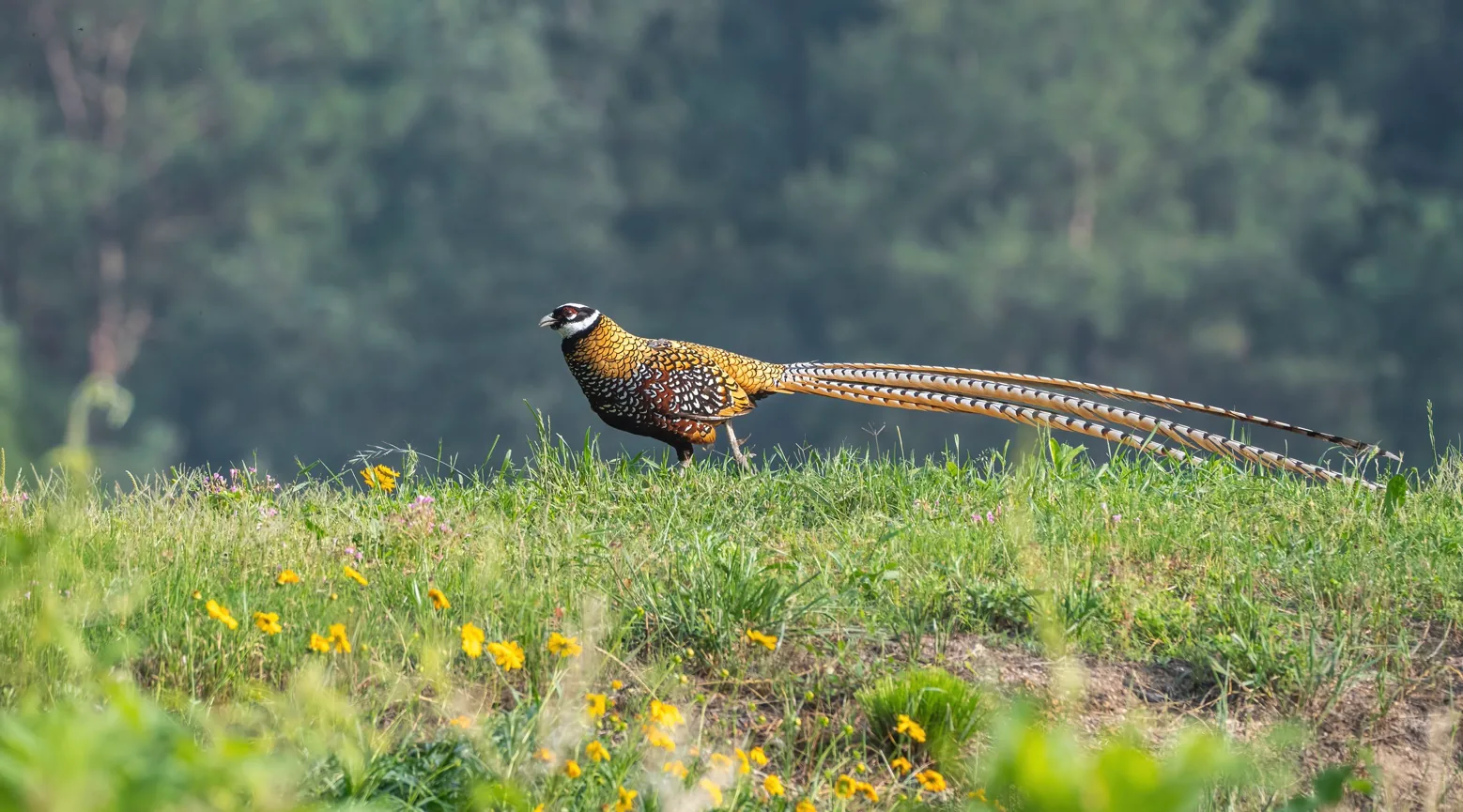
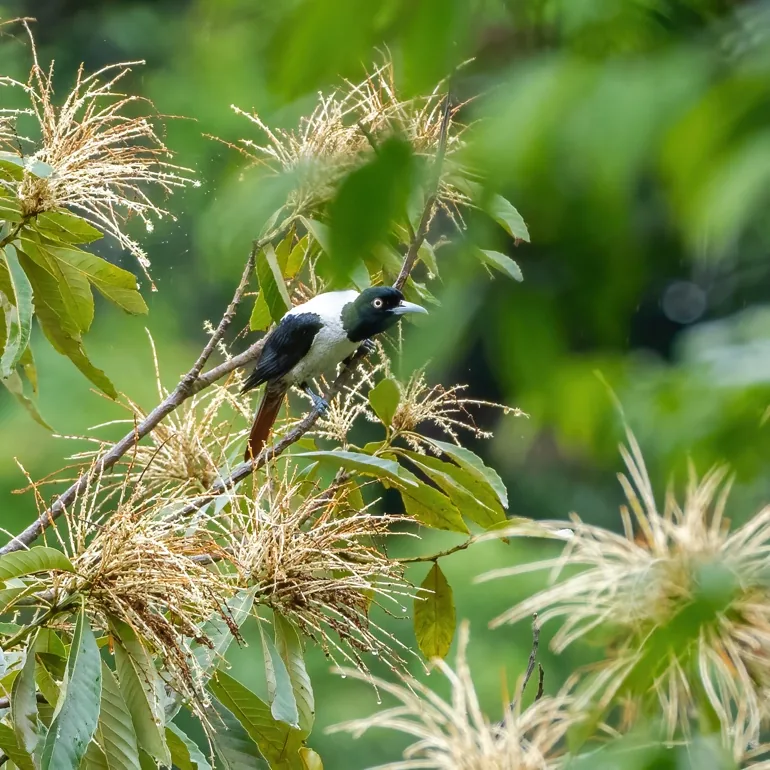
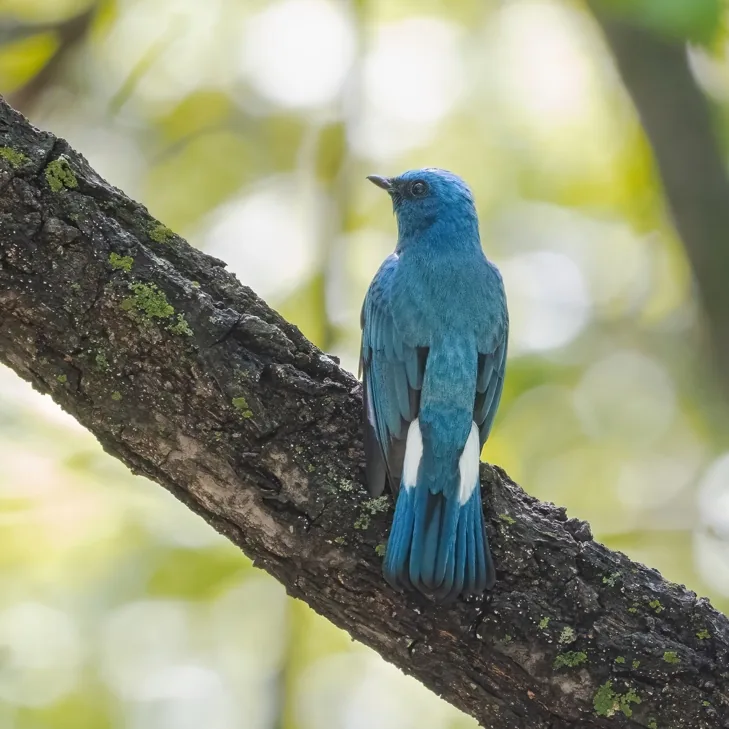
Our East China tour takes us on a journey to see an array of special birds found in these parts of China including Chinese endemics and Eastern Palearctic specialties as we work our way northwards through ten provinces via a combination of the country’s road, train and air transportation network. In Guangdong, the rare and localised Silver Oriole was an excellent start to the tour followed by Reed Parrotbill, Silver-throated Bushtit and Tristram’s Bunting in Shanghai. In Fujian province, the highlights were many. In the lowlands were Blyth’s Kingfisher and White-eared Night Heron then the highlands of Emeifeng blessed us with Cabot’s Tragopan, Elliot’s Pheasant, Chinese Bamboo Partridge, Hartert’s Leaf Warbler, Buffy Laughingthrush and the monotypic Elachura. Jiangxi was next, a visit to the riverside city of Wuyuan gave us the Critically Endangered Blue-crowned Laughingthrush, an oversummering Scaly-sided Merganser, Pied Falconet plus Short-tailed and Grey-headed Parrotbills. Moving further inland to Henan province was the centrepiece of the tour, the spectacular Reeves’s Pheasant along with Crested Ibis and Collared Crow then further north in Shanxi we had Brown Eared Pheasant plus Chinese Nuthatch and Japanese Scops Owl. The capital, Beijing was next where Lingshan produced the goods with Green-backed and Zappey’s Flycatchers, Chinese Beautiful Rosefinch, Pere David’s Laughingthrush, Beijing Babbler, Grey-sided Thrush and loads of leaf warblers wherever there was good habitat. A change of scenery into Northeast China with quick forays to Inner Mongolia, Jilin and Heilongjiang during the last leg of the tour, is where we found the decreasing Jankowski’s Bunting, Asian Dowitcher, Oriental Stork, Red-crowned and White-naped Cranes, Chinese Grey Shrike, Ochre-rumped Bunting and ending the tour in style with the Critically Endangered Baer’s Pochard. A total of 285 species (seven of which were heard only) were recorded, a relatively small number judging by the distance travelled but the quality of the birds seen were key.
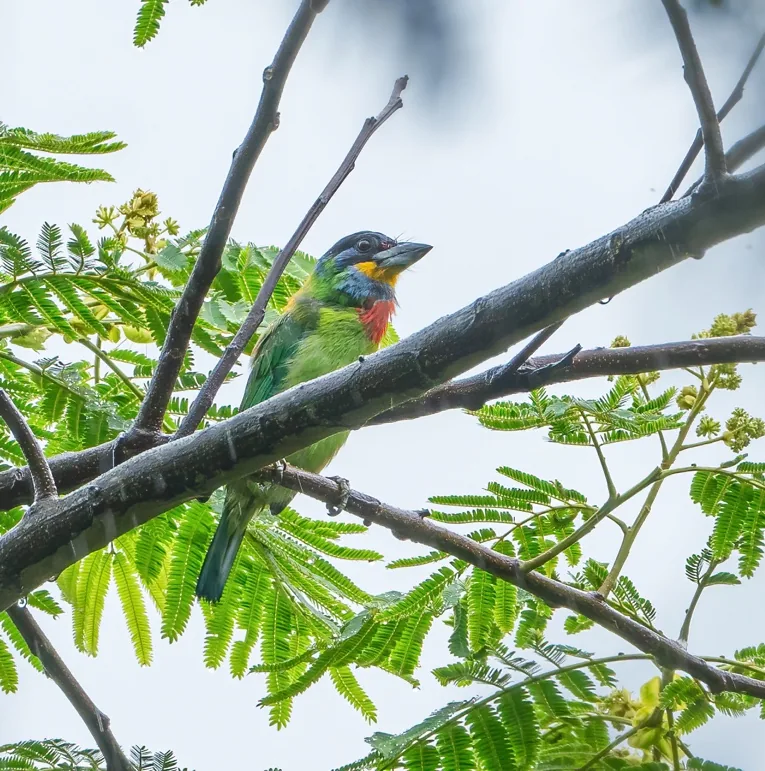
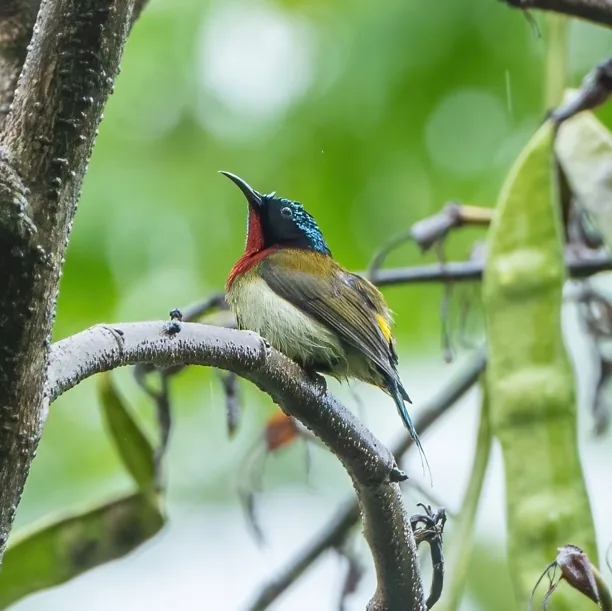
The group gathered in the Chinese metropolis of Guangzhou in the south-eastern province of Guangdong. The next morning, we loaded our bus, utilized the impressive Chinese road network and headed north-east to the forest surrounding the Huanglongdai Reservoir. The bus meandered through the hilly and curvy roads going around this water catchment till we got to our stakeout for Silver Oriole - a newly built and rather basic hide (is there any species in China that doesn’t have a hide for it??) overlooking a downslope harbouring a nesting pair of orioles further down the valley. It wasn't particularly birdy but we saw passing Chinese Barbet, Huet's Fulvetta, Scarlet and Grey-chinned Minivets, Grey-headed and Grey-capped Pygmy Woodpeckers, Hair-crested Drongo and Black-naped Oriole before our main prize appeared with a smart-looking male whose chosen perch made it difficult for all of us to get good views. However, with a bit of patience waiting in the hide (some of it were forced onto us thanks to the persistent showers), we got great views of both adults eventually. It poured more after that and as soon as the rain intensity slowed, we made a dash for the bus, out to town for a sumptuous lunch. Thereafter we visited the nearby Liuxihe National Forest Park for some birding with umbrellas in hand. Despite the rain, we got great looks of Chinese and Great Barbets, Asian Tit, Rufous-capped Babbler, Chinese Hwamei, Swinhoe's White-eye, Fork-tailed Sunbird, a flyby Grey Treepie and several species of bulbuls - Chestnut, Black, Light-vented and Red-whiskered; all of them within an opened area not far from the parked bus. Then we decided to walk when the weather somewhat improved, seeing Brown-breasted Flycatcher, Fire-breasted Flowerpecker and just before leaving, Indochinese Yuhina. By this time, the rain would return and as we had a flight to catch, it was time to head to the airport for a flight to Shanghai which got heavily delayed due to the adverse weather.
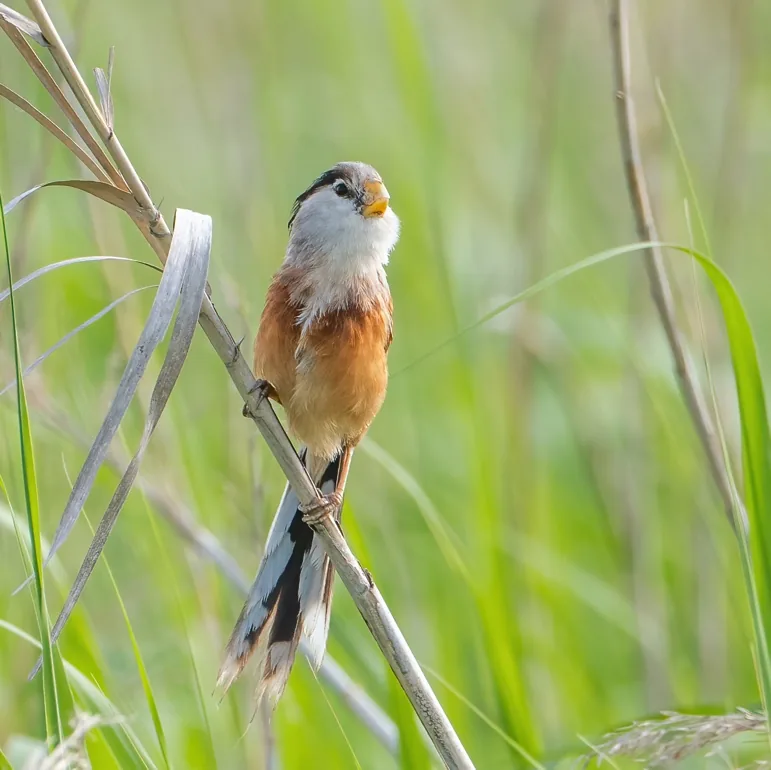
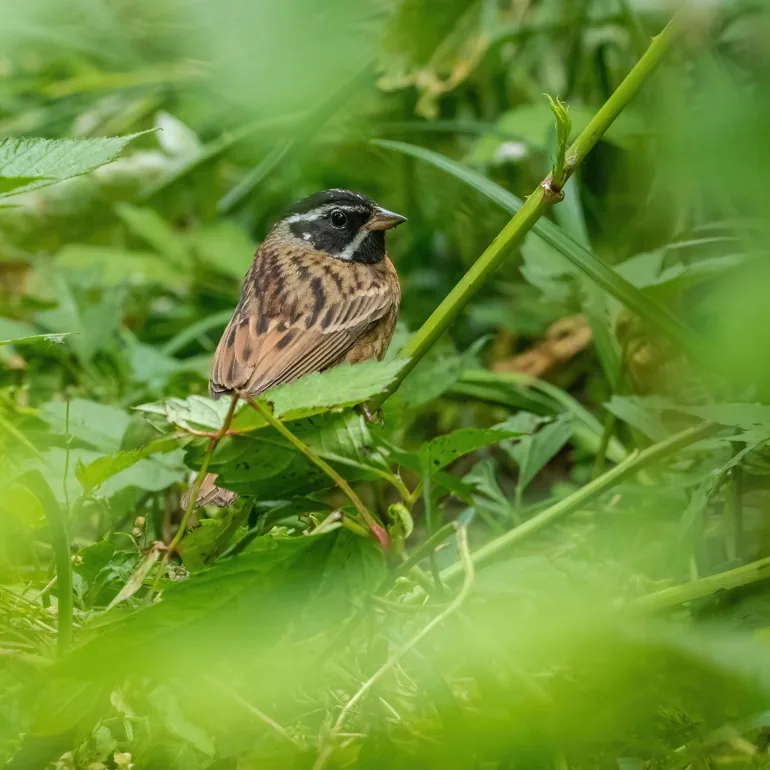
Thanks to it being summer, it was already bright when we got out of the hotel to take the relatively short drive to the coastal area of Nanhui for our day's birding in Shanghai. Though lacking sleep, we treaded along a narrow but busy road, with patches of reeds and wild grass alongside it. Oriental Magpie, Brown and Long-tailed Shrikes, Light-vented Bulbul, Crested Myna, Black-collared and White-cheeked Starlings and Chinese Blackbird were flying around in the early morning. Patches of water had Long-toed Stint, Little-ringed Plover, Terek Sandpiper and several Black-winged Stilts. Lesser Coucal moved about in the bush, a flushed Pintail Snipe, Little Tern, Black-winged Kite and Eurasian Kestrel on the wing; Black Drongo on the reeds and a singing Manchurian Bush Warbler was a nice addition before we finally struck gold with Reed Parrotbill, the reason we were here, with fine looks at one of the finest species of a delightful family. It perched at the top of a tall grass, its weight pulling down the stalk as it surveyed the lands giving us great views. Then we checked some coastal mudflats and we got seven Grey-tailed Tattlers straight away plus Whimbrel, Siberian Sand Plover, Spotted Redshank and numerous Common Greenshank in the mix. A Eurasian Hoopoe was foraging on the turf nearby. We walked and checked a patch of woodlands and were rewarded with Arctic and Eastern Crowned Warblers, Grey-streaked Flycatcher, Amur Paradise- flycatcher, Vinous-throated Parrotbill, Silver-throated Bushtit, Plain Prinia, Siberian Rubythroat, Olive-backed Pipit and multiple buntings – Little, Black-faced and Tristram’s, the latter being the most numerous. The day ended with another trip to the airport, thankfully this time our flight to Fuzhou went without delay.
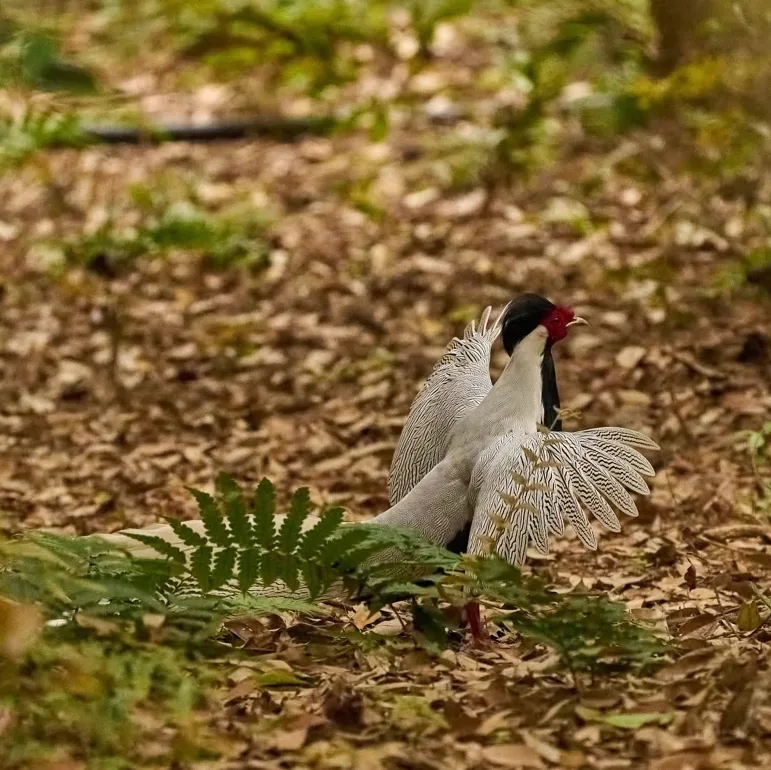
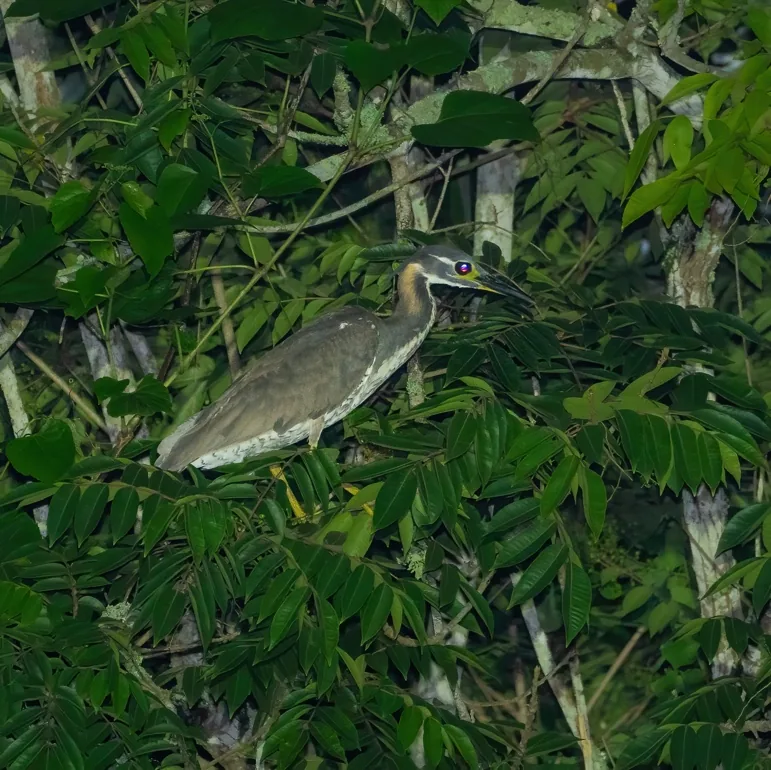
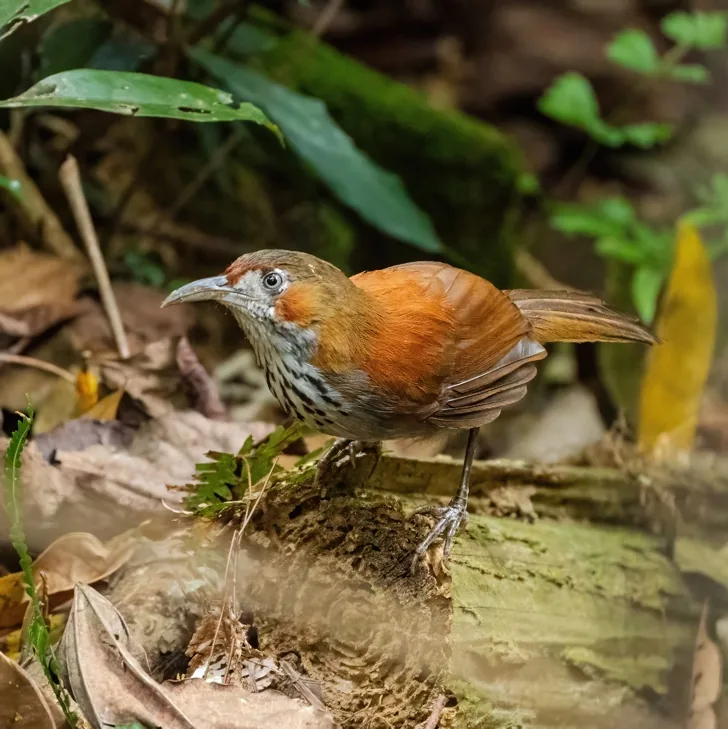
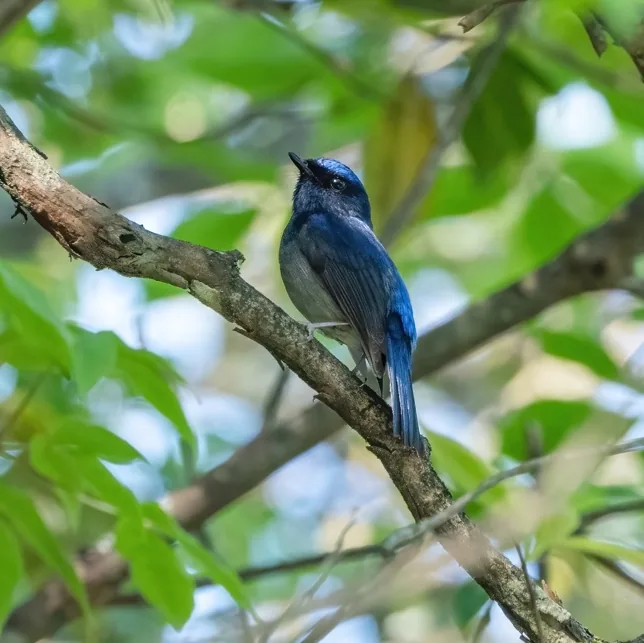
Fuzhou is the provincial capital of Fujian province and conveniently, Fuzhou Forest Park is close to the hotel we stayed the previous night. We walked the undulating but well-maintained trail as soon as the park is opened for visitors and we hit a mixed flock soon enough seeing Black-throated Bushtits, Speckled Piculet and Erpornis amongst the other common south eastern Chinese birds that we've seen over the last two days. Huet's Fulvetta were more numerous here, singing Black- throated Laughingthrush, Rufous Woodpecker, Mountain Bulbul and also two pairs of Grey-sided Scimitar Babbler showing really well in a leaf litter as they used their long, curved bills to toss dead leaves to look for juicy grubs. Streak-breasted Scimitar Babbler was also in the vicinity though they were only seen briefly. We heard White-cheeked Partridge, our main reason for being here, though sadly, only a few of us were lucky enough to see one but we all had great looks of a stunning Silver Pheasant with his harem of four females crossing an opening. A brilliant male Red-headed Trogon added a splash of colour amongst the greenery. Just before leaving, we were on a bridge overlooking a rocky stream and found Chinese Pond Heron, White-crowned Forktail and Blue Whistling-thrush almost in one binocular view along with Collared Finchbill and Yellow-bellied Prinia in the scrub alongside the stream. We left the park, had a scrumptious lunch and drove further inland towards the countryside, seeing fields and fields of tobacco plants along the way to reach our humble guesthouse in Mingxi County within the last hour of sunlight. After dinner we had a night excursion planned where we were to get on a boat and cruise the river in search of the localised White-eared Night Heron. Stepping atop an electric barge with portable chairs to rest our bottoms on, it was almost immediately after we got off the riverbank that our local guides shone their torches on a White-eared Night Heron, standing on the opposite bank! Understandably, the bird flew away but we managed to re-find it later and get excellent views of it perched on a tree. An absolute mega!
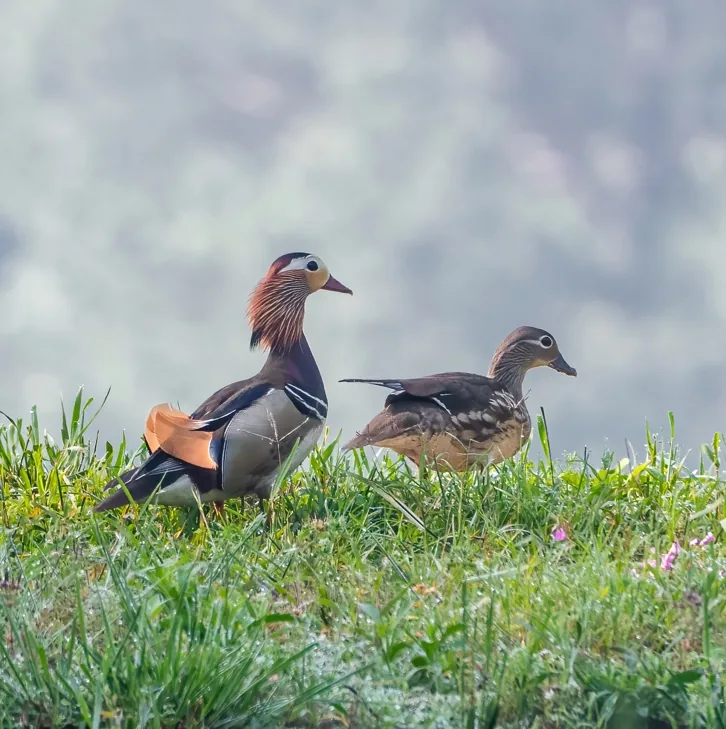
The next morning, we got out predawn to a Blyth's Kingfisher stakeout, hoping that one would flyby or better still, perch on the little branches coming off the riverbank or the boulders in the stream. While waiting, we watched Grey-capped Pygmy Woodpecker, Collared Finchbill and Scarlet Minivet flying about before a Blyth's Kingfisher shot past us, heading upstream in characteristic fashion while uttering its single-note zeep. We walked a track that followed the river upstream, scanning any likely areas where the bird may reside but came out empty-handed so we did what most birders would do, sit and wait on a known flight path. It was a long and rather boring wait but we were rewarded with a bird that zipped under the bridge that we were on and perched on a little stick jutting out above the water for several seconds, the exact perch that we were told to focus on, before it flew away, out of sight. It reversed its course a short while later but without any pitstop this time and that was it for Blyth's Kingfisher. Time to head back for lunch, check out and drive inland to the famed highlands of Emeifeng, home to two mouth-watering Chinese endemics – Elliot’s Pheasant and Cabot’s Tragopan. Along the way, our first Mandarin Duck of the tour was sighted sitting all alone on an irrigated field followed by an attempt for Elachura on the lower parts of Emeifeng that eventually turned successful as we took our turns to peer at the spotted critter in the thick undergrowth. Then a couple of pheasants, firstly a male Elliot’s Pheasant flew across the bus as we were climbing uphill, not to be seen any more so it didn’t really count, then an immature male Silver Pheasant seen pecking on the soft, inner parts of bamboo by the side of the road were the few birds seen as we got up to the peak of Emeifeng.
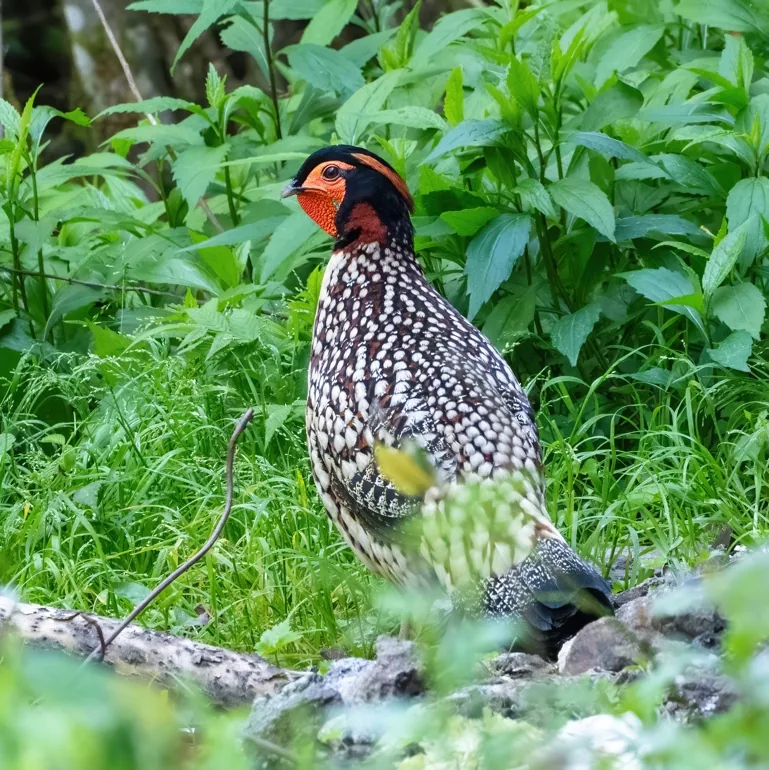
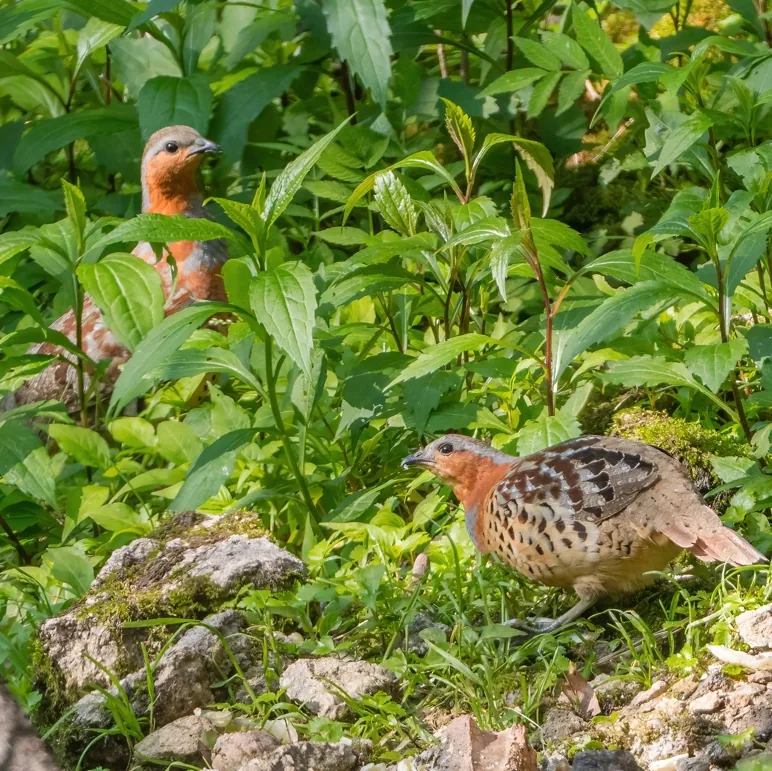
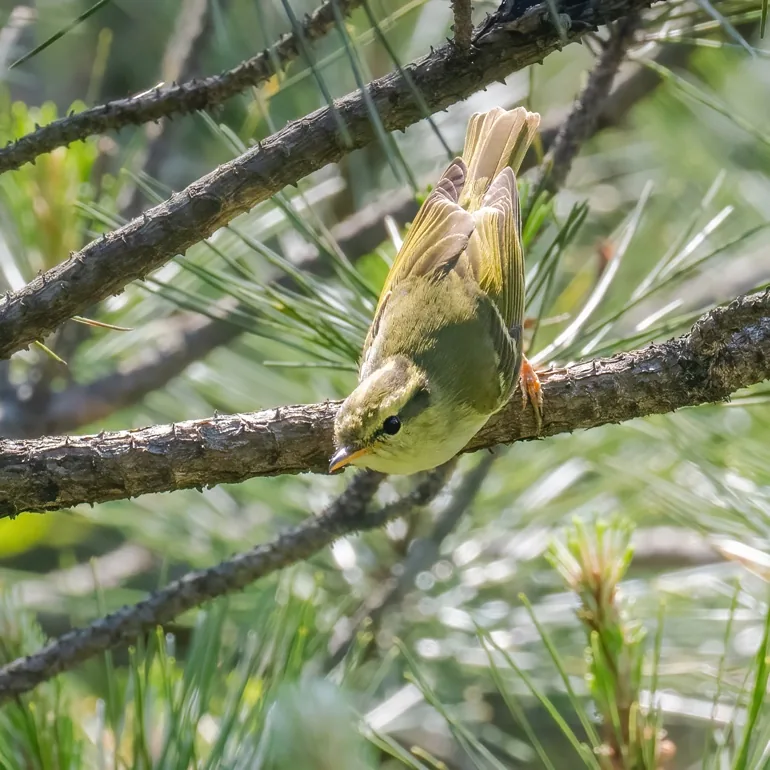
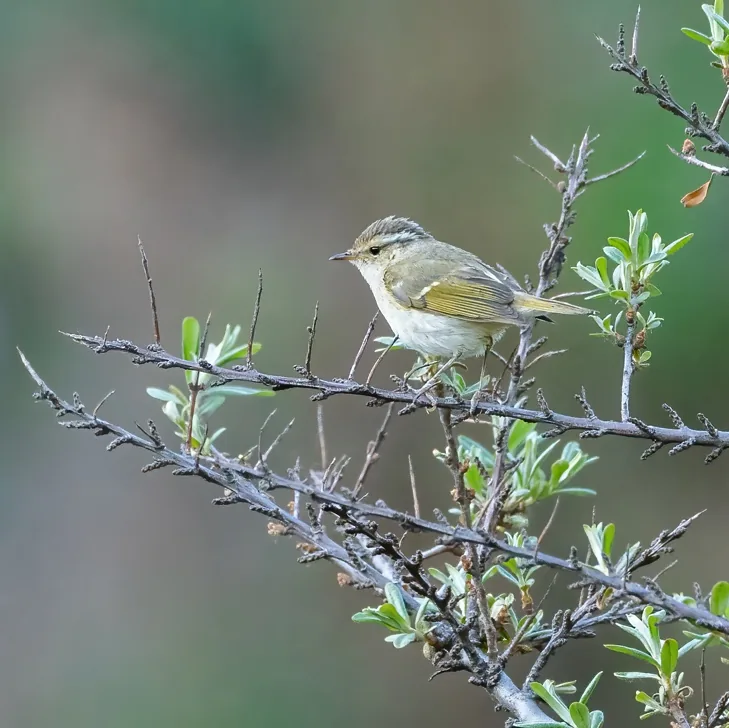
With two full days in Emeifeng, we concentrated our efforts to look for the two endemic aforementioned Phasianids. Surveying the roads on the first morning, there were multiple sightings of Silver Pheasants (exquisite birds nonetheless) but none of the two main targets. Later on, we would find a female Cabot’s Tragopan and a pair of Chinese Bamboo Partridges feeding on the restaurant’s scrap and we enjoyed having prolonged looks at them. Other notable birds were Chestnut- winged Cuckoo, calling a lot and seen when it broke cover flying above the pine trees; Asian House Martin patrolling the skies, melodious Buffy Laughingthrush which we eventually got good looks of when we found one feeding on orange berries, Rufous-faced Warbler in a mixed flock, Spotted Forktail in one of the rocky streams next to the road plus a string of Phylloscopus warblers – White-spectacled was almost abundant judging by how many we heard singing, Chestnut- crowned Warbler with its high pitched song, the brightly coloured Sulphur-breasted Warbler and two Hartert’s Leaf Warbler, one of which was carrying food between its mandibles and both seen flicking their wings in such distinctive fashion.
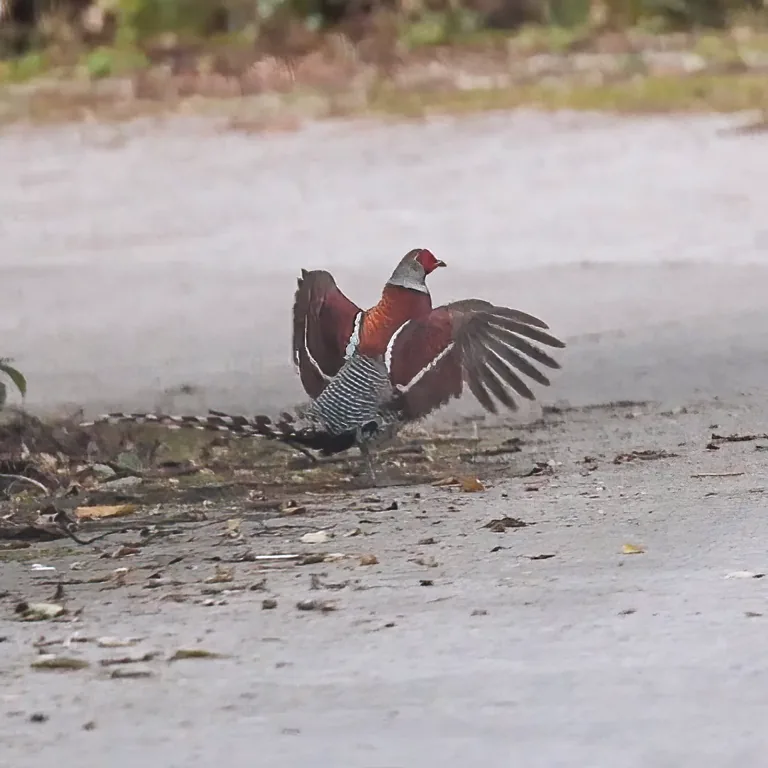
Our fortunes improved on our second day in Emeifeng as we finally found a male Elliot’s Pheasant while driving down the single mountain road and we had quite a show of him displaying vigorously as he kept running across the road and whirred his wings several times. Walking on the road, we saw Small Niltava and Dark-sided Flycatcher along with several mixed flocks that had Yellow-cheeked Tit and Black-chinned Yuhina which were new for the trip. We were about to turn around when a female Cabot’s Tragopan was seen foraging by herself. Thinking that the male might be around, we waited for a while and with a bit of coaxing, we were rewarded with the male on the upslope walking down toward us and perched atop a tree, providing us with lovely views of this most-wanted bird. In a territorial display, he even gave a bout of vocalisation and flapped his wings while on that perch. Eventually he jumped down and walked away so we moved on too, seeing a group of Greater Necklaced Laughingthrush before we made our way back up the hill. As soon as we got to the peak, we connected with another male Cabot’s Tragopan that came to feed on the restaurant scraps providing us with even better, prolonged and outstanding views. What a bird! Later, he would be joined by a female as well as a pair of Chinese Bamboo Partridges presumably, the same birds as yesterday. A bit of a short hike up the hill behind the accommodations before lunch rewarded us with Black Eagle, Grey-headed Parrotbill and Streak-breasted Scimitar Babbler while in the late afternoon, we added Large Hawk Cuckoo, looking a lot like a raptor as it glided between the trees, watched Asian House Martins drinking from a pond and admired the enormous temple up in Emeifeng.
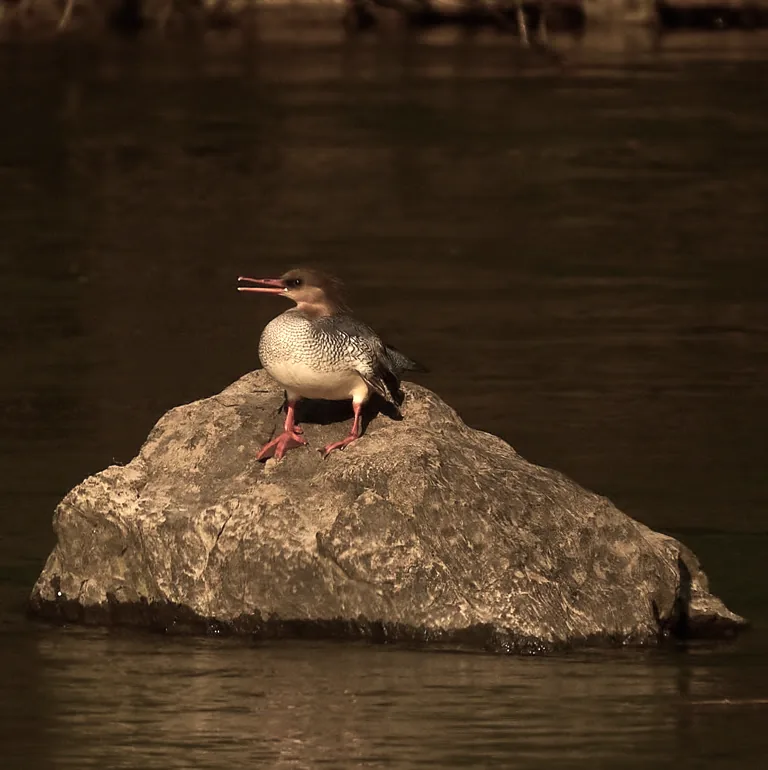
Leaving Emeifeng early in the morning, we were rewarded again with a male Cabot’s Tragopan with two females on the road just as we turned the corner. One would never tire of seeing tragopans! More Silver Pheasants and a male Elliot’s Pheasant completed our drive out of this Fujian mountain. We also stopped for a field breakfast and some last-minute birding, most notably seeing Elachura again for some of us who missed it on the journey in. Resuming our long drive to Wuyuan in Jiangxi province to the north, we had nothing much to do other than stare at the countryside of China and log some birds wherever possible e.g. a Crested Serpent Eagle on the electrical post. Reaching Caomen village in Wuyuan in the afternoon, we were brought to the site for Blue-crowned Laughingthrush, a Critically Endangered Chinese endemic. They congregate in the spring to nest communally, choosing large old trees then disperse into the countryside in the winter. We went up this house of a local whose balcony overlooks a huge camphor tree that reputedly is over 500 years old. Here, the laughingthrushes kept coming and going and we had fantastic looks at this attractive bird either feeding, preening or just resting under the boughs of the magnificent camphor tree. Swinhoe’s Minivet, Red-billed Starling, Oriental Magpie Robin and Chinese Blackbird were here too. Once the temperature cooled down a bit, we walked along the Le An river to see an oversummering female Scaly-sided Merganser that was clearly injured hence the overstay, an unintended but welcome bonus. The dense bamboo vegetation along the way held a pair of Short-tailed Parrotbill and a small tributary of the main river had Common Kingfisher and White-crowned Forktail. Heading out, the Crested Kingfisher that we saw on the way in was on the same electrical cable albeit a little further away from the road.
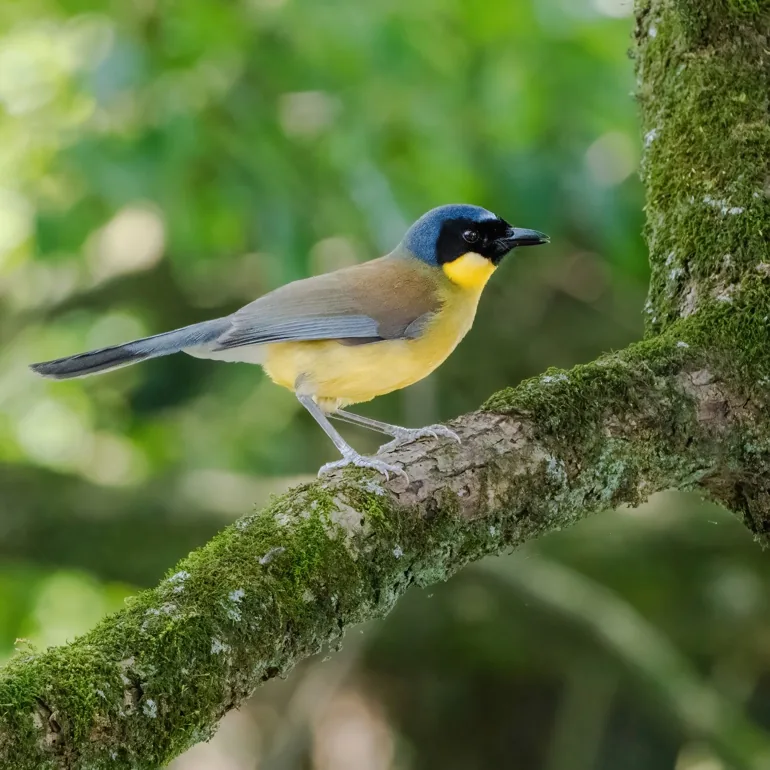
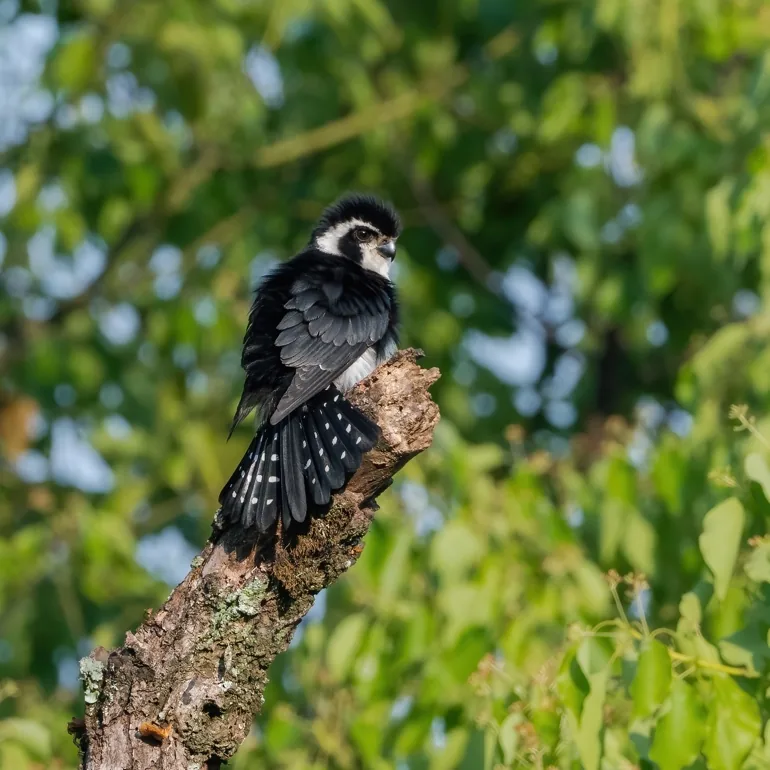
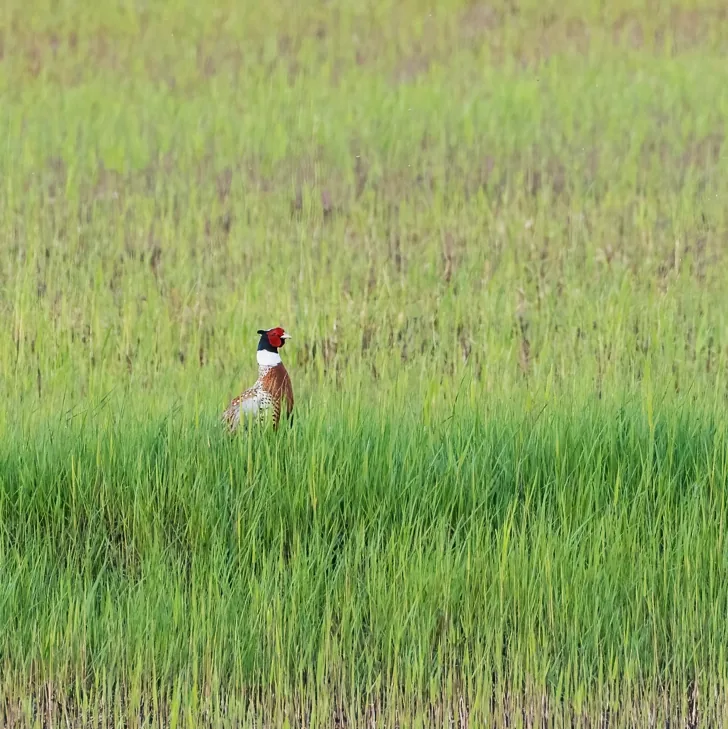
The next morning, we went for Pied Falconet in Chaguan village whose stakeout in another huge camphor tree is well known. The rooftop of a local hotel doubles up as a viewing area for this particular species as it looks toward a few particular perches on the tree that the falconet frequents. The pair of falconets were already on their perch as soon as we got to the rooftop, needless to say, there were other photographers shooting away as well. Besides the falconets, Brown-breasted Bulbul, nesting Eurasian Jay and a pair of Mandarin Ducks passing through were seen from the rooftop. A walk amidst the bare fields of Chaguan produced Blue Whistling-thrush hopping along the stone steps, a male Plumbeous Redstart catching a dragonfly to feed his young, foraging Common Pheasant in the distance, and in the fields, Red-billed Starling were in decent numbers along with Scaly-breasted and White-rumped Munias, Vinous-throated Parrotbill and Russet Sparrow. In the late afternoon, we tried for Short-tailed Parrotbill again in stands of bamboo and we were fortunate to find a very inquisitive individual that kept us busy as it flitted about back and forth between the bamboo stands on both sides of the track. Here too were Grey-sided Scimitar Babbler bobbing around in the undergrowth and Lesser Necklaced Laughingthrush doing much the same though the latter was a bit more cooperative with offering views. A large flock of Black-throated Bushtits and a stunning male Fork-tailed Sunbird rounded up the afternoon’s birding. Heading back to the hotel, a pair of Chinese Bamboo Partridges were feeding at the edge of the scrubs, then a Black-winged Kite perched nearby.
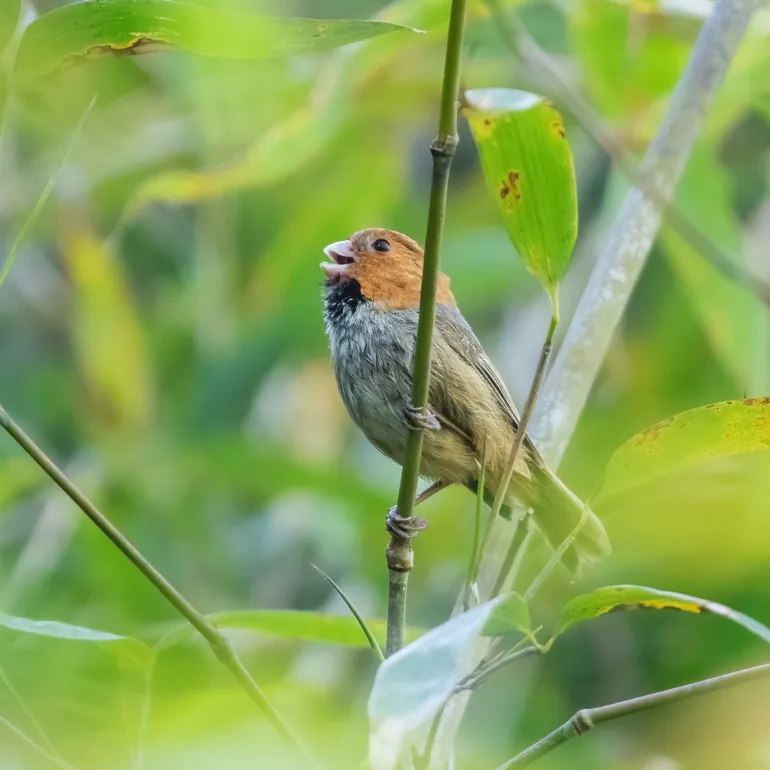
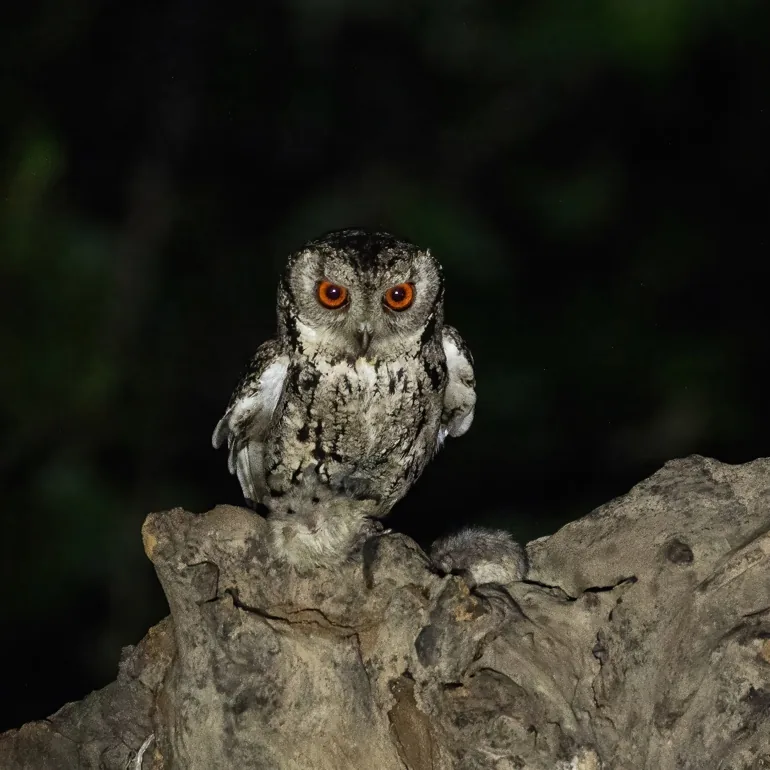
A short morning to round things up in Wuyuan was in the itinerary the next day. We went to the same woodland beside the river as yesterday afternoon in very overcast conditions and we quickly connected with Grey-headed Parrotbill. Asian Barred Owlet were on cables early in the morning, Chinese Spot-billed Ducks were circling around us, several Chinese Hwamei in full song and Masked Laughingthrushes were playing hard to get. As we walked to more open agricultural fields, Grey- headed Lapwings were constantly squawking in the air, providing us a cacophony of sounds echoing from the nearby hills, nesting behaviour undoubtedly. Greater Necklaced Laughingthrush were in the distance and Green Shrike Babbler was the last notable bird of the morning before we drove back to Wuyuan to check out, have an early lunch and caught the high- speed train to Dongzhai via Wuhan. Now in Henan province, we had one little excursion before reaching our accommodations outside Dongzhai National Nature Reserve, going to a nesting site for Japanese Scops Owl, a localised, difficult owl throughout its range except for this pair! Though great looks of the adult and young were obtained, it wouldn’t be an understatement to mention that the baiting of the adult with mice was a rather bizarre experience!
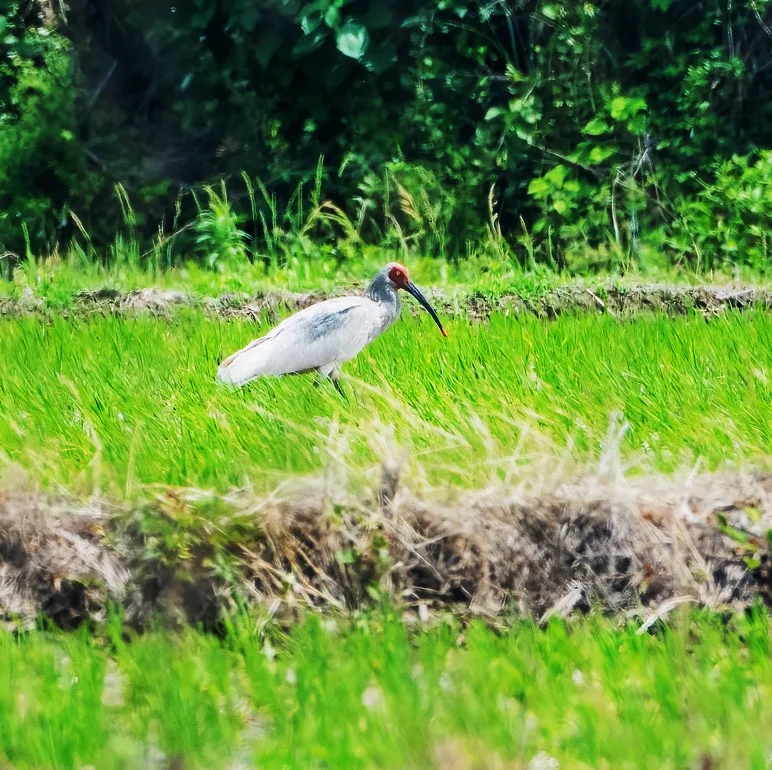
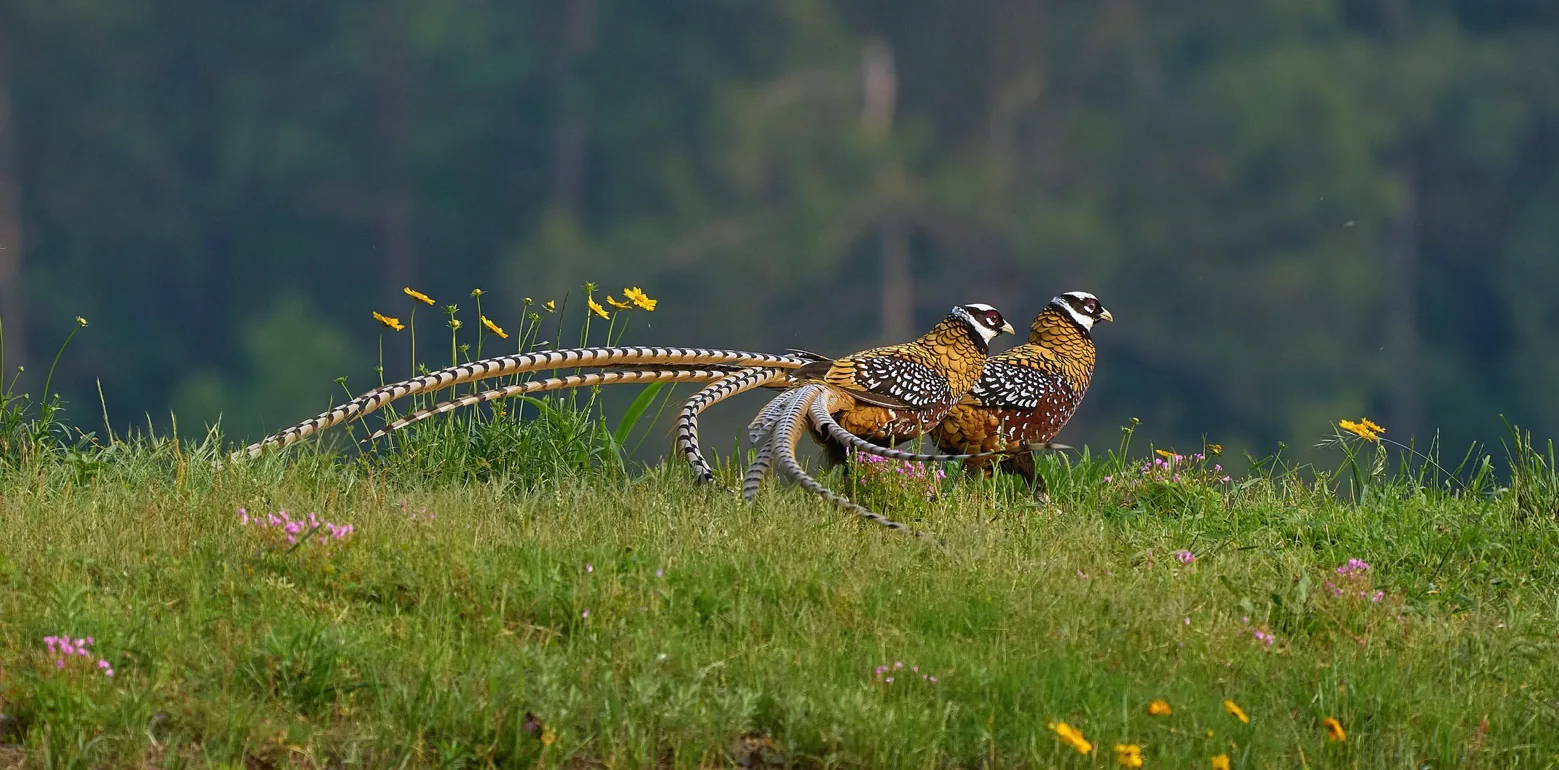
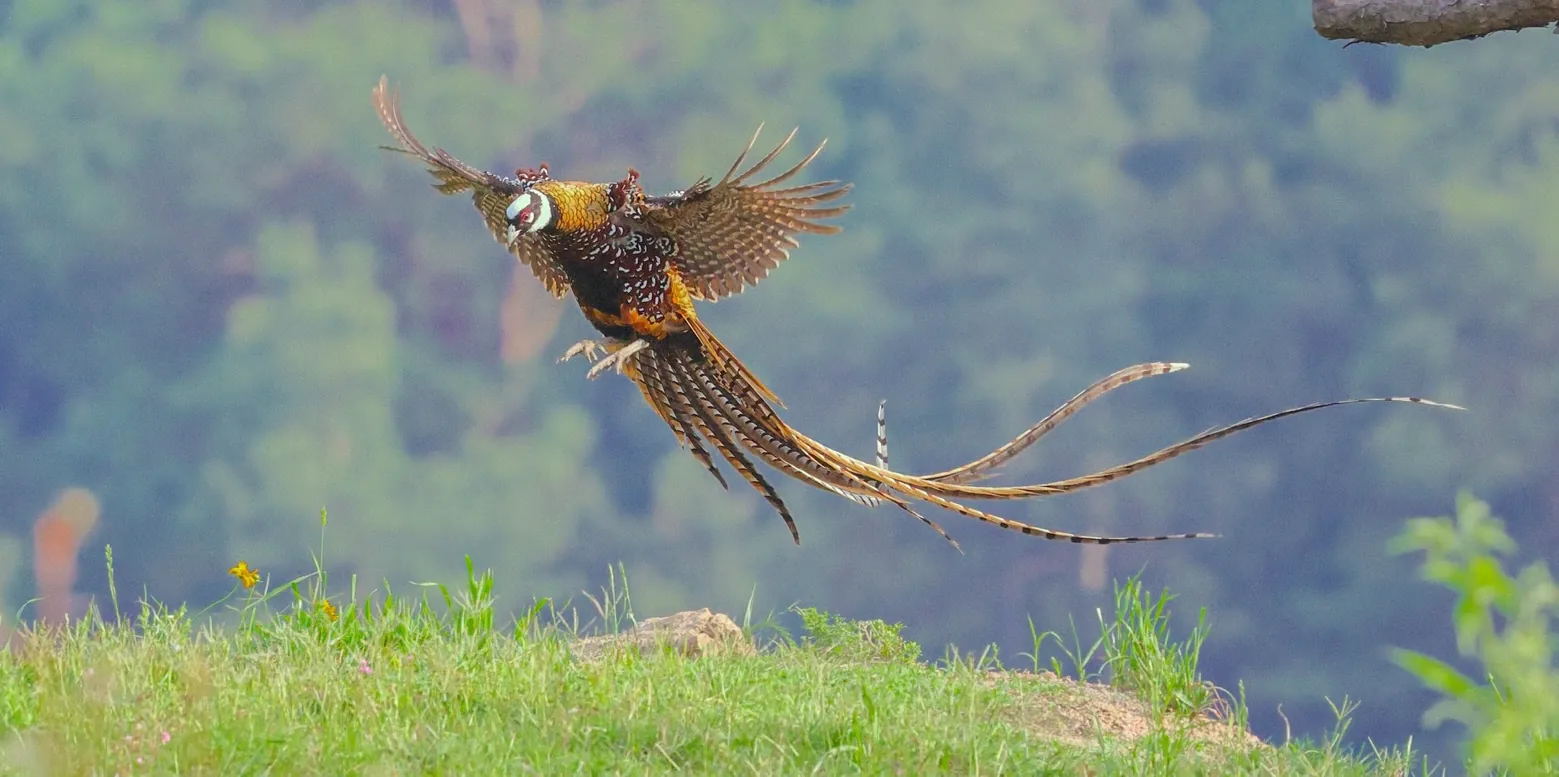
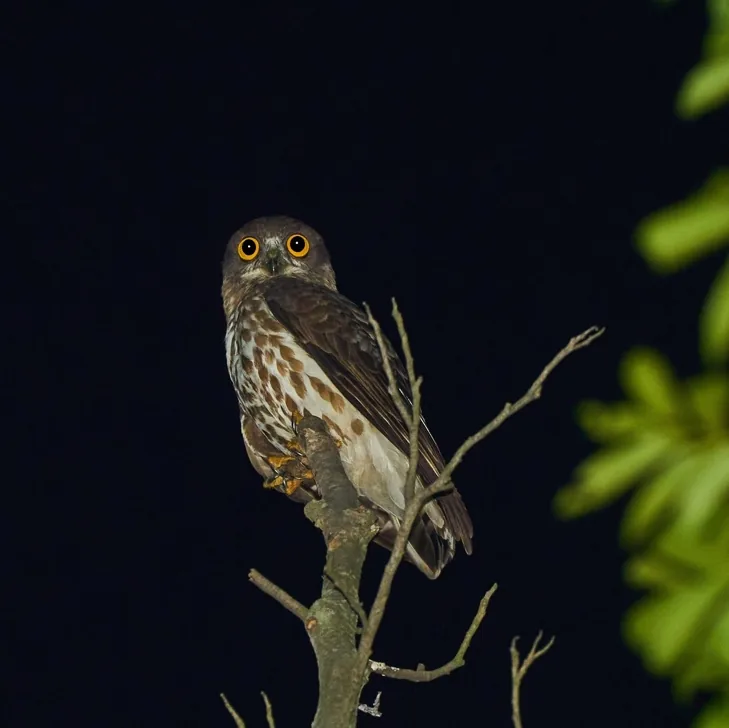
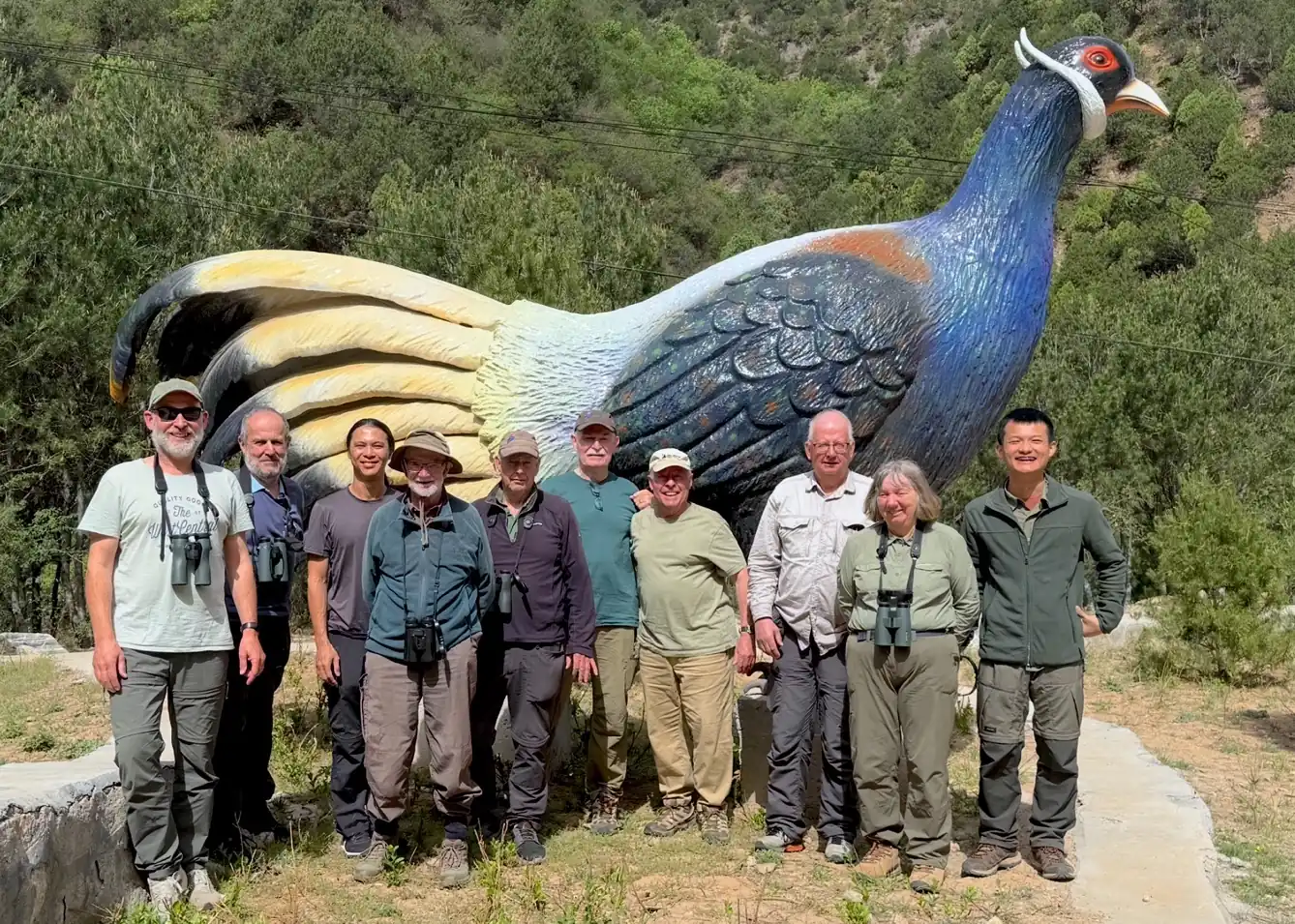
Dongzhai National Nature Reserve is synonymous with Reeves’s Pheasant in the birding world. Another Chinese endemic, it is definitely the major target of this tour. We sat in a spacious two-tiered hide and waited… and waited… and waited… for the bird to appear. We totalled 6.5 hours, no surprises that some heads were nodding and limbs requiring some stretching but boy was it worth it when not one but two males appeared in the brilliant evening light. Its sleek black mask over a pure white cap, golden brown body with fine black vermiculation and the train of tail feathers each measuring more than two metres. The golden light was illuminating this stunning male while the wind was blowing its wispy tail as it spent about 20 mins in the limelight, with our mouths wide agape. It was no surprise that it was almost a unanimous decision for Bird-of- the-trip. The other birds seen from the hide pale in comparison – Oriental Turtle Dove, Black-capped Kingfisher, Hair-crested Drongo, Mandarin Duck, Collared Finchbill, Vinous-throated Parrotbill, Swinhoe’s White-eye and Radde’s Warbler though they were a welcome distraction during the boring wait. Utilising the few hours of remaining sunlight, we walked around the tracks of the reserve finding Great Spotted and Grey-faced Woodpeckers, Arctic Warbler, Brownish-flanked Bush Warbler, Yellow-rumped Flycatcher and Daurian Redstart. About an hour before dusk, we were ‘battling’ a Fairy Pitta that was singing from the tallest and densest bunch of trees in the area and though we tried hard to see it, we succumbed to its wily ways. In between the hours of waiting for the Reeve’s Pheasant to appear, we allocated some time cruising around the agricultural fields around Dongzhai for Crested Ibis, a bird that several decades ago was in the brink of extinction and thanks to a successful breeding and reintroduction programme, many places around China including Dongzhai now have a stable breeding population. We got three birds feeding in the irrigated fields and enjoyed scope views of adults in breeding plumage. Collared Crow was the other notable sighting here and at night, Northern Boobook just outside of our guesthouse.
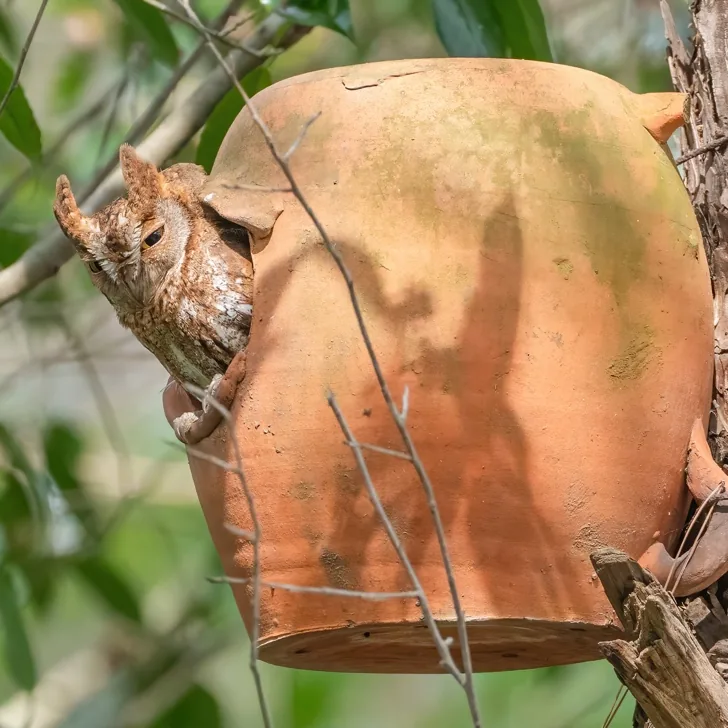
We had one short morning in Dongzhai the next day and we made it a mission to find Fairy Pitta. Despite our best efforts, the bird eluded us again so this unfortunately has to be one for next time (Fairy Pitta 2 – 0 Birders). We enjoyed great views of a few breeding birds - a displaying Yellow-rumped Flycatcher, Daurian Redstart with food in its mouth and Oriental Scops
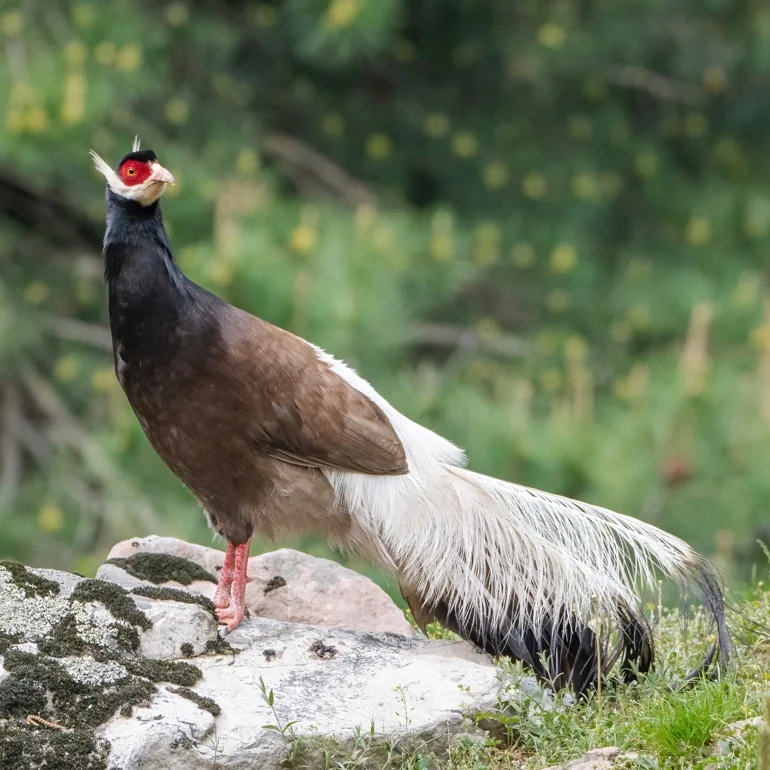
Owl peering its head out of its makeshift nest hole which was just a pot fastened to the side of the tree. Bidding farewell to Dongzhai, we boarded our train to Linfen via a changeover in Xian, once again moving to another province - Shanxi. Thereafter, a slow, delayed drive up towards our accommodation in Huoshan mountain puts us just in time to see two Brown Eared Pheasant sauntering away up the slope to its roosting spot. Great timing! Most of us caught up on sleep except for Rob who went exploring and had stupendous views of Himalayan Owl.
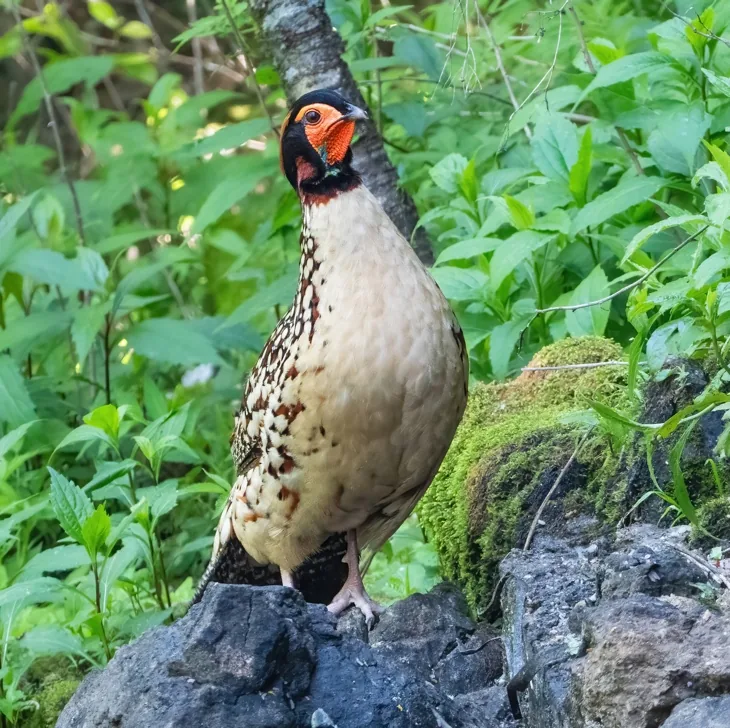
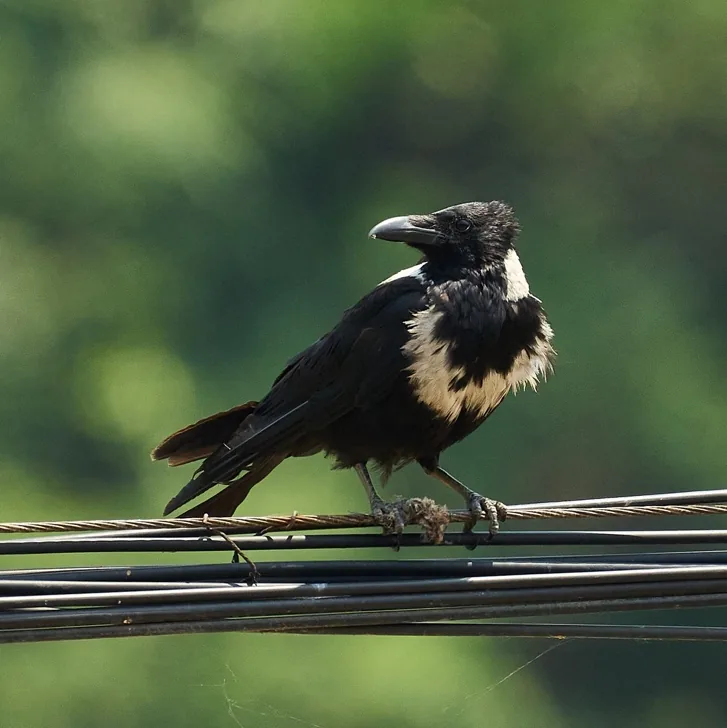
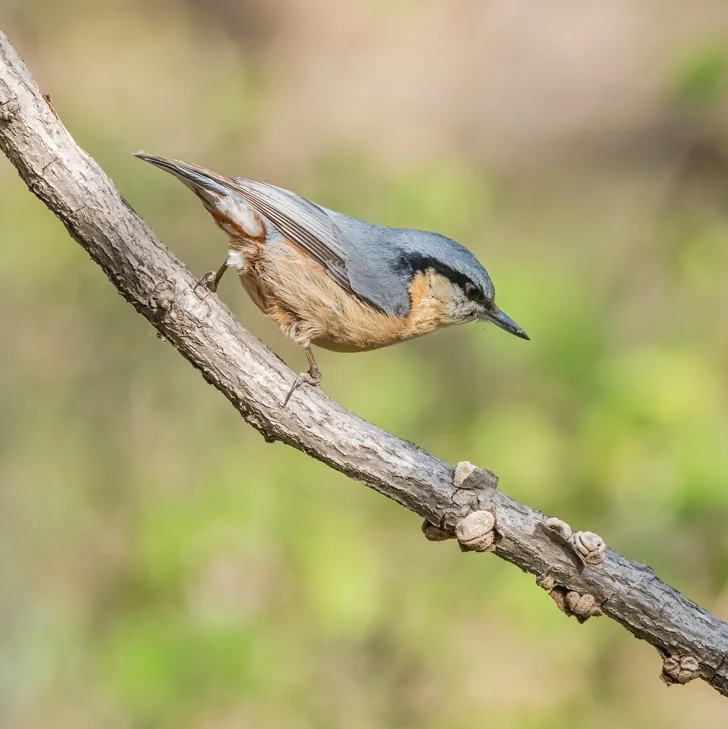
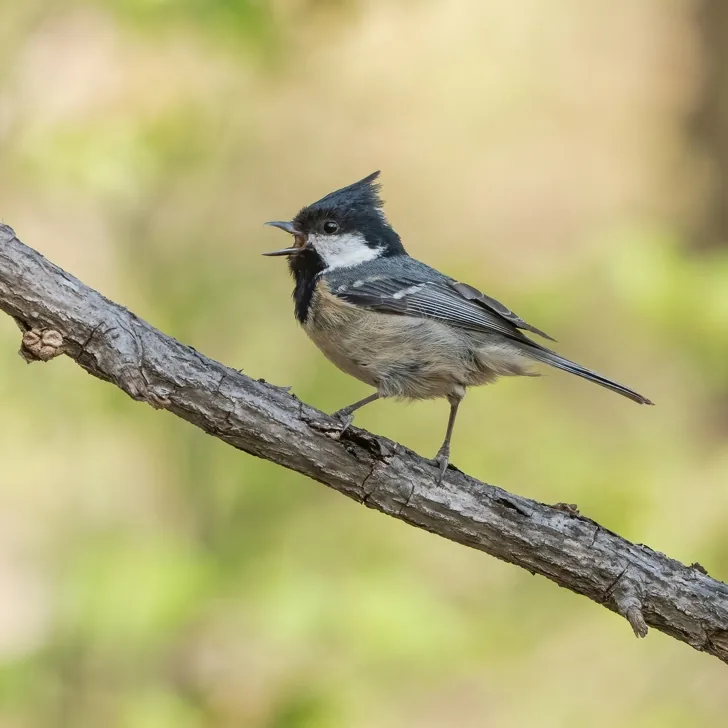
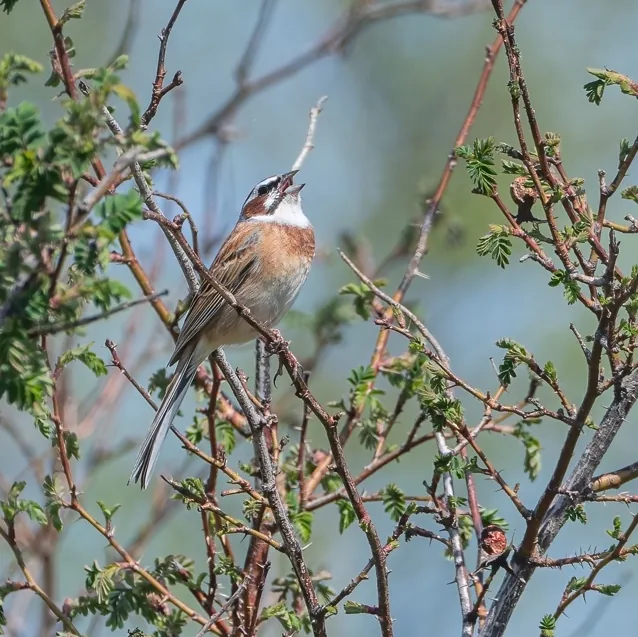
The next morning, we saw more Brown Eared Pheasants (yes, another Chinese endemic). The first was still on its roosting perch, on a long branch extending horizontally above a slope, and we enjoyed watching it firstly from afar but as we gradually crept closer and closer, we found out that they were rather used to humans and at one point walked just meters from the group! A few more of these incredible birds around the area in the beautiful early sunshine made this a brilliant morning. A few mixed flocks around the area had Chinese Leaf, Claudia’s Leaf and Yellow-streaked Warblers, Coal and Yellow-bellied Tits, Chinese (Snowy-browed) Nuthatch and Chestnut-flanked White-eye. A pair of Godlewski’s Bunting foraging on the ground and then perched on a pile of bare branches to sing was a nice addition. Two Oriental Honey Buzzard flew high above us, Carrion Crow swooping just above the treeline and breeding Russet Sparrow near the restaurant were the other highlights of the morning. Then we bade farewell to Huoshan, drove down the mountain back to Linfen, caught the last train of the tour (phew!) to Beijing and drove west and up to another mountain – Lingshan.
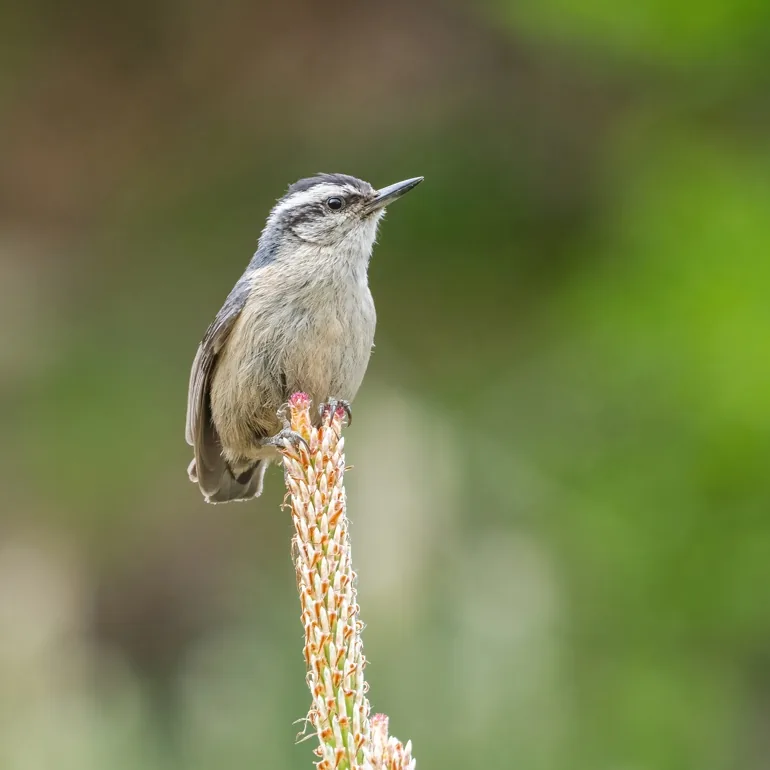
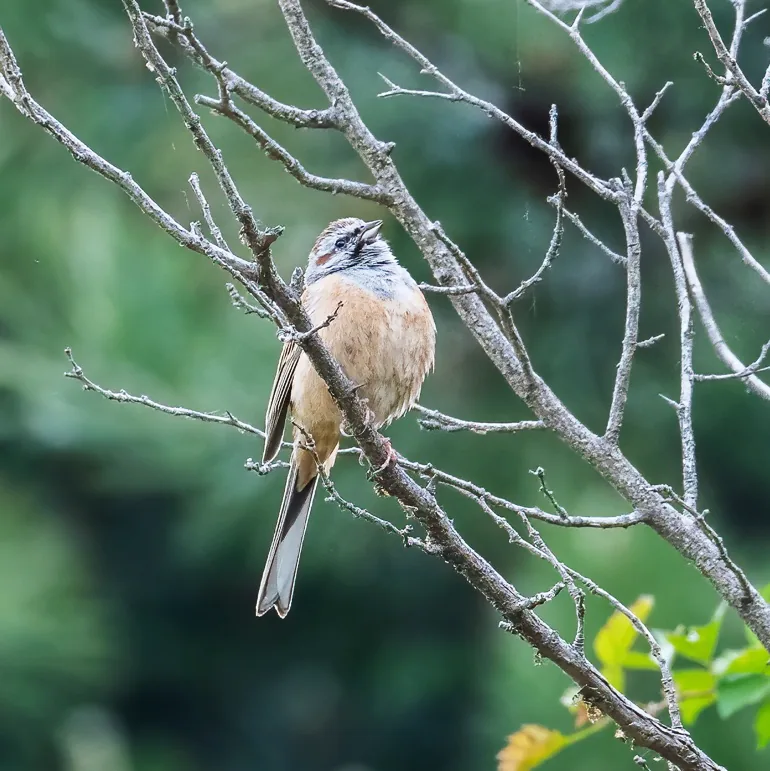
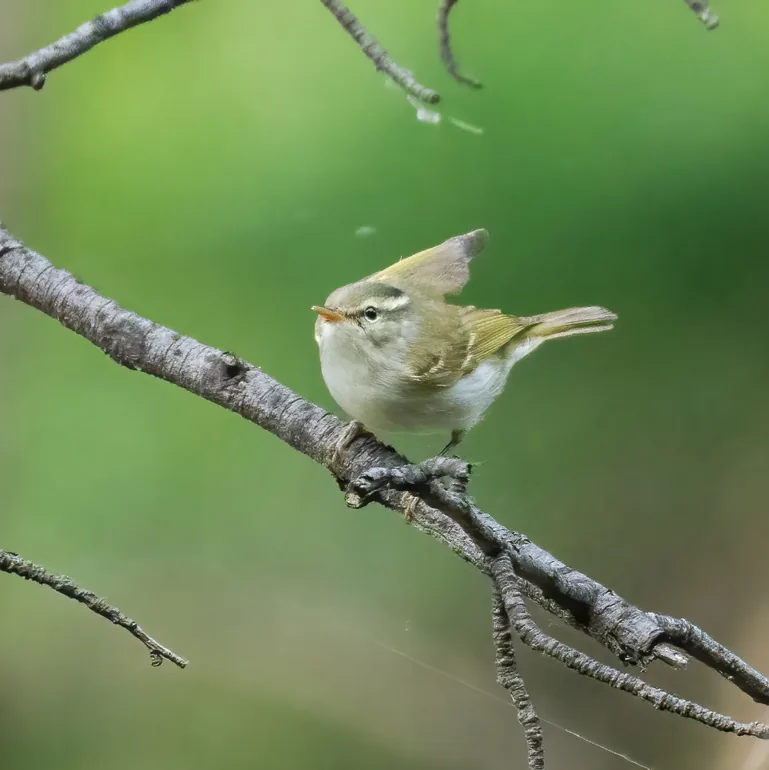
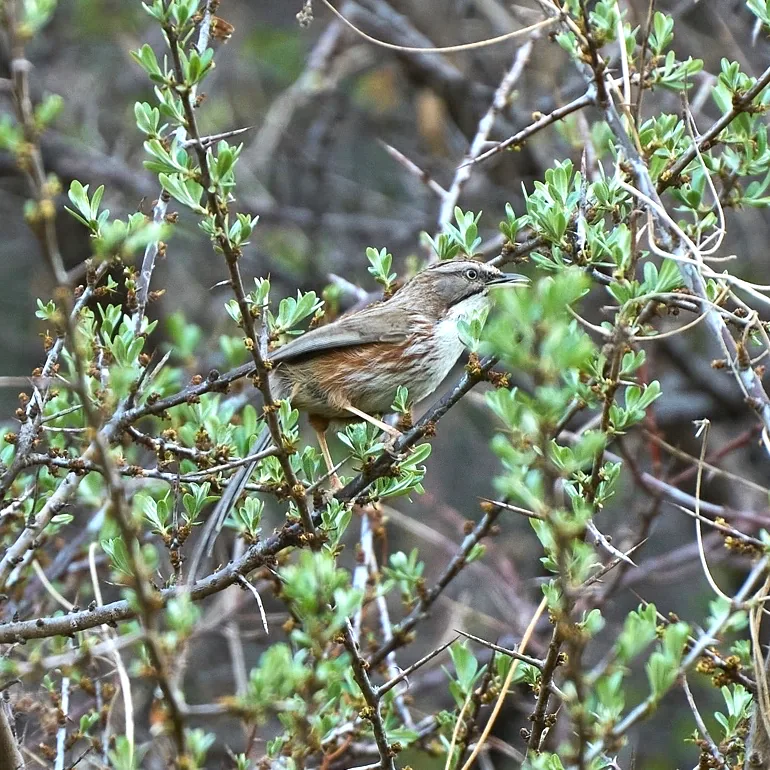
Lingshan is Beijing’s highest peak and it borders Hebei province to the west. A fairly well-watched site, we checked some thorny bushes first thing in the morning and a bunch of passerines turned up including a pretty pair of Chinese Beautiful
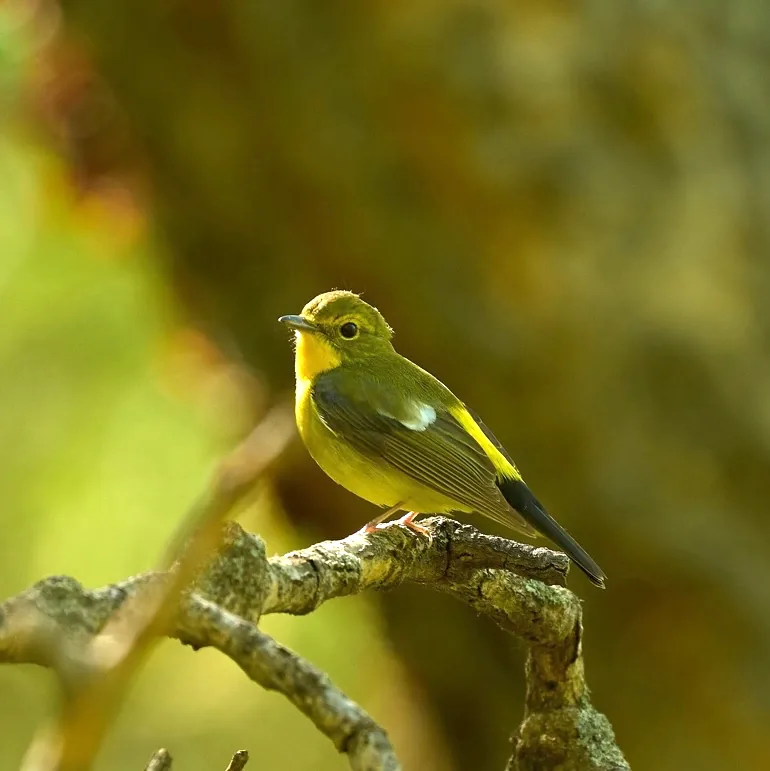
Rosefinch, Willow Tit, Beijing Babbler and Pere David's Laughingthrush. We were introduced to the variety of ‘Phylloscs’ that breed here - Yellow-streaked, Hume's Leaf, Pallas's Leaf, Chinese Leaf, Claudia's Leaf and Eastern Crowned Warbler, a good sample to learn the subtle art of getting to grips with this tricky genus. A Manchurian Bush Warbler will at times perch atop a short tree to sing, offering views of this skulker. From the roadside, we watched a stunning Zappey's Flycatcher singing from its perch, funnily, not from a tree but high and exposed on the high voltage electric cable. Equally stunning was the male Yellow-rumped Flycatcher that we sighted several times throughout the day and more importantly Green-backed Flycatcher with both males and females seen well, once we ventured into the forest. At the end of the day, we added Bull- headed Shrike sitting atop a tree and a couple of Hill Pigeons flying alongside the road.
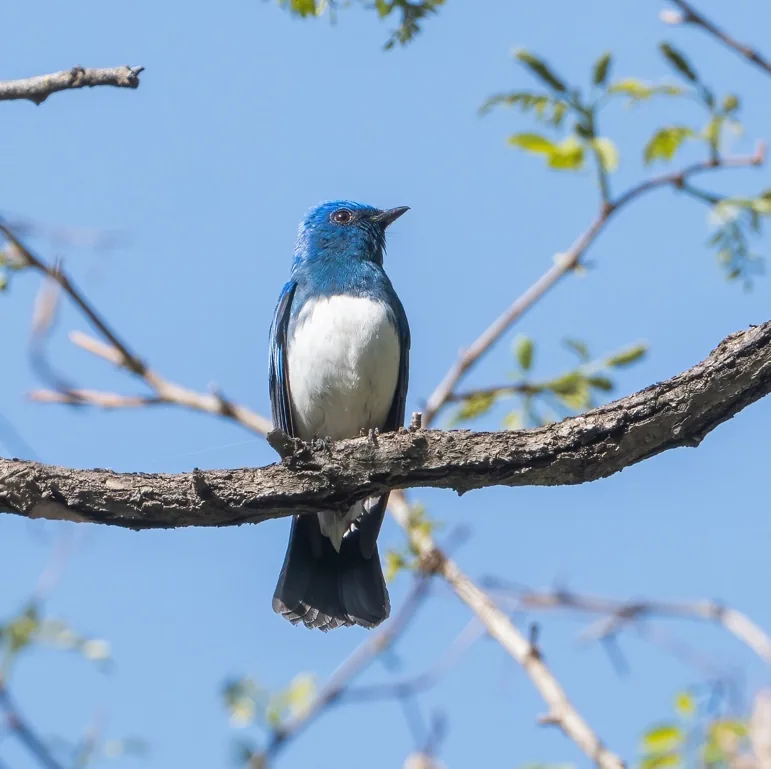
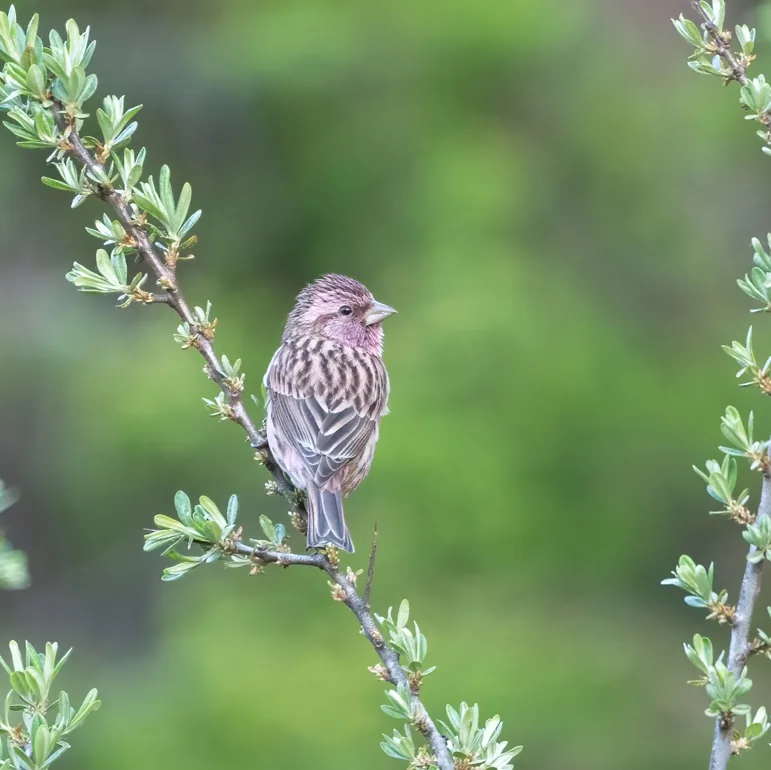
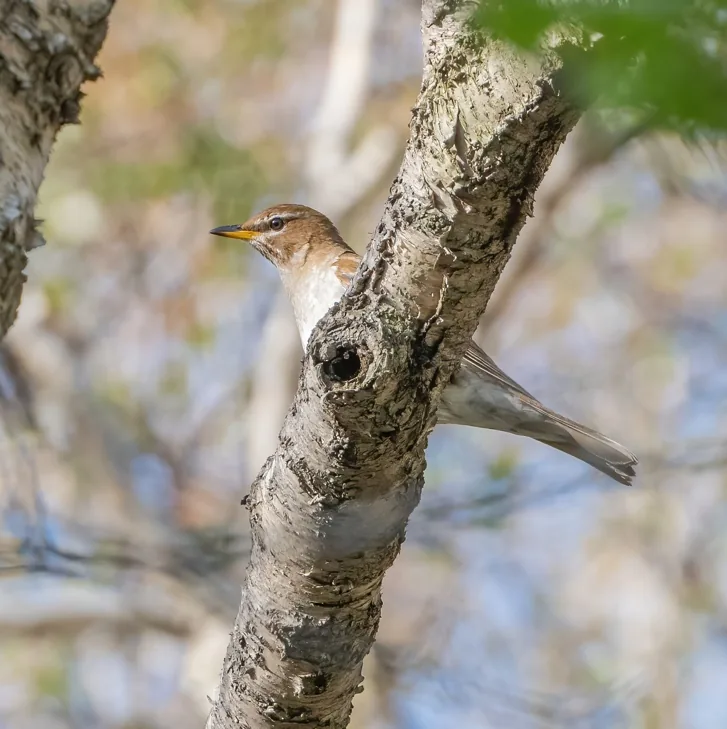
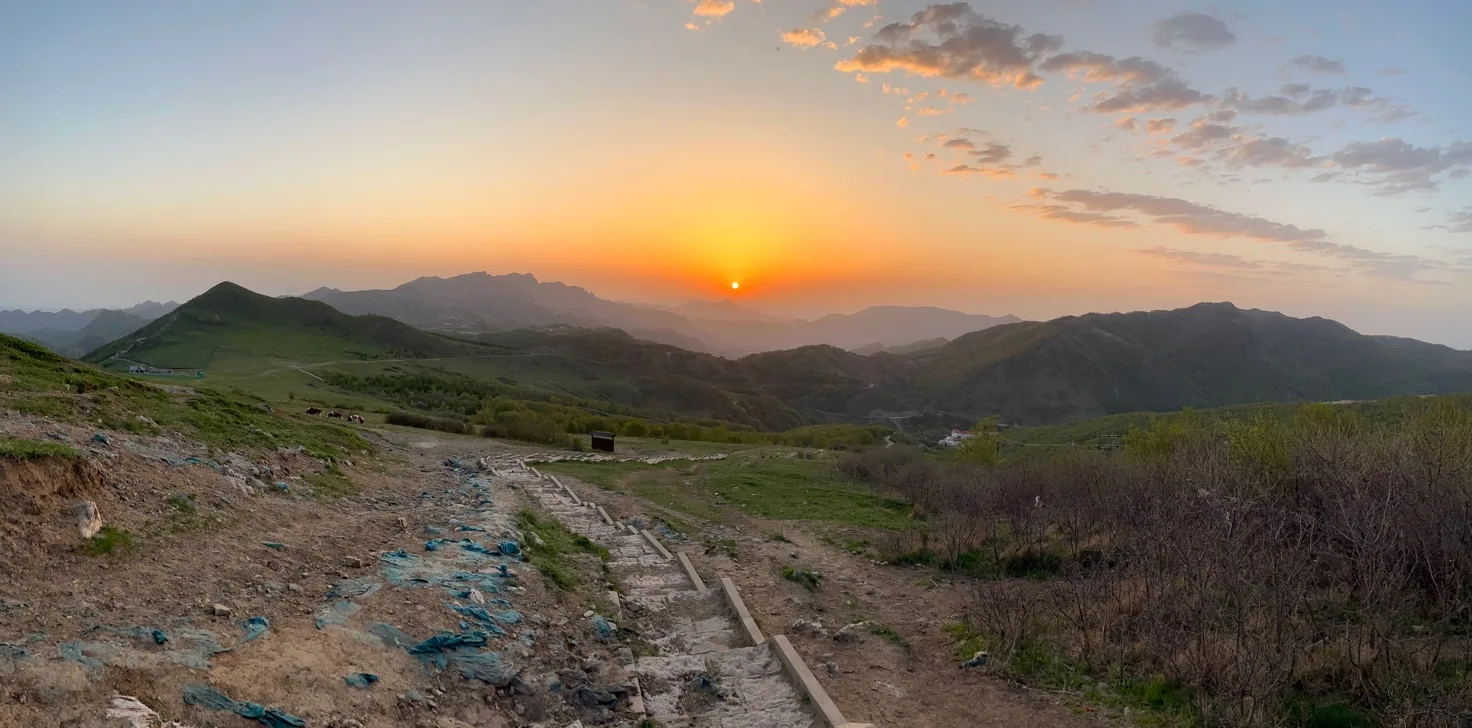
The next morning, we split to two groups. For the adventurous, a climb up towards Lingshan peak for higher altitude species. For the more laidback, a relaxing casual birding along the roadside (or a sleep-in!). For the climb, it started with a predawn hike and along the way, we enjoyed spectacular views of the hills around Lingshan at sunrise. Some Meadow Buntings along the way helped to slow the ascend to catch our breaths too. Once we got into good forest, warblers were singing from every direction we faced but the main target would be Grey-sided Thrush and we found no fewer than half a dozen of these thrushes. There were males chasing each other, females following males and even a pair that were nest building in a thick short shrub. The rest of the morning was spent looking around for Qilian Bluetail though none were found. We did find Chinese Beautiful Rosefinch, Coal, Willow and Yellow-bellied Tits, Siberian Blue Robin, Dusky Thrush and Asian Stubtail.
The other group got better views of Beijing Babbler, Yellow-throated and Black-faced Buntings, Chinese Beautiful Rosefinch, Siberian Blue Robin, Green-backed Flycatcher, Hill Pigeon, and Long-tailed Minivet which was new for the tour. Once re-joined we made our way downhill to downtown Beijing for a short excursion to Xihai Park where the news of a Baer’s Pochard in the lake provided us with an impetus to twitch for it. We added some common species such as Common Cuckoo, Common Swift, Great Cormorant and Azure-winged Magpie along with lots of Mallard, Common Moorhen and Little Grebe though sadly, no Baer’s Pochard. Next was a domestic flight to the northeast, reaching the city of Ulanhot on the eastern edge of the province of Inner Mongolia to spend the night, our first of three provinces in three days.
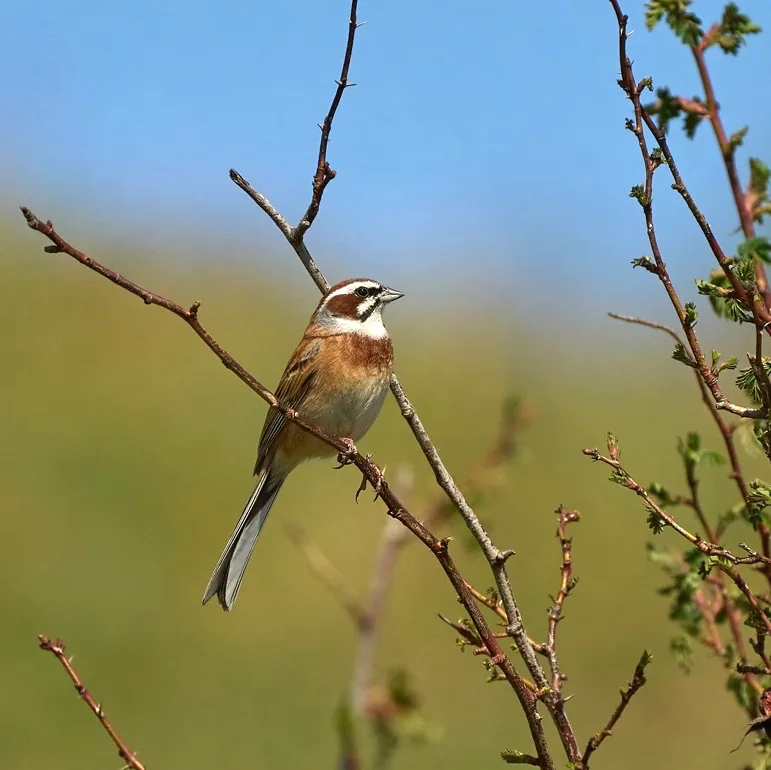
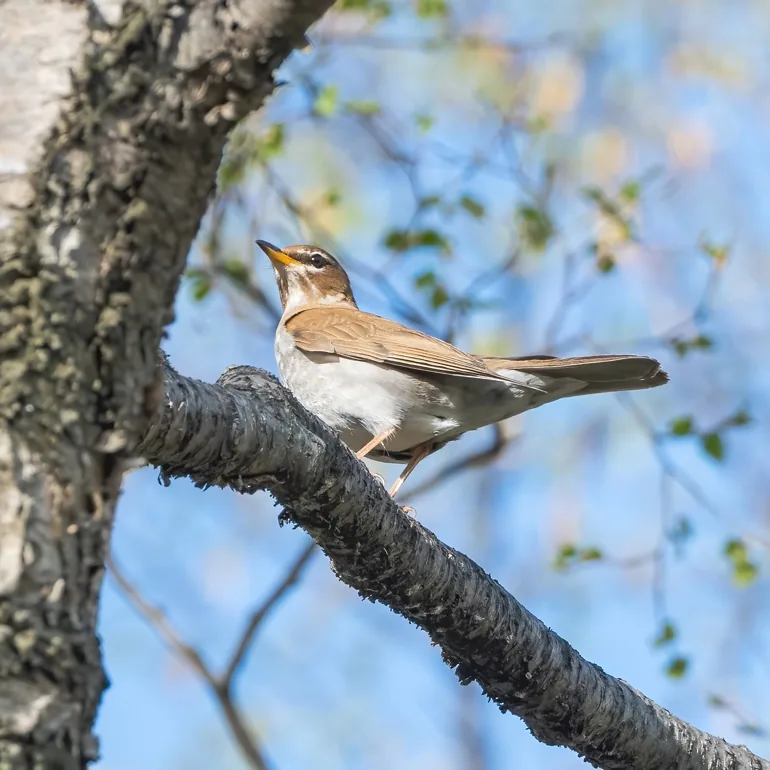
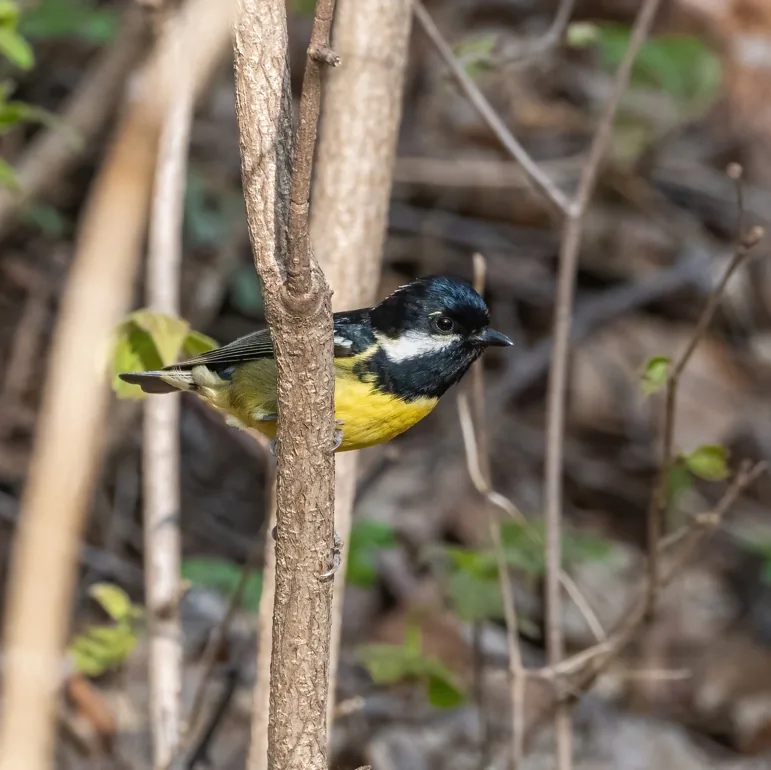
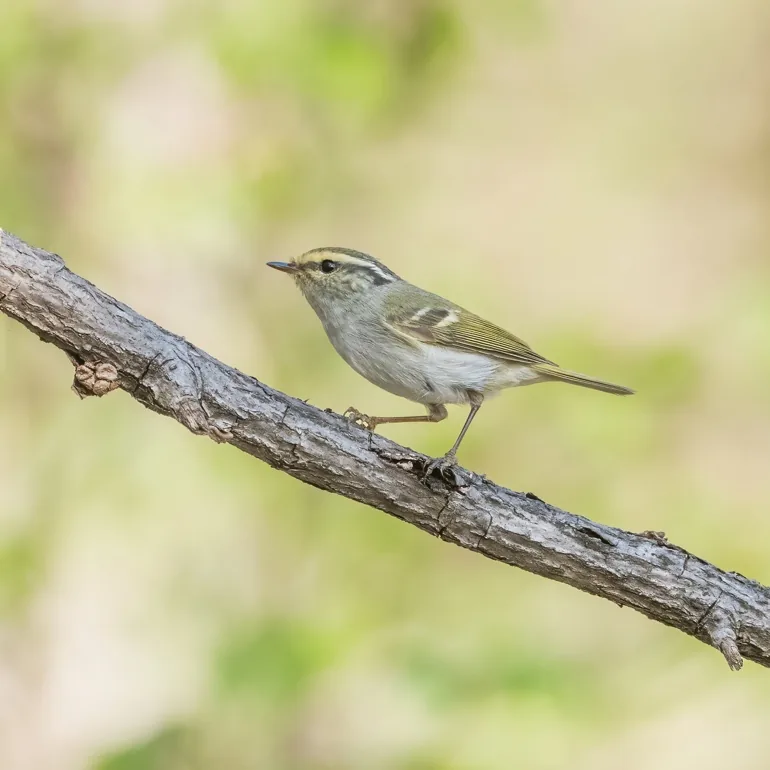
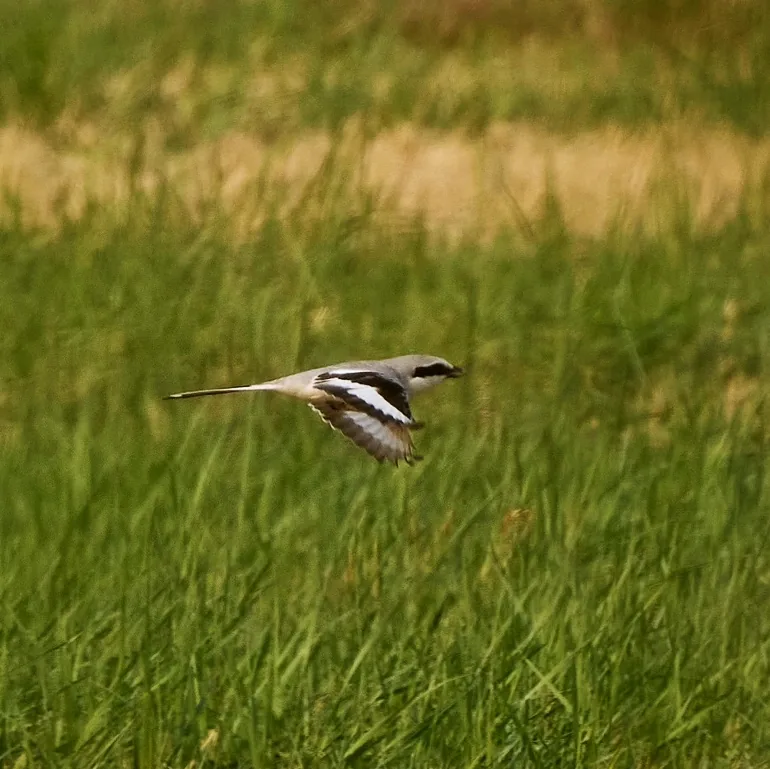
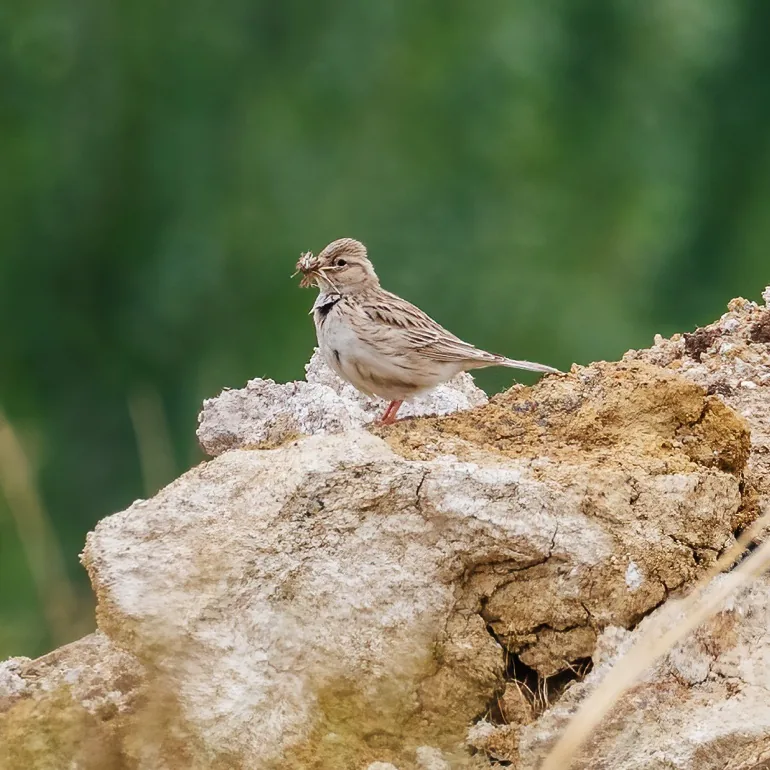
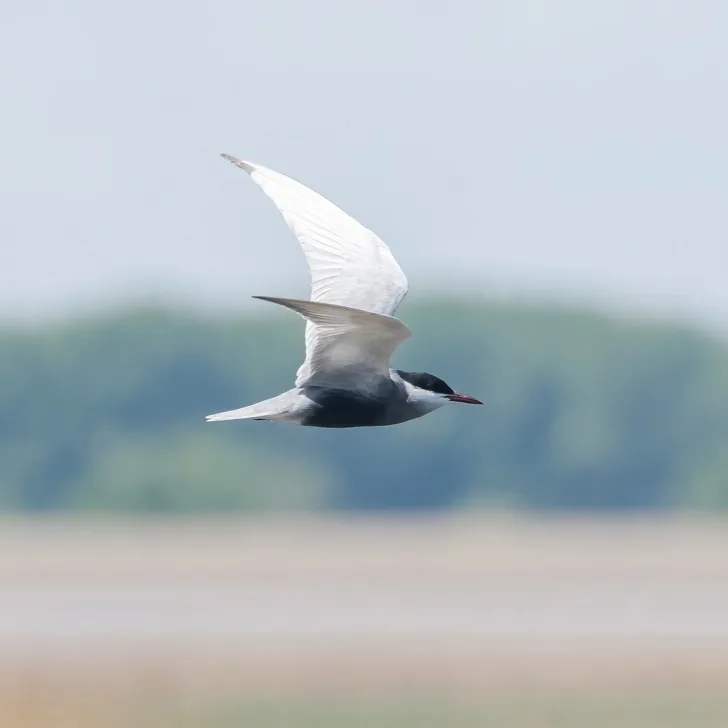
Sunrise was at 04:00am at this latitude but due to restrictions placed on Chinese tour buses, we weren’t allowed to move till an hour later, though not many were complaining after yesterday’s late arrival to our relatively swanky hotel in Ulanhot. There was a noticeable change in the landscape in this part of China with grasslands with short sparse trees replacing deciduous forest and pine trees. Here lies one of China’s most threatened species – the Endangered Jankowski’s Bunting clinging on to whatever habitat that’s left and once we got to a known site, we found them rather easily with several pairs in the area. The day couldn’t start any better when you’re watching a male Jankowski’s Bunting singing from the top of an apricot tree, first thing in the morning! We would have long satisfying views of both male and female throughout the morning. Meadow Buntings were in the area too, for those who didn’t hike up Lingshan the previous day. Dusky Warbler uttering its distinctive call as it skulked in the low shrubs, while up in the air were Eurasian Sparrowhawk, Oriental Honey Buzzard and Upland Buzzard along with the common birds in this part of China namely Daurian Jackdaw, Rook, Common Cuckoo, Eurasian Collared Dove and Brown Shrikes just about every direction we faced. Finally, a few Chinese Penduline-tit delayed us from leaving the area for another ten minutes or so. Moving to a nearby site, we scanned the meadows for Asian Short- toed Lark and found a nesting bird, holding food in its mouth and saw a few pika-like Daurian Ground Squirrels. Trees nearby held Great Spotted Woodpecker, Eyebrowed Thrush, Taiga Flycatcher, Oriental Greenfinch, and some migrating warblers – Yellow-browed, Arctic and Pallas’s Leaf. Before lunch, a short stop scanning the open country had swooping Amur Falcons and a Northern Wheater in the distance perched on wires. Next was a drive east into Jilin province, making our way towards Zhenlai County. Along the way, we made a few stops whenever the opportunity arises. Best of which were two birds perched on electrical wires, requiring the bus to come to a sudden halt. These were the uncommon Chinese Grey Shrike and a lovely female Amur Falcon. Other birds were a Eurasian Curlew in the fields afar and at a little pond there was a selection of waterbirds - Common Shelduck, Gadwall, Northern Shoveler, Common Pochard, Tufted Duck, Little and Black-necked Grebes, Black-winged Stilt and a sizable flock of White- winged Terns. At the end of the day, we got to Zhenlai County and checked in to our hotel for a short night’s rest.
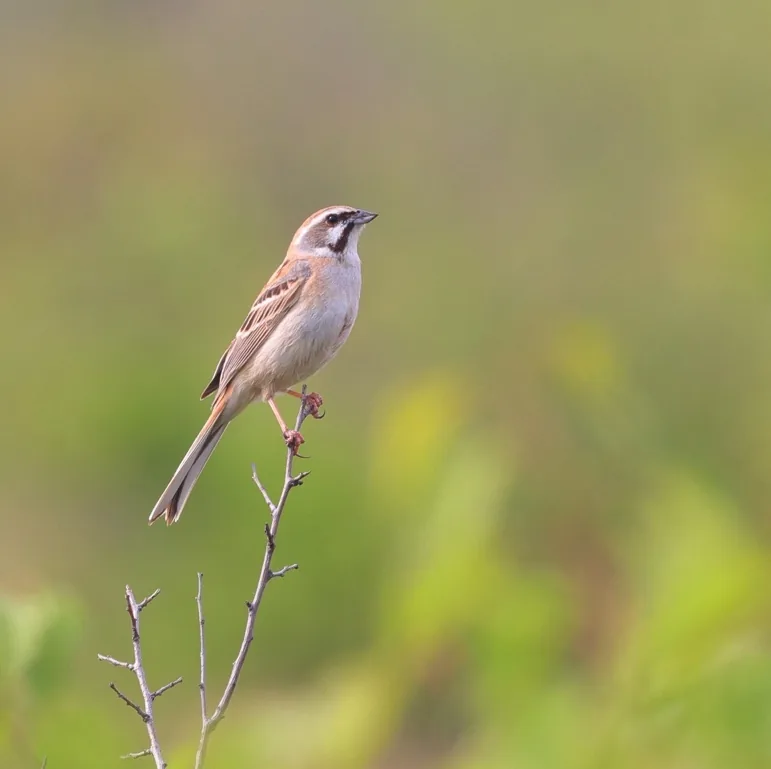
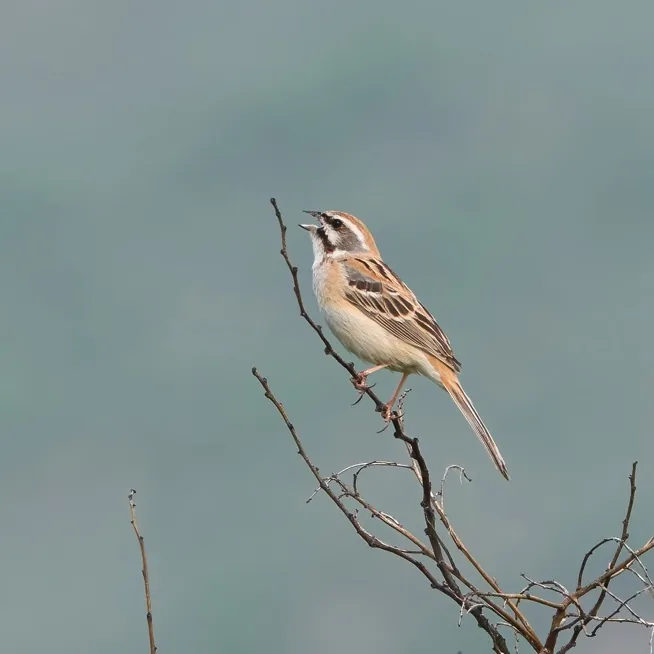
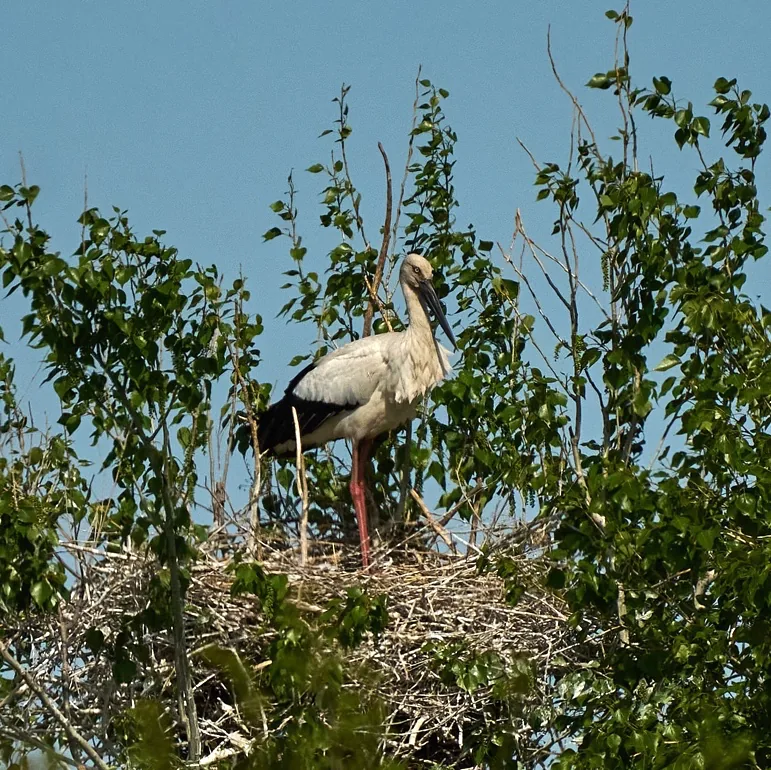
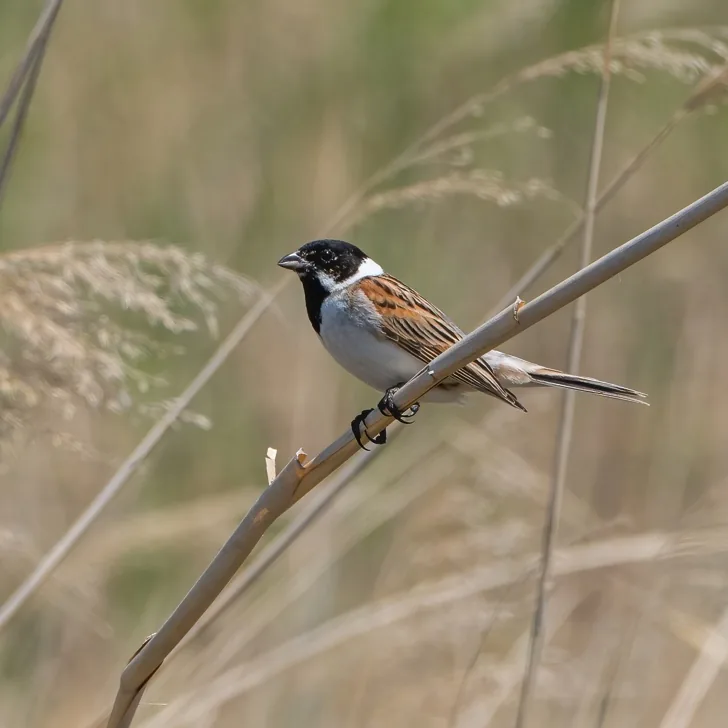
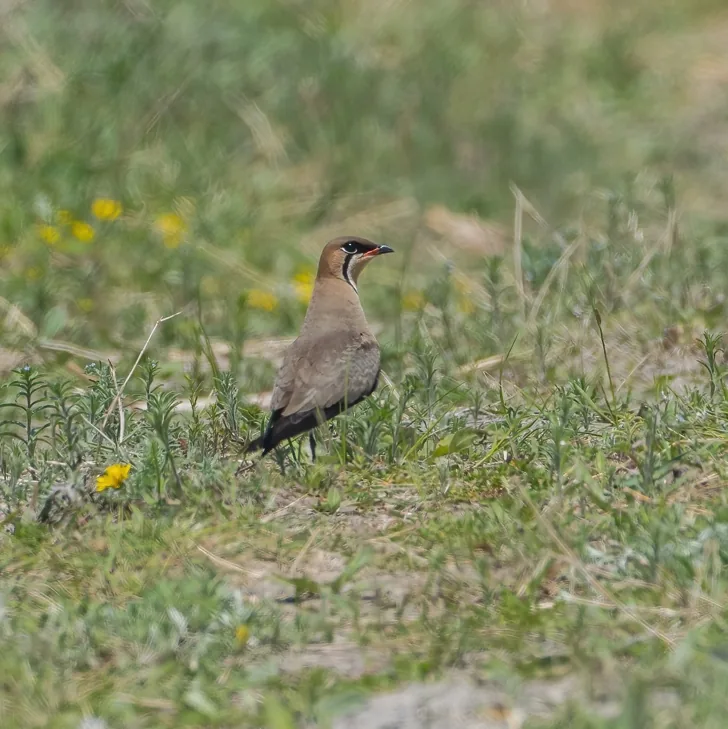
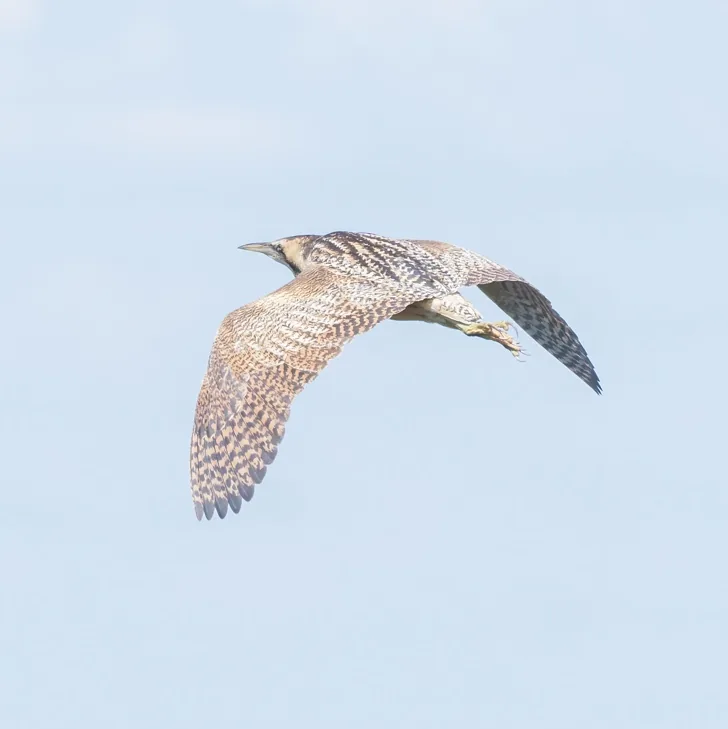
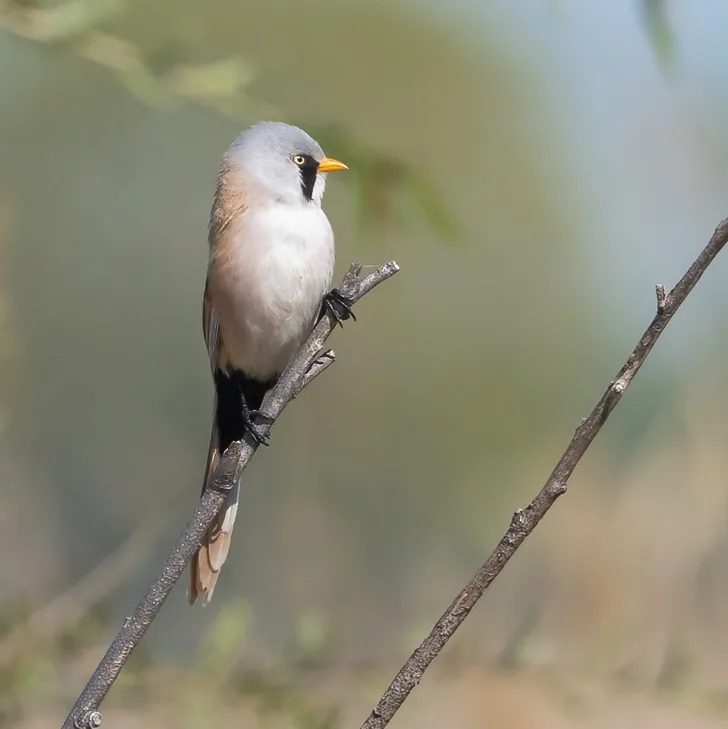
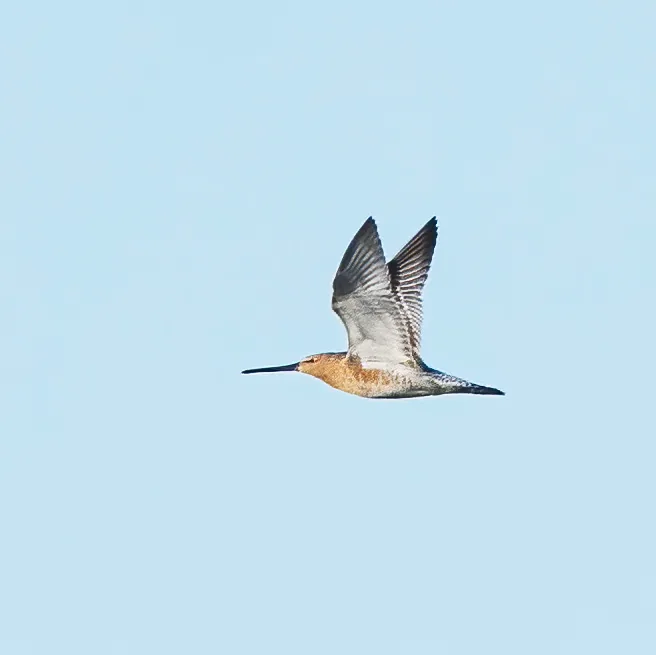
Zhenlai is on the outskirts of Momoge National Nature Reserve, protecting marshes and reed beds that are under threat of development at present. Though access inside the reserve is restricted, we concentrated our time and effort in the surrounding marshes. The first site was rather memorable. As soon as we got out of the bus, hundreds of White-winged and Whiskered Terns were flying around us, almost ‘floating’ in the breezy winds and so smart-looking in their breeding plumages made for a pleasing scenic morning. Add to this were Eurasian Sand Martin numbering in the high hundreds, a faraway Oriental Stork nest building on top of an electrical pylon, Greylag Goose, macronyx Eastern Yellow Wagtail and several male Ochre-rumped Buntings. A few other similar sites held a lone Caspian Tern, Eurasian Bittern, Bearded Reedling, Black- browed Reed Warbler, Common Reed Bunting, Oriental Pratincole and Chinese Penduline-tit. After lunch, we made our way north to Zhalong National Nature Reserve in Heilongjiang province (our final province of the tour). On our way there, there were more Oriental Storks nesting on the towering electrical pylons. Just before reaching the entrance of the reserve, Elan’s sharp eyes spotted a pair of Red-crowned Cranes in the distance and as we got down of the bus, the marshes were before us with the brilliant setting sun behind our backs. Pairs of Asian Dowitchers were observed, noticed firstly by Chris who saw them in flight, though they took some time to get a hold off as they disappeared in the grass once they landed. Pacific Golden Plover, Marsh Sandpiper, a pair of Swan Geese flying in the distance, Northern Lapwing and a male Common Pheasant brilliantly lit by the sun were the last birds seen before we went into the reserve to check-in to our accommodations.
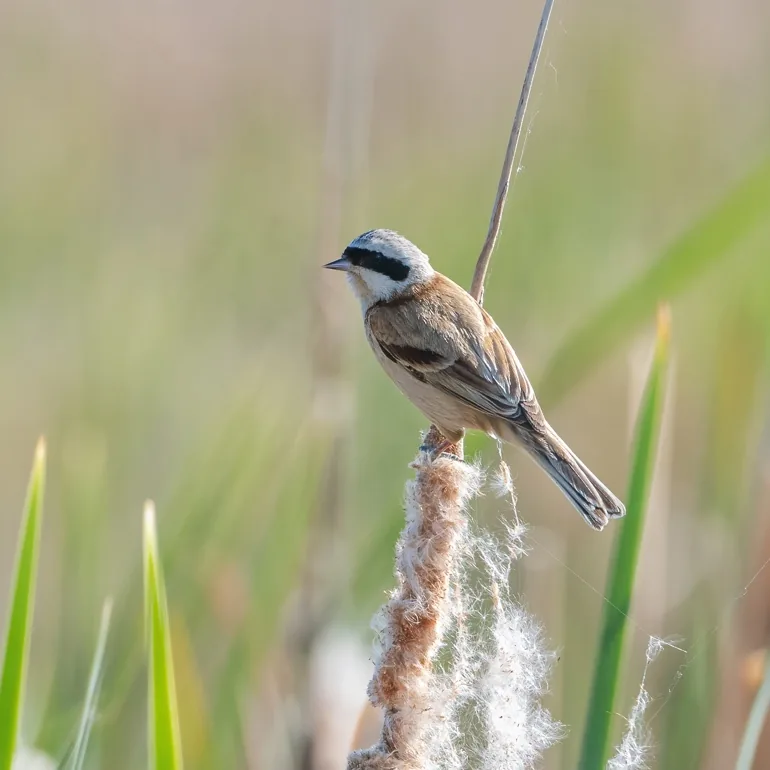
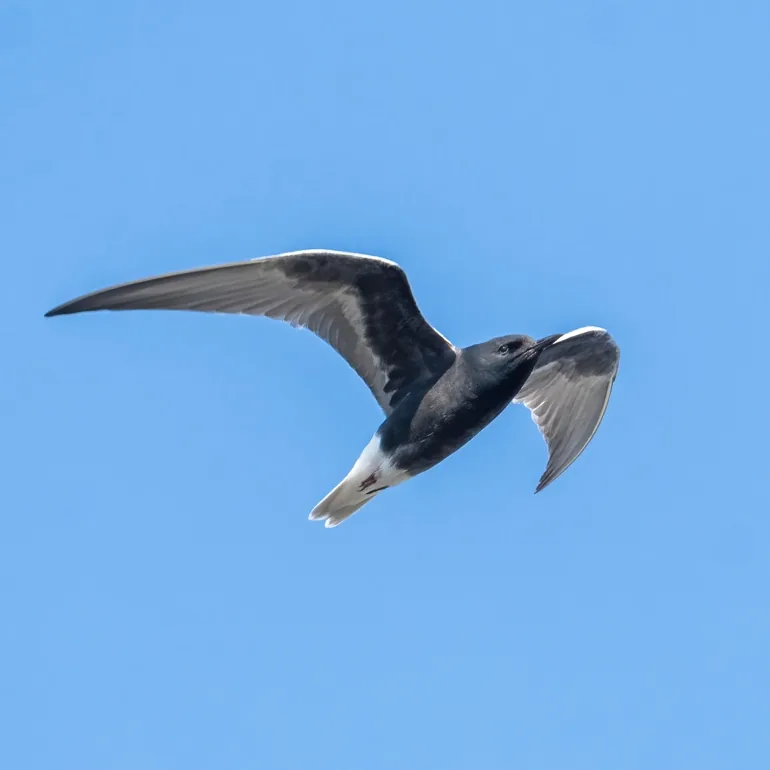
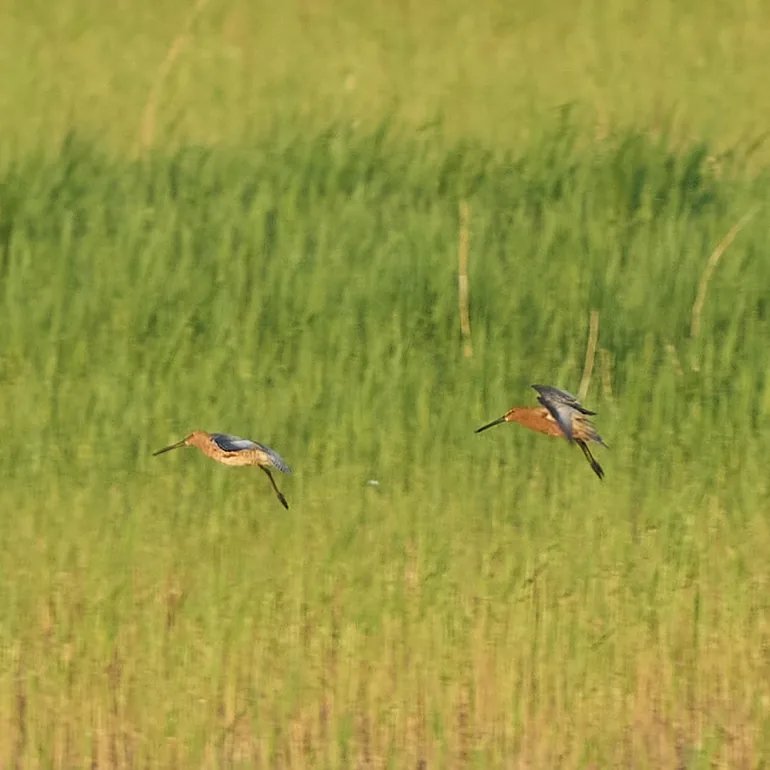
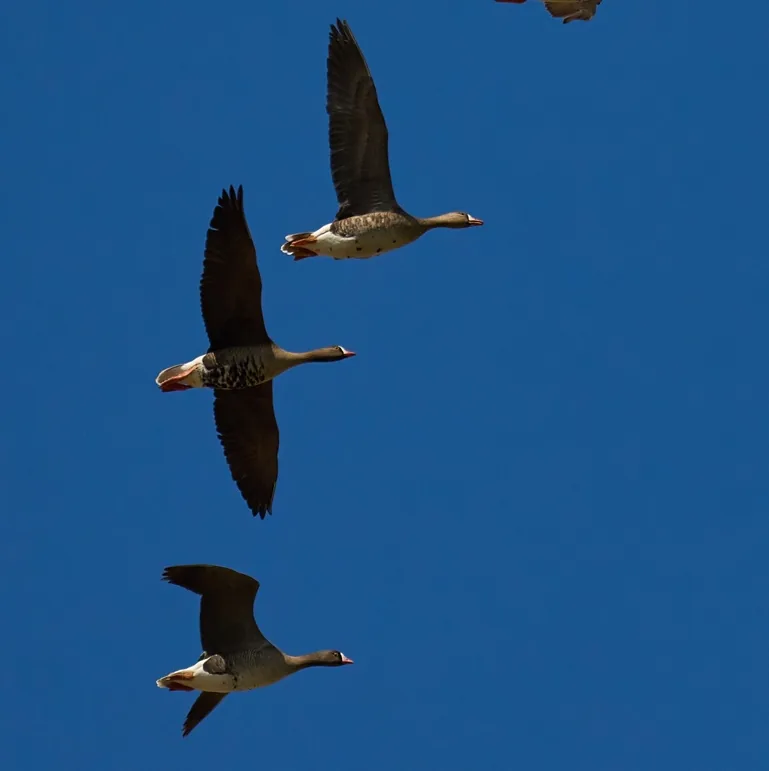
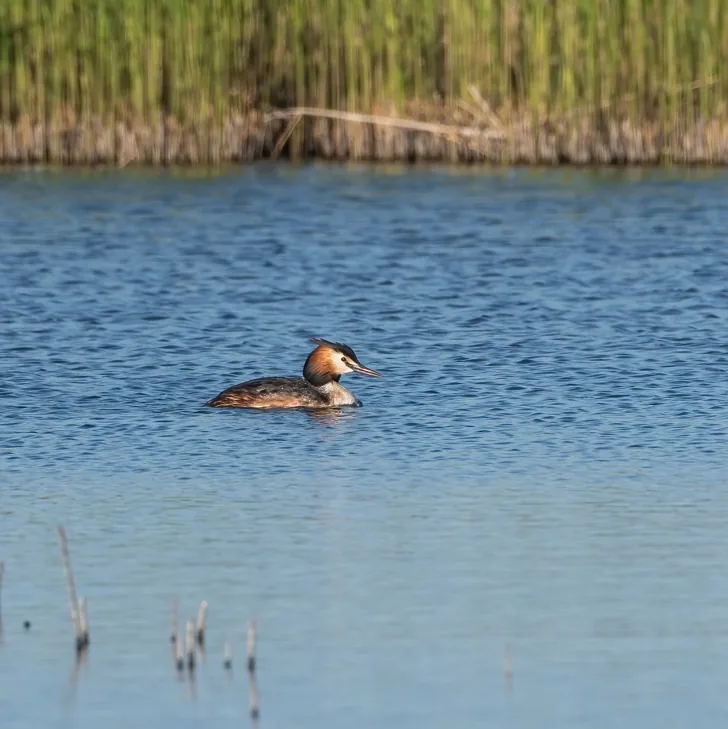
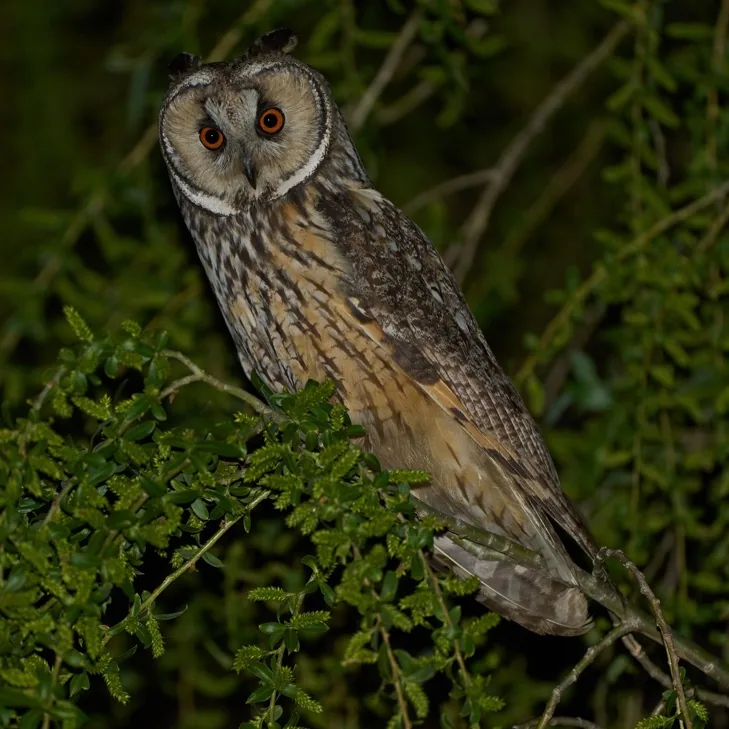
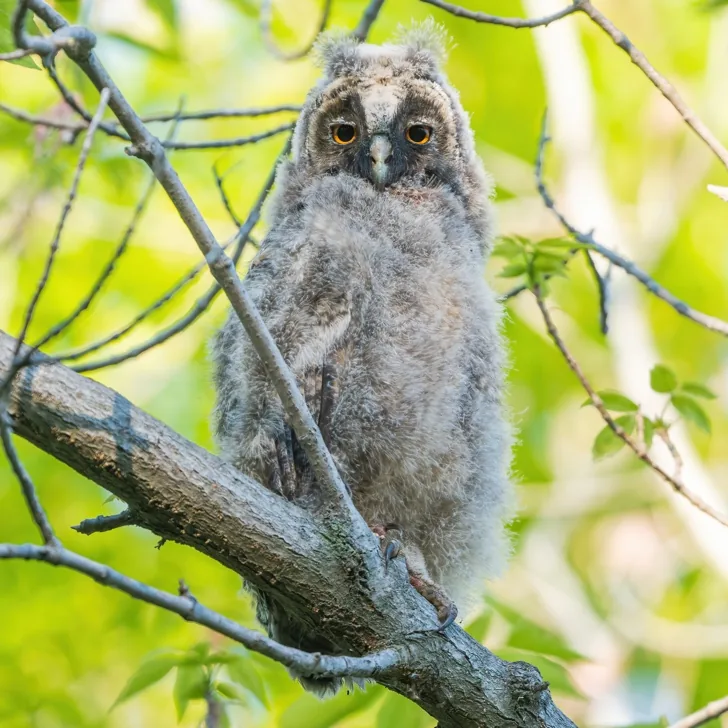
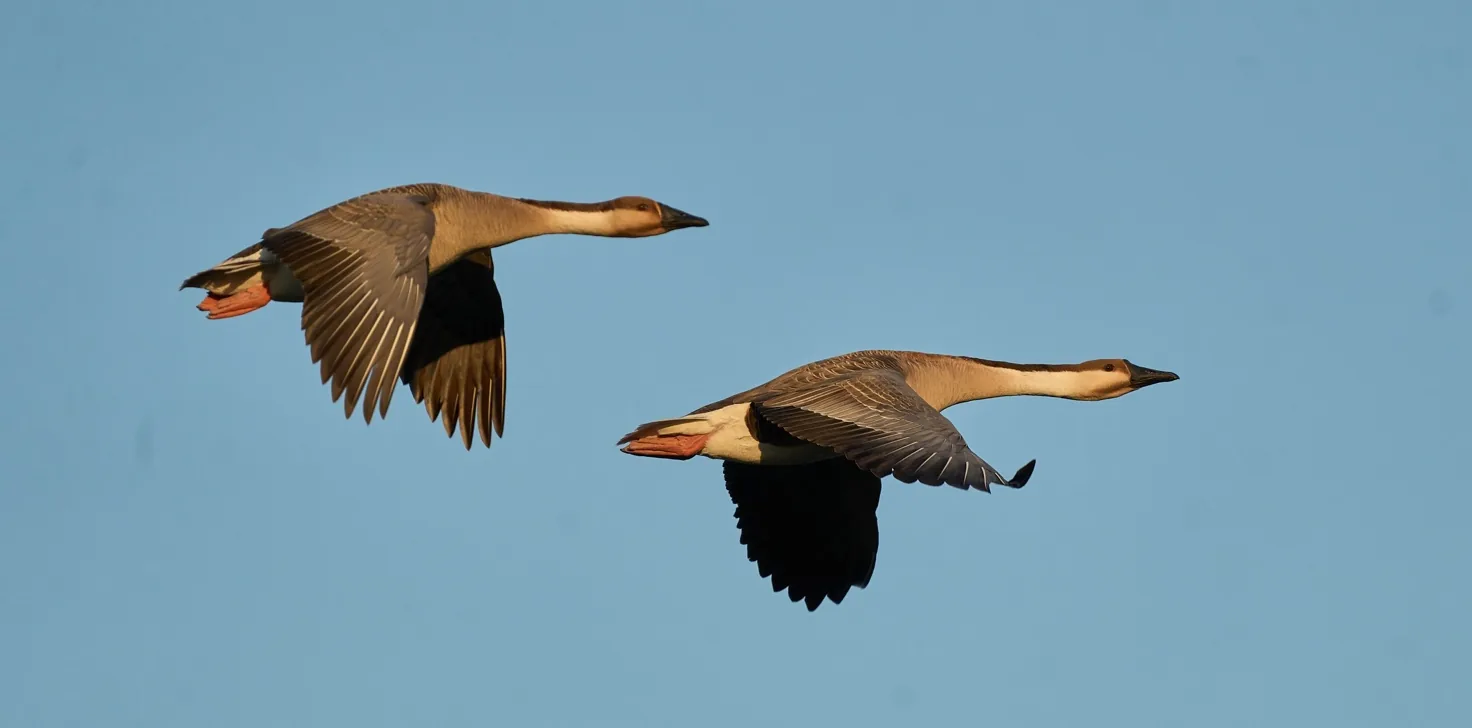
Our final morning placed us right inside Zhalong National Nature Reserve, its marshes and grasslands provide a sanctuary for the stunning Red-crowned Cranes that are captive bred here. The habitat also protects other species that are interesting to birders and that's where we started looking. Right off the bat were three Long-eared Owl chicks that Rob found the night before thanks to his many solo forays then three Swan Geese roosting by the side of a pond near the hotel. We would see more of them later including a pair sandwiching a bunch of goslings as they swam in the main lake. Red-crowned Cranes were scattered around the reserve and we observed these stately birds walking around the grasslands, some with cute brown chicks shadowing their parents as they moved about in the marshes. Equally elegant White-naped Cranes were also seen though in lesser numbers. Some reeds held Black-browed and Oriental Reed Warblers (but not the hoped-for Manchurian Reed Warbler), the smart Bearded Reedling as well as Reed Parrotbill which we thoroughly enjoyed once more since our last sighting near Shanghai two weeks ago. As we exited the reedy bits, a large flock of geese overhead turned out to be Greater and Lesser White-fronted Geese with the rarer, latter species numbering at more than 60 birds! White- cheeked Starling, Yellow-rumped Flycatcher, Mongolian and Black-headed Gulls, Eastern Marsh and Pied Harriers, Great- crested Grebe, Amur Stonechat and large numbers of White-winged Tern, Grey and Purple Herons, Eurasian Spoonbill and multiple species of ducks were a sight to behold. After the morning's done, we checked out and spent some time in the nearby Heminghu wetlands. Seeing much of the same species, the highlight for those brave souls (aka Chris and Rob) who ventured onto an abandoned and rickety boardwalk would definitely be Baer's Pochard swimming in a pool next to the more numerous Common and Ferruginous Pochards. Not long after, strong winds began to blow our way bringing rain with it, signalling the end of our tour in China so it was time to leave for the airport in Qiqihar. As they say, timing is everything! Reaching late into Beijing, we would stay the night before our international departures the next day and thus ends an iconic and memorable East China tour.
Bird-of-the-trip
1. Reeve’s Pheasant 2. White-eared Night Heron 3. Cabot’s Tragopan 4. Jankowski’s Bunting 5. Elliot’s Pheasant
More photos from the tour
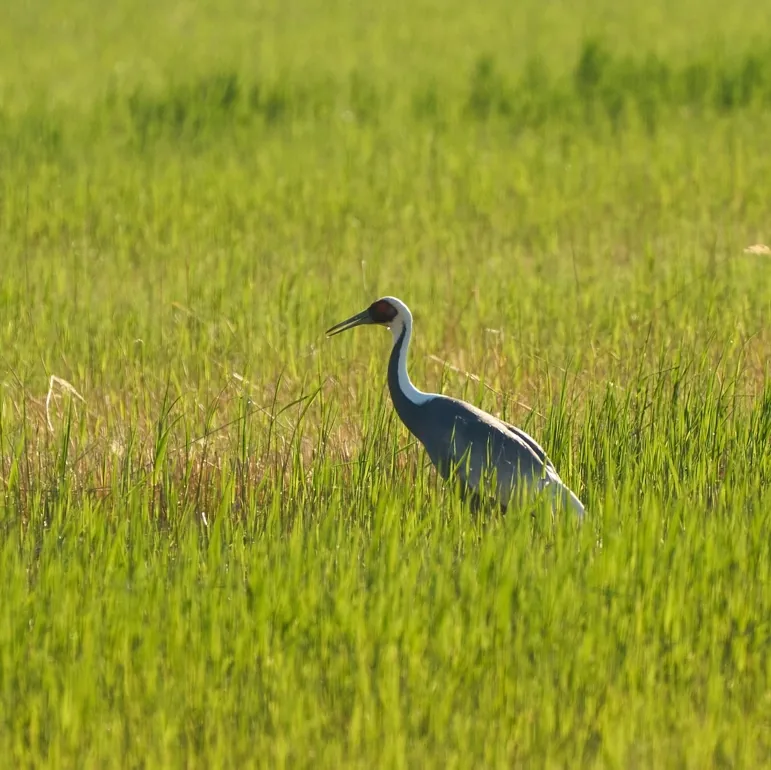
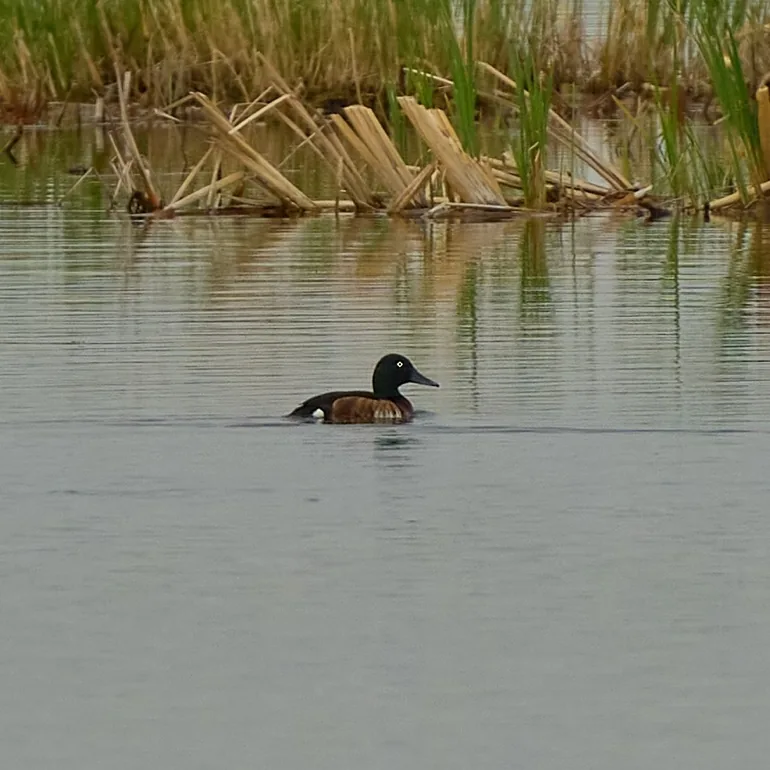
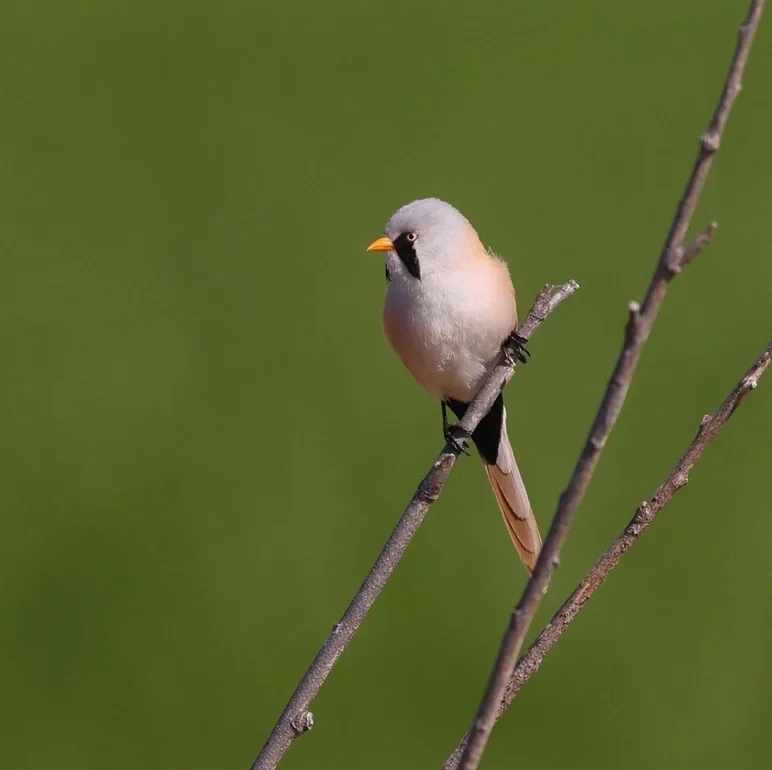
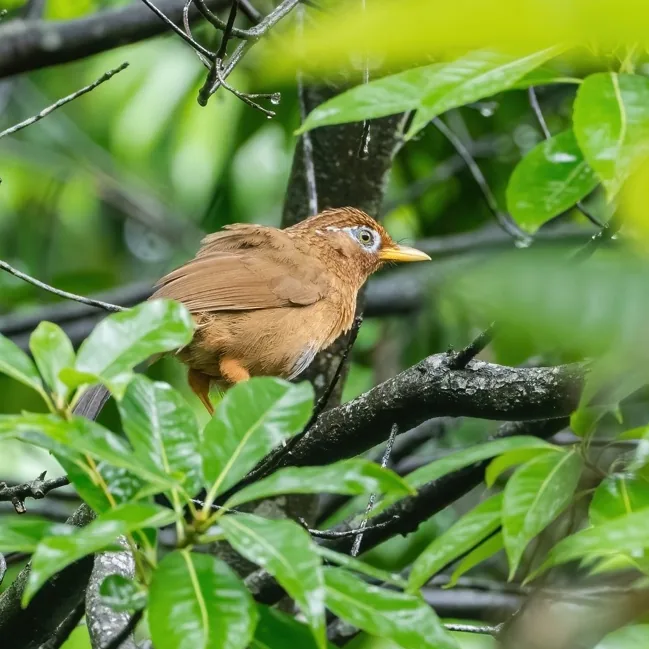
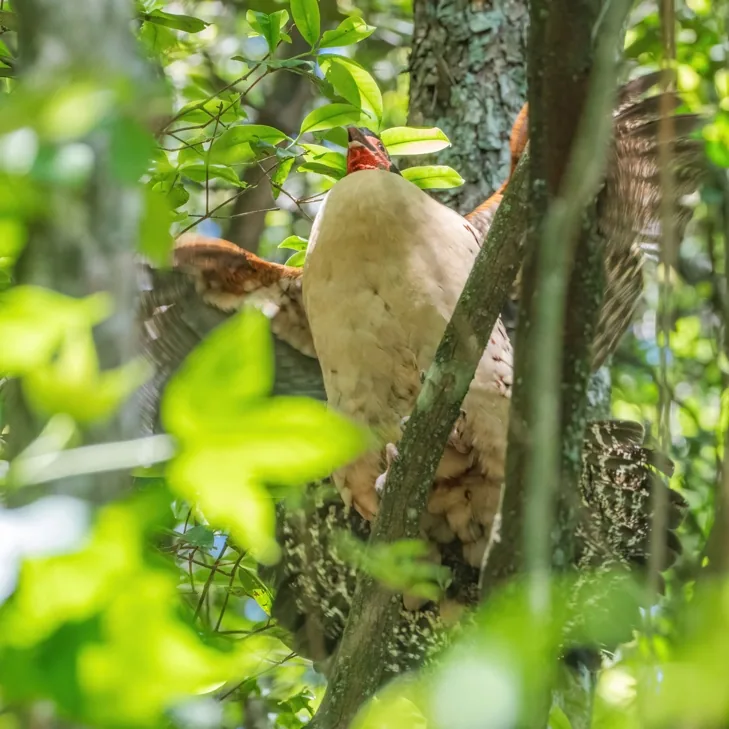
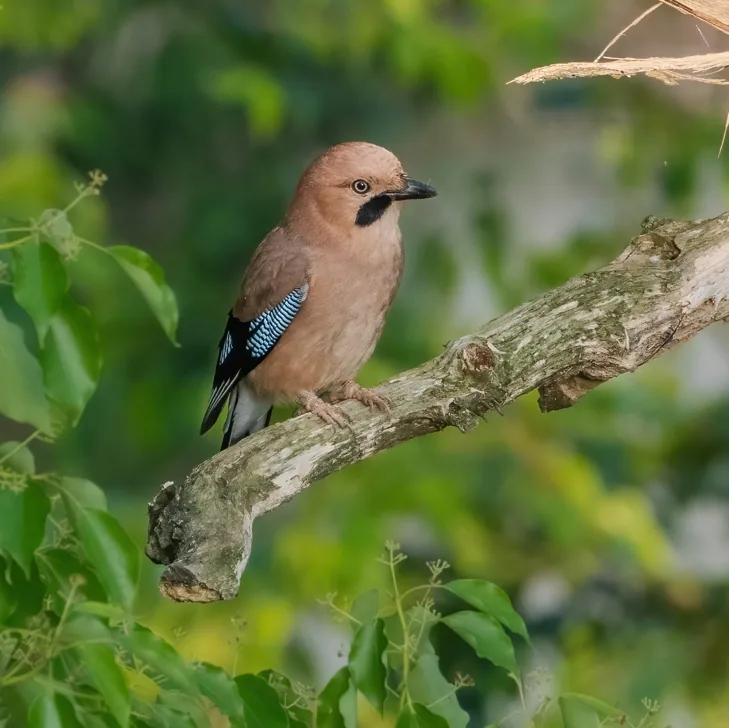
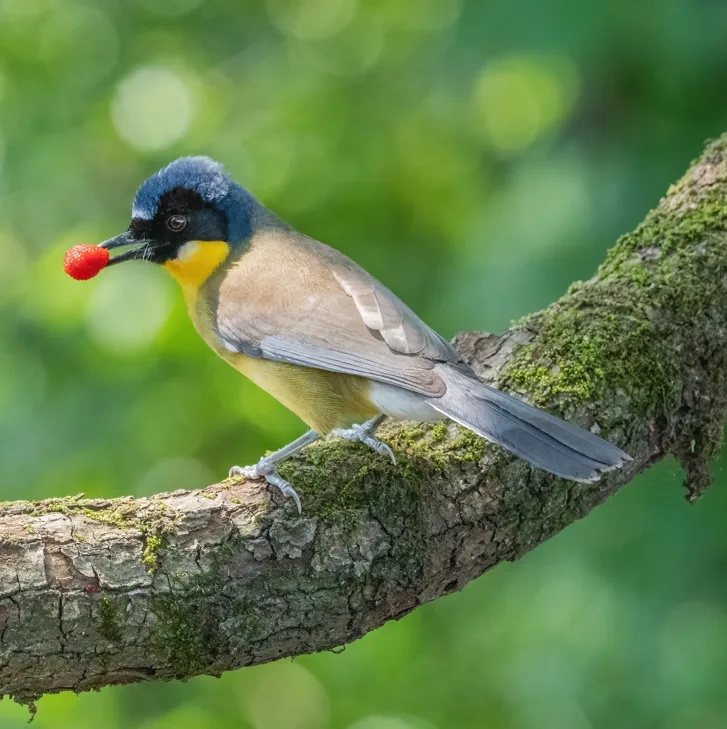
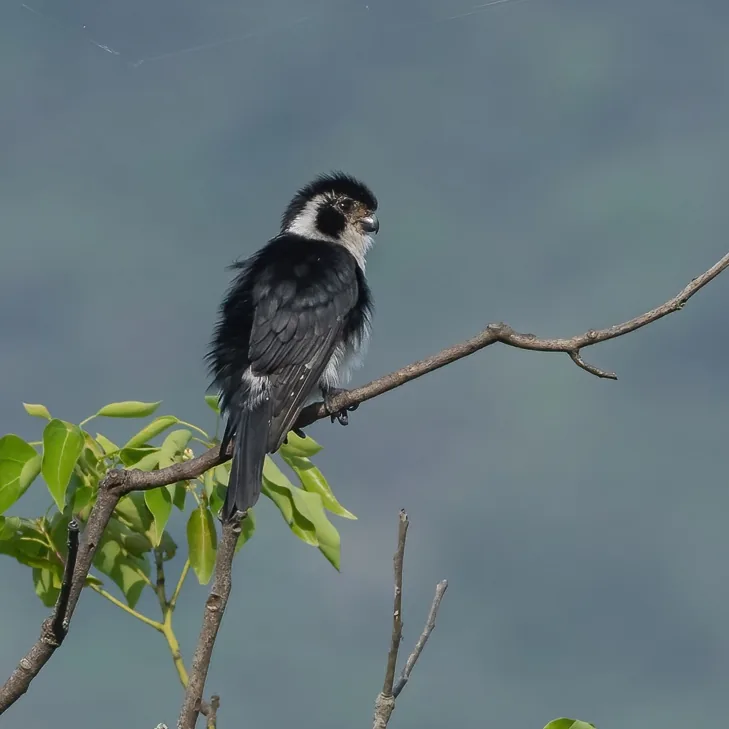
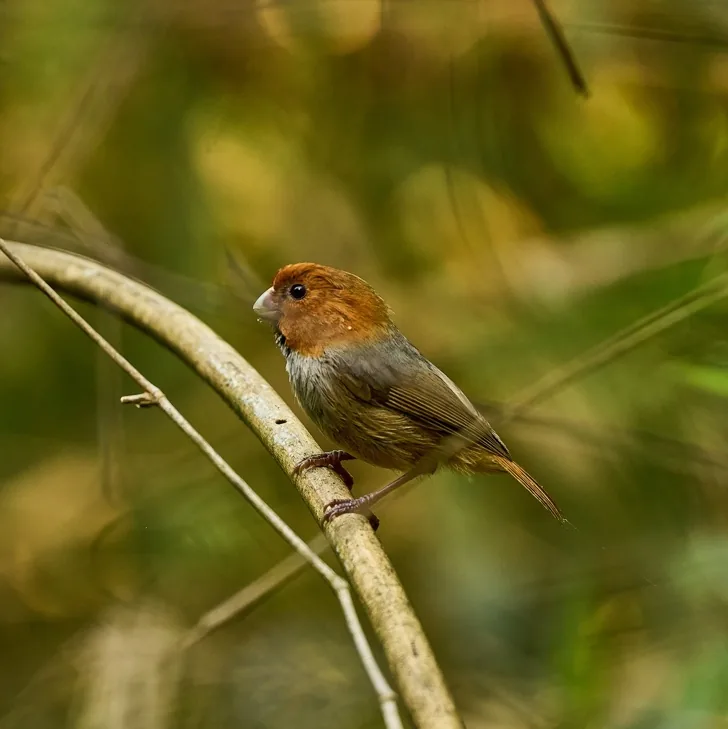
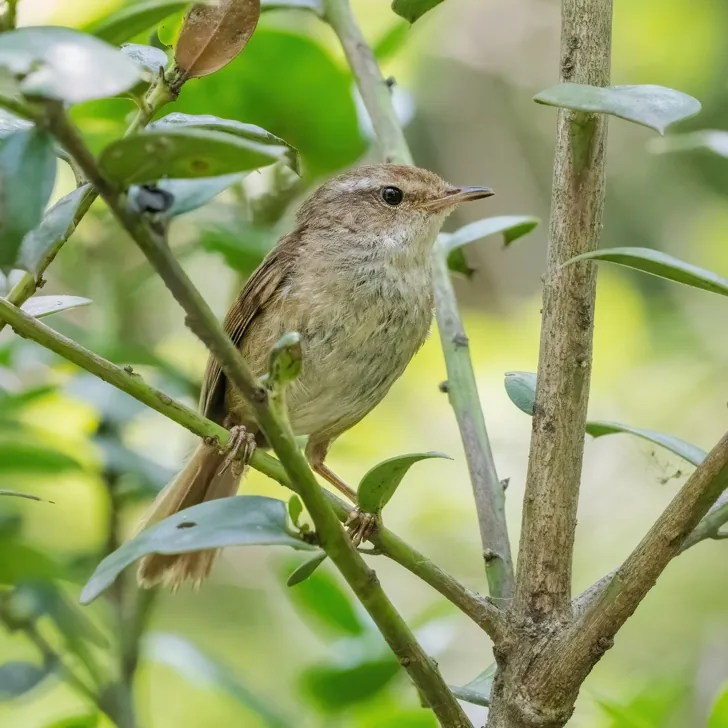
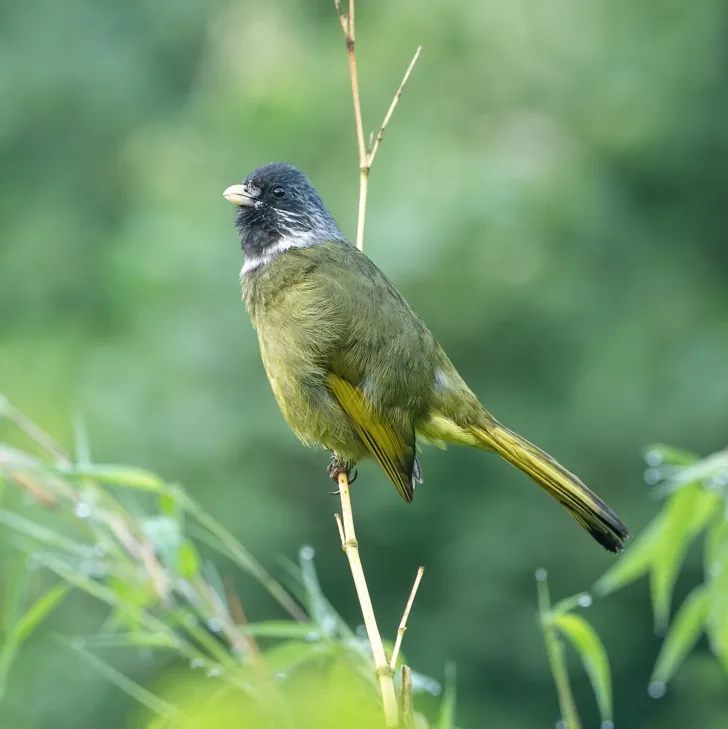
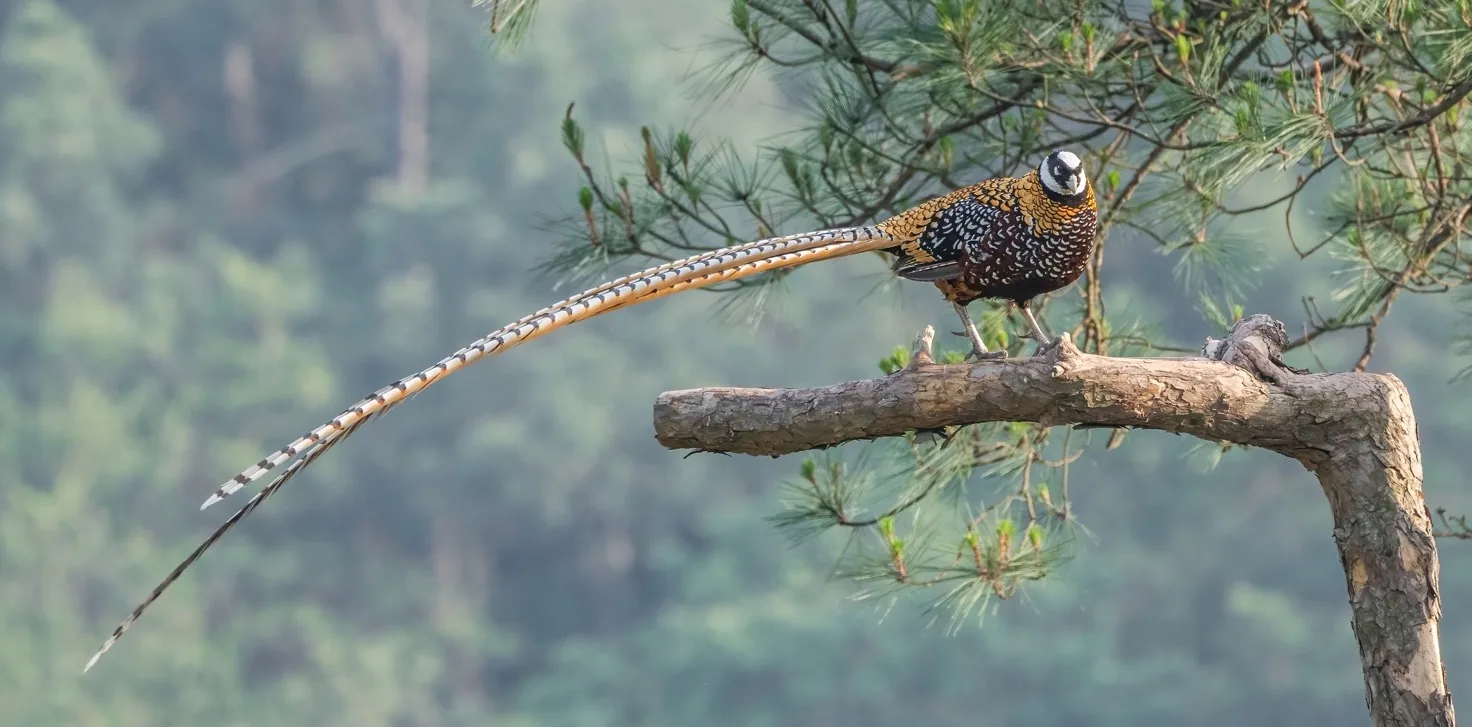
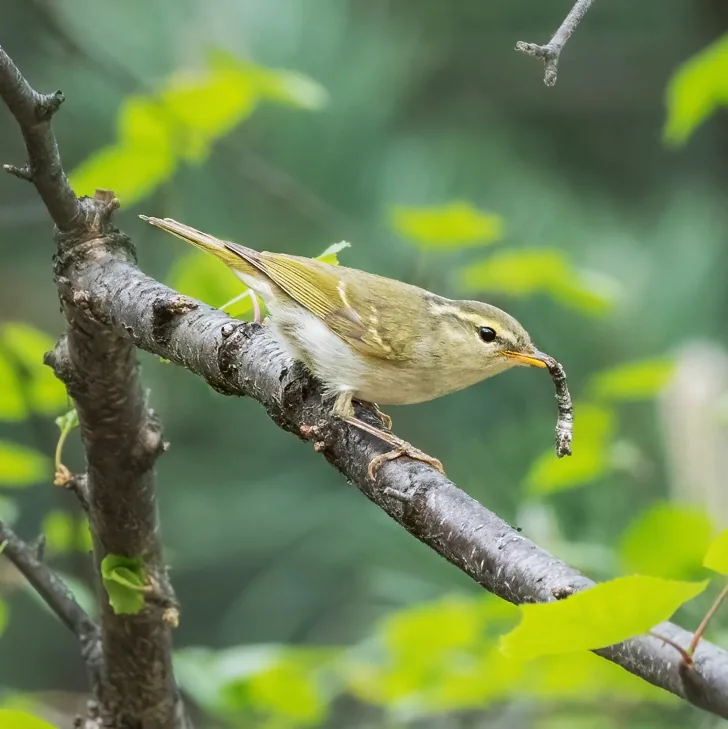
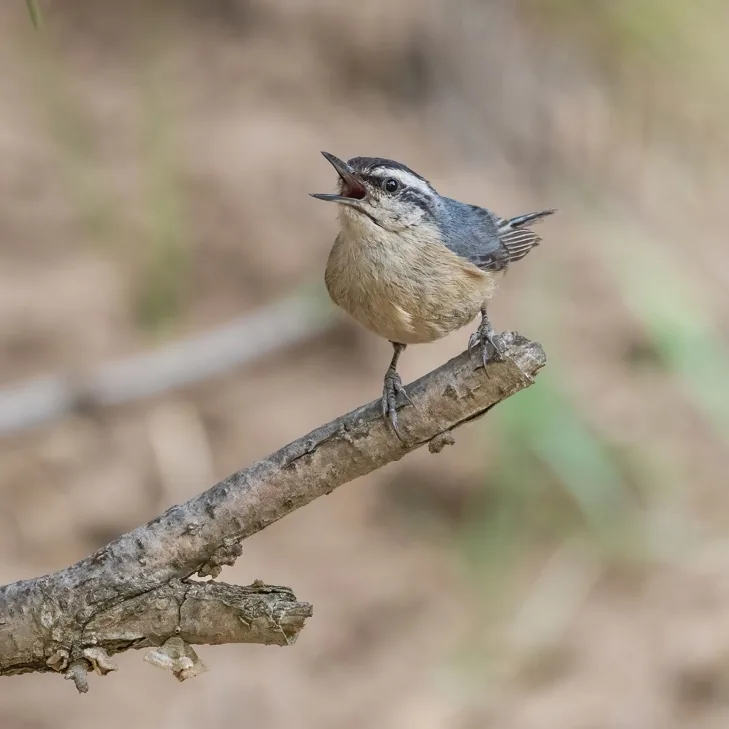
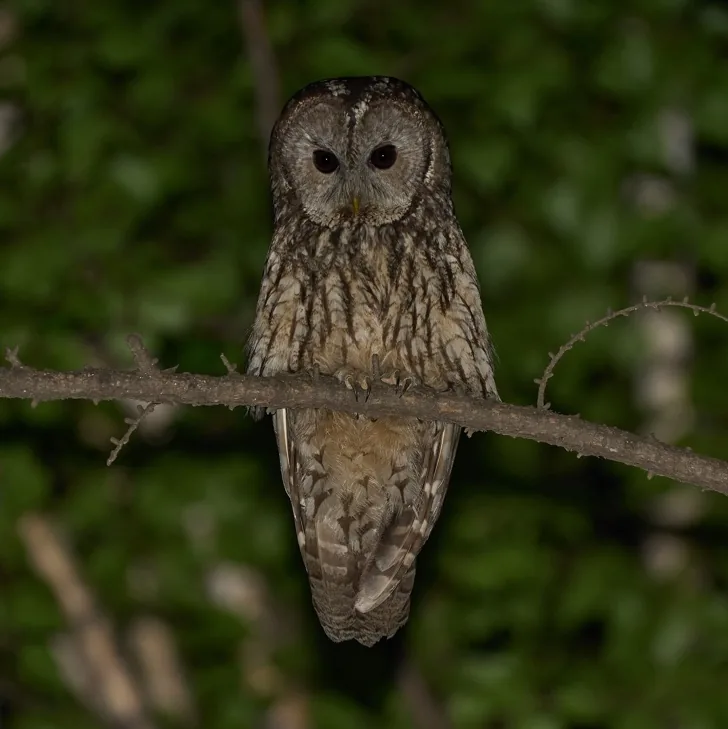
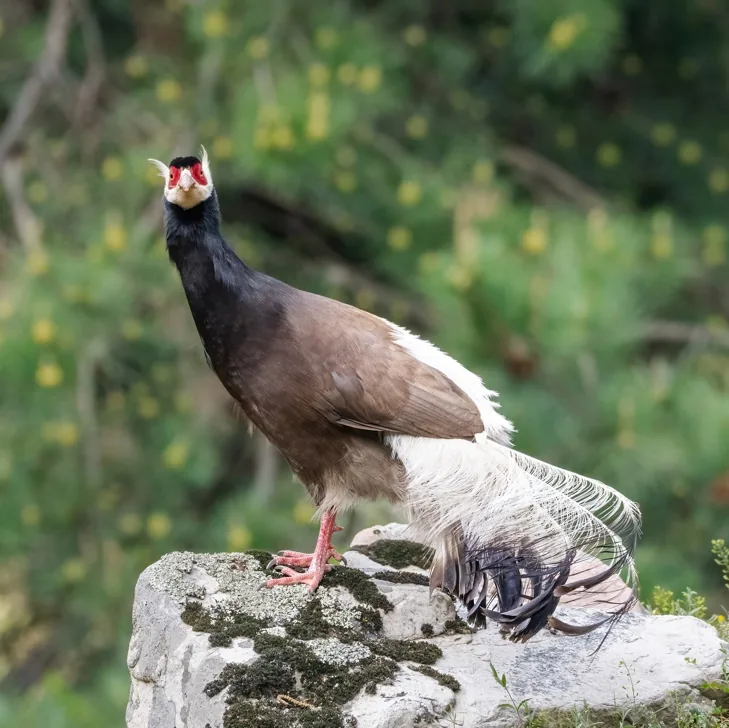
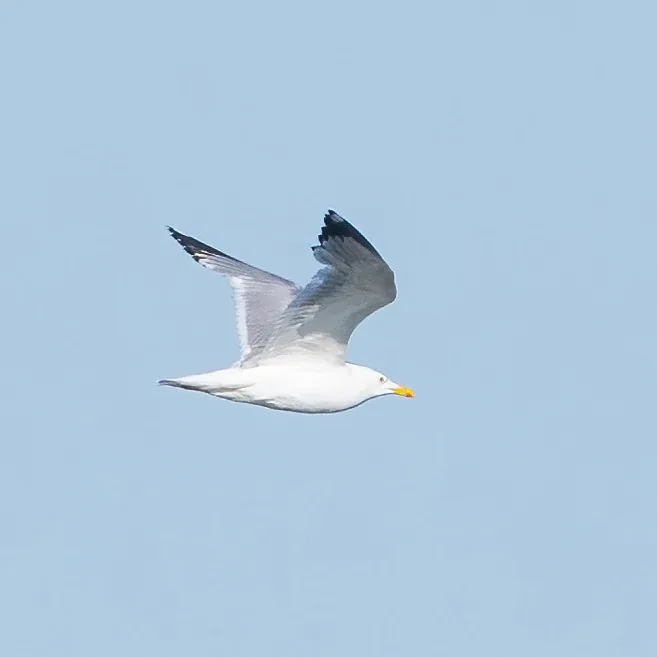
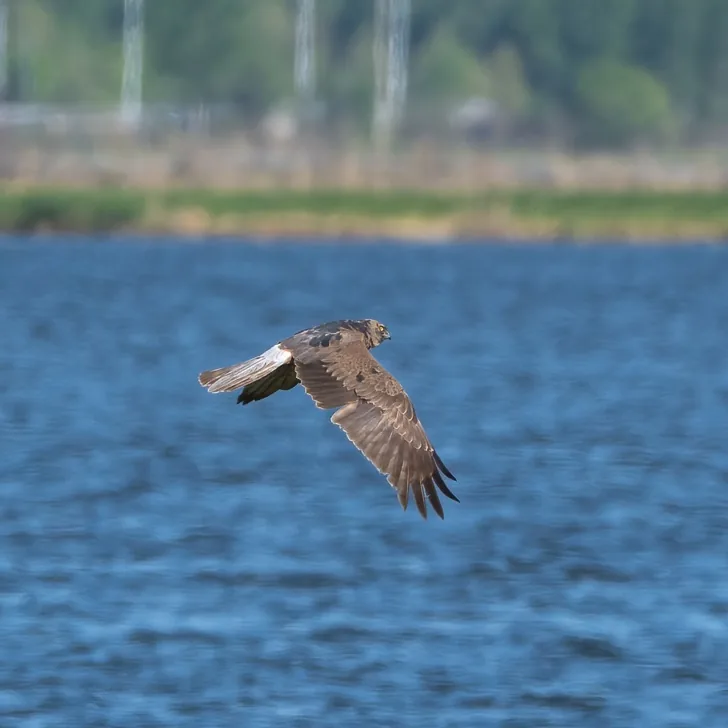
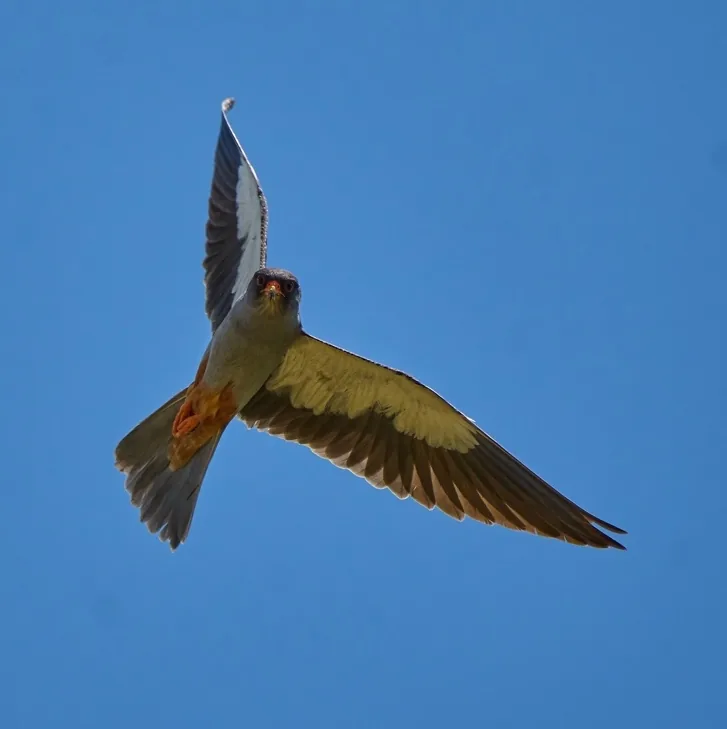
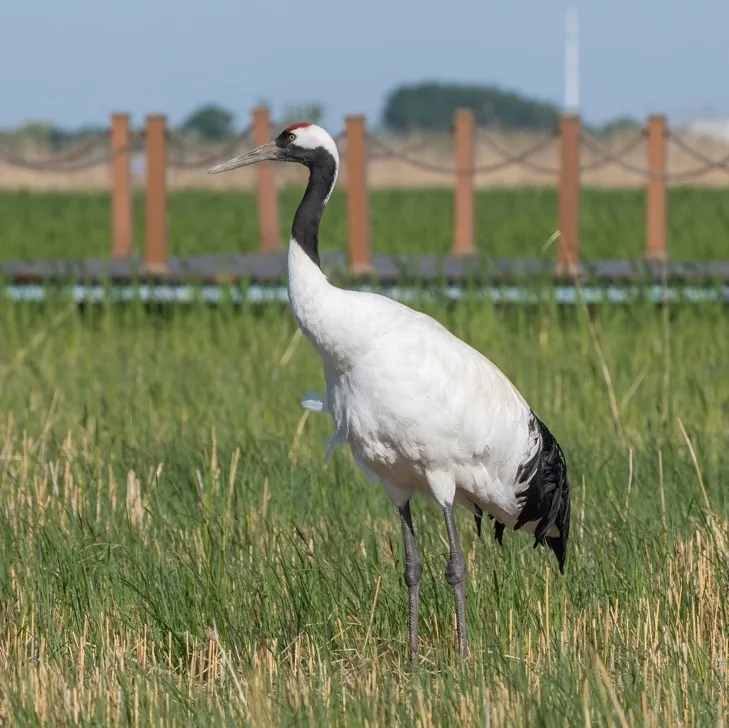

Systematic List
| ANSERIFORMES: Anatidae | |
|---|---|
| Swan Goose | Anser cygnoides |
| Greylag Goose | Anser anser rubrirostris |
| Greater White-fronted Geese | Anser albifrons albifrons |
| Lesser White-fronted Geese | Anser erythropus |
| Common Shelduck | Tadorna tadorna |
| Mandarin Duck | Aix galericulata |
| Gadwall | Anas strepera |
| Eurasian Teal | Anas crecca |
| Mallard | Anas platyrhynchos |
| Chinese / Eastern Spot-bill Duck | Anas poecilorhyncha |
| Garganey | Querquedula querquedula |
| Northern Shoveler | Anas clypeata |
| Common Pochard | Aythya ferina |
| Ferruginous Pochard / Duck | Aythya nyroca |
| Baer's Pochard | Aythya baeri |
| Tufted Duck | Aythya fuligula |
| Scaly-sided Merganser | Mergus squamatus |
| GALLIFORMES: Phasianidae | |
| White-necklaced Partridge | Arborophila gingica |
| Chinese Bamboo Partridge | Bambusicola thoracicus |
| Cabot's Tragopan | Tragopan caboti |
| Silver Pheasant | Lophura nycthemera fokiensis |
| Elliot's Pheasant | Syrmaticus ellioti |
| Reeves's Pheasant | Syrmaticus reevesii |
| Common Pheasant | Phasianus colchicus karpowi Phasianus colchicus torquatus |
| Brown Eared Pheasant | Crossoptilon mantchuricum |
| PODICIPEDIFORMES: Podicipedidae | |
| Little Grebe | Tachybaptus ruficollis poggei |
| Great Crested Grebe | Podiceps cristatus cristatus |
| Black-necked Grebe | Podiceps nigricollis nigricollis |
| COLUMBIFORMES: Columbidae | |
| Hill Pigeon | Columba rupestris rupestris |
| Oriental Turtle Dove | Streptopelia orientalis orientalis |
| Red Collared Dove | Streptopelia tranquebarica |
| Eurasian Collared Dove | Streptopelia decaocto |
| Spotted Dove | Streptopelia chinensis chinensis |
| Barred Cuckoo Dove (heard only) | Macropygia unchall minor |
| Asian Emerald Dove | Chalcophaps indica |
| CUCULIFORMES: Cuculidae | |
| Chestnut-winged Cuckoo | Clamator coromandus |
| Large Hawk Cuckoo | Hierococcyx sparverioides |
| Indian Cuckoo | Cuculus micropterus micropterus |
| Common Cuckoo | Cuculus canorus |
| Himalayan Cuckoo | Cuculus saturatus |
| Asian Drongo Cuckoo | Surniculus lugubris barussarum |
| Asian Koel | Eudynamys scolopaceus chinensis |
| Greater Coucal (heard only) | Centropus sinensis sinensis |
| Lesser Coucal | Centropus bengalensis lignator |
| APODIFORMES: Apodidae | |
| Common Swift | Apus apus pekinensis |
| House Swift Apus [affinis] nipalensis | |
| CAPRIMULGIFORMES: Caprimulgidae | |
| Grey Nightjar (heard only) | Caprimulgus jokata jotaka |
| GRUIFORMES: Gruidae | |
| Red-crowned Crane | Grus japonensis |
| White-naped Crane | Grus vipio |
| GRUIFORMES: Rallidae | |
| Common Moorhen | Gallinula chloropus |
| Eurasian Coot | Fulica atra |
| CHARADRIIFORMES: Recurvirostridae | |
| Black-winged Stilt | Himantopus himantopus |
| Pied Avocet | Recurvirostra avosetta |
| CHARADRIIFORMES: Charadriidae | |
| Grey-headed Lapwing | Vanellus cinereus |
| Northern Lapwing | Vanellus vanellus |
| Pacific Golden Plover | Pluvialis fulva |
| Little Ringed Plover | Charadrius dubius curonicus |
| Siberian Sand Plover | Anarhynchus mongolus |
| CHARADRIIFORMES: Scolopacidae | |
| Pintail Snipe | Gallinago stenura |
| Asian Dowitcher | Limnodromus semipalmatus |
| Eurasian Whimbrel | Numenius phaeopus variegatus |
| Eurasian Curlew | Numenius arquata |
| Terek Sandpiper | Xenus cinereus |
| Common Sandpiper | Actitis hypoleucos |
| Grey-tailed Tattler | Tringa brevipes |
| Spotted Redshank | Tringa erythropus |
| Common Greenshank | Tringa nebularia |
| Marsh Sandpiper | Tringa stagnatilis |
| Wood Sandpiper | Tringa glareola |
| Common Redshank | Tringa totanus |
| Red Knot | Calidris canutus |
| Long-toed Stint | Calidris subminuta |
| CHARADRIIFORMES: Glareolidae | |
| Oriental Pratincole | Glareola maldivarum |
| CHARADRIIFORMES: Laridae | |
| Mongolian Gull | Larus (vegae) mongolicus |
| Black-headed Gull | Larus ridibundus |
| Little Tern | Sternula albifrons |
| White-winged Tern | Chlidonias leucopterus |
| Whiskered Tern | Chlidonias hybrida hybrida |
| Common Tern | Sterna hirundo longipennis |
| Caspian Tern | Hydroprogne caspia |
| PELECANIFORMES: Phalacrocoracidae | |
| Great Cormorant | Phalacrocorax carbo |
| CICONIIFORMES: Ciconiidae | |
| Oriental Stork | Ciconia boyciana |
| CICONIIFORMES: Threskiornithidae | |
| Crested Ibis | Nipponia nippon |
| (Reintroduced) | |
| Eurasian Spoonbill | Platalea leucorodia |
| CICONIIFORMES: Ardeidae | |
| Grey Heron | Ardea cinerea cinerea |
| Purple Heron | Ardea purpurea manilensis |
| Great Egret | Ardea alba modesta Ardea alba alba |
| Medium Egret | Ardea intermedia |
| Little Egret | Egretta garzetta garzetta |
| White-eared Night Heron | Oroanassa magnifica |
| Chinese Pond Heron | Ardeola bacchus |
| Eastern Cattle Egret Ardea [ibis] coromanda | |
| Black-crowned Night Heron | Nycticorax nycticorax |
| Eurasian Bittern | Botaurus stellaris stellaris |
| ACCIPITRIFORMES: Accipitridae | |
| Oriental Honeybuzzard | Pernis ptilorhynchus orientalis |
| Black-winged Kite | Elanus caeruleus vociferus |
| Black Kite Milvus [migrans] lineatus | |
| Crested Serpent Eagle | Spilornis cheela ricketti |
| Eastern Marsh Harrier | Circus spilonotus |
| Pied Harrier | Circus melanoleucos |
| Crested Goshawk | Lophospiza trivirgatus indicus |
| Chinese Sparrowhawk | Tachyspiza soloensis |
| Eurasian Sparrowhawk | Accipiter nisus nisosimilis |
| Black Eagle | Ictinaetus malayensis |
| Upland Buzzard | Buteo hemilasius |
| STRIGIFORMES: Strigidae | |
| Mountain Scops Owl (heard only) | Otus spilocephalus latouchi |
| Oriental Scops Owl | Otus sunia stictonotus |
| Japanese Scops Owl | Otus semitorques ussuriensis |
| Collared Scops Owl | Otus lettia erythrocampe |
| Long-eared Owl | Asio otus otus |
| Brown Wood Owl | Strix leptogrammica ticehursti |
| Chinese Tawny / Himalayan Owl | Strix nivicola nivicola |
| Northern Boobook | Ninox japonica japonica |
| Collared Owlet (heard only) | Glaucidium brodiei |
| Asian Barred Owlet | Glaucidium cuculoides |
| TROGONIFORMES: Trogonidae | |
| Red-headed Trogon | Harpactes erythrocephalus yamakanensis |
| PICIFORMES: Capitonidae | |
| Great Barbet | Psilopogon virens |
| Chinese Barbet | Psilopogon faber sini |
| PICIFORMES: Picidae | |
| Speckled Piculet | Picumnus innominatus chinensis |
| Grey-capped Pygmy Woodpecker | Yungipicus canicapillus scintilliceps |
| Great Spotted Woodpecker | Dendrocopos major cabanisi Dendrocopos major wulashanicus |
| Rufous Woodpecker | Celeus brachyurus fokiensis |
| Grey-faced Woodpecker | Picus canus sobrinus |
| CORACIIFORMES: Alcedinidae | |
| Common Kingfisher | Alcedo atthis bengalensis |
| Black-capped Kingfisher | Halcyon pileata |
| Crested Kingfisher | Megaceryle lugubris |
| Pied Kingfisher | Ceryle rudis insignis |
| Blyth's Kingfisher | |
| CORACIIFORMES: Meropidae | |
| Blue-throated Bee-eater | Merops viridis |
| CORACIIFORMES: Coraciidae | |
| Oriental Dollarbird | Eurystomus orientalis calonyx |
| CORACIIFORMES: Upupidae | |
| Eurasian Hoopoe | Upupa epops |
| FALCONIFORMES: Falconidae | |
| Pied Falconet | Microhierax melanoleucos |
| Eurasian Kestrel | Falco tinnunculus interstinctus |
| Eurasian Hobby | Falco subbuteo |
| Amur Falcon | Falco amurensis |
| PASSERIFORMES: Pittidae | |
| Fairy Pitta (heard only) | Pitta nympha |
| PASSERIFORMES: Vireonidae | |
| Blyth's/White-browed Shrike Babbler (heard only) | Pteruthius aeralatus ricketti |
| Green Shrike Babbler | Pteruthius xanthochlorus pallidus |
| Erpornis | Erpornis zantholeuca griseiloris |
| PASSERIFORMES: Oriolidae | |
| Black-naped Oriole | Oriolus chinensis diffusus |
| Silver Oriole | Oriolus mellianus |
| PASSERIFORMES: Campephagidae | |
| Swinhoe's Minivet | Pericrocotus cantonensis |
| Scarlet Minivet | Pericrocotus speciosus fohkiensis |
| Grey-chinned Minivet | Pericrocotus solaris griseogularis |
| Long-tailed Minivet | Pericrocotus ethologus |
| PASSERIFORMES: Vangidae | |
| Large Woodshrike | Tephrodornis gularis jugans |
| PASSERIFORMES: Dicruridae | |
| Black Drongo | Dicrurus macrocercus cathoecus |
| Ashy Drongo | Dicrurus leucophaeus leucogenis |
| Hair-crested Drongo | Dicrurus hottentottus hottentottus |
| PASSERIFORMES: Monarchidae | |
| Amur Paradise-flycatcher | Terpsiphone incei |
| PASSERIFORMES: Laniidae | |
| Brown Shrike | Lanius cristatus lucionensis Lanius cristatus confusus Lanius cristatus cristatus |
| Bull-headed Shrike | Lanius bucephalus |
| Long-tailed Shrike | Lanius schach schach |
| Chinese Grey Shrike | Lanius sphenocercus sphenocercus |
| PASSERIFORMES: Corvidae | |
| Eurasian Jay | Garrulus glandarius sinensis |
| Azure-winged Magpie | Cyanopica cyanus cyanus |
| Red-billed Blue Magpie | Urocissa e. erythrorhyncha |
| Grey Treepie | Dendrocitta formosae sinica |
| Oriental Magpie Pica [pica] sericea | |
| Daurian Jackdaw | Corvus dauuricus |
| Rook | Corvus frugilegus pastinator |
| Carrion Crow | Corvus corone orientalis |
| Large-billed Crow | Corvus macrorhynchos colonorum |
| Collared Crow | Corvus torquatus |
| PASSERIFORMES: Paridae | |
| Coal Tit | Periparus ater pekinensis |
| Willow Tit | Poecile montanus stoetzneri |
| Yellow-bellied Tit | Pardaliparus venustulus |
| Asian (Japanese) Tit | Parus cinereus commixtus |
| Yellow-cheeked Tit | Machlolophus spilonotus rex |
| PASSERIFORMES: Remizidae | |
| Chinese Penduline-tit | Remiz consobrinus |
| PASSERIFORMES: Panuridae | |
| Bearded Reedling | Panurus biarmicus russicus |
| PASSERIFORMES: Alaudidae | |
| Asian Short-toed Lark | Calandrella cheleensis cheleensis |
| Eurasian Skylark | Alauda arvensis kiborti |
| PASSERIFORMES: Hirundinidae | |
| Eurasian Sand Martin | Riparia riparia ijimae |
| Barn Swallow | Hirundo rustica gutturalis Hirundo rustica saturata |
| Asian House Martin | Delichon dasypus nigrimentale |
| Eastern Red-rumped Swallow | Cecropis daurica daurica |
| PASSERIFORMES: Pycnonotidae | |
| Collared Finchbill | Spizixos semitorques |
| Brown-breasted Bulbul | Pycnonotus xanthorrhous |
| Chinese Bulbul | Pycnonotus sinensis sinensis |
| Mountain Bulbul | Ixos mcclellandii holtii |
| Chestnut Bulbul | Hemixos castanonotus canipennis |
| Black Bulbul | Hypsipetes l. leucocephalus |
| Red-whiskered Bulbul | |
| PASSERIFORMES: Paradoxornithidae | |
| Beijing Babbler | Rhopophilus pekinensis |
| Grey-headed Parrotbill | Paradoxornis gularis |
| Reed Parrotbill | Paradoxornis heudei |
| Vinous-throated Parrotbill | Suthora webbiana suffusa Suthora webbiana fulvicauda |
| Short-tailed Parrotbill | Suthora davidiana davidana |
| PASSERIFORMES: Zosteropidae | |
| Indochinese/Chestnut-collared Yuhina | Staphida torqueola |
| Black-chinned Yuhina | Yuhina nigrimenta |
| Chestnut-flanked White-eye | Zosterops erythropleurus |
| Swinhoe's White-eye | Zosterops simplex simplex |
| PASSERIFORMES: Timaliidae | |
| Rufous-capped Babbler | Cyanoderma ruficeps davidi |
| Grey-sided Scimitar Babbler | Erythrogenys swinhoei |
| Streak-breasted Scimitar-Babbler | Pomatorhinus ruficollis hunanensis Pomatorhinus ruficollis reconditus |
| PASSERIFORMES: Alcippeidae | |
| Huet's Fulvetta | Alcippe hueti hueti |
| PASSERIFORMES: Leiothrichidae | |
| Masked Laughingthrush | Pterorhinus perspicillatus |
| Lesser Necklaced Laughingthrush | Garrulax monileger melli |
| Greater Necklaced Laughingthrush | Pterorhinus pectoralis picticollis |
| Chinese Hwamei | Garrulax canorum |
| Pere David's / Plain Laughingthrush | Pterorhinus davidi |
| Buffy Laughingthrush | Pterorhinus berthemyi |
| Blue-crowned Laughingthrush | Ianthocincla courtoisi |
| Black-throated Laughingthrush | |
| PASSERIFORMES: Elachuridae | |
| Elachura | Elachura formosus |
| PASSERIFORMES: Phylloscopidae | |
| Dusky Warbler | Phylloscopus fuscatus |
| Buff-throated Warbler | Phylloscopus subaffinis |
| Yellow-streaked Warbler | Phylloscopus armandii |
| Radde's Warbler | Phylloscopus schwarzi |
| Pallas's Leaf Warbler | Phylloscopus proregulus |
| Chinese Leaf Warbler | Phylloscopus yunnanensis |
| Yellow-browed Warbler | Phylloscopus inornatus |
| Hume's Warbler | Phylloscopus humei mandellii |
| Arctic Warbler | Phylloscopus borealis |
| Eastern Crowned Warbler | Phylloscopus coronatus |
| Claudia's Leaf Warbler | Phylloscopus claudiae |
| Sulphur-breasted Warbler | Phylloscopus ricketti |
| Hartert's Leaf Warbler | Phylloscopus goodsoni fokiensis |
| White-spectacled Warbler | Phylloscopus affinis intermedius |
| Chestnut-crowned Warbler | Phylloscopus castaniceps sinensis |
| PASSERIFORMES: Aegithalidae | |
| Black-throated Bushtit | Aegithalos concinnus concinnus |
| Silver-throated Bushtit | Aegithalos glaucogularis glaucogularis |
| PASSERIFORMES: Cettidae | |
| Asian Stubtail | Urosphena squameiceps |
| Manchurian Bush Warbler | Horornis canturians canturians |
| Brownish-flanked Bush Warbler | Horornis fortipes davidiana |
| Rufous-faced Warbler | Abroscopus albogularis fulvifacies |
| PASSERIFORMES: Acrocephalidae | |
| Black-browed Reed Warbler | Acrocephalus bistrigiceps |
| Oriental Reed Warbler | Acrocephalus orientalis |
| PASSERIFORMES: Cisticolidae | |
| Zitting Cisticola | Cisticola juncidis tinnabulans |
| Plain Prinia | Prinia inornata extensicauda |
| Yellow-bellied Prinia | Prinia flaviventris sonitans |
| PASSERIFORMES: Sittidae | |
| Eurasian Nuthatch | Sitta europaea sinensis |
| Chinese Nuthatch | Sitta villosa |
| PASSERIFORMES: Sturnidae | |
| Crested Myna | Acridotheres cristatellus |
| Black-collared Starling | Gracupica nigricollis |
| White-cheeked Starling | Spodiopsar cineraceus |
| Red-billed Starling | Sturnus sericeus |
| PASSERIFORMES: Turdidae | |
| Chinese Blackbird | Turdus mandarinus |
| Grey-sided Thrush | Turdus feae |
| Eyebrowed Thrush | Turdus obscurus |
| Dusky Thrush | Turdus eunomus |
| PASSERIFORMES: Muscicapidae | |
| Oriental Magpie-robin | Copsychus saularis saularis |
| Small Niltava | Niltava macgrigoriae |
| Zappey's Flycatcher | Cyanoptila cumatiles |
| Slaty-backed Forktail | Enicurus schistaceus |
| White-crowned Forktail | Enicurus leschenaulti sinensis |
| Spotted Forktail | Enicurus maculatus guttatus |
| Blue Whistling-thrush | Myophonus caeruleus caeruleus |
| Grey-streaked Flycatcher | Muscicapa griseisticta |
| Dark-sided Flycatcher | Muscicapa sibirica sibirica |
| Brown-breasted Flycatcher | Muscicapa muttui |
| Asian Brown Flycatcher | Muscicapa dauurica dauurica |
| Yellow-rumped Flycatcher | Ficedula zanthopygia |
| Slaty-backed Flycatcher | Ficedula erithacus |
| Green-backed Flycatcher | Ficedula elisae |
| Taiga Flycatcher | Ficedula albicilla |
| Plumbeous Redstart | Phoenicurus fuliginosa |
| Siberian Blue Robin | Larvivora cyane |
| Siberian Rubythroat | Calliope calliope calliope |
| Daurian Redstart | Phoenicurus auroreus |
| Stejneger's / Amur Stonechat | Saxicola (maurus) stejnegeri |
| Northern Wheatear | Oenanthe oenanthe libanotica |
| PASSERIFORMES: Dicaeidae | |
| Fire-breasted Flowerpecker | Dicaeum ignipectum ignipectum |
| PASSERIFORMES: Nectariniidae | |
| Fork-tailed Sunbird | Aethopyga christinae latouchii |
| PASSERIFORMES: Passeridae | |
| Russet Sparrow | Passer cinnamomeus rutilans |
| Eurasian Tree Sparrow | Passer montanus saturatus |
| PASSERIFORMES: Estrildidae | |
| White-rumped Munia | Lonchura striata swinhoei |
| Scaly-breasted Munia | Lonchura punctulata topela |
| PASSERIFORMES: Fringillidae | |
| Grey-capped / Oriental Greenfinch | Carduelis sinica sinica Carduelis sinica ussuriensis |
| Chinese Grosbeak | Eophona migratoria |
| Chinese Beautiful Rosefinch | Carpodacus davidanus |
| PASSERIFORMES: Motacillidae | |
| Olive-backed Pipit | Anthus hodgsoni yunnanensis |
| White Wagtail | Motacilla alba leucopsis |
| Eastern Yellow Wagtail | Motacilla t. tschutschensis Motacilla tschutschensis macronyx |
| Grey Wagtail | Motacilla cinerea |
| PASSERIFORMES: Emberizidae | |
| Godlewski's Bunting | Emberiza godlewskii omissa |
| Meadow Bunting | Emberiza cioides weigoldi |
| Jankowski's Bunting | Emberiza jankowskii |
| Tristram's Bunting | Emberiza tristrami |
| Little Bunting | Emberiza pusilla |
| Yellow-throated Bunting | Emberiza elegans elegans |
| Black-faced Bunting | Emberiza s. spodocephala |
| Reed Bunting | Emberiza schoeniclus pyrrhulina |
| Ochre-rumped Bunting | Emberiza yessoensis continentalis |
| MAMMALS | |
| Red Giant Flying Squirrel | Petaurista petaurista |
| Pallas's Squirrel | Callosciurus erythraeus |
| Swinhoe's Striped Squirrel | Tamiops swinhoei |
| Père David's Rock Squirrel | Sciurotamias davidianus |
| Daurian Ground Squirrel | Spermophilus dauricus |
| Siberian Chipmunk | Tamias sibiricus |
| Eurasian Wild Pig | Sus scrofa |
| Siberian Roe (heard only) | Capreolus pygargus |
| Reeve's Muntjac | Muntiacus reevesi |
| Racoon Dog | Nyctereutes procyonoides |
This trip report was written by Bird Tour Asia and is reproduced with their permission, with their photographs. See Bird Tour Asia's China tours for their trips and more reports. To join this trip, see China tours, Bird Tour Asia. Back to resources.