
 Wildlife
of China
China in Winter Birding Tour Trip Report 2026
Trip report by Bird Tour Asia · January-February 2026
China in winter
16th January – 6th February 2026
Leaders: Mike Nelson and Elan James
Participants: Dick Byrne, Marcel Capello, Barbara Greatorex, Wilfried Mahu, Per Ovin, Joseph Pimentel, Mark Tasker, Fred Todt
From the wintry north-eastern regions around Beijing to the vast wetlands of Poyang Lake, the tropical Hainan, limestone karst of Nonggang, and the Sino-Himalayan forests of Yunnan, our China in Winter tour offers an extraordinary journey across some of the country’s finest birding areas. The diversity of habitats, combined with breath-taking scenery throughout, made for a remarkable experience. Winter also proved an excellent time to search for species that are often far more elusive during the breeding season. The increased use of hides and feeding stations provided exceptional opportunities for both observation and photography, bringing many challenging species within easy reach.
We began with two pre-tour extensions: the first to a feeding area for Brown Eared Pheasant, and the second to Bohai Bay, where we found both Relict and Saunders’s Gulls. Exploring the hillside parks west of Beijing was made more challenging by freezing temperatures and road closures, but persistence was rewarded with Siberian Accentors, Naumann’s and Red- throated Thrushes, and even a decidedly out-of-range European Robin – a true Chinese rarity. A flight south took us to Wuyuan, where we enjoyed close views of a large group of Scaly-sided Merganser, alongside Pied Falconet, Masked Laughingthrushes, and a cooperative pair of Grey-sided Scimitar Babblers. Continuing to Poyang Lake, we witnessed the unforgettable crane spectacle, with hundreds of Siberian Cranes and Swan Geese spread across the wetlands. Huge numbers of a wide variety of wintering waterfowl added to the scene, including the Critically Endangered Baer’s Pochard.
From Poyang we travelled south into Guangxi and on to Nonggang NNR, where the eponymous babblers performed at close range. Other highlights included White-winged Magpie, Bar-backed Partridge, and Rufous-tailed Robin. We then headed south to the tropical island of Hainan to search for the island’s endemics before returning to the mainland for a visit to Yinjiang Wetlands and its striking Collared Mynas, and then onward to Hongbenghe.
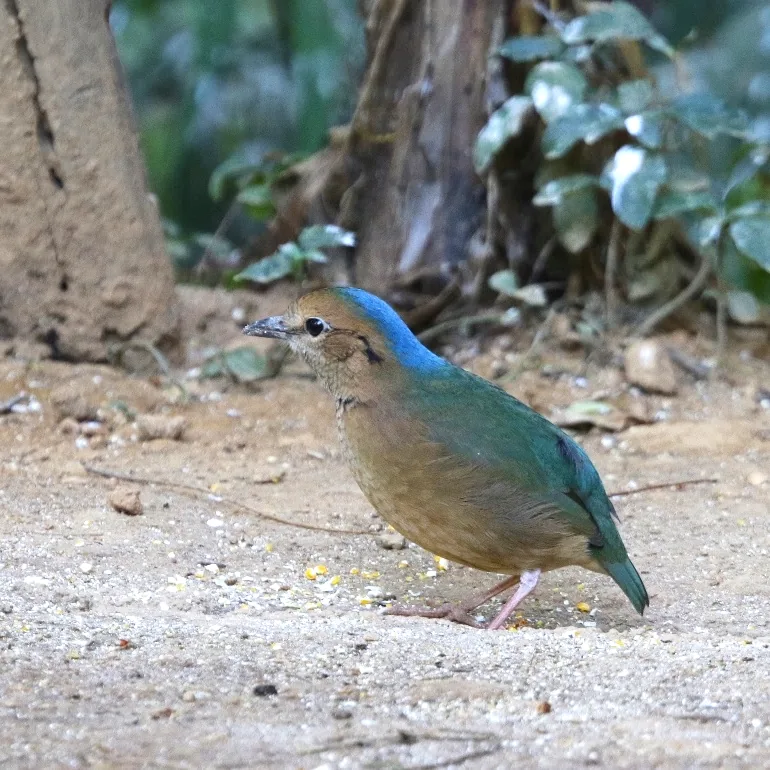
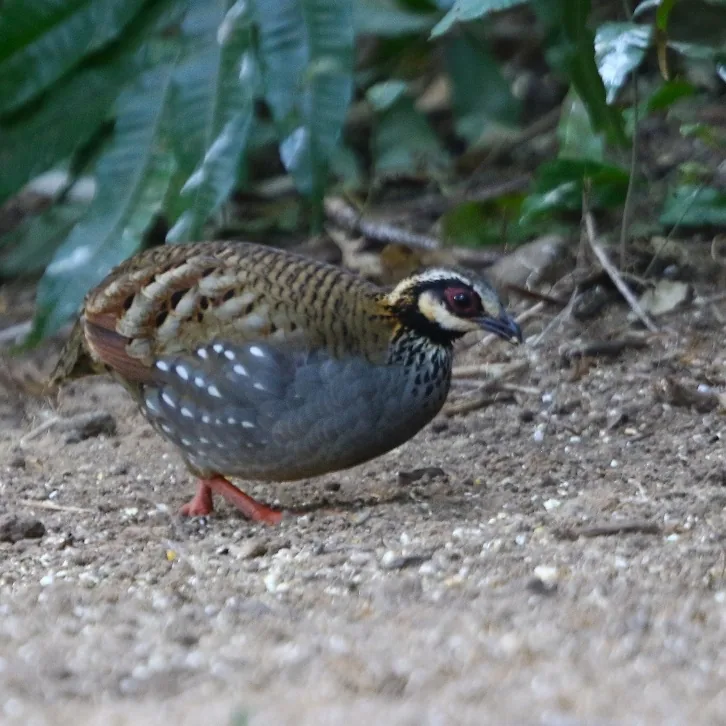
Here, hide birding really came into its own. We enjoyed outstanding views of Blue-naped Pitta and Grey Peacock-Pheasant, as well as an impressive array of laughingthrushes, including Spot-breasted, Black-throated, Grey-sided, and Blue-winged. Further highlights included White-hooded Babbler, Rufous-headed and Black-browed Parrotbills, Grey-bellied Wren-Babbler, and even a pair of Naung Mung Wren-Babbler showing particularly well. The action continued at Baihualing, where the hides delivered superb close-up views of Red-tailed, Scaly, and Blue-winged Laughingthrushes. Activity at the feeding stations was constant, with a steady stream of species keeping us thoroughly entertained. We concluded the tour around Lijiang, adding Yunnan Nuthatch, Rufous-tailed Babbler, and a spectacular addition of laughingthrushes, including Moustached, and the crowning jewel, Biet’s Laughingthrush. By the end of the journey, we had amassed an impressive total of 428 species, with just seven heard only.
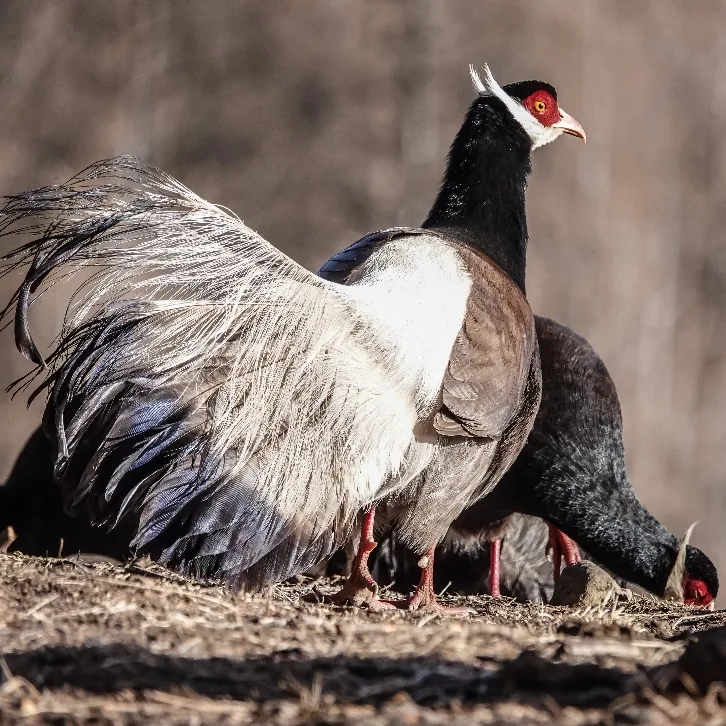
Most of the group arrived in Beijing three days early to visit a feeding area south of the city for Brown Eared Pheasant. The brief excursion proved highly productive, delivering excellent views of the pheasants along with several additional species not encountered on the main tour, including Southern Nutcracker, Eurasian Nuthatch, Chinese Nuthatch, and Eurasian Treecreeper.
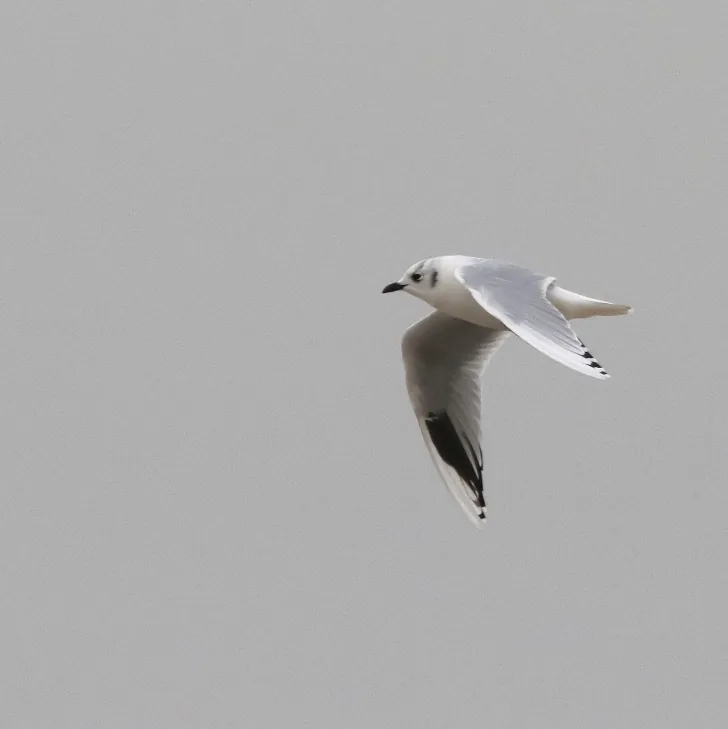
Upon returning to Beijing, we were joined by two more participants and headed the following day to Bohai Bay, which lay locked in pack ice. Temperatures were bitterly cold, but careful scanning along the frozen shoreline eventually revealed a group of Relict Gulls huddled against the elements. Closer in, we enjoyed fine views of Saunders’s Gulls, while Black-headed, Common, and Vega Gulls wheeled overhead, adding to the wintry spectacle.
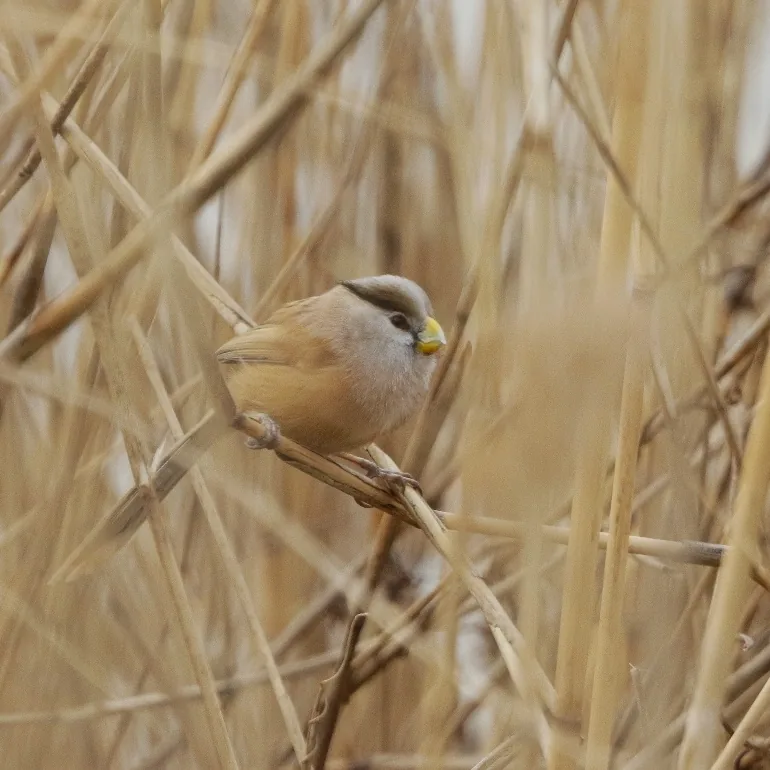
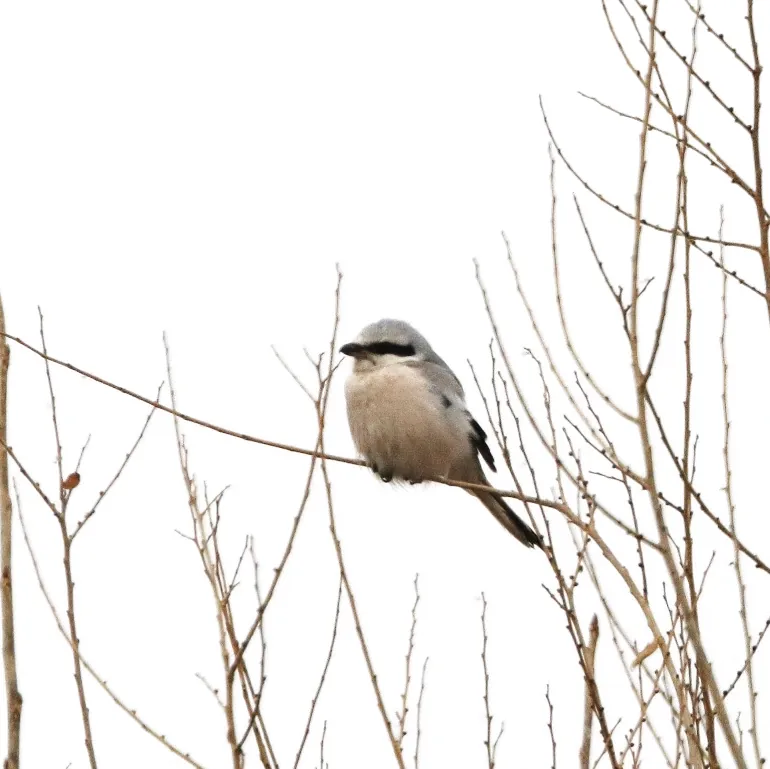
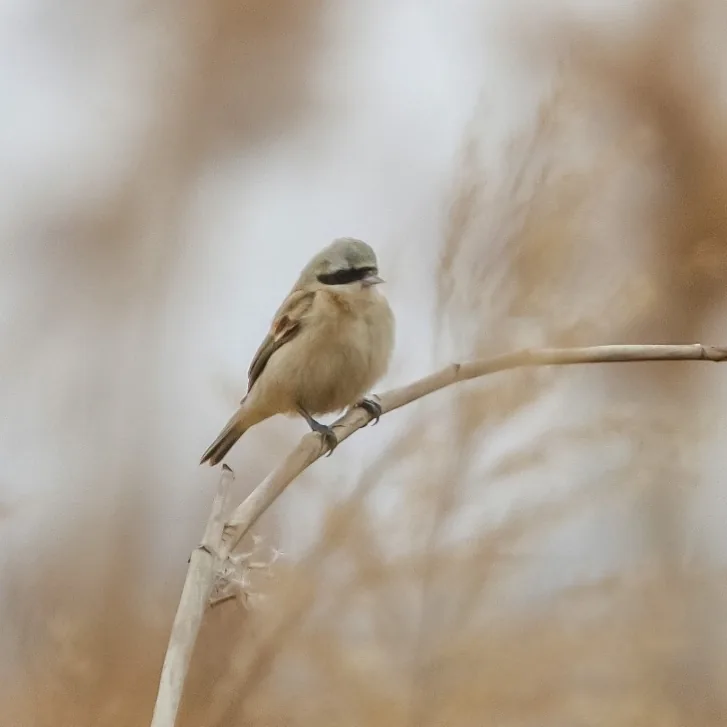
After spending enough time in the freezing winds, we moved inland to an area of extensive reed beds. Venturing into the tall grasses proved rewarding, with several Pallas’s Reed Buntings and a lively group of Reed Parrotbills added to the list. A Hen Harrier quartered gracefully over the reeds, while several Black-faced Buntings flushed from cover. A small flock of Chinese Penduline-tits was a welcome find, and an approachable Chinese Grey Shrike along the roadside provided a fitting and memorable start of the tour.
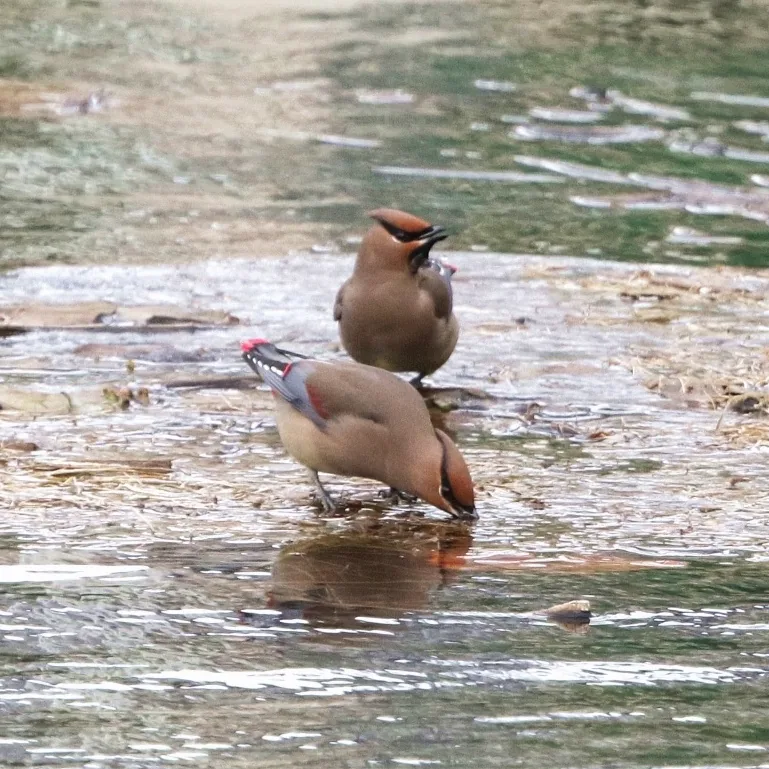
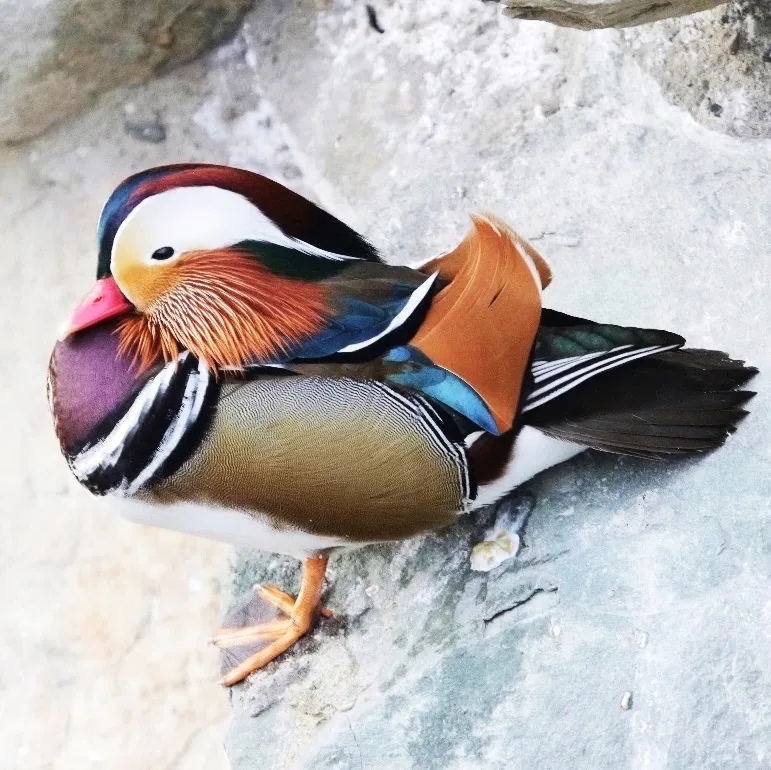
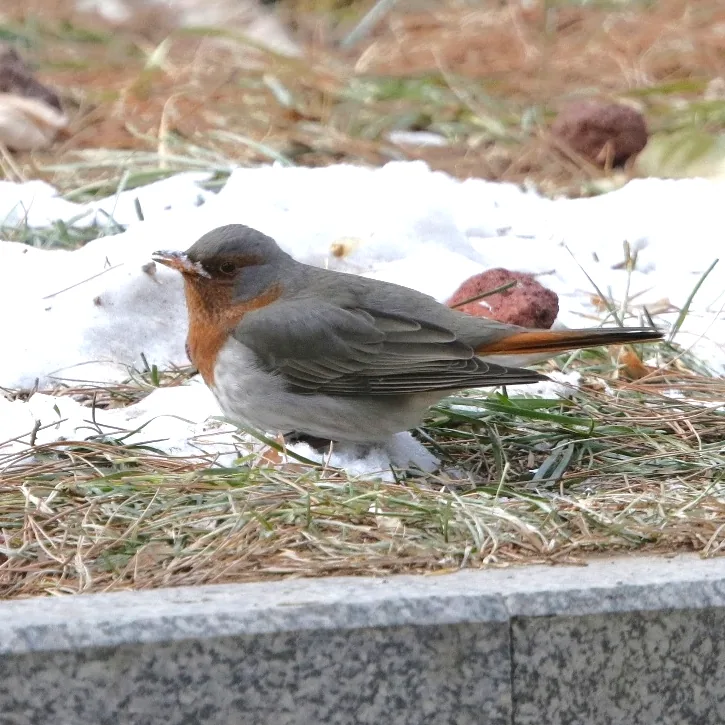
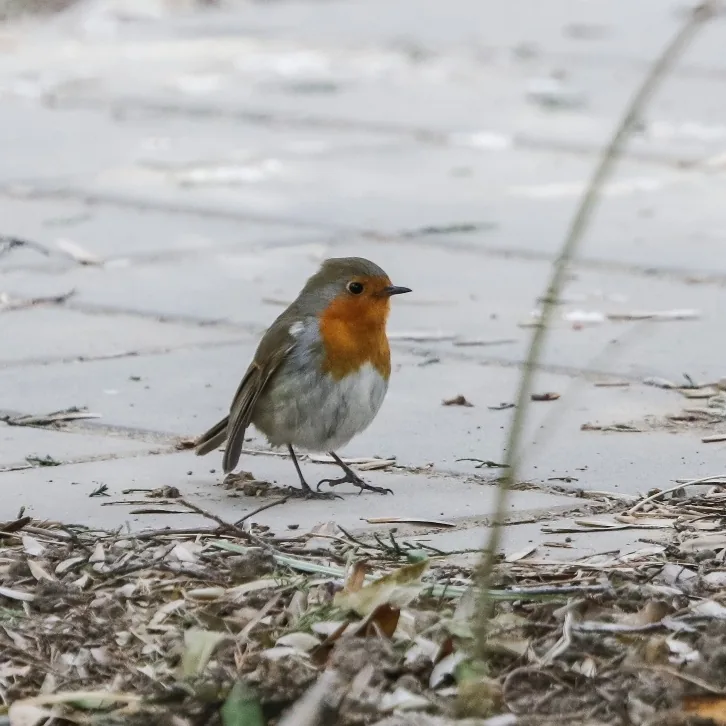
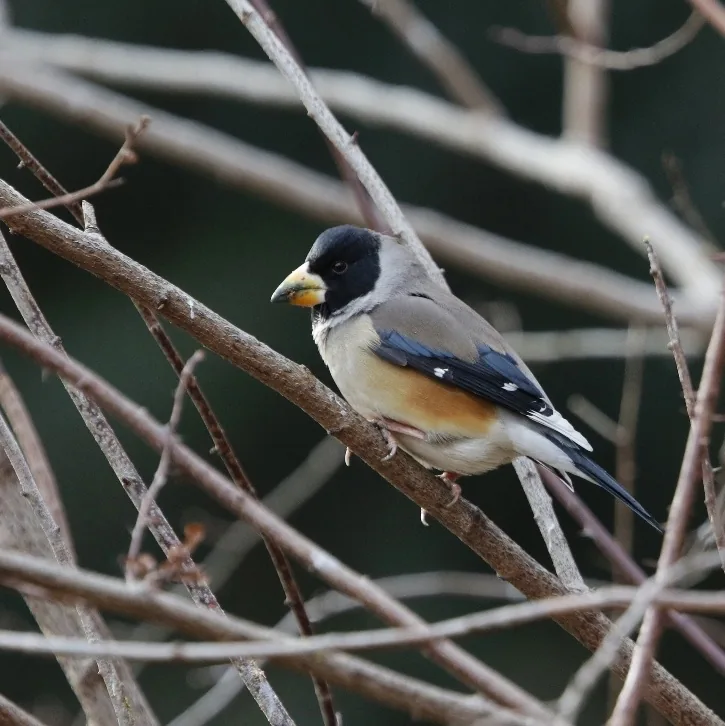
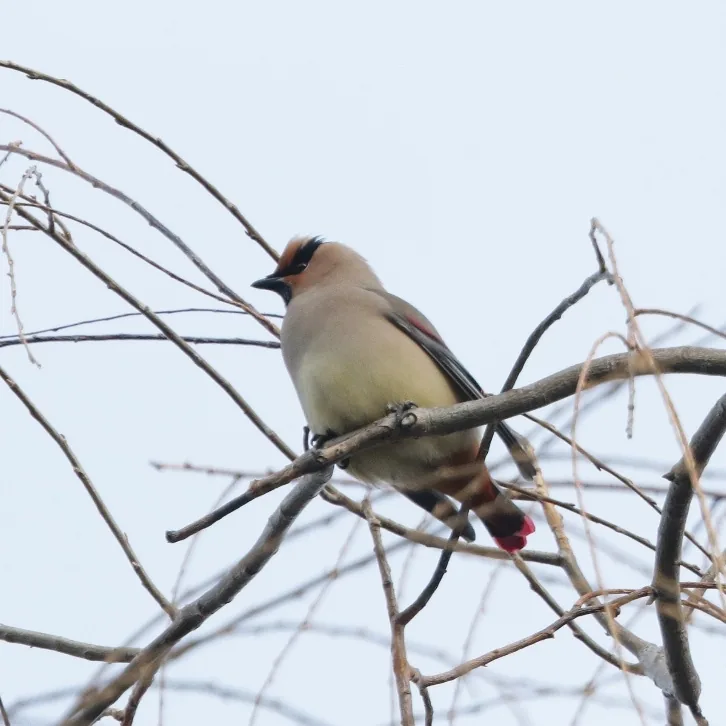
Over the next day and a half, we explored several parks around the city, gradually adding wintering and resident species to our list. Sub-zero temperatures, biting winds, and road closures reduced bird activity. Nevertheless, steady birding produced Siberian Accentors, a lone Chinese Long-tailed Rosefinch, Plain Laughingthrush, Silver-throated Bushtits and scattered groups of Willow, Marsh, and Cinereous Tits. Spending more time in sheltered urban parks away from the worst of the wind proved to be an excellent decision. We were pleasantly surprised by both the number and quality of birds. Thrushes were particularly abundant, with several Naumann’s and Red-throated Thrushes feeding along snowy edges. Chinese Grosbeaks, Chinese Blackbirds, and flocks of Azure-winged Magpies were also present. An unexpected highlight was an out-of-range European Robin, also attracting considerable attention from local photographers. At another park, locals gathered to admire a lively congregation of Mandarin Ducks along the lakeside below the walkways. Nearby, we tracked down a group of Japanese Waxwings venturing onto the icy lake to drink, while several Bohemian Waxwings waited in the trees above.
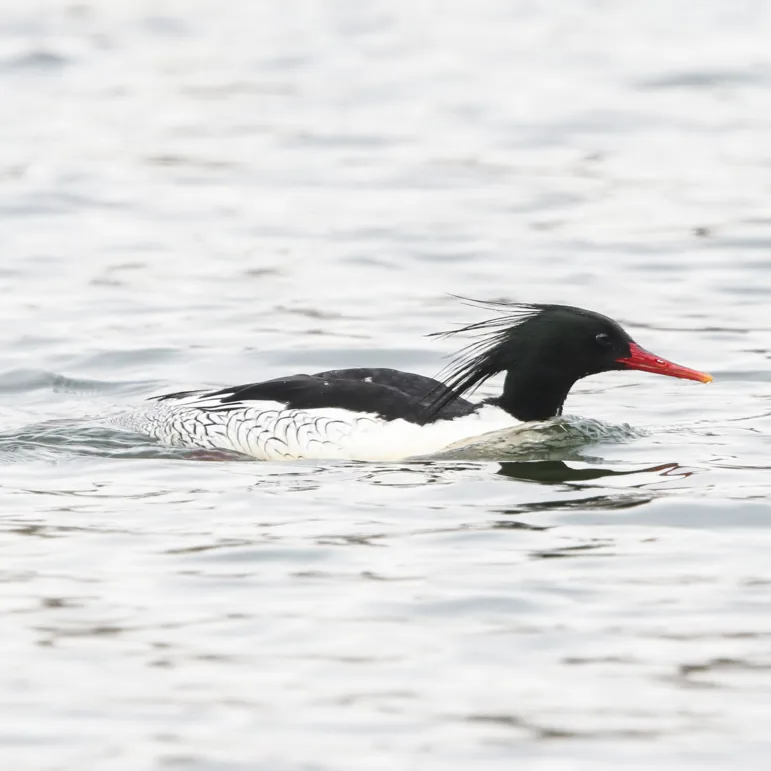
From Beijing we flew south to Jiangxi province and the town of Wuyuan, eager to begin birding the following morning. Our first session took place atop a hotel roof, overlooking a village framed by tall trees. Chestnut Bulbuls were abundant, their noisy calls carrying through the crisp air. Below us, along the river, we picked out both White-crowned and Slaty-backed Forktails, along with a Brown Dipper working the rocks midstream. Eventually, one of the local Pied Falconets appeared, cautiously poking its head from a roosting hole in a tree. Given the cold, it soon retreated once we had all enjoyed scope views. With our diminutive falcon opting to stay snug inside its cavity, we moved on. After lunch, we headed to a wide, boulder- strewn river, prime habitat for one of the tour’s early highlights, Scaly-sided Merganser. A newly constructed hide positioned right on the shoreline allowed for a quiet, unobtrusive approach, and we were rewarded with spectacular, close-range views. Several birds fed nearby, with pairs coming and going as they surfaced with eels.
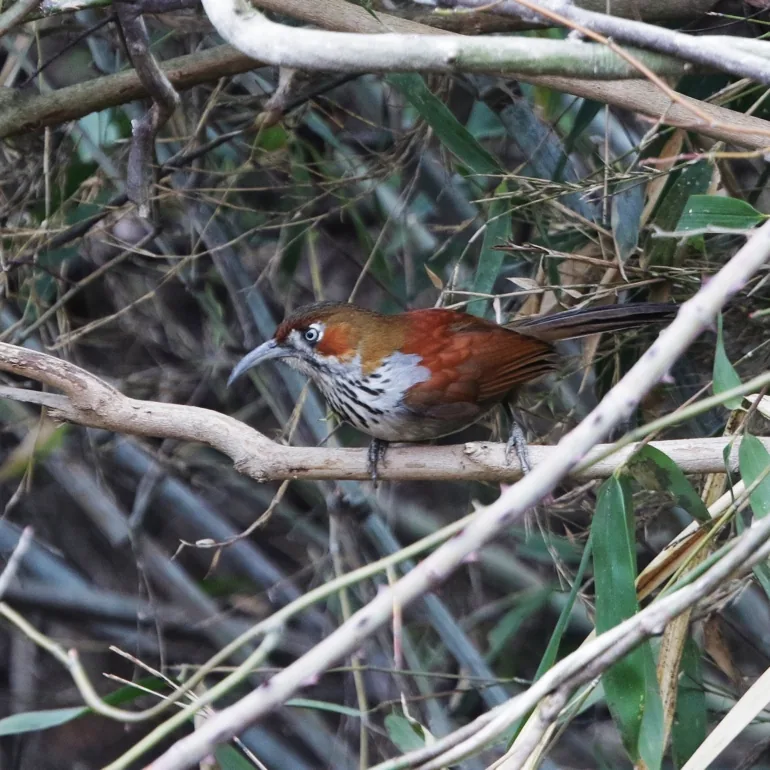
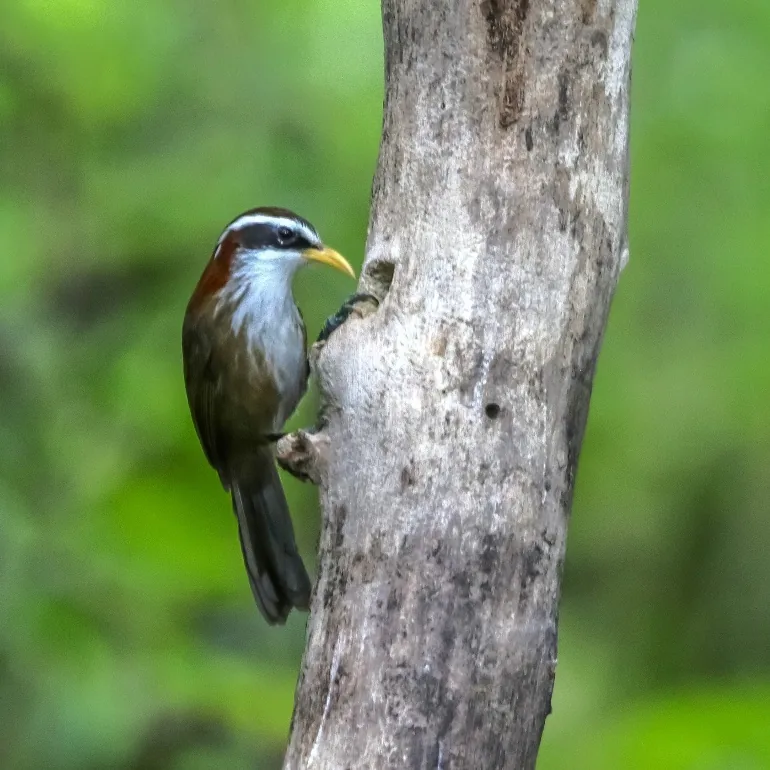
The remainder of the afternoon and the following morning were spent exploring a forested park beside the river. We added a number of exciting species, including a vocal pair of Grey-sided Scimitar Babblers that seemed intent on remaining hidden. We eventually watched them cross the road several times and moved through the roadside vegetation. Other highlights included a busy flock of Huet’s Fulvettas moving through the undergrowth, a sizeable gathering of Collared Finchbills feeding beside the road, and striking Black-throated Bushtits which were then accompanied by a Pallas’s Leaf Warbler. Later, while walking along a riverside path, a pair of Grey-sided Scimitar Babblers burst into activity, offering improved views as they called and hopped about at the roadside edge. A handsome pair of Chestnut Bulbuls also provided eye-level views before we continued west toward our next destination.
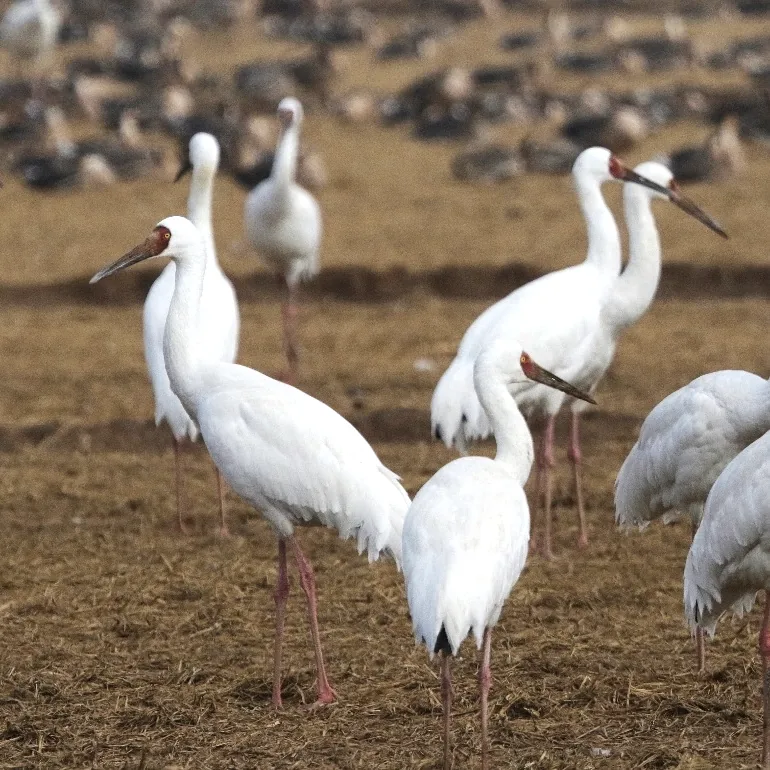
From Wuyuan, we travelled west toward the eastern edge of Poyang Lake – a vast wetland, home to the entire global wintering population of Siberian Cranes. As we approached, we were greeted by an impressive sight: large flocks of Siberian Cranes spread across the surrounding fields. Keen to absorb the spectacle, we quickly finished lunch and walked up onto a road berm that provided sweeping views of fields on one side and open water on the other. The calls of cranes and geese carried constantly across the landscape, large groups feeding in the stubble while others drifted overhead with their broad and outstretched wings.
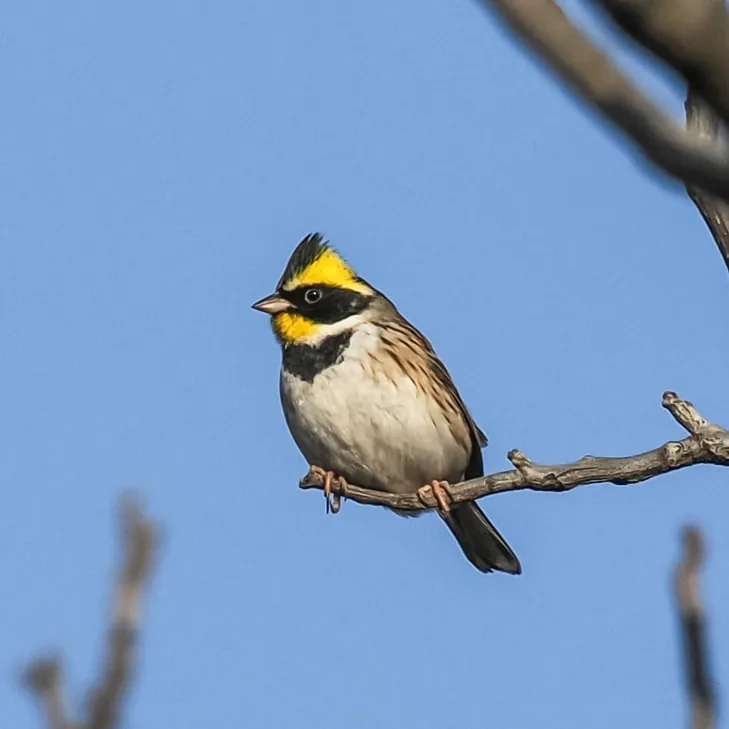
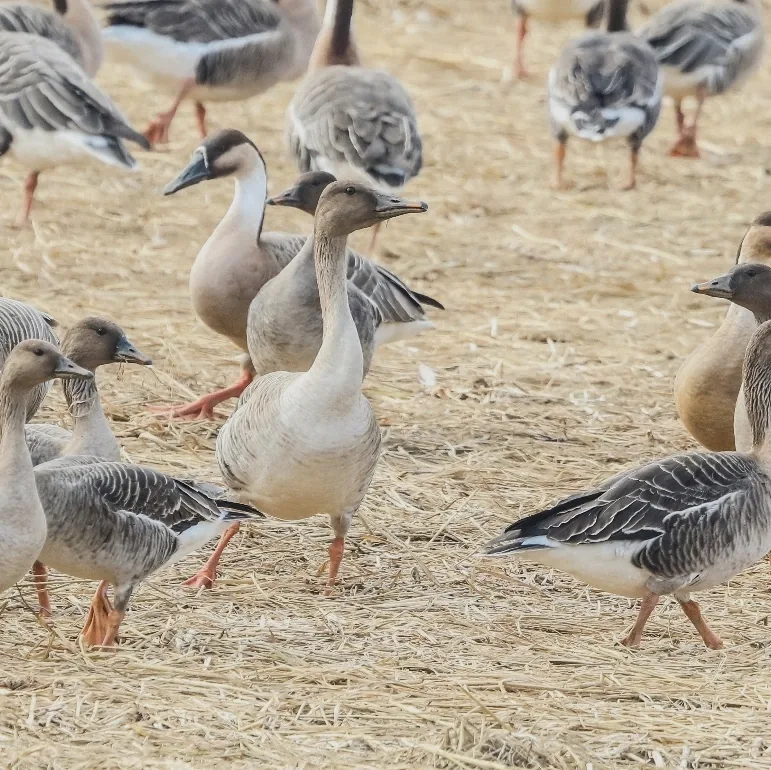
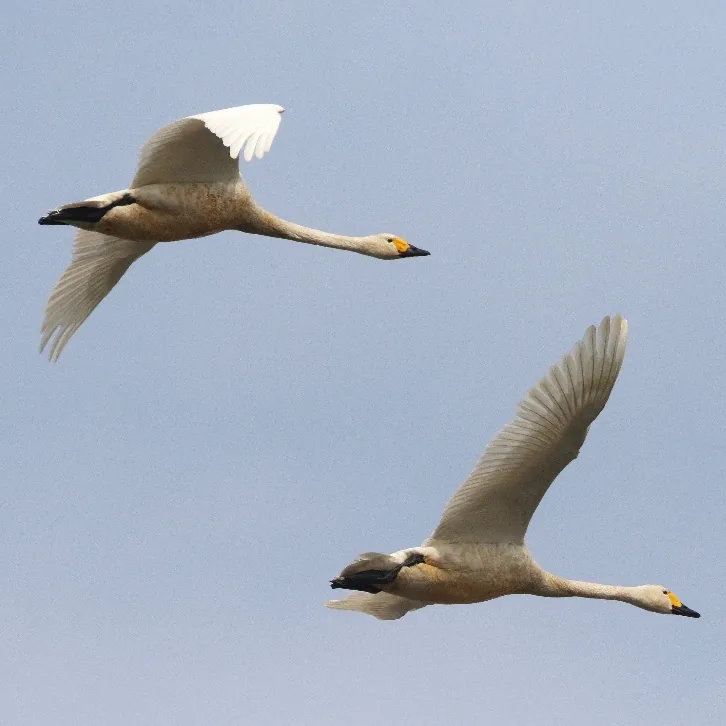
The cranes were only part of the spectacle. The wetlands supported huge numbers of wintering wildfowl, most notably Swan Geese, which were present in large numbers both in the fields and in flight between feeding areas. Careful scanning also revealed Greylag Geese, Taiga and Tundra Bean Geese, and several Tundra Swans. Out on the water, large concentrations of ducks included Eurasian Wigeon, Eurasian Teal, Mallard, Eastern Spot-billed Duck, Northern Pintail, and Northern Shoveler, adding further diversity to an already impressive wildfowl assemblage. We also took time scanning for smaller species. Black-faced and Chestnut-eared Buntings scurried through the stubble, single Yellow-browed Bunting, while Water Pipits and White Wagtails moved through the open areas. From a vegetation beside a canal, a calling Dusky Warbler was a welcome find. After spending time enjoying the remarkable concentrations of cranes and geese, we continued to our hotel on the far side of the lake, reflecting on the tour’s memorable wildlife encounters.
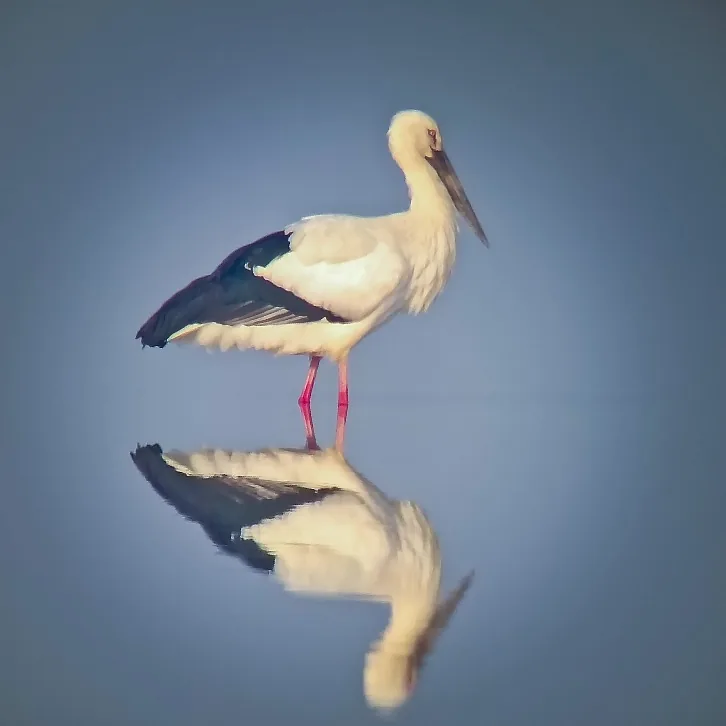
We spent the next day and a half exploring the varied habitats around Poyang Lake, moving between open water, reed beds, grassy floodplains, and scattered woodland. The diversity and abundance of birds were consistently impressive. We enjoyed our first views of Oriental Storks in one of the open-water viewpoints, elegant and imposing as they fed in the shallows. The lakeside trees held flocks of Black-collared, White-cheeked, and Red-billed Starlings, while Little and Great Crested Grebes were spotted in the open water. Small numbers of White-naped and Common Cranes were also present, and we were pleased to track down our first Hooded Cranes of the trip. A long causeway links our island base to the mainland, and stopping along the way allowed us to pick through Swan Geese and Greylag Geese as well as a good number of Tundra Bean Geese among Taiga Bean Geese. Also spotted were several Greater White-fronted Geese and close views of feeding White-naped Cranes.
In an area of taller grasses, we focused our efforts on one of the region’s most notorious skulkers, Marsh Grassbird. It proved elusive, but persistence paid off when one flushed, flew to a patch of grass, and dropped in. This gave us brief but rewarding views before it slipped back into cover — a well-earned sighting.
Leaving the Poyang area, we continued south, pausing at a small reed-lined lake in search of Baer’s Pochard. The lake held good numbers of Tundra Bean Geese, Tundra Swans, Northern Pintails, and Northern Shovelers. After some searching, we eventually picked out a drake Baer’s Pochard loafing quietly on the water, occasionally lifting its head to reveal its pale eyes. Soon after, we found a closer pair partially obscured by thick reeds, allowing us satisfying glimpses as they drifted through small open gaps.
A group of Masked Laughingthrushes showed well in the lakeside bushes before we continued towards Nanning. En route, we made another stop to look for Collared Crow. A smart pair associating with Carrion Crows gave prolonged views as they moved through open riverside trees and rested on a rocky sandbar. A gentle walk along the road added a flock of Red-billed Blue Magpies and several Black-faced Buntings in the riverside grasses. We then continued to the airport for our flight south to Guangxi province on the Vietnamese border.
After a night in Nanning, we departed early for Nonggang Nature Reserve. Conditions over the next day and a half were damp and foggy, but we headed straight to our first hide. Despite the rain, and the fact that the species had not been recorded at the hides since the previous March, our main target appeared almost immediately. A trio of highly localised Nonggang Babblers emerged from the dark limestone forest onto the boulders in front of us. News of their appearance quickly spread and photographers began to gather, so we quietly moved on. Remarkably, this was their first visit to the feeding site on that season.
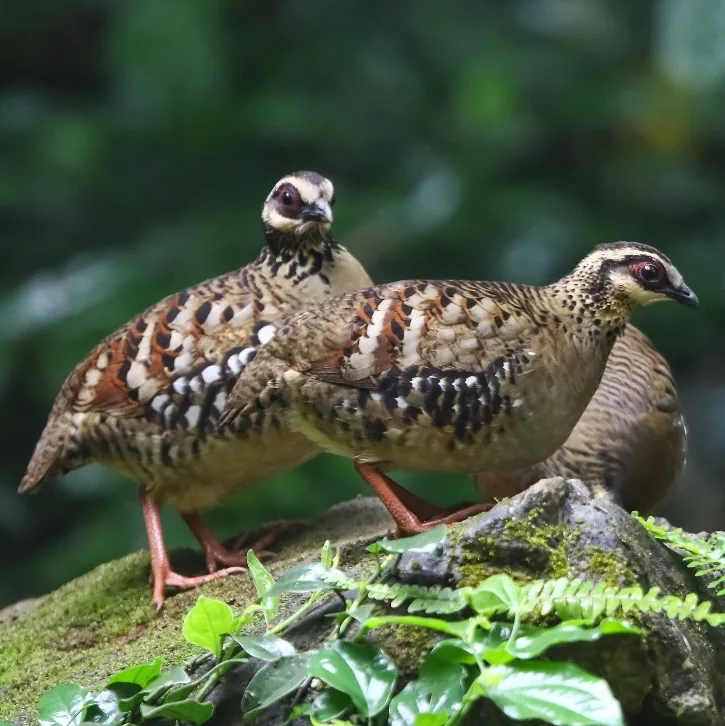
The weather reduced activity at the hides, but we still enjoyed memorable encounters. A trio of Bar-backed Partridges was particularly impressive which were later joined at the feeders by Buff-breasted Babblers, White-rumped Shamas, and a confiding Small Niltava darting in for mealworms. White-tailed Robins were seen at most hides and a petite Rufous-tailed Robin at a smaller feeding station was a bonus sighting, flashing its scaly breast while feeding.
Away from the hides, we followed the loud calls of White-winged Magpies echoing across a limestone tower. After watching them fly across the valley and vanish behind a ridge, we hurried around to intercept them and were rewarded with fine views as they fed high in the canopy. In nearby agricultural fields, Siberian Stonechats perched on wires alongside Grey Bushchats.
After our short but productive stay in Nonggang, a late flight brought us to Hainan shortly before midnight. A pre-dawn bus ride carried us across the island to the mountainous Jianfengling National Nature Reserve, where we would spend the next two days focusing on the island’s endemics and distinctive subspecies. The tropical climate was a marked contrast to our experience the previous week. Having eaten breakfast en route, we began birding immediately upon arrival. The forest edge was alive with activity, with Chinese Barbets called from a fruiting tree, which was then joined by Scarlet Minivets, Chinese and Chestnut Bulbuls, and a diminutive Fire-breasted Flowerpecker which circled the canopy.
We enjoyed excellent birding at our first hide. Both Rufous-cheeked and Black-throated Laughingthrushes were noisy, the latter looking notably distinct from mainland populations, perhaps warranting a future split. Indochinese Green Magpies glowed in the forest, Puff-throated Bulbuls and Streak-breasted Scimitar Babblers dashed in for food while Spot-necked Babblers and Dusky Fulvettas appeared more cautiously. A colorful pair of Red-headed Trogons passed through the trees above the hide, and we also noted mammals, including Northern Treeshrews and Red-hipped Squirrel, visiting the feeders.
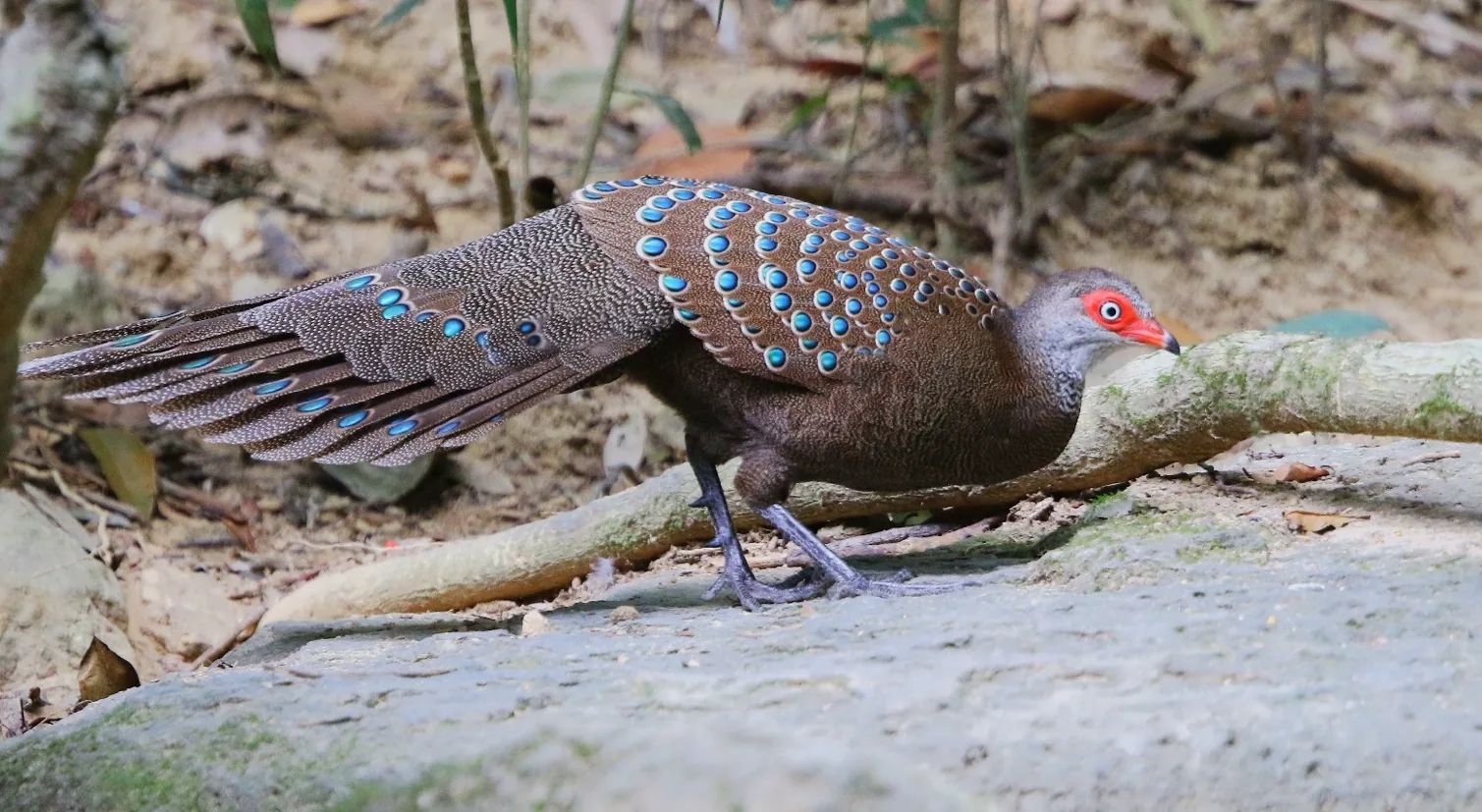
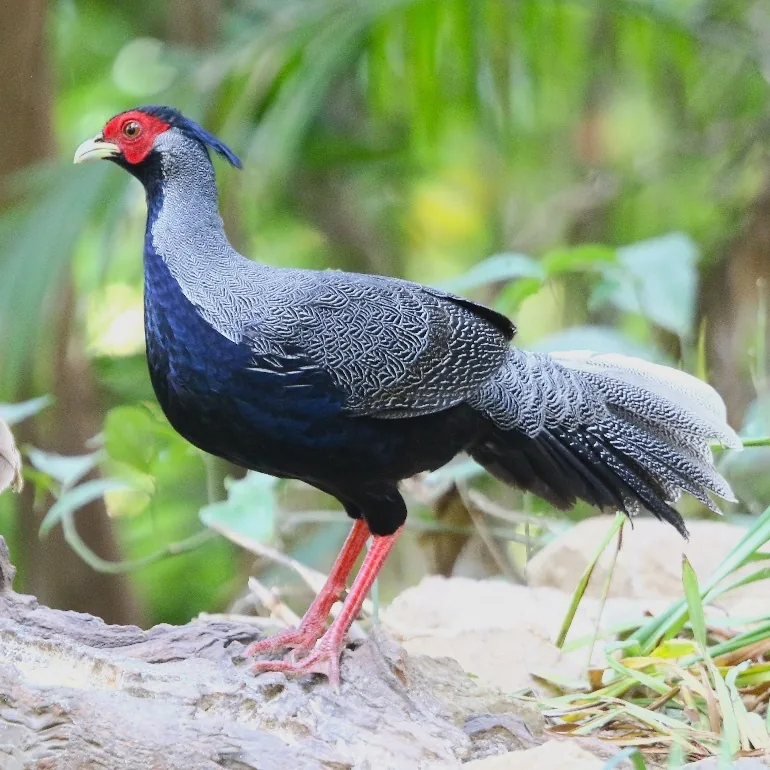
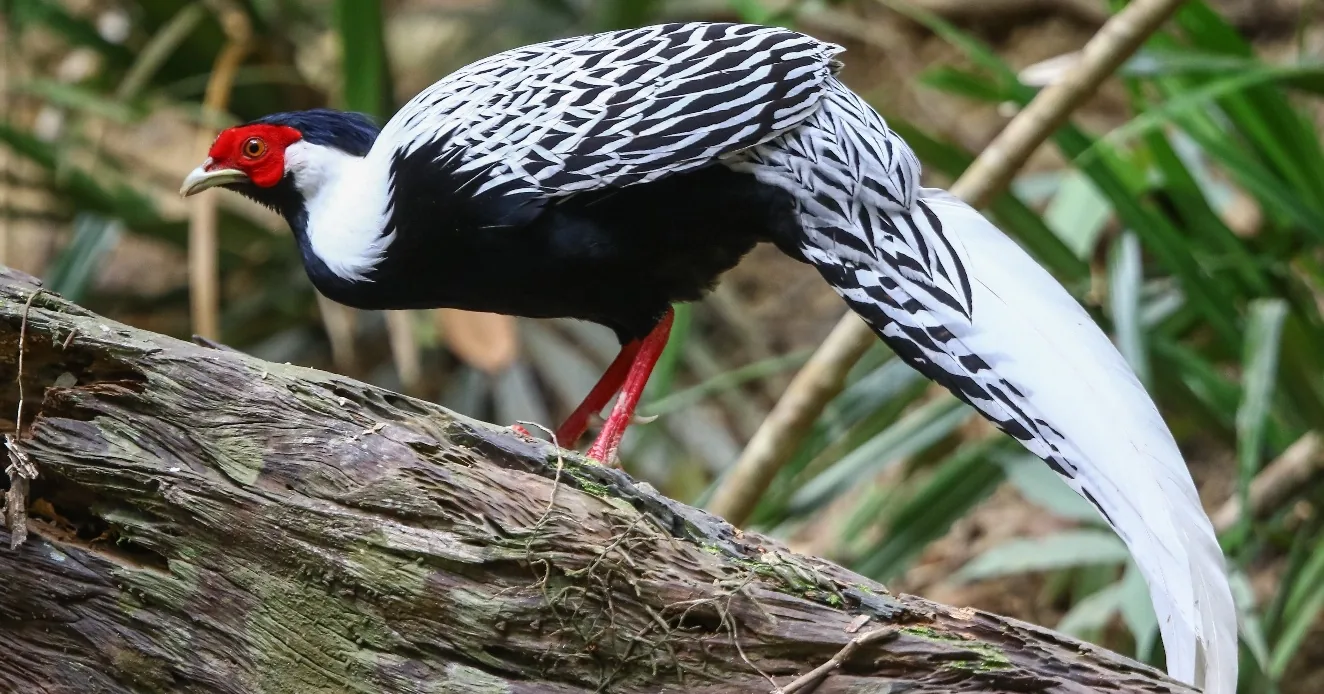
At the second hide, Asian Emerald Doves were among the first birds to appear, followed by a large group of Silver Pheasants that included two resplendent males and accompanied by females and juveniles. After they disappeared back into the forest, we waited patiently until a superb male Hainan Peacock-Pheasant stepped quietly into view, feeding in the open. We enjoyed prolonged views whilst it was feeding, admiring their intricate plumage and bare red face.
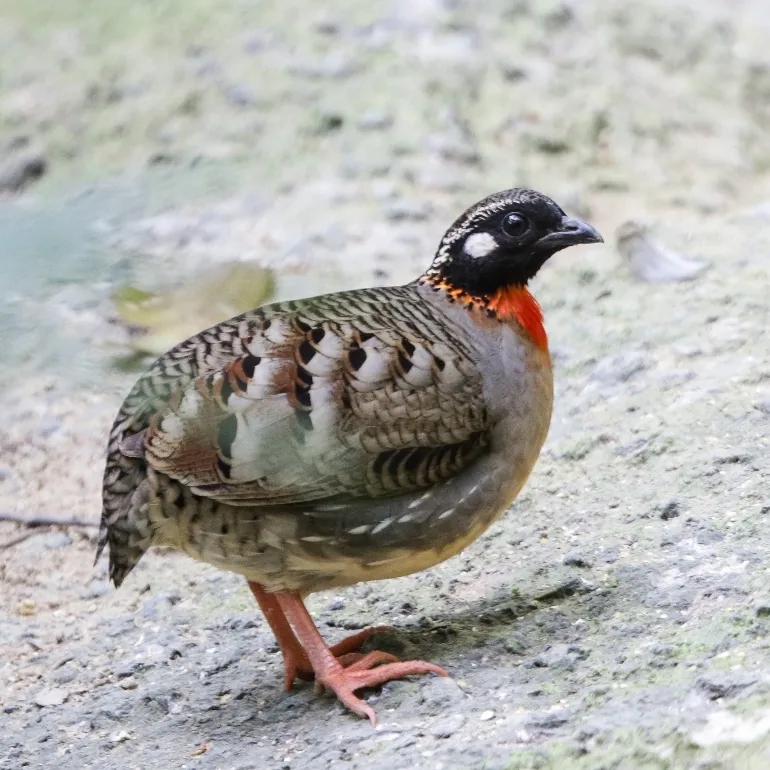
Not long after, a covey of Hainan Partridges appeared to our left, their rich orange-red throats glowing in the dappled light. They fed and scratched in front of us, briefly freezing as a flock of bulbuls screamed overhead, then settled again offering us prolonged excellent views. With our key targets secured, we quietly withdrew and continued birding elsewhere in the reserve.
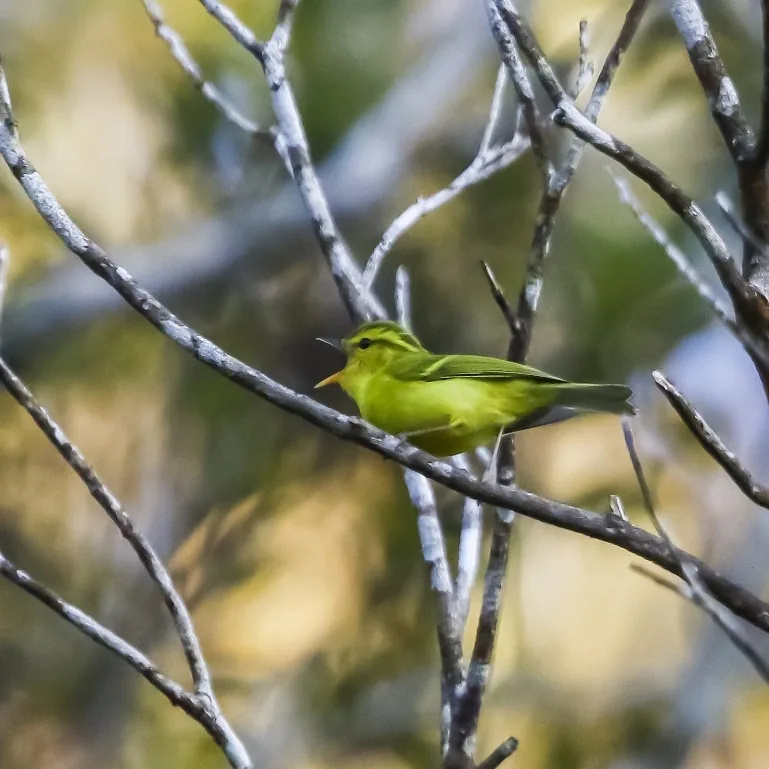
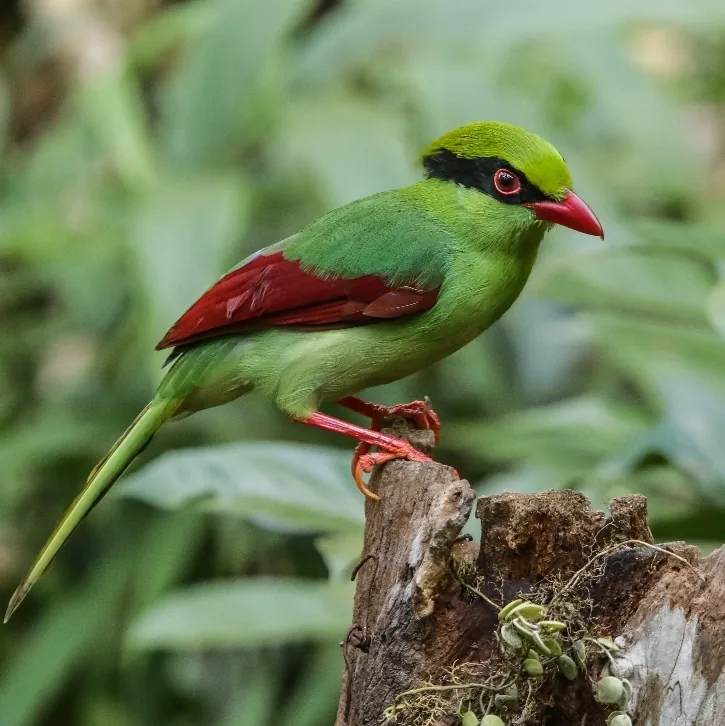
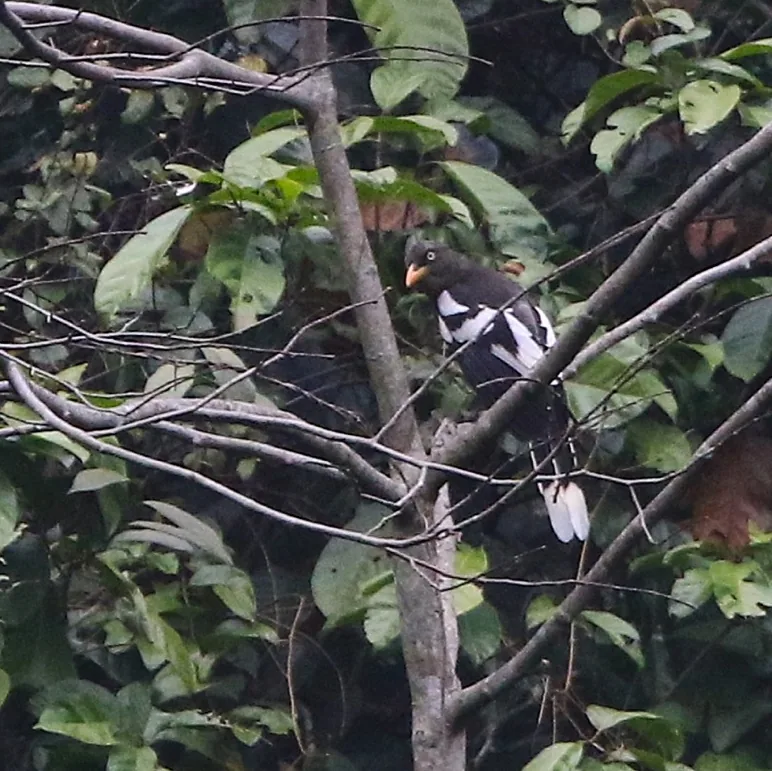
The late afternoon and following day were spent along forest trails and roadside vegetation. At one spot, Hainan Leaf Warblers sang around us, with several birds perched close enough for extended views. Also encountered were Mountain Imperial Pigeons, Black-winged Cuckooshrikes, and Grey-chinned Minivets along with endemic races of Greater Racket-tailed Drongo, Chinese Bulbul, Swinhoe’s White-eye, and Pale-blue Flycatcher. A small group of Silver-breasted Broadbills was located briefly before disappearing into the roadside trees. A singing Hainan Blue Flycatcher and a migrant Mugimaki Flycatcher added further interest while a calling Collared Owlet drew in Plain Flowerpeckers, Yellow-browed Warblers, and furtive Fork-tailed Sunbirds. Yellow-billed Nuthatches investigated a massive trunk and a Ratchet-tailed Treepie obligingly fed on fruit right in front of us. Before long, our time on Hainan came to an end.
After two flights, we arrived in Yunnan and prepared for the next leg of the tour. Our first stop the following morning was a small wetland park with a raised boardwalk winding through tall grasses and forest edge. Shortly after entering the park, we heard the sharp cracking of seed pods overhead revealing three feeding Spot-winged Grosbeaks.
Continuing along the boardwalk, we found a Chestnut-capped Babbler skulking through the grasses while a group of Rufous- necked Laughingthrushes proved more vocal than visible before eventually granting us workable views. Plain, Yellow-bellied, and Grey-breasted Prinias were much easier to observe, all showing well and calling back and forth. A pair of Alexandrine Parakeets screeched overhead, powering across the forest. In the nearby river, Barn Swallows, Eastern Red-rumped Swallows, Asian House Martins, and Grey-throated Martins hawked insects while four Common Mergansers drifted casually along the meandering channel.
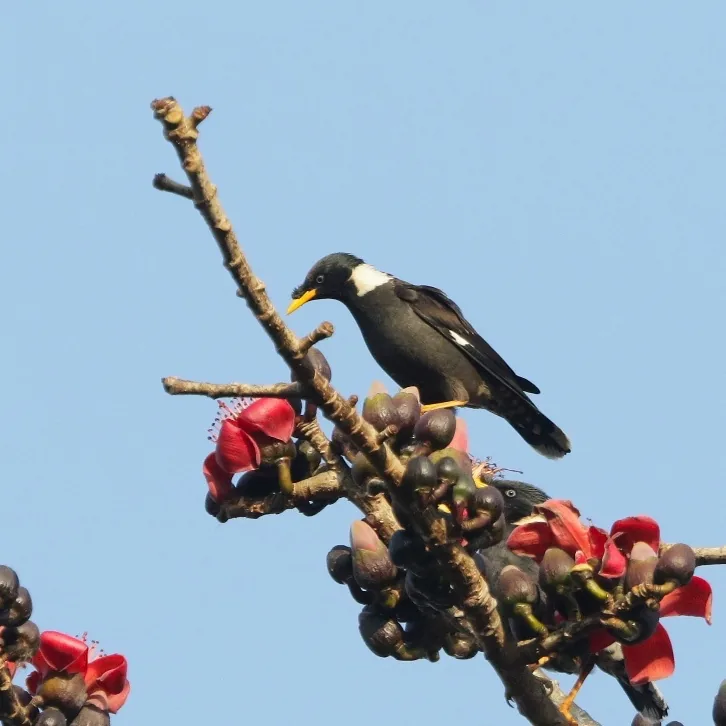
As we approached the forest edge, flowering and fruiting trees attracted a variety of species. Blue-throated Barbets called from the canopy alongside Red-whiskered Bulbuls while a number of Mountain Bulbuls enjoyed feeding on fruits. The growing chorus reached a crescendo when our main target appeared, the Collared Myna. Given the political situation in Myanmar, the site is one of the few accessible places to see them as their range is almost exclusively within Myanmar. They were the joined by Black-collared and Chestnut-tailed Starlings, adopting a routine of gathering in tall bamboo stands out in the grass beds before sallying out to the flowering trees. Then something would startle them and they retreat back over to the bamboo. After an enjoyable morning in the wetlands, we returned to the bus and continued to Hornbill Valley, renowned for their photographic hides and the remarkable variety of birds that visit them.
Hornbill Valley lies just across from Myanmar, straddling the Burmese border in a landscape that feels both remote and quietly rugged. Nearly two decades ago, local communities began implementing conservation measures to protect the area’s forests and wildlife. The success of these efforts is evident today, with three species of hornbill now present in impressive numbers and are once again thriving. Large nest boxes installed high into towering trees are a visible reminder of the conservation work that has taken place. Over time, conservation has become closely linked with ecotourism. It has become a source of pride and livelihood, with an increasing number of photographic hides established and managed by local communities. As a result, habitat loss and hunting pressure have declined, and Hornbill Valley has become a notable example of successful community-based conservation. This shift has transformed the valley. Protecting habitat now makes economic sense, and the forest is valued more standing than cut. As a result, habitat loss has eased, poaching has declined, and Hornbill Valley stands as a powerful example of how community-driven conservation can restore both wildlife and economy.
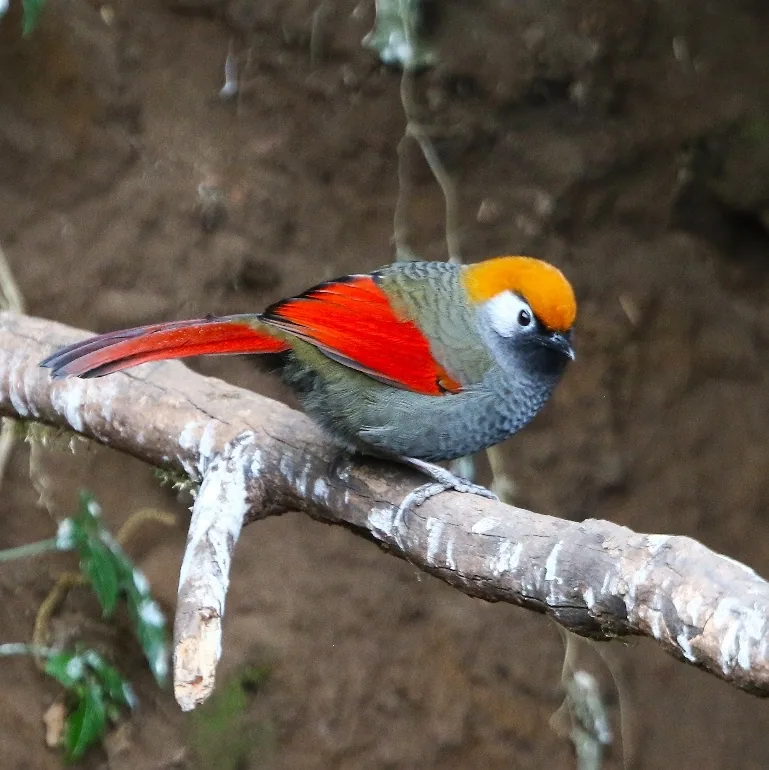
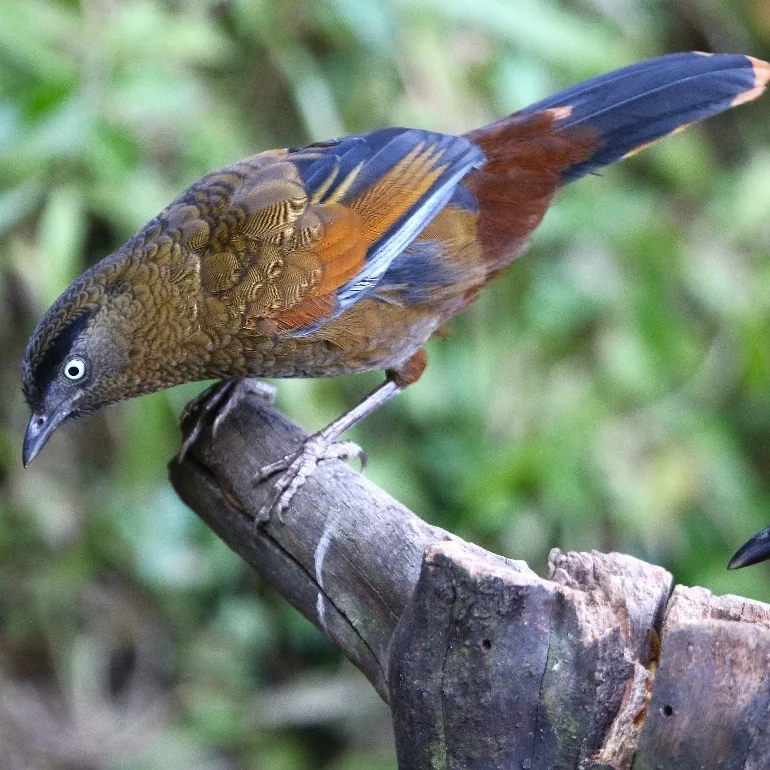
Soon after lunch, we visited our first hide. Activity was immediate, with Brown-breasted, Red-vented, White-throated, Grey- eyed, and Himalayan Black Bulbuls all dashing in and out. A massive Collared Treepie dropped onto a dead trunk to snatch a morsel, while small groups of White-crested and Black-throated Laughingthrushes arrived in quick succession. Along the edges, smaller passerines, Pin-striped Tit-Babbler, Grey-throated Babbler, Nepal Fulvetta, Buff-breasted Babbler, and handsome Puff-throated Babblers waited for their chance to feed. A White-crowned Forktail patrolled the edge of the feeding area, tail constantly cocked, mirrored by a Hill Blue Flycatcher perched above. A trio of deep-blue niltavas, Small, Large, and a richly coloured Rufous-bellied all showed well. Common Green Magpies also swept in, vibrant and vocal. Other notable species included a wintering Black-breasted Thrush, Long-tailed Sibias and several Rusty-fronted Barwings, anda pair of Red-billed Scimitar Babblers. One of the highlights was a flock of more than twenty Silver-eared Mesias feeding together.
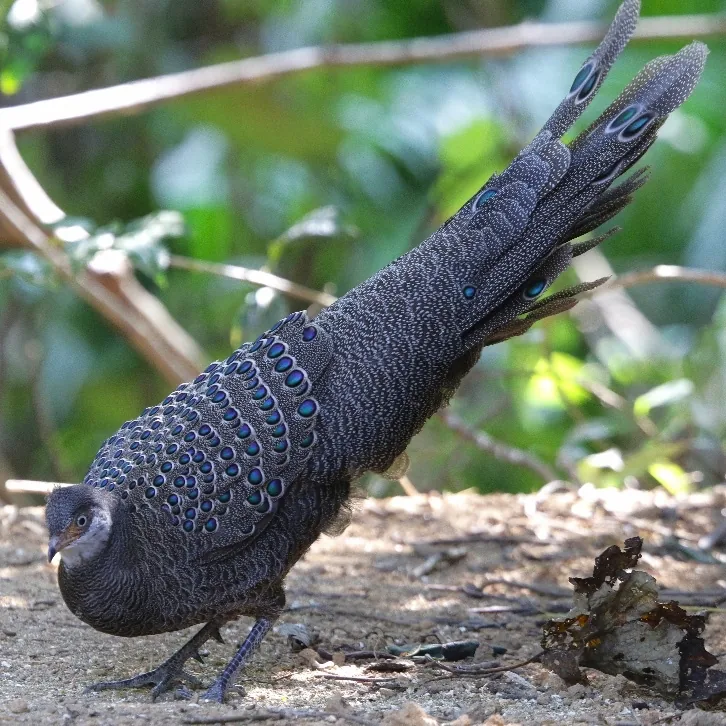
The water feature attracted additional species, including a striking male Blue-winged Leafbird that bathed enthusiastically, scattering droplets everywhere. White-hooded Babblers arrived alongside their regular companions, Rufous-headed Parrotbills and among the many highlights were a group of Kalij Pheasants pecking at cornmeal. Stealing the show though, was a superb male Grey Peacock-Pheasant. It was a dazzling, almost overwhelming start to our time in the valley, but an experience we all relished.
Hard to believe that was just the first afternoon, and we still had the next two days to explore the hides and surrounding area at a relaxed pace. The diversity across the hides was striking, with each site hosting its own regular visitors. Phasianids were particularly well represented; nearly every hide seemed to have a resident Grey Peacock-Pheasant. We observed multiple Kalij Pheasants in varying plumages from deep blue males to white-backed birds with intricate marbling, while a pair of White- cheeked Partridges provided excellent views for the group.
Other species included Grey-faced Woodpeckers which showed well and Black-breasted Thrushes frequenting the feeding area. A Grey-bellied Tesia darted in and out to seize food, and Rufous-bellied Niltavas once again added flashes of vivid colour. Himalayan Shortwings proved more cautious, emerging briefly to feed, retreating back when larger birds return. The steady flow of species through the hides kept every session interesting and rounded off a highly productive stay in Hongbenghe.
Flycatchers were a regular feature at the hides, with Hill Blue, Rufous-gorgeted, and Little Pied Flycatchers appearing frequently. An immature Sapphire Flycatcher added a softer than hoped splash of colour, while single White-tailed and White- gorgeted Flycatchers were also noted. White-tailed Robins repeatedly flashed their white tail panels in exaggerated raises before settling again. Both Himalayan Bluetail and a surprise Red-flanked Bluetail also visited the feeders.
Leafbirds were well represented, with Orange-bellied, Blue-winged, and Golden-fronted Leafbirds all recorded. Several Streaked Spiderhunters competed enthusiastically for space at the water features. A Grey Treepie drifted through with a flock of laughingthrushes. Colorful Red-tailed Laughingthrushes arrived, joined by Blue-winged, Lesser Necklaced, and Grey-sided Laughingthrushes. A rewarding sighting was a pair of Spot-breasted Laughingthrushes which showed really well, allowing us prolonged views of a species notorious for being a skulker.
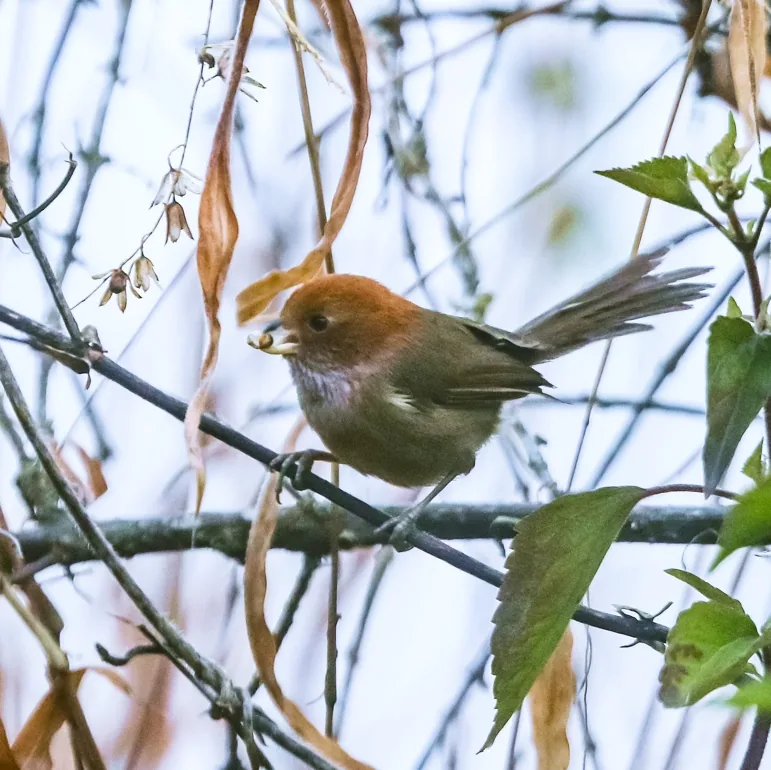
Bulbuls were also abundant. White-throated, Himalayan Black, Red-whiskered, and Red-vented were the most frequent visitors, while Black-crested, Brown-breasted, Flavescent, and Grey-eyed Bulbuls also appeared in good numbers. The steady supply of mealworms attracted a wealth of smaller passerines including Whiskered Yuhinas, Pin-striped Tit-Babblers, and Rufous-capped Babblers. Scimitar Babblers probed deep into crevices with their decurved bills, and we enjoyed excellent views of Red-billed, Brown-crowned, and numerous Streak-breasted (of the largely unstreaked local subspecies), as well as a lone White-browed Scimitar Babbler, an unusual record for China, likely from neighbouring Myanmar and attracted by the food source. Grey-throated, Buff-breasted, and Puff-throated Babblers often came within inches of the hides, joined by Brown- cheeked and Nepal Fulvettas and some characterful Rusty-fronted Barwings. A Streaked Wren-Babbler crept in from dense undergrowth to share the stage briefly with a colourful Chestnut-headed Tesia.
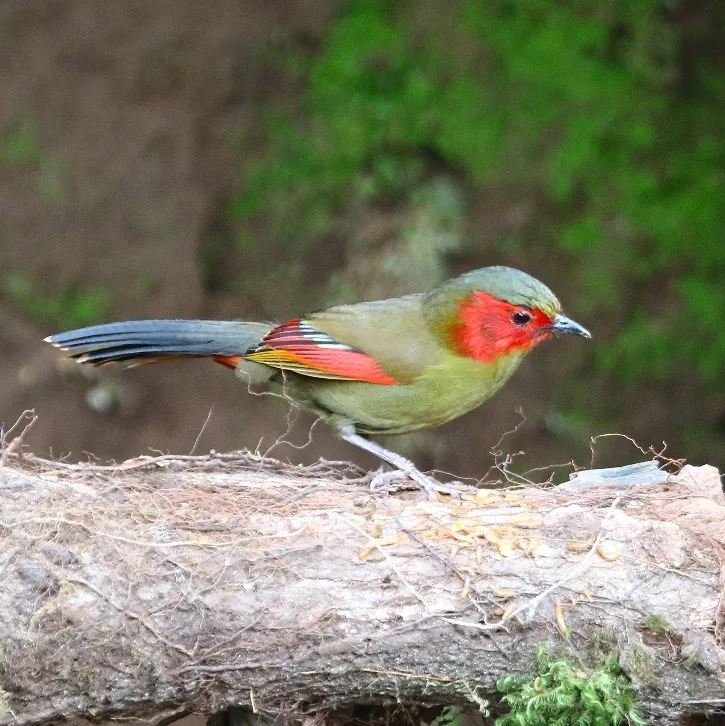
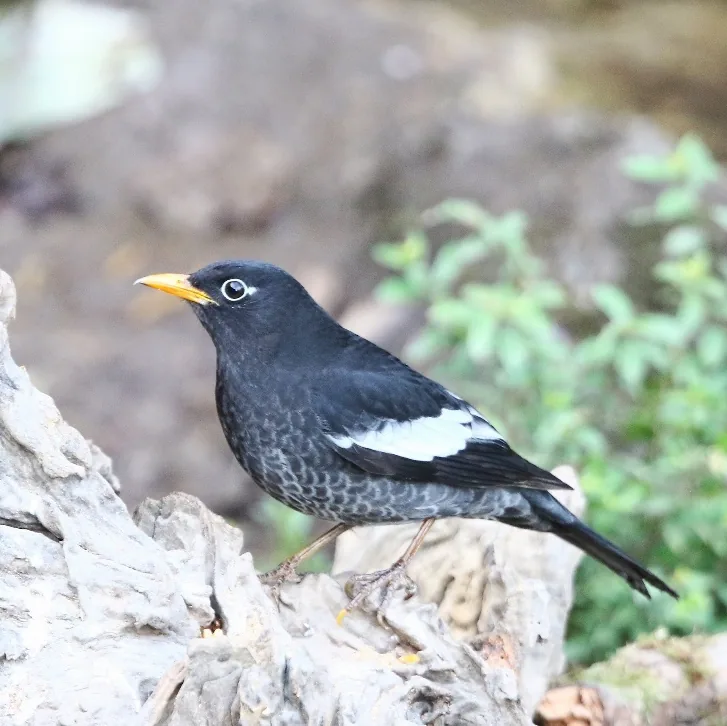
Beyond the laughingthrushes, other members of the family also showed up, including Grey and Rufous-backed Sibias and especially striking Scarlet-faced Liocichlas. Rusty-capped Fulvettas, a family of Large Woodshrikes, several hefty Grey-winged Blackbirds, and even a Slaty-backed Forktail added further variety. One unusual moment was when a Stripe-breasted Woodpecker shuffled down a trunk and hopped across to the water feature for a drink. One of our most anticipated species was Blue-naped Pitta. It appeared for only a second before being flushed by noisy bulbuls, prompting a tense wait. Fortunately it returned, hopping into the open and feeding leisurely, offering superb views.
While the hides were consistently productive, roadside birding also produced a number of notable species. Maroon Oriole and Bar-winged Flycatcher-shrike were encountered away from the feeding stations, while a pair of Great Hornbills caused excitement when they crossed the river from Myanmar. A roosting Collared Falconet showed well alongside a Common Hill Myna. Yellow-bellied Fairy-fantails and Blue-bearded Bee-eater hawked insects while Striated Bulbuls fed in a fruiting bush. Active groups of Striated Yuhinas moved through bamboo stands as well as mixed flocks of Rufous-headed and Black-browed Parrotbills. We also found a softly squeaking White-browed Piculet which eventually revealed itself in the bamboo stems, and we coaxed a Davison’s Leaf Warbler into view, its song carrying throughout the forest.
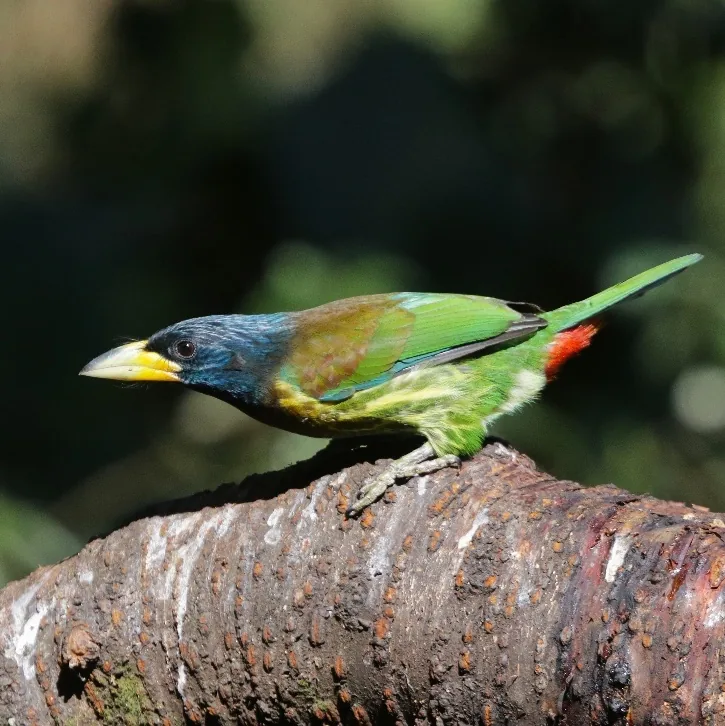
Raptors added further interest, including Crested Serpent Eagle, Black Eagle, Jerdon’s Baza, a juvenile Rufous-bellied Eagle, and Mountain Hawk-Eagle. Along the river we recorded Black-backed Forktail and River Lapwing, while fruiting trees attracted feeding groups of Pin-tailed and Wedge-tailed Green Pigeons. The calls of barbets echoed throughout the valley, and we had tracked down all three species present: Great, Blue-throated, and Blue-eared Barbets.
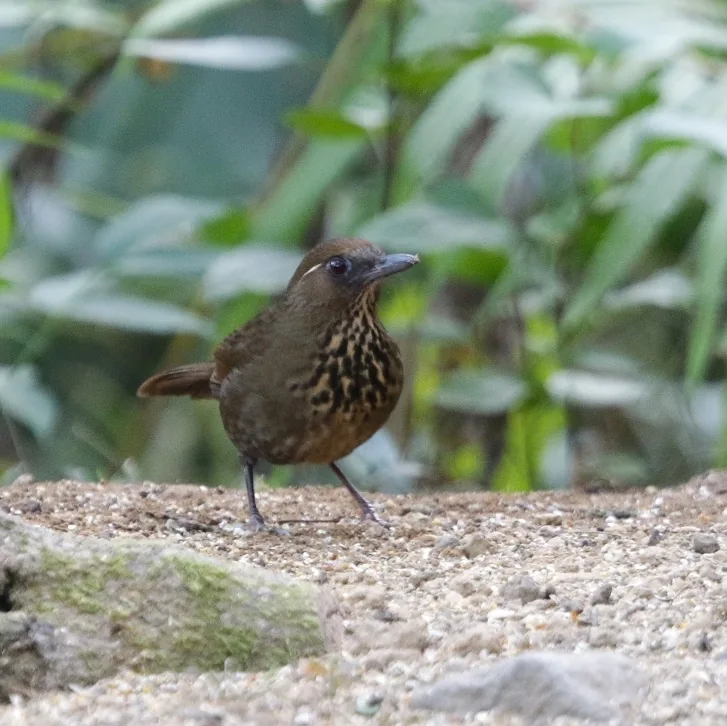
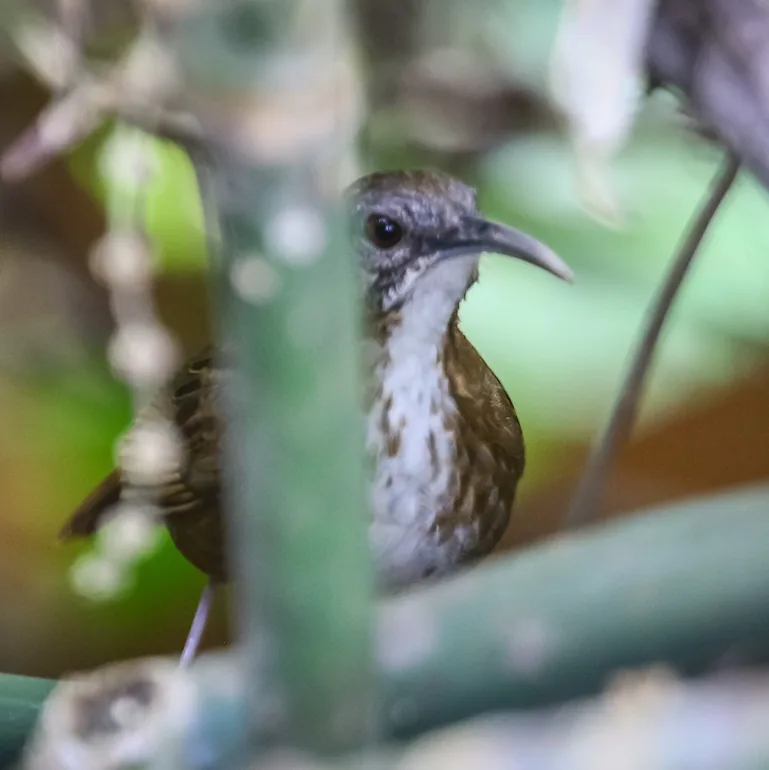
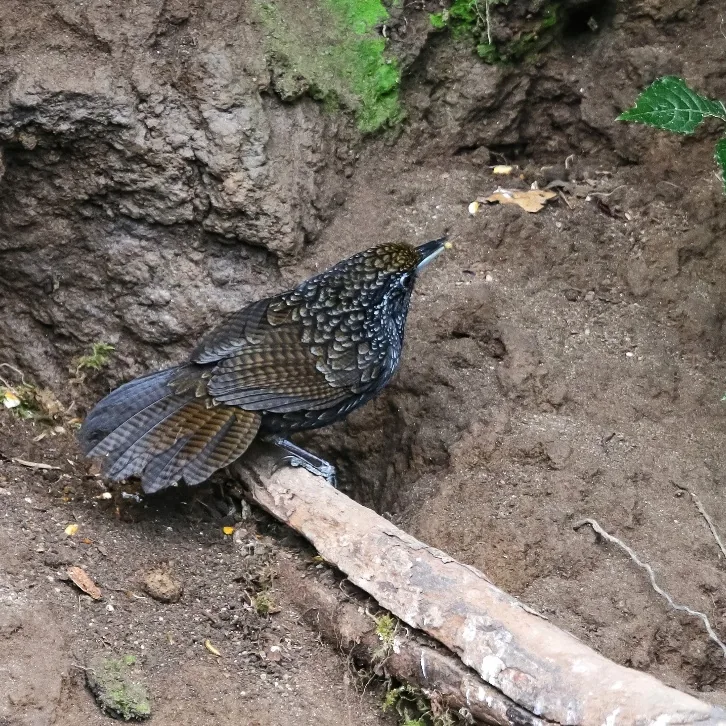
Two of the standout species encountered away from the hides were particularly skulky. The first, a Grey-bellied Wren-Babbler, moved quietly through the understory, singing regularly but offering only brief views before disappearing down the forested slope. The second was an extraordinary encounter with the enigmatic Naung Mung Wren-Babbler that gave us an unforgettable performance. Described in 2005, its range is largely restricted to Myanmar, with only a handful of records from China following a discovery of a pair found in the area. Even here, it is more often heard than seen. After hearing a pair calling below us, we positioned ourselves at the edge of a ravine tangled with bamboo and branches. Gradually, the birds were coaxed up, hopping through the understory just feet away. Though most views were fleeting or partially obscured, everyone managed excellent views at this almost mythical bird. With such a remarkable list of birds in hand, we continued our journey.
Driving north for an overnight stay, we arrived the next morning at a fog-draped river. Before exiting the bus, our primary target, Brown-winged Parrotbills, were already visible, hopping through the dense riverside vegetation. Once on foot, we caught glimpses of the group as they fed and moved along. Determined for better views, we quickly moved downriver to intercept them at a bend. Moments later, they arrived in a thick bamboo clump and then rose up the bank toward us, feeding and calling back and forth, allowing extended views before we followed them a short distance along the river and then turned our attention to other species.
The rock-lined river was alive with activity. Plumbeous and White-capped Redstarts were active along the banks, River Lapwings patrolled the shallows, and a pair of Ibisbill eventually appeared. The grasses along the water were bustling with Black-faced and Little Buntings, while Tickell’s Leaf Warblers flitted among the stems. In the surrounding conifers, we located Black-headed Greenfinches, Bramblings, and Common Rosefinches.
Continuing to another park, we spent birding through a forested section. Silver-eared Mesias, Mrs. Gould’s Sunbirds, and Scarlet Minivets added vivid splashes of colour, while Cinereous and Green-backed Tits moved through the canopy. Several Sichuan Leaf Warblers, a Verditer Warbling-Flycatcher, and a Chestnut-vented Nuthatch foraging along the path kept us engaged. In the leaf litter just off the trail, a Scaly Thrush was located. Our main target, Slender-billed Oriole, called intermittently, foraging in the canopy and occasionally gave us fleeting views. With the day pressing on, we continued north to Baihualing in Gaoliganshan, ready to begin exploring the next series of hides.
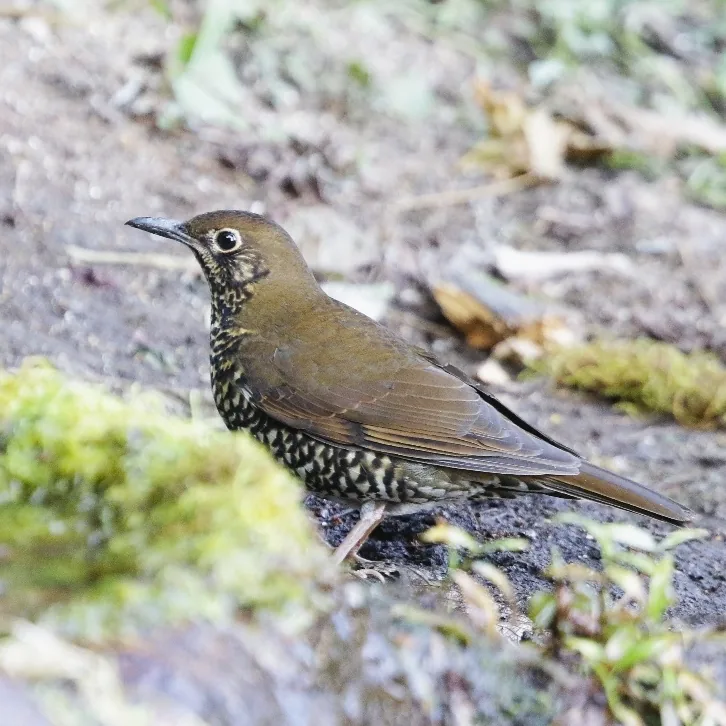
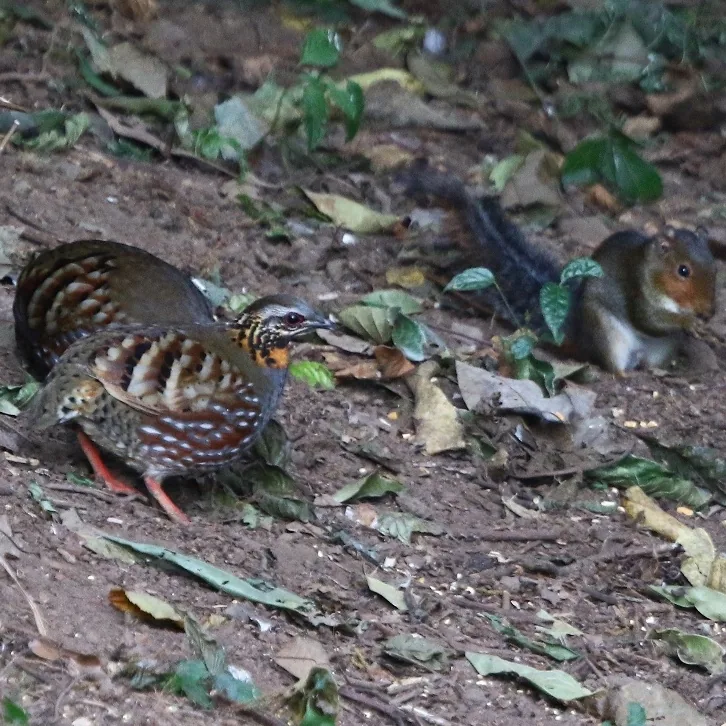
The hides at Baihualing, situated at a higher elevation, offered a subtle mix of species while still sharing some of the birds in Hongbenghe. A full day here produced exceptional views of numerous species including a pair of Rufous-throated Partridges feeding alongside a Red-cheeked Squirrel. Apples suspended from vines attracted a colourful mix of birds, including Great Barbets, Beautiful, Black-headed, and Long-tailed Sibias, along with numerous Crested Finchbills. On the edges, Rusty- capped and Yunnan Fulvettas waited patiently for a chance to feed. Meanwhile, a Himalayan Shortwing, several vibrant Himalayan Bluetails, and an energetic Pygmy Cupwing emerged briefly from the brush beside the hide to snatch worms before retreating back into cover. A particularly striking male Chestnut-bellied Rock Thrush also appeared, perching on top of a bamboo stalk and then dropped to a stump to collect food.
Laughingthrushes were a highlight, putting on a spectacular show. Red-tailed Laughingthrushes and Scarlet-faced Liocichlas with their bold red hues, Scaly, Assam, and Blue-winged Laughingthrushes performing below the hide together with Blue- winged and Red-tailed Minlas, and Silver-eared Mesias.
The thrushes were equally impressive, with large-sized Grey-winged Blackbirds particularly prominent alongside Long-tailed Thrushes, numerous Black-breasted Thrushes, and a lone Japanese Thrush. A surprise sighting of Himalayan Thrush was a welcome addition to the list. Dark blue Large Niltavas were frequent visitors, and a female Scarlet Finch paused briefly to drink. The babblers also provided endless entertainment, with Black-streaked and Slender-billed Scimitar Babblers showing off their specialist feeding techniques, especially the latter, using its long bill to extract hidden morsels. A pair of Cachar Wedge-billed Babblers also made a brief appearance, snatching mealworms before disappearing again. The combination of high-elevation species, strikingly coloured birds and the constant activity around the hide made Baihualing one of the highlights of the tour. After leaving Baihualing, we continued northwest into the mountains and entered a conifer forest in search of new targets. Almost immediately, the song of a Rufous-tailed Babbler, floated up the track. The little bird hopped to the top of a brush pile and sang for a few seconds before it dropped down and approached us, providing excellent views.
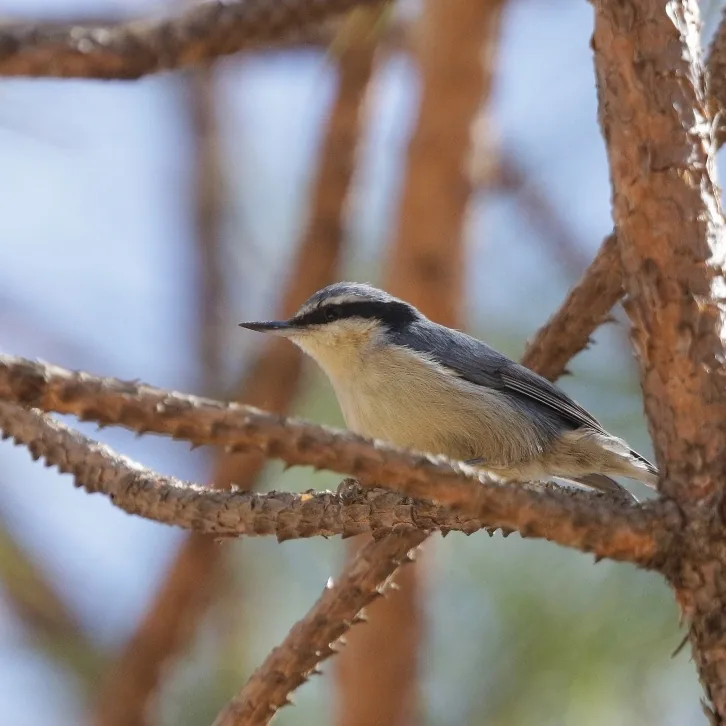
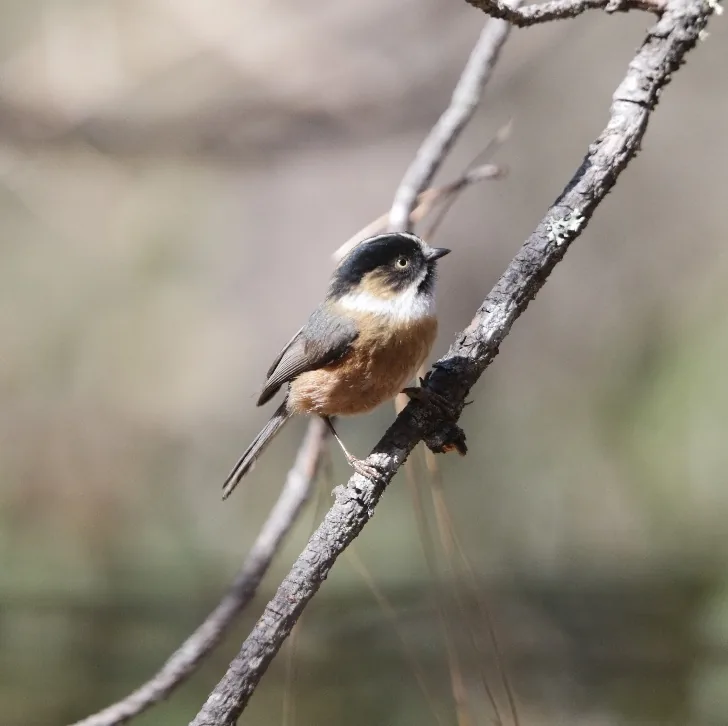
Further along, the high-pitched nasal calls of a pair of Yunnan Nuthatches drew our attention. While watching them move through the conifers, Black-browed and Black-throated Bushtits were drawn in by the calls, followed by Cinereous and Black- bibbed Tits, Blyth’s Shrike-Babblers, and even an inquisitive Erpornis.
Our final target here remained. After tracking down its calls several times, we eventually located a group of Spectacled Fulvettas. The birds moved around us while feeding at close range, providing an enjoyable conclusion to our morning in the mountains.
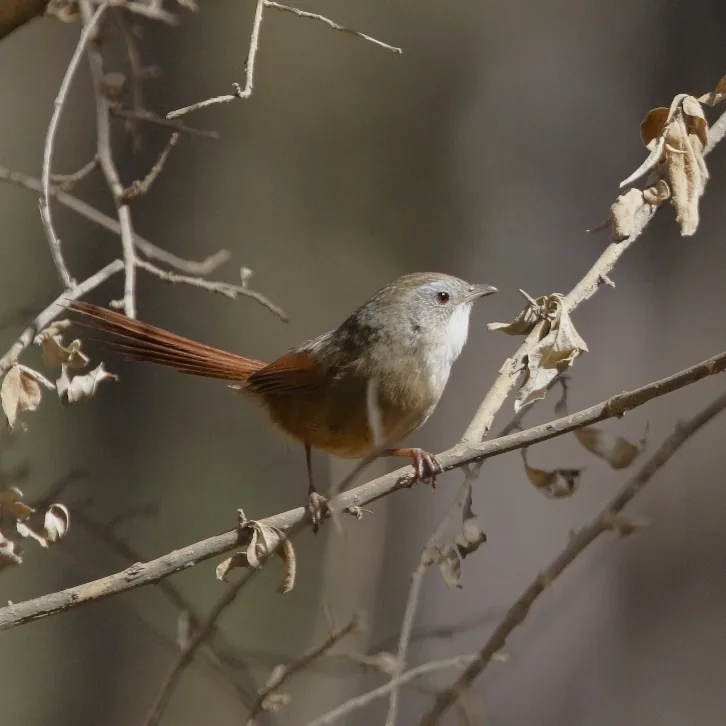
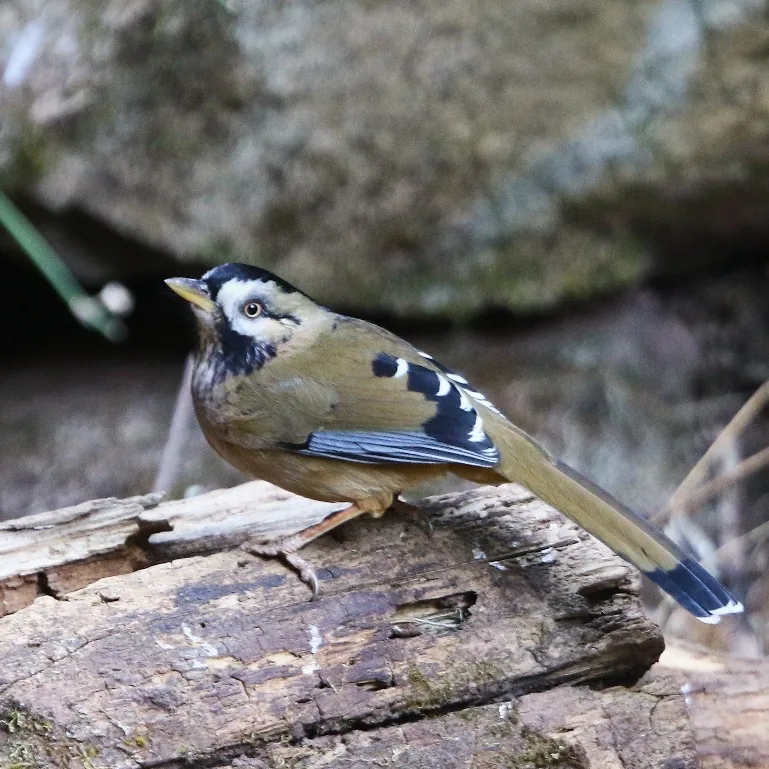
After lunch, we stopped at a forested roadside in search of for Eye-ringed Parrotbills and encountered a large flock moving rapidly through the conifer understory. Following the flock, we flushed a Striped Prinia and several Buff-throated Warblers, while Godlewski’s, Little, and Yellow-throated Buntings added further interest. Although the parrotbills quickly slipped out of sight, we shifted our attention back to the prinia, we tracked it down on a small clump of conifers to enjoy fine views.
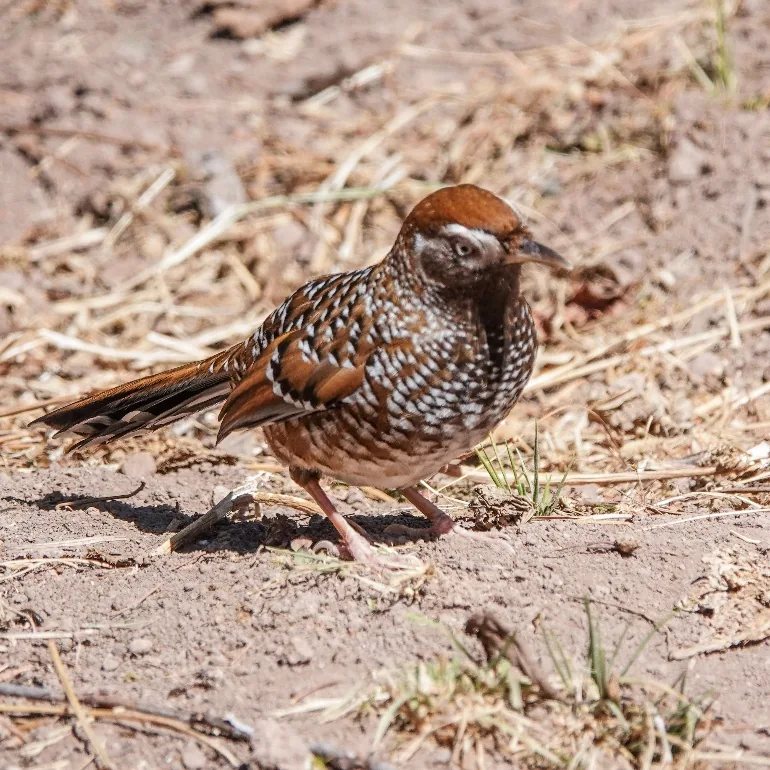
From there, we continued to a small village at the end of a winding road through extensive conifer forest, in search for China’s most sought-after birds: Biet’s Laughingthrush. This rare and range-restricted species endemic to China, has become more approachable at a few feeding stations, yet it remains highly localised. They have rich chestnut plumage, black-and-white ocellations, large white eye patch, and powder-blue wing bar — one of the most distinctive and sought-after of all laughingthrushes.
We visited two hides the following morning, starting with the elusive Moustached Laughingthrush which eventually appeared nervously from the undergrowth. Elliot’s Laughingthrushes were less war, quickly arriving to feed alongside White-browed, Spectacled, and Manipur Fulvettas. Before we even reached the second hide, we found ourselves surrounded by Black-faced, Spotted, and Elliot’s Laughingthrushes. However, it was the Biet’s Laughingthrushes that held our attention. Several birds appeared a close range, foraging unconcernedly in front of us as they picked up mealworms and turned over leaves and forest litter in search of invertebrates, completely ignoring our presence. Their size, plumage, and confident behaviour made them impossible to miss, and we could only marvel at their beauty. In between hides we added more species, good views of Sharpe's Rosefinch, Chestnut-vented Nuthatch, numerous Black-headed Greenfinches and White-naped Yuhinas, and a lone Ashy- throated Warbler. With our final species secured, check-out, bags packed, before heading our separate ways after a highly successful tour.
Birds-of-the-trip
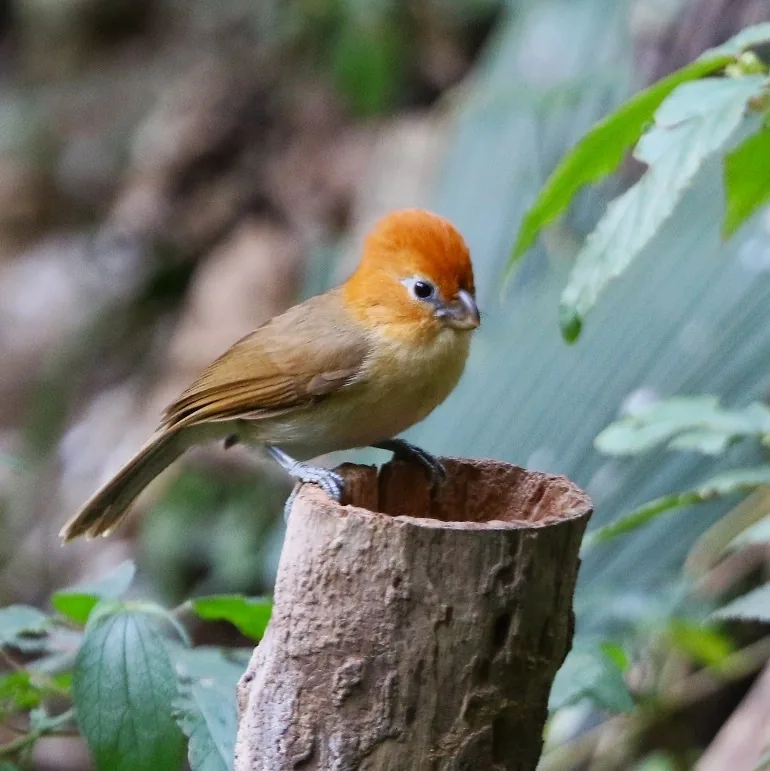
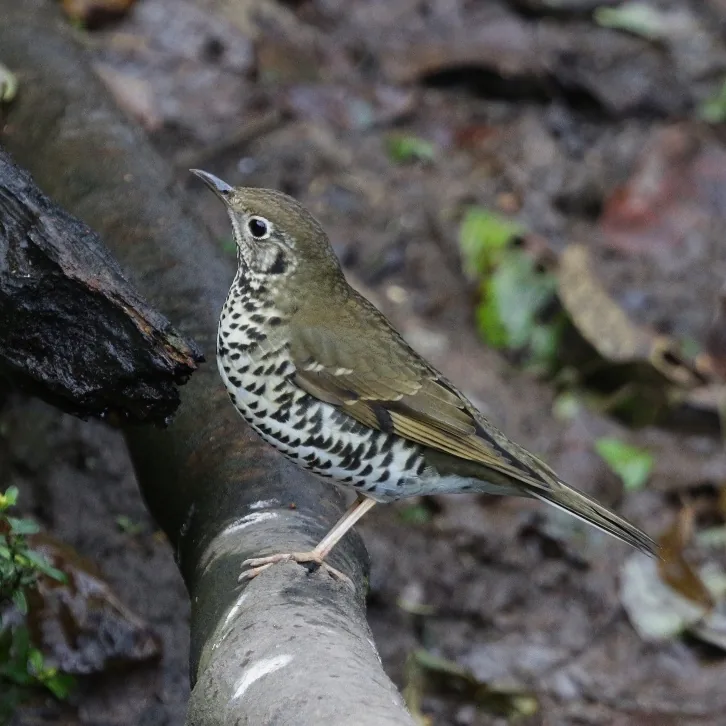
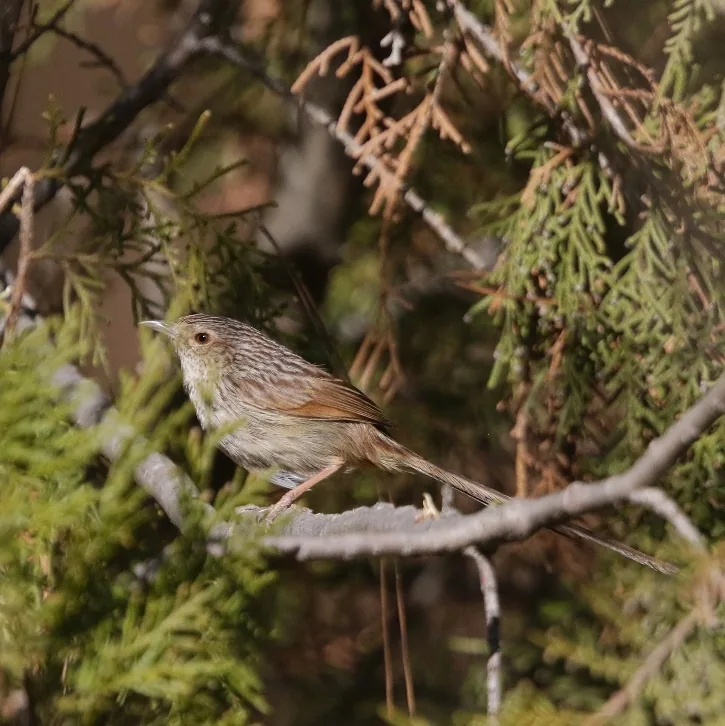
1. Hainan Peacock-Pheasant 2. Siberian Crane 3. Japanese Waxwing 4. Naung Mung Wren-Babbler 5. -Scaly-sided Merganser -Biet's Laughingthrush
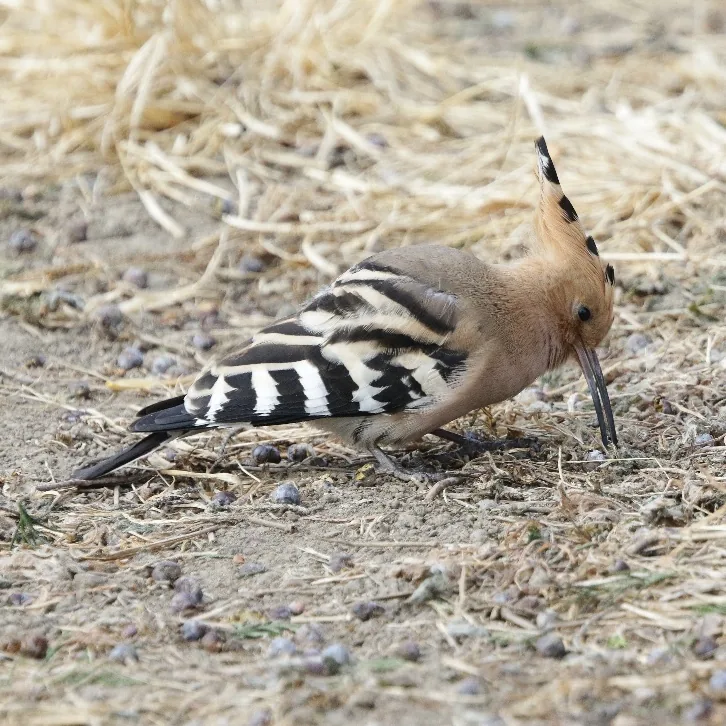
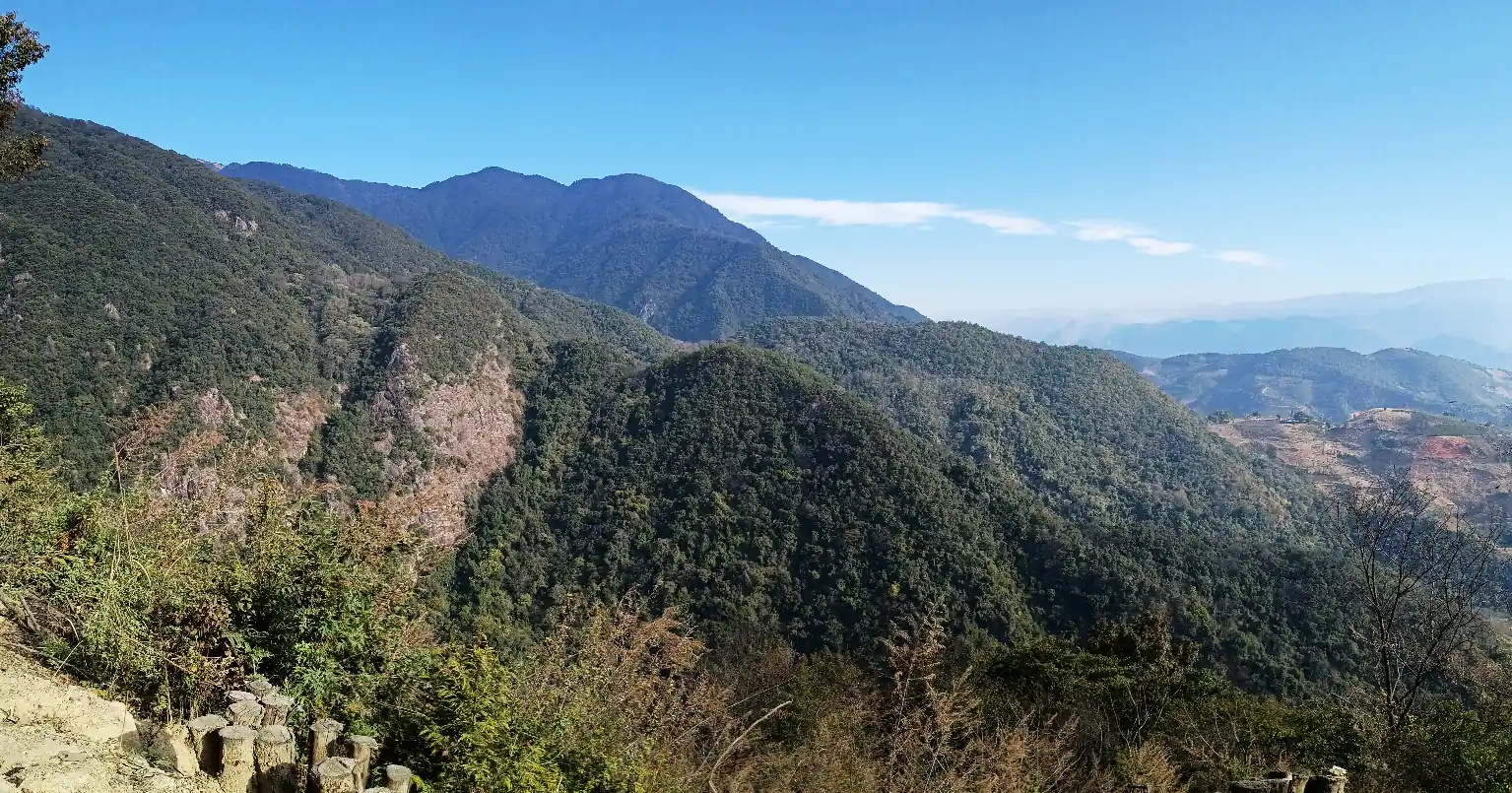
Additional photos from the tour
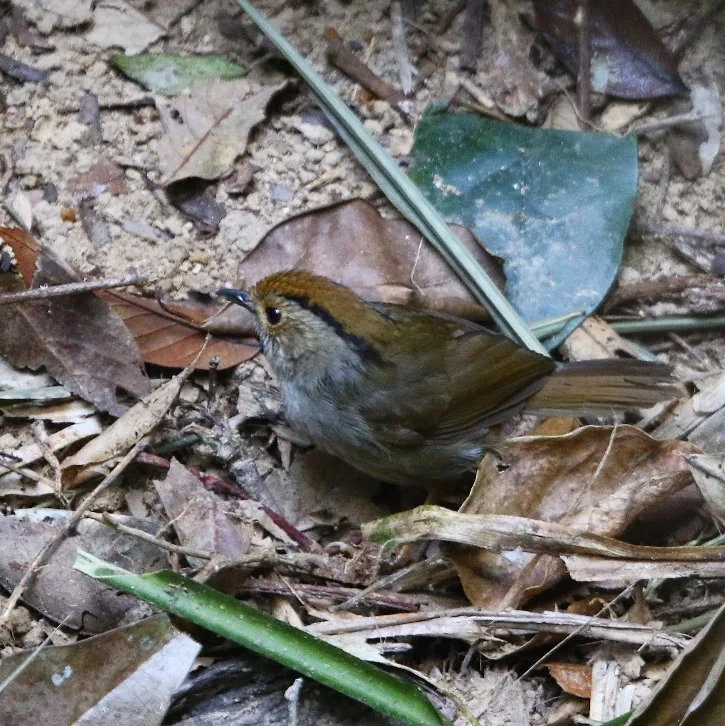
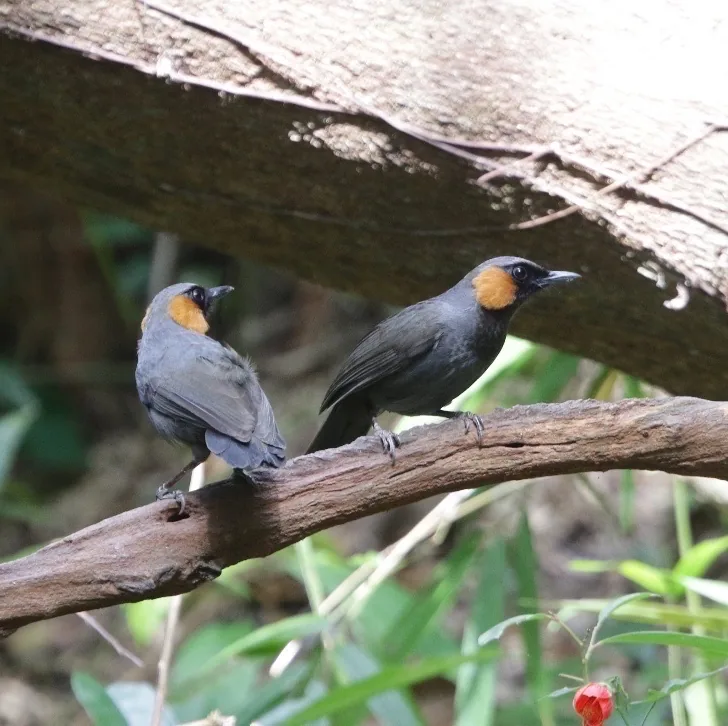
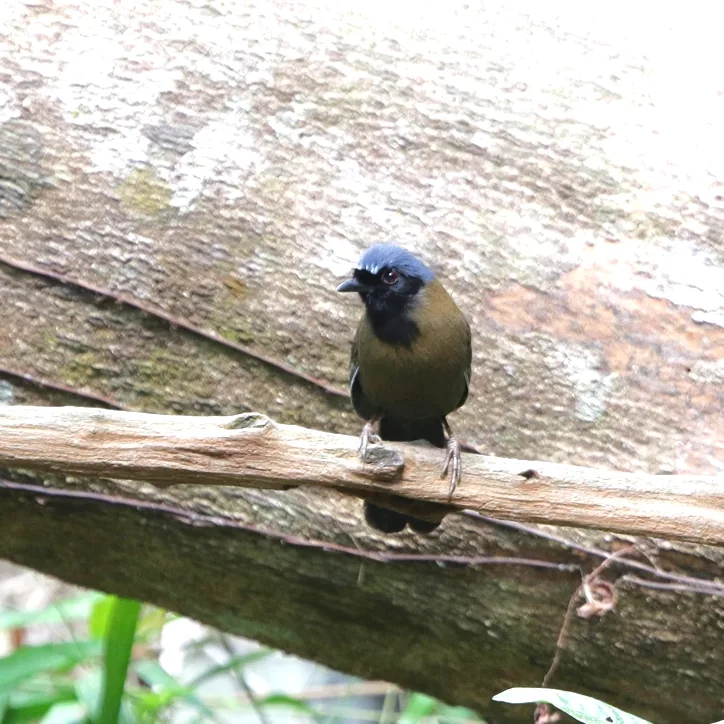
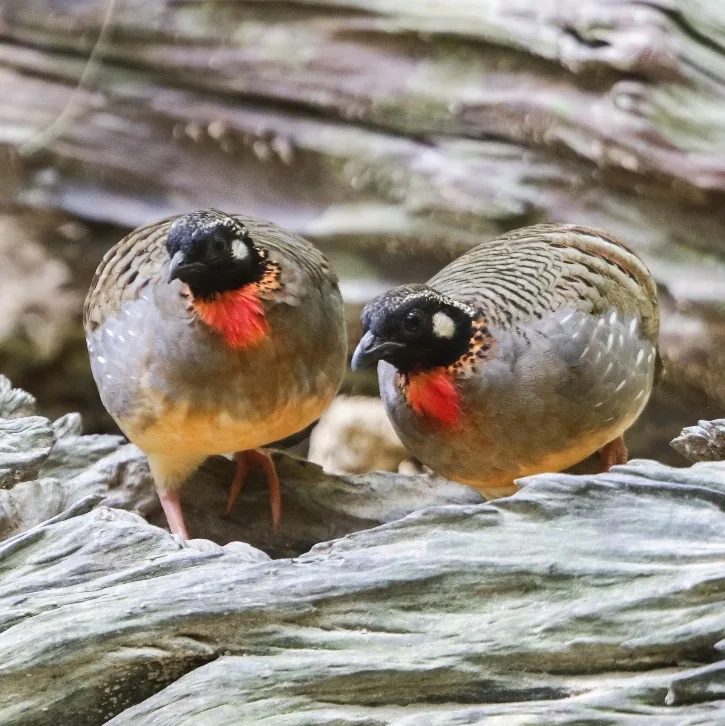
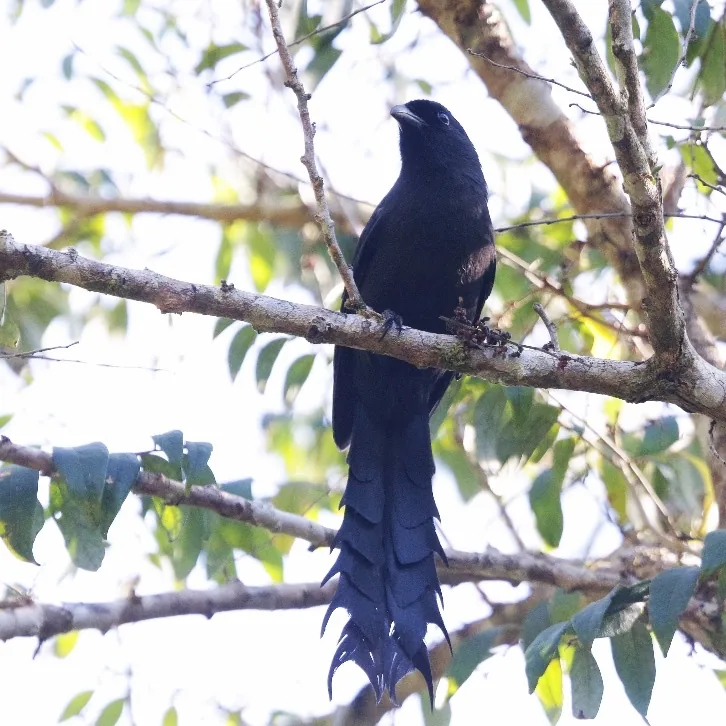
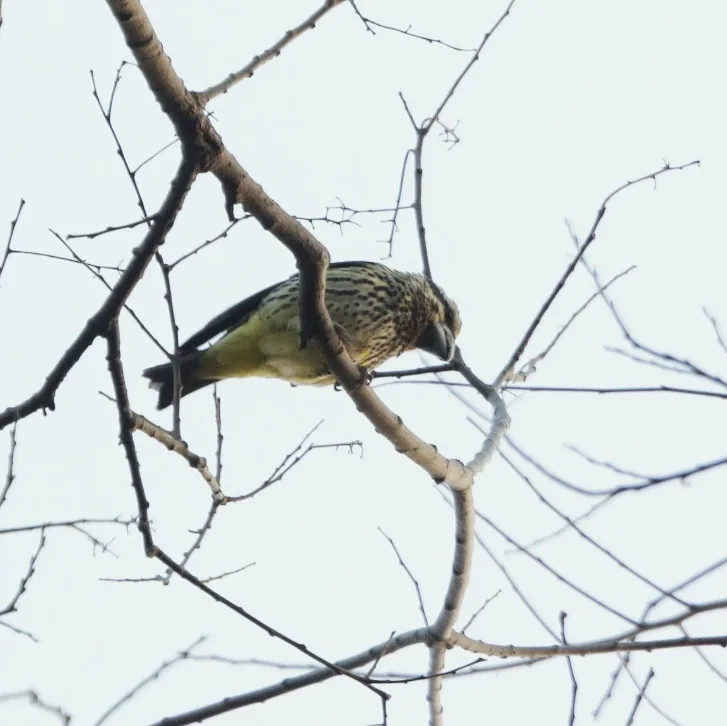
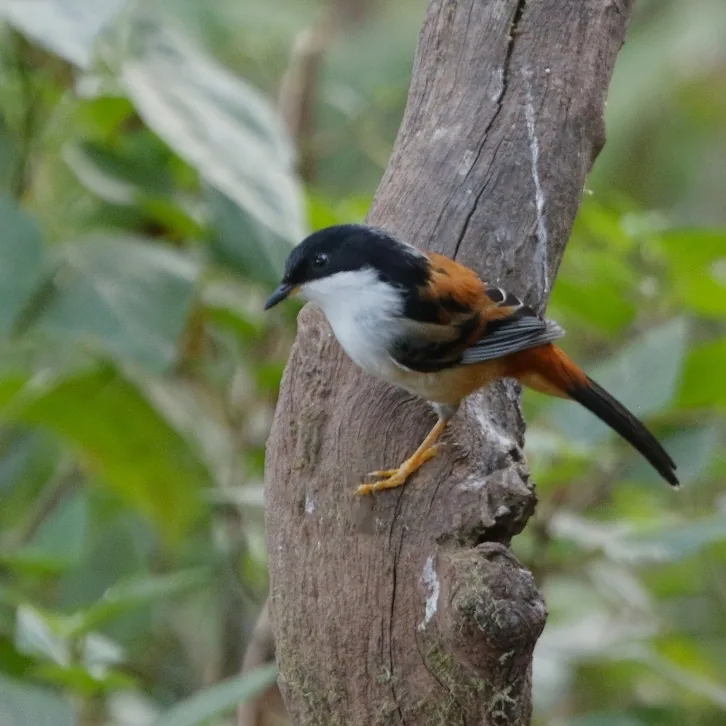
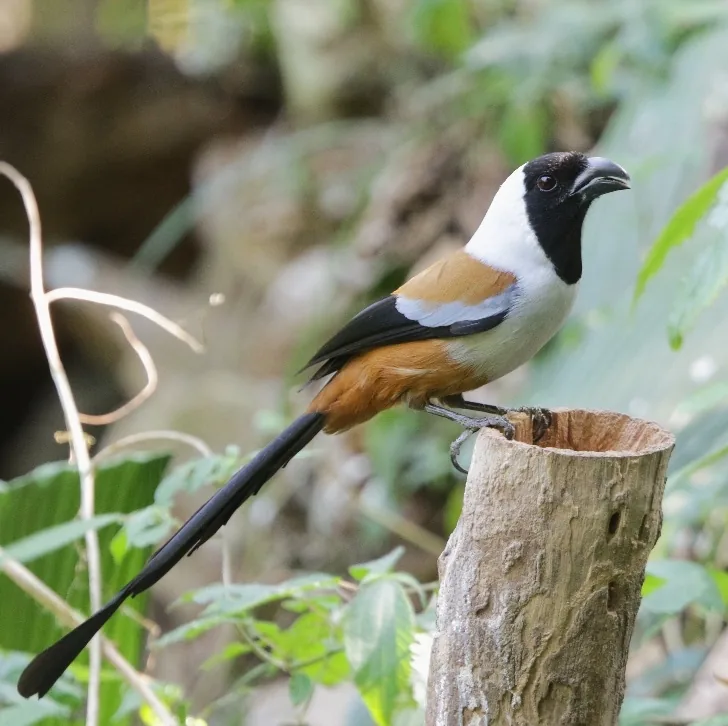
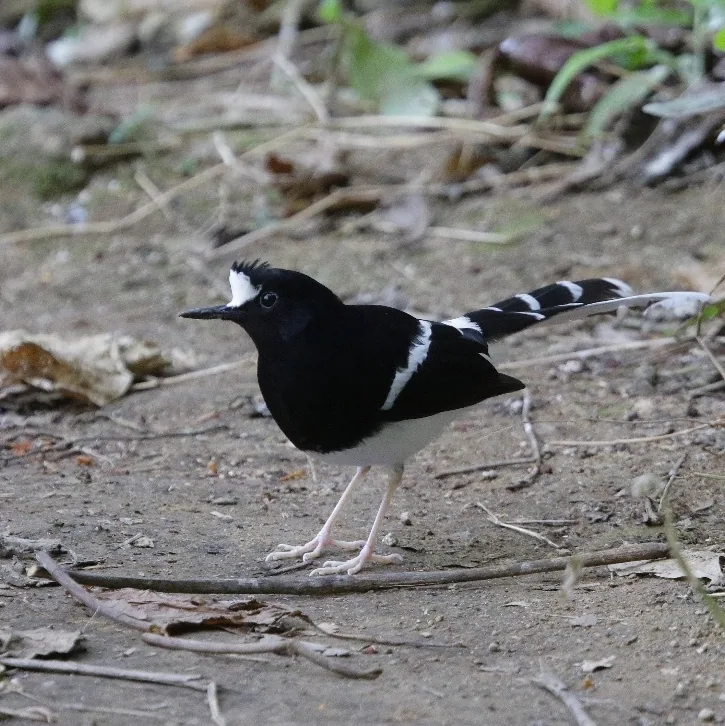
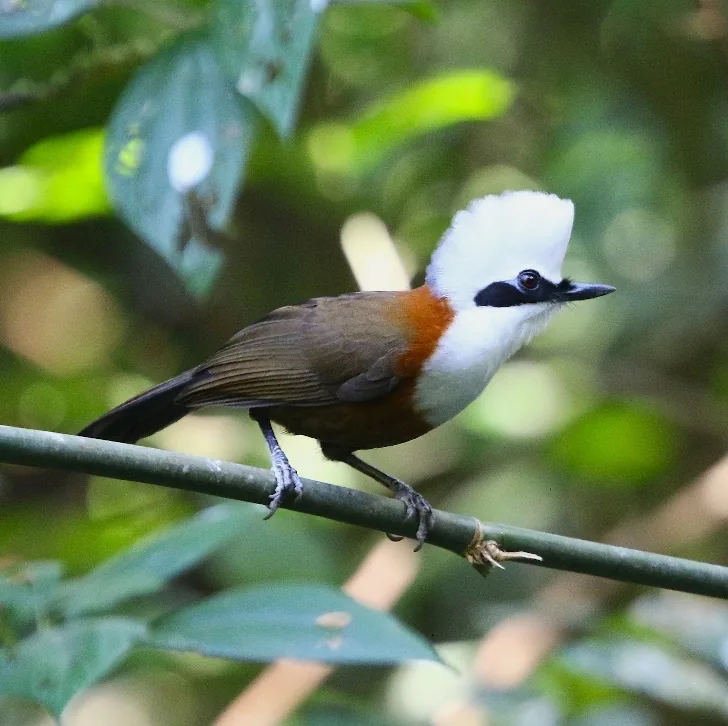
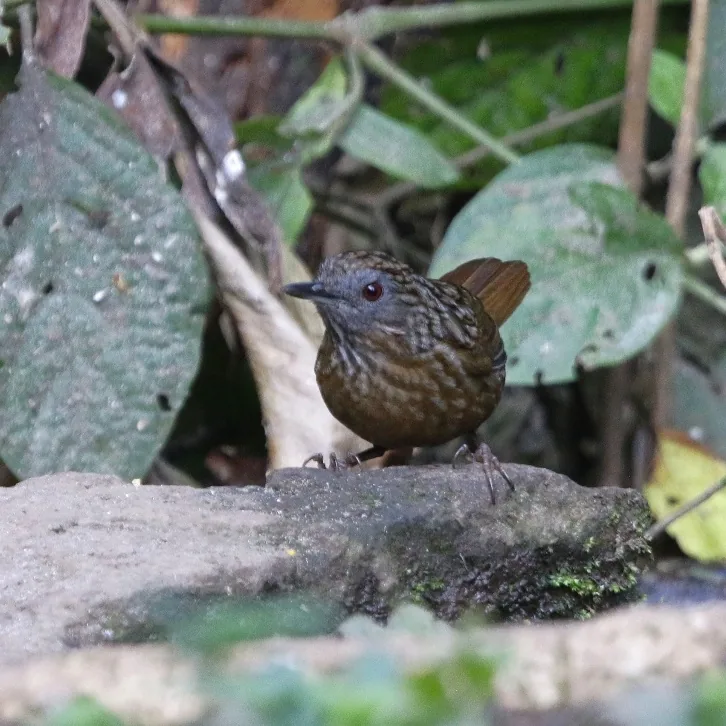
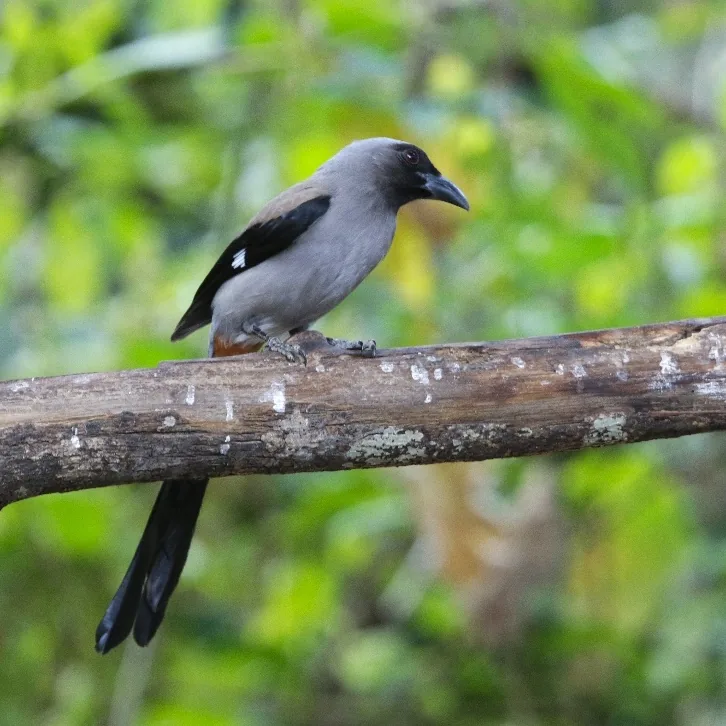
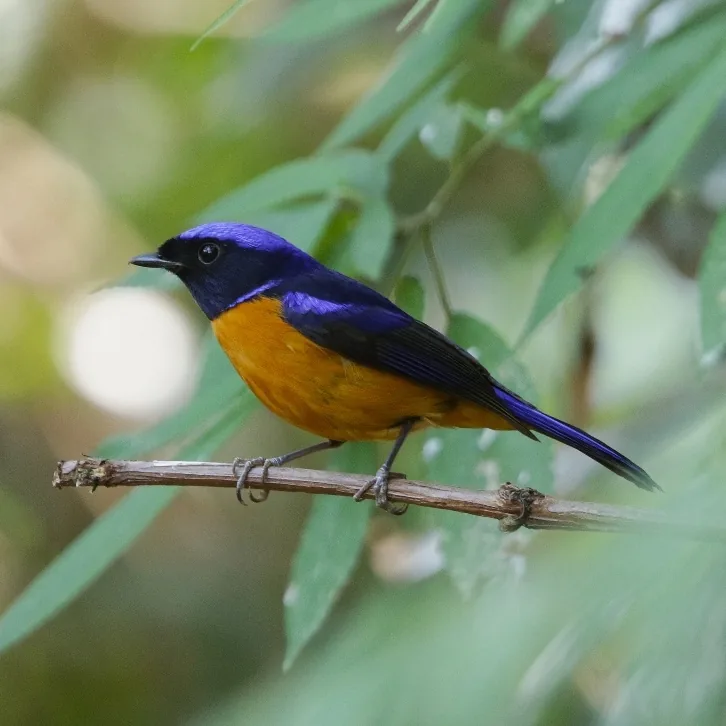
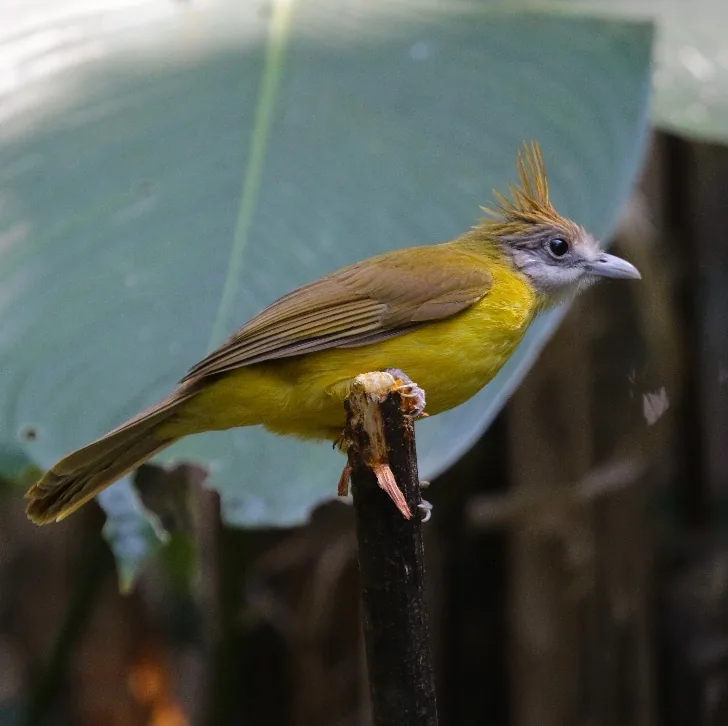
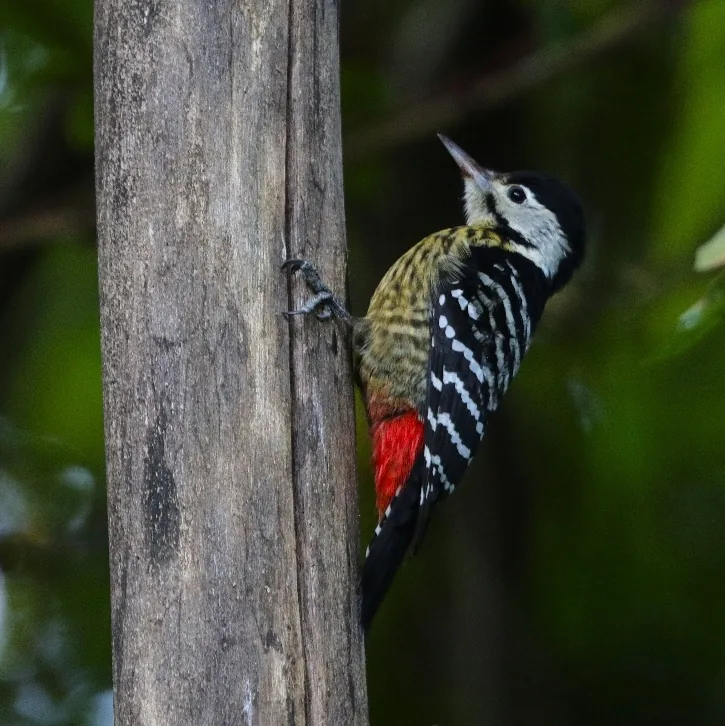
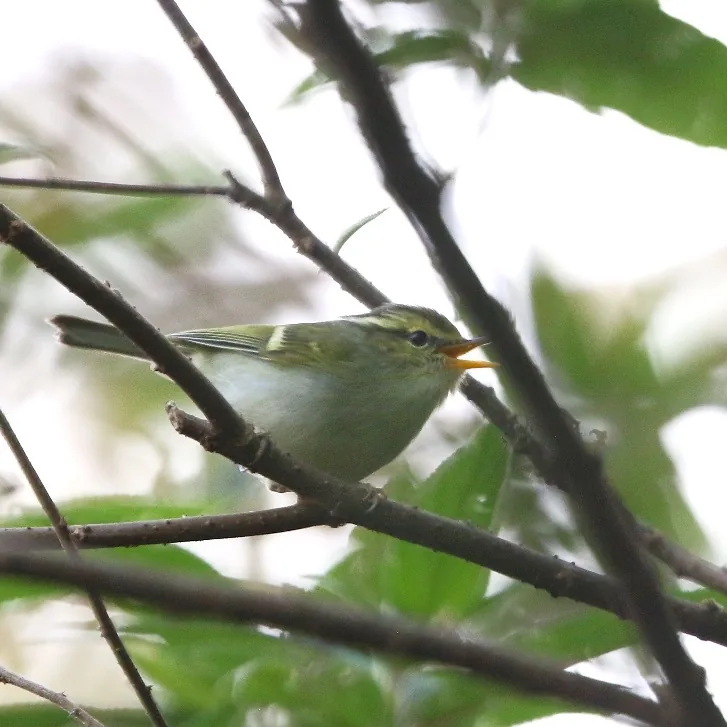
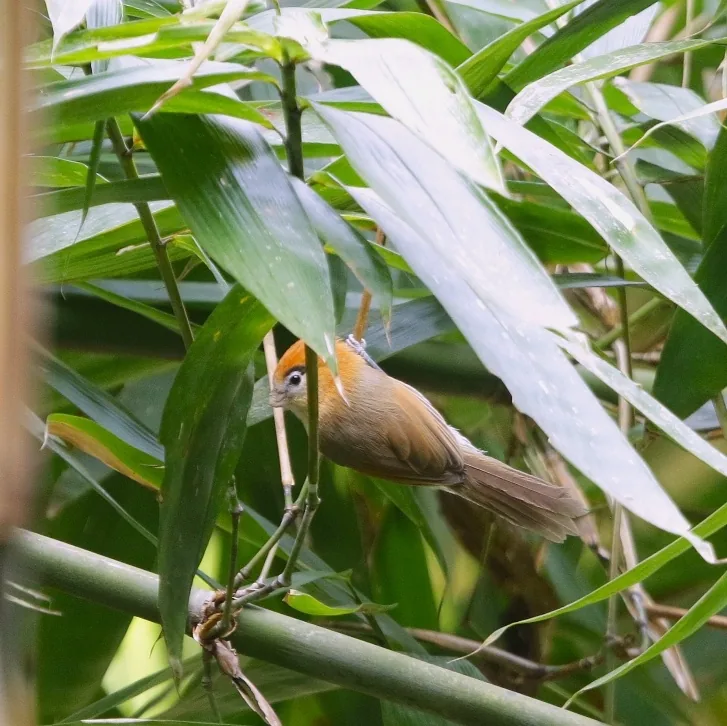
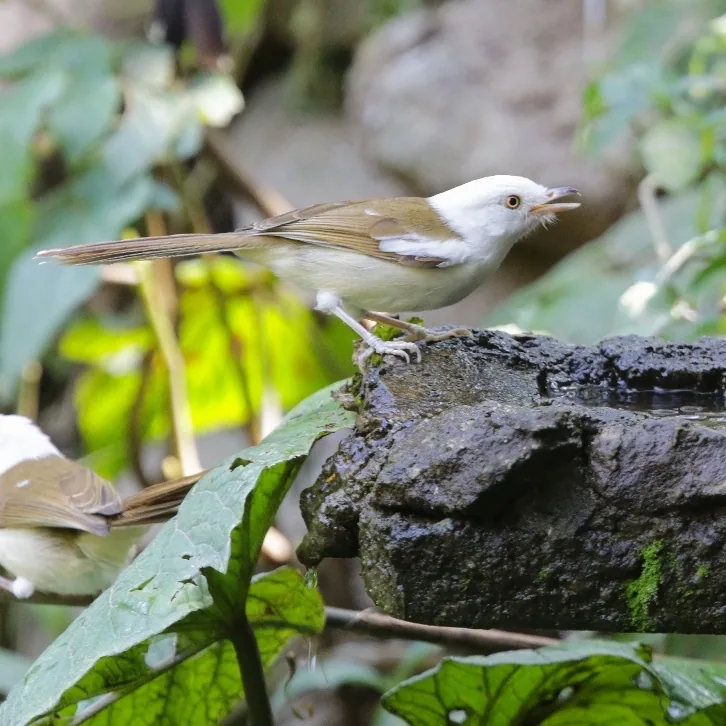
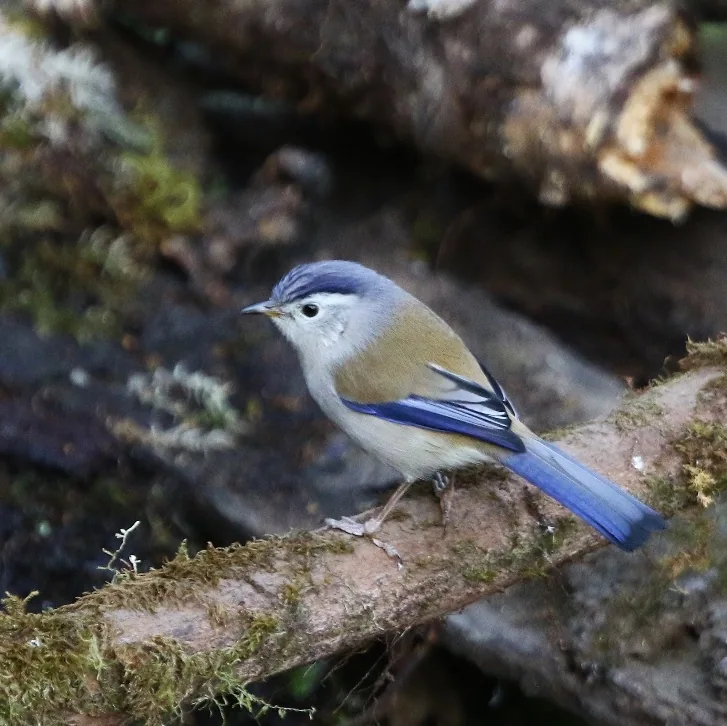
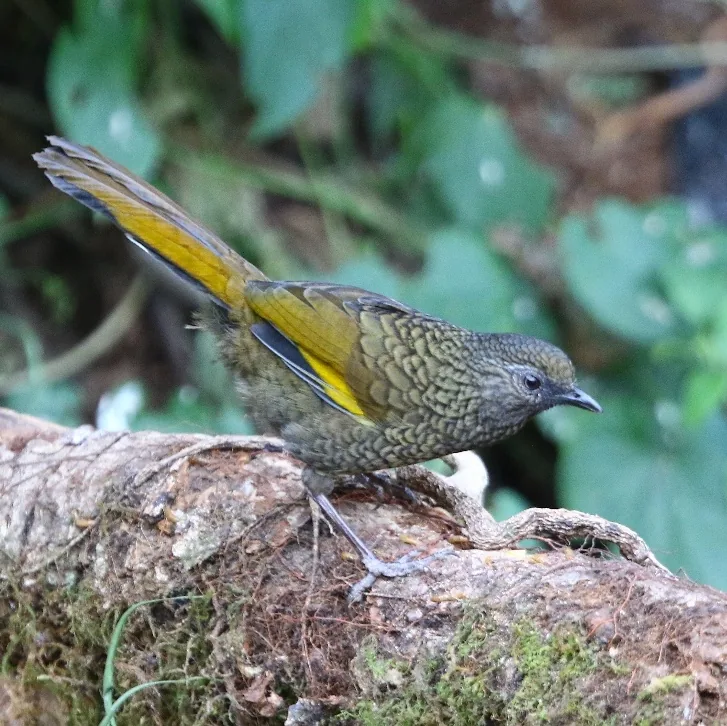
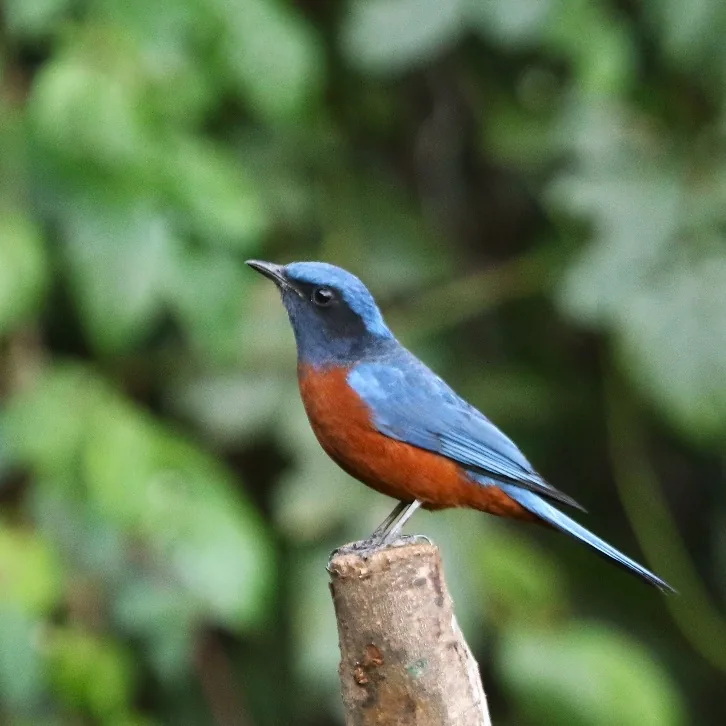
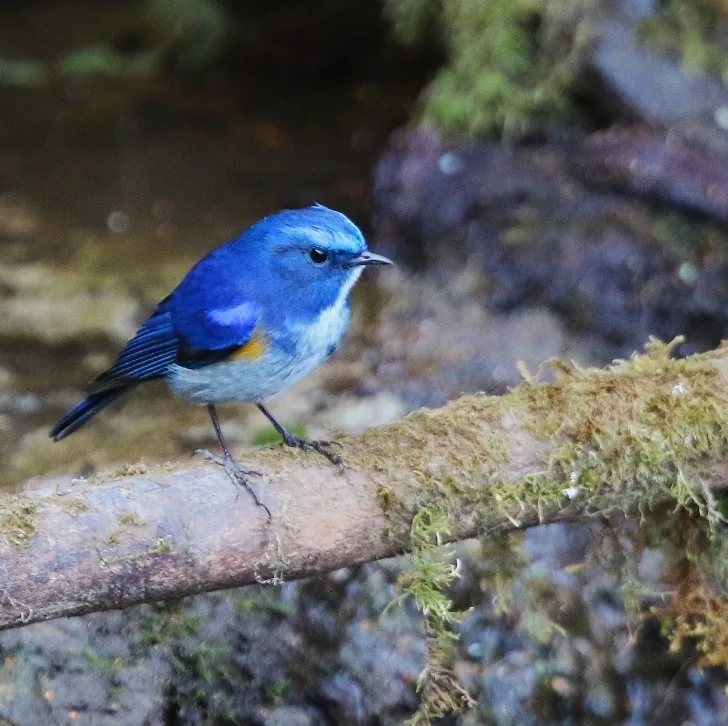
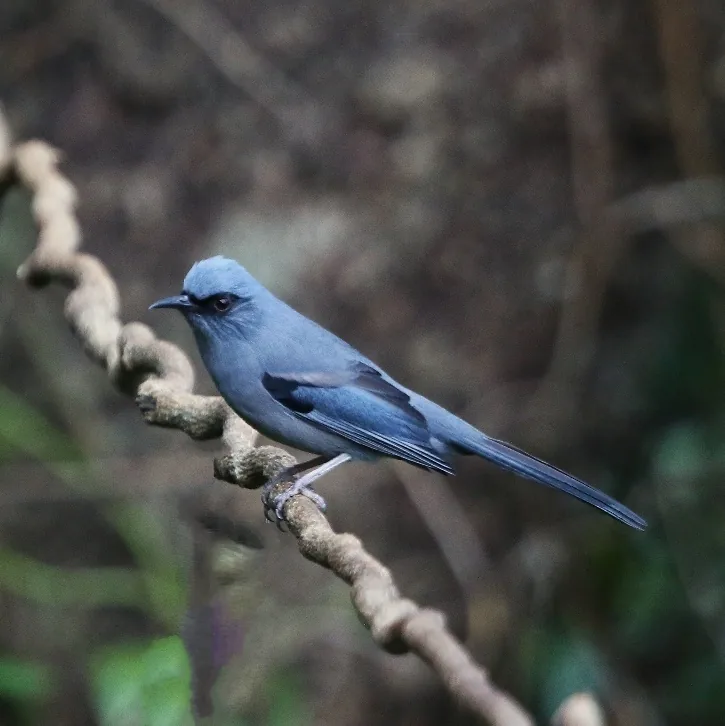
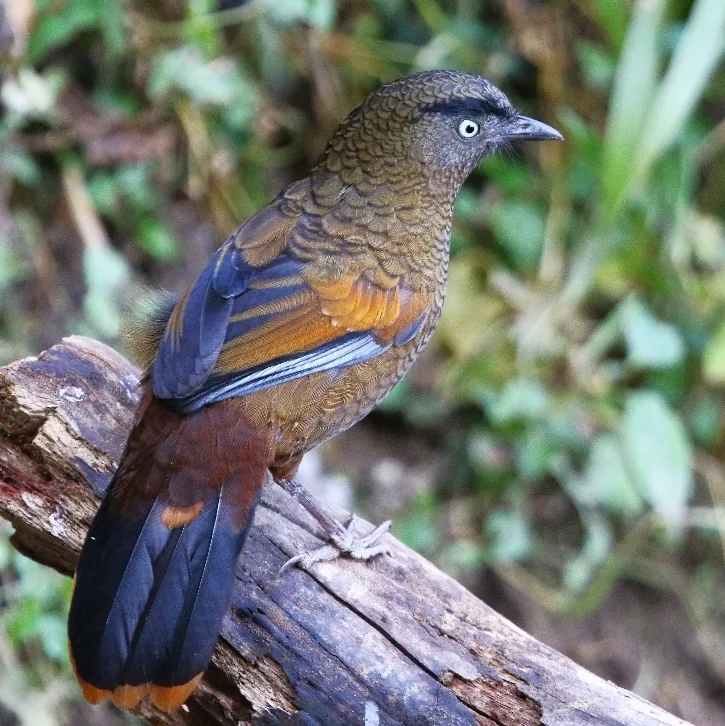
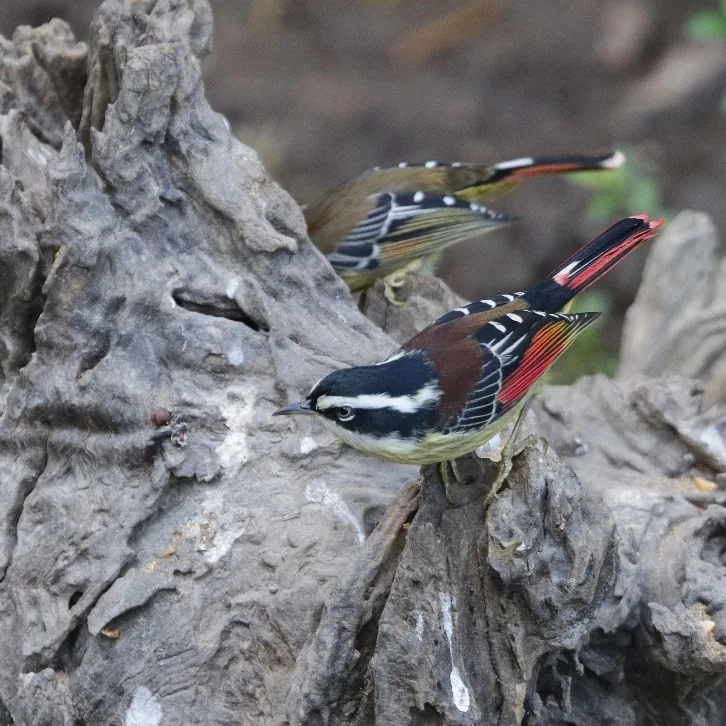
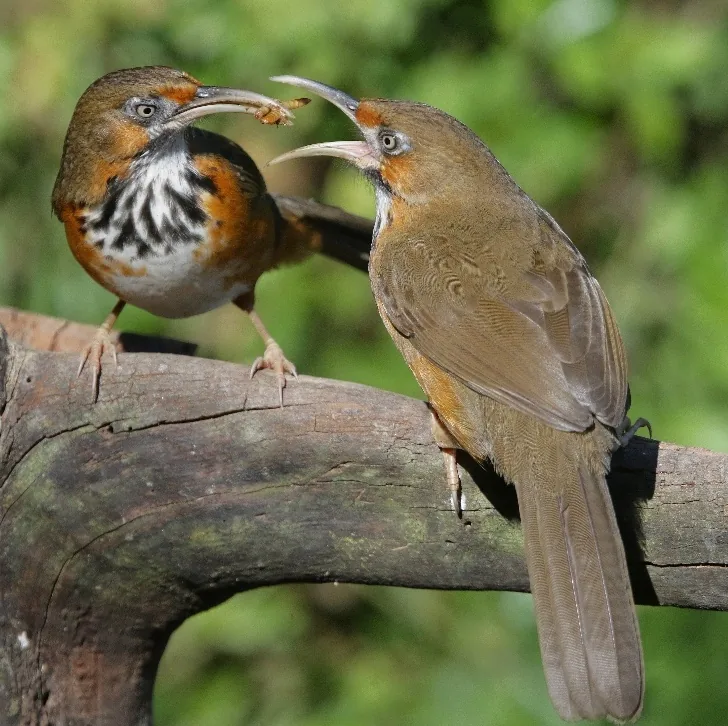
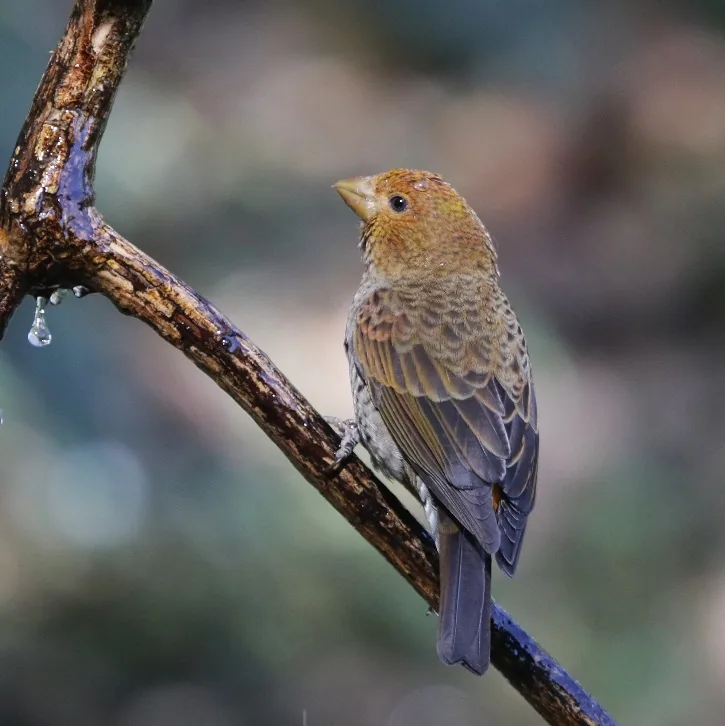
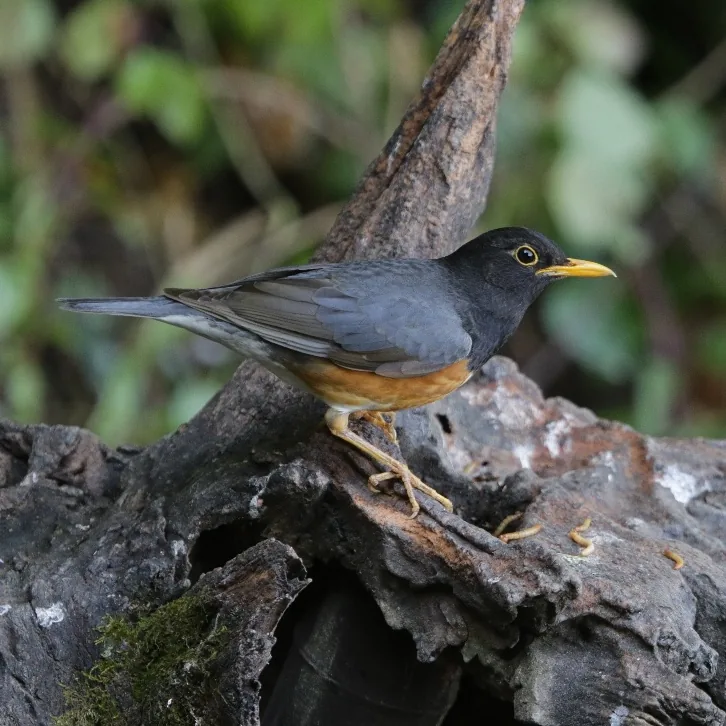
Systematic List
| ANSERIFORMES: Anatidae | |
|---|---|
| Swan Goose | Anser cygnoides |
| Greylag Goose | Anser anser rubrirostris |
| Bar-headed Goose | Tadorna ferruginea |
| Taiga Bean Goose | Anser fabalis middendorffii |
| Tundra Bean Goose | Anser serrirostris serrirostris |
| Greater White-fronted Goose | Anser albifrons albifrons |
| Tundra Swan | Cygnus columbianus bewickii |
| Ruddy Shelduck | Tadorna ferruginea |
| Common Shelduck | Tadorna tadorna |
| Mandarin Duck | Aix galericulata |
| Eurasian Wigeon | Anas penelope |
| Falcated Duck | Anas falcata |
| Gadwall | Anas strepera |
| Eurasian Teal | Anas crecca |
| Mallard | Anas platyrhynchos |
| Chinese / Eastern Spot-billed Duck | Anas poecilorhyncha |
| Northern Pintail | Anas acuta |
| Northern Shoveler | Anas clypeata |
| Common Pochard | Aythya ferina |
| Ferruginous Pochard | Aythya nyroca |
| Baer's Pochard | Aythya baeri |
| Tufted Duck | Aythya fuligula |
| Scaly-sided Merganser | Mergus squamatus |
| Common Merganser | Mergus merganser |
| Smew | Mergellus albellus |
| GALLIFORMES: Phasianidae | |
| Red Junglefowl | Gallus gallus spadiceus |
| Rufous-throated Partridge | Arborophila rufogularis intermedia |
| Hainan Partridge | Arborophila ardens |
| White-cheeked Partridge | Arborophila atrogularis |
| Bar-backed Partridge | Arborophila brunneopectus |
| Chinese Bamboo Partridge (heard only) | Bambusicola thoracicus |
| Mountain Bamboo Partridge | Bambusicola fytchii fytchii |
| Kalij Pheasant | Lophura leucomelanos lathami |
| Silver Pheasant | Lophura nycthemera whiteheadi |
| Common Pheasant | Phasianus colchicus karpowi Phasianus colchicus torquatus |
| Brown Eared-Pheasant | Crossoptilon mantchuricum |
| Grey Peacock-Pheasant | Polyplectron bicalcaratum |
| Hainan Peacock-Pheasant | Polyplectron katsumatae |
| PODICIPEDIFORMES: Podicipedidae | |
| Little Grebe | Tachybaptus ruficollis poggei |
| Great-crested Grebe | Podiceps cristatus cristatus |
| COLUMBIFORMES: Columbidae | |
| Oriental Turtle Dove | Streptopelia orientalis orientalis |
| Eastern Spotted Dove | Streptopelia chinensis chinensis |
| Eurasian Collared Dove | Streptopelia decaocto |
| Barred Cuckoo Dove | Macropygia unchall minor |
| Asian Emerald Dove | Chalcophaps indica indica |
| Pin-tailed Green Pigeon | Treron apicauda apicauda |
| Wedge-tailed Green Pigeon | Treron sphenurus sphenurus |
| Mountain Imperial Pigeon | Ducula badia griseicapilla |
| CUCULIFORMES: Cuculidae | |
| Green-billed Malkoha | Phaenicophaeus tristis |
| APODIFORMES: Apodidae | |
| House Swift Apus [affinis] nipalensis Himalayan Swiftlet | Aerodramus brevirostris |
| Asian Palm Swift | Cypsiurus balasiensis infumatus |
| CICONIIFORMES: Ciconiidae | |
| Oriental Stork | Ciconia boyciana |
| GRUIFORMES: Gruidae | |
| Siberian Crane | Leucogeranus leucogeranus |
| White-naped Crane | Antigone vipio |
| Common Crane | Grus grus |
| Hooded Crane | Grus monacha |
| GRUIFORMES: Rallidae | |
| Brown Crake | Amaurornis akool |
| White-breasted Waterhen | Amaurornis phoenicurus phoenicurus |
| Common Moorhen | Gallinula chloropus chloropus |
| Eurasian Coot | Fulica atra atra |
| CHARADRIIFORMES:Ibidorhynchidae Ibisbill | Ibidorhyncha struthersii |
| CHARADRIIFORMES: Recurvirostridae | |
| Black-winged Stilt | Himantopus himantopus |
| Pied Avocet | Recurvirostra avosetta |
| CHARADRIIFORMES: Charadriidae | |
| Northern Lapwing | Vanellus vanellus |
| River Lapwing | Vanellus duvaucelii |
| Grey Plover | Pluvialis squatarola |
| Long-billed Plover | Charadrius placidus |
| Little Ringed Plover | Charadrius dubius curonicus |
| Kentish Plover | Anarhynchus alexandrinus nihonensis |
| CHARADRIIFORMES: Scolopacidae | |
| Common Snipe | Gallinago gallinago |
| Black-tailed Godwit | Limosa limosa melanuroides |
| Eurasian Curlew | Numenius arquata orientalis |
| Common Sandpiper | Actitis hypoleucos |
| Green Sandpiper | Tringa ochropus |
| Spotted Redshank | Tringa erythropus |
| Common Greenshank | Tringa nebularia |
| Marsh Sandpiper | Tringa stagnatilis |
| Wood Sandpiper | Tringa glareola |
| Common Redshank | Tringa totanus |
| Dunlin | Calidris alpina |
| CHARADRIIFORMES: Laridae | |
| Common Gull | Larus canus kamtschatschensis |
| Mongolian Gull | Larus mongolicus |
| Vega Gull | Larus vagae |
| Relict Gull | Larus relictus |
| Saunders's Gull | Larus saundersi |
| Black-headed Gull | Larus ridibundus |
| PELECANIFORMES: Phalacrocoracidae | |
| Great Cormorant | Phalacrocorax carbo sinensis |
| CICONIIFORMES: Threskiornithidae | |
| Eurasian Spoonbill | Platalea leucordodia |
| CICONIIFORMES: Ardeidae | |
| Grey Heron | Ardea cinerea cinerea |
| Great Egret | Ardea alba modesta |
| Eastern Cattle Egret | Ardea (ibis) coromandus |
| Little Egret | Egretta garzetta garzetta |
| Chinese Pond Heron | Ardeola bacchus |
| Striated Heron | Butorides striata javanica |
| Black-crowned Night Heron | Nycticorax nycticorax |
| ACCIPITRIFORMES: Accipitridae | |
| Himalayan Griffon | Gyps himalayensis |
| Jerdon's Baza | Aviceda jerdoni jerdoni |
| Black-winged Kite | Elanus caeruleus vociferus |
| Black Kite | Milvus migrans lineatus |
| Crested Serpent Eagle | Spilornis cheela ricketti |
| Eastern Marsh Harrier | Circus spilonotus |
| Hen Harrier | Circus cyaneus |
| Crested Goshawk | Lophospiza trivirgatus indicus |
| Eurasian Sparrowhawk | Accipiter nisus nisosimilis |
| Eastern (Eurasian) Buzzard | Buteo (buteo) burmanicus |
| Himalayan (Eurasian) Buzzard | Buteo (buteo) refectus |
| Upland Buzzard | Buteo hemilasius |
| Black Eagle | Ictinaetus malayensis malayensis |
| Mountain Hawk Eagle | Nisaetus nipalensis nipalensis |
| Rufous-bellied Eagle | Lophotriorchis kienerii formosus |
| STRIGIFORMES: Strigidae | |
| Mountain Scops Owl (heard only) | Otus spilocephalus latouchi |
| Collared Scops Owl (heard only) | Otus lettia erythrocampe |
| Brown Boobook (heard only) | Ninox scutulata burmanica |
| Collared Owlet (heard only) | Glaucidium brodiei brodiei |
| Asian Barred Owlet | Glaucidium cuculoides persimile |
| TROGONIFORMES: Trogonidae | |
| Red-headed Trogon | Harpactes erythrocephalus helenae Harpactes erythrocephalus hainanus |
| PICIFORMES: Capitonidae | |
| Great Barbet | Psilopogon virens clamator |
| Chinese Barbet | Psilopogon faber faber |
| Blue-throated Barbet | Psilopogon asiaticus asiaticus |
| Blue-eared Barbet | Psilopogon duvaucelii cyanotis |
| PICIFORMES: Picidae | |
| White-browed Piculet | Sasia ochracea kinneari |
| Grey-capped Pygmy Woodpecker | Yungipicus canicapillus swinhoei Yungipicus canicapillus scintilliceps Yungipicus canicapillus kaleensis |
| Great Spotted Woodpecker | Dendrocopos major cabanisi |
| Stripe-breasted Woodpecker | Dendrocopos atratus atratus |
| Grey-faced Woodpecker | Picus canus jessoensis Picus canus sobrinus |
| Greater Flameback | Chrysocolaptes g. guttacristatus |
| Bay Woodpecker (heard only) | Blythipicus pyrrhotis sinensis |
| CORACIIFORMES: Alcedinidae | |
| Common Kingfisher | Alcedo atthis bengalensis |
| White-throated Kingfisher | Halcyon smyrnensis perpulchra |
| Crested Kingfisher | Megaceryle lugubris |
| Pied Kingfisher | Ceryle rudis insignis |
| CORACIIFORMES: Upupidae | |
| Eurasian Hoopoe | Upupa epops longirostris |
| CORACIIFORMES: Meropidae | |
| Blue-bearded Bee-eater | Nyctyornis athertoni athertoni Nyctyornis athertoni brevicaudatus |
| Chestnut-headed Bee-eater | Merops leschenaulti leschenaulti |
| BUCEROTIFORMES: Bucerotidae | |
| Great Hornbill | Buceros bicornis |
| FALCONIFORMES: Falconidae | |
| Pied Falconet | Microhierax melanoleucos |
| Collared Falconet | Microhierax caerulescens burmanicus |
| Eurasian Kestrel | Falco tinnunculus |
| Peregrine Falcon | Falco peregrinus perigrinator |
| Family Psittaculidae | |
| Alexandrine Parakeet | Psittacula eupatria avensis |
| PASSERIFORMES: Eurylaimidae | |
| Silver-breasted Broadbill | Serilophus lunatus polionotus |
| PASSERIFORMES: Pittidae | |
| Blue-naped Pitta | Hydrornis nipalensis nipalensis |
| PASSERIFORMES: Vireonidae | |
| Blyth's/White-browed Shrike Babbler | Pteruthius aeralatus validirostris Pteruthius aeralatus ricketti |
| Erpornis | Erpornis zantholeuca zantholeuca Erpornis zantholeuca tyrannulus |
| PASSERIFORMES: White | |
| -throated Fantail | Rhipidura albicollis |
| PASSERIFORMES: Oriolidae | |
| Slender-billed Oriole | Oriolus tenuirostris tenuirostris |
| Black-hooded Oriole | Oriolus xanthornus xanthornus |
| Maroon Oriole | Oriolus traillii traillii |
| PASSERIFORMES: Campephagidae | |
| Black-winged Cuckooshrike | Lalage melaschistos melaschistos |
| Scarlet Minivet | Pericrocotus speciosus speciosus Pericrocotus speciosus fraterculus |
| Grey-chinned Minivet | Pericrocotus solaris griseogularis |
| Short-billed Minivet | Pericrocotus brevirostris affinis |
| PASSERIFORMES: Vangidae | |
| Large Woodshrike | Tephrodornis gularis |
| Bar-winged Flycatcher-shrike | Hemipus picatus capitalis |
| PASSERIFORMES: Aegithinidae | |
| Common Iora | Aegithina tiphia philipi |
| PASSERIFORMES: Artamidae | |
| Ashy Woodswallow | Artamus fuscus |
| PASSERIFORMES: Dicruridae | |
| Black Drongo | Dicrurus macrocercus cathoecus |
| Ashy Drongo | Dicrurus leucophaeus hopwoodi Dicrurus leucophaeus innexus |
| Bronzed Drongo | Dicrurus aeneus aeneus |
| Greater Racket-tailed Drongo | Dicrurus paradiseus grandis Dicrurus paradiseus johni |
| Hair-crested Drongo | Dicrurus hottentottus brevirostris |
| PASSERIFORMES: Laniidae | |
| Grey-backed Shrike | Lanius tephronotus |
| Brown Shrike | Lanius cristatus cristatus Lanius cristatus confusus |
| Long-tailed Shrike | Lanius schach tricolor Lanius schach schach |
| Chinese Grey Shrike | Lanius sphenocercus |
| PASSERIFORMES: Corvidae | |
| Eurasian Jay | Garrulus glandarius sinensis |
| Azure-winged Magpie | Cyanopica cyanus cyanus |
| Red-billed Blue Magpie | Urocissa erythrorhyncha erythrorhyncha |
| White-winged Magpie | Urocissa whiteheadi xanthomelana |
| Ratchet-tailed Treepie | Temnurus temnurus |
| Common Green Magpie | Cissa chinensis chinensis |
| Indochinese Green Magpie | Cissa hypoleuca katsumatae |
| Collared Treepie | Dendrocitta frontalis |
| Grey Treepie | Dendrocitta formosae sinica |
| Oriental Magpie | Pica sericea sericea |
| Southern Nutcracker | Nucifraga hemispila interdicta |
| Carrion Crow | Corvus corone orientalis |
| Large-billed Crow | Corvus macrorhynchos colonorum Corvus macrorhynchos mandschuricus |
| Collared Crow | Corvus torquatus |
| PASSERIFORMES: Stenostiridae | |
| Grey-headed Canary-flycatcher | Culicicapa ceylonensis calochrysea |
| Yellow-bellied Fairy-fantail | Chelidorhynx hypoxanthus |
| PASSERIFORMES: Paridae | |
| Coal Tit | Periparus ater ater |
| Willow Tit | Poecile montanus stoetzneri |
| Marsh Tit | Poecile palustris jeholicus |
| Black-bibbed Tit | Poecile hypermelaenus |
| Green-backed Tit | Parus monticolus yunnanensis |
| Cinereous / Asian Tit | Parus cinereus commixtus |
| Yellow-cheeked Tit | Parus spilonotus spilonotus |
| PASSERIFORMES: Remizidae | |
| Chinese Penduline-tit | Remiz consobrinus |
| PASSERIFORMES: Alaudidae | |
| Eurasian Skylark | Alauda arvensis kiborti/intermedia |
| PASSERIFORMES: Hirundinidae | |
| Barn Swallow | Hirundo rustica |
| Eastern Red-rumped Swallow | Cecropis daurica daurica |
| Asian House Martin | Delichon dasypus nigrimentale |
| Nepal House Martin | Delichon nipalense cuttingi |
| Grey-throated Martin | Riparia chinensis chinensis |
| Eurasian Crag Martin | Pytonoprogne rupestris |
| PASSERIFORMES: Pycnonotidae | |
| Collared Finchbill | Spizixos semitorques semitorques |
| Crested Finchbill | Spizixos canifrons ingrami |
| Striated Bulbul | Alcurus striatus paulus |
| Black-crested Bulbul | Pycnonotus flaviventris flaviventris Pycnonotus flaviventris vantynei |
| Red-whiskered Bulbul | Pycnonotus jocosus monticola |
| Brown-breasted Bulbul | Pycnonotus xanthorrhous xanthorrhous |
| Chinese Bulbul | Pycnonotus sinensis sinensis Pycnonotus sinensis hainanus |
| Red-vented Bulbul | Pycnonotus cafer stanfordi |
| Sooty-headed Bulbul | Pycnonotus aurigaster latouchei |
| Flavescent Bulbul | Pycnonotus flavescens vividus |
| White-throated Bulbul | Alophoixus flaveolus burmanicus |
| Puff-throated Bulbul | Alophoixus pallidus pallidus Alophoixus pallidus henrici |
| Grey-eyed Bulbul | Iole propinqua propinqua |
| Mountain Bulbul | Ixos mcclellandii holtii Ixos mcclellandii similis |
| Chestnut Bulbul | Hemixos castanonotus canipennis Hemixos castanonotus castanonotus |
| Himalayan Black Bulbul | Hypsipetes leucocephalus leucothorax Hypsipetes leucocephalus ambiens |
| PASSERIFORMES: Paradoxornithidae | |
| Moupinia / Rufous-tailed Babbler | Moupinia poecilotis |
| White-browed Fulvetta | Fulvetta vinipectus perstriata |
| Spectacled Fulvetta | Fulvetta ruficapilla sordidior |
| Reed Parrotbill | Paradoxornis heudei heudei |
| Rufous-headed Parrotbill | Paradoxornis bakeri |
| Fulvous Parrotbill | Suthora fulvifrons |
| Black-browed/Pale-billed Parrotbill | Suthora atrosuperciliaris |
| Brown-winged Parrotbill | Suthora brunnea |
| Eye-ringed Parrotbill | Suthora brunnea ricketti |
| Vinous-throated Parrotbill | Suthora webbiana suffusa |
| PASSERIFORMES: Zosteropidae | |
| Striated Yuhina | Staphida castaniceps plumbeiceps |
| White-collared Yuhina | Parayuhina diademata |
| Whiskered Yuhina | Yuhina flavicollis rouxi |
| Swinhoe's (Japanese) White-eye | Zosterops simplex simplex Zosterops simplex hainanus |
| Indian (Oriental) White-eye | Zosterops palpebrosus palpebrosus |
| PASSERIFORMES: Timaliidae | |
| Chestnut-capped Babbler | Timalia pileata smithi |
| Pin-striped Tit Babbler | Mixornis gularis sulphureus |
| Rufous-capped Babbler | Cyanoderma ruficeps davidi |
| Golden Babbler | Cyanoderma chrysaeum chrysaeum |
| Grey-sided Scimitar Babbler | Erythrogenys swinhoei |
| Black-streaked Scimitar Babbler | Erythrogenys gravivox decarlei |
| Red-billed Scimitar Babbler | Pomatorhinus o. ochraceiceps |
| Brown-crowned Scimitar Babbler | Pomatorhinus phayrei stanfordi |
| Streak-breasted Scimitar Babbler | Pomatorhinus ruficollis hunanensis Pomatorhinus ruficollis reconditus Pomatorhinus ruficollis nigrostellatus Pomatorhinus ruficollis similis Pomatorhinus ruficollis albipectus |
| Slender-billed Scimitar Babbler | Pomatorhinus superciliaris forresti |
| White-browed Scimitar Babbler | Pomatorhinus schisticeps ripponi |
| Grey-bellied Wren-Babbler | Spelaeornis reptatus |
| Cachar Wedge-billed Babbler | Stachyris roberti |
| Grey-throated Babbler | Stachyris nigriceps coltarti Stachyris nigriceps yunnanensis |
| Nonggang Babbler | Stachyris nonggangensis |
| Spot-necked Babbler | Stachyris strialata swinhoei |
| PASSERIFORMES: Pellorneidae | |
| White-hooded Babbler | Gampsorhynchus rufulus |
| Dusky Fulvetta | Schoeniparus brunneus argutus |
| Rusty-capped Fulvetta | Schoeniparus dubius intermedius |
| Manipur Fulvetta | Schoeniparus manipurensis |
| Buff-breasted Babbler | Trichastoma tickelli fulvum |
| Puff-throated Babbler | Pellorneum ruficeps shanense |
| Streaked Wren Babbler | Gypsophila brevicaudata brevicaudata |
| Naung Mung Wren-Babbler | Napothera naungmungensis |
| PASSERIFORMES: Alcippeidae | |
| Huet's Fulvetta | Alcippe hueti hueti Alcippe hueti rufescentior |
| Yunnan Fulvetta | Alcippe fratercula yunnanensis |
| Brown-cheeked Fulvetta | Alcippe poioicephala alearis |
| Nepal Fulvetta | Alcippe nipalensis nipalensis |
| PASSERIFORMES: Leiothrichidae | |
| Red-tailed Laughingthrush | Trochalopteron milnei sharpei |
| Scaly Laughingthrush | Trochalopteron subunicolor griseatum |
| Assam Laughingthrush | Trochalopteron chrysopterum woodi |
| Black-faced Laughingthrush | Trochalopteron affine muliense |
| Black-headed Sibia | Heterophasia desgodinsi desgodinsi |
| Beautiful Sibia | Heterophasia pulchella pulchella |
| Grey Sibia | Heterophasia gracilis |
| Long-tailed Sibia | Heterophasia picaoides picaoides |
| Rusty-fronted Barwing | Actinodura egertoni ripponi |
| Blue-winged Minla | Actinodura cyanouroptera wingatei |
| Red-tailed Minla | Minla ignotincta ignotincta |
| Rufous-backed Sibia | Leioptila annectens annectens |
| Silver-eared Mesia | Leiothrix argentauris ricketti Leiothrix argentauris vernayi |
| Scarlet-faced Liocichla | Liocichla ripponi ripponi |
| Blue-winged Laughingthrush | Turdoides squamata |
| Chinese Hwamei (heard only) | Garrulax canorus canorus |
| Spot-breasted Laughingthrush | Garrulax merulinus merulinus |
| Lesser Necklaced Laughingthrush | Garrulax monileger monileger |
| Elliot's Laughingthrush | Garrulax elliotii |
| Rufous-cheeked Laughingthrush | Garrulax castanotis castanotis |
| White-crested Laughingthrush | Garrulax leucolophus patkaicus |
| Spotted Laughingthrush | Ianthocincla ocellatus maculipectus |
| Biet's/White-speckled Laughingthrush | Ianthocincla bieti |
| Rufous-necked Laughingthrush | Pterorhinus ruficollis |
| Moustached Laughingthrush | Ianthocincla cineracea strenua |
| Masked Laughingthrush | Pterorhinus perspicillatus |
| Grey-sided Laughingthrush | Pterorhinus caerulatus |
| Black-throated Laughingthrush | Pterorhinus chinensis monachus Pterorhinus chinensis lochmius |
| White-browed Laughingthrush | Pterorhinus sannio sannio |
| Pere David's Laughingthrush | Pterorhinus davidi davidi |
| PASSERIFORMES: Pnoepygidae | |
| Pygmy Cupwing | Pnoepyga pusilla |
| PASSERIFORMES: Troglodytidae | |
| Eurasian Wren | Troglodytes troglodytes dauricus |
| PASSERIFORMES: Phylloscopidae | |
| Dusky Warbler | Phylloscopus fuscatus |
| Buff-throated Warbler | Phylloscopus subaffinis |
| Tickell's Leaf Warbler | Phylloscopus affinis |
| Pallas's Warbler | Phylloscopus proregulus |
| Yellow-browed Warbler | Phylloscopus inornatus |
| Buff-barred Warbler | Phylloscopus pulcher pulcher |
| Ashy-throated Warbler | Phylloscopus maculipennis maculipennis |
| Sichuan Leaf Warbler | Phylloscopus forresti |
| Blyth's Leaf Warbler | Phylloscopus reguloides ticehursti |
| Hainan Leaf Warbler | Phylloscopus hainanus |
| Davison's Leaf Warbler | Phylloscopus intensior muleyitensis |
| Bianchi's Warbler | Phylloscopus valentini latouchi |
| PASSERIFORMES: Bombycillidae | |
| Bohemian Waxwing | Bombycilla garrulus |
| Japanese Waxwing | Bombycilla japonica |
| PASSERIFORMES: Aegithalidae | |
| Black-throated Bushtit | Aegithalos concinnus talifuensis Aegithalos concinnus concinnus |
| Black-browed Bushtit | Aegithalos bonvaloti bonvaloti |
| Silver-throated Bushtit Aegithalos [caudatus] glaucogularis | |
| PASSERIFORMES: Cettidae | |
| Brownish-flanked Bush Warbler | Horornis fortipes davidiana |
| Chestnut-headed Tesia | Cettia castaneocoronata ripleyi |
| Grey-bellied Tesia | Tesia cyaniventer |
| Yellow-bellied Warbler | Abroscopus superciliaris superciliaris |
| Mountain Tailorbird / Leaftoiler | Phyllergates cucullatus coronatus |
| PASSERIFORMES: Locustellidae | |
| Marsh Grassbird | Helopsaltes pryeri sinensis |
| PASSERIFORMES: Cisticolidae | |
| Zitting Cisticola | Cisticola juncidis tinnabulans |
| Common Tailorbird | Orthotomus sutorius longicauda |
| Striped Prinia | Prinia striata catharia |
| Plain Prinia | Prinia inornata extensicauda |
| Yellow-bellied Prinia | Prinia flaviventris sonitans |
| Grey-breasted Prinia | Prinia hodgsonii confusa |
| PASSERIFORMES: Sittidae | |
| Eurasian Nuthatch | Sitta europaea sinensis |
| Chinese Nuthatch | Sitta villosa villosa |
| Yunnan Nuthatch | Sitta yunnanensis |
| Chestnut-vented Nuthatch | Sitta nagaensis montium |
| Velvet-fronted Nuthatch | Sitta frontalis frontalis |
| Yellow-billed Nuthatch | Sitta solangiae chienfengensis |
| PASSERIFORMES: Certhiidae | |
| Eurasian Treecreeper | Certhia familiaris bianchii |
| PASSERIFORMES: Sturnidae | |
| Common Hill Myna | Gracula religiosa intermedia |
| Collared Myna | Acridotheres albocinctus |
| Crested Myna | Acridotheres cristatellus |
| Black-collared Starling | Gracupica nigricollis |
| White-cheeked Starling | Spodiopsar cineraceus |
| Chestnut-tailed Starling | Sturnia malabarica nemoricola |
| Red-billed Starling | Sturnus sericeus |
| PASSERIFORMES: Turdidae | |
| Himalayan Forest Thrush | Zoothera salimalii |
| Long-tailed Thrush | Zoothera dixoni |
| Scaly Thrush | Zoothera dauma dauma |
| Naumann's Thrush | Turdus naumanni |
| Dusky Thrush | Turdus eunomus |
| Japanese Thrush | Turdus japonicus |
| Chinese Blackbird | Turdus mandarinus |
| Grey-winged Blackbird | Turdus boulboul |
| Chestnut Thrush | Turdus rubrocanus gouldii |
| Grey-backed Thrush | Turdus hortulorum |
| Black-breasted Thrush | Turdus dissimilis |
| Red-throated Thrush | Turdus ruficollis |
| Black-throated Thrush | Turdus atrogularis |
| Eyebrowed Thrush | Turdus obscurus |
| PASSERIFORMES: Muscicapidae | |
| Oriental Magpie-robin | Copsychus saularis saularis |
| White-rumped Shama | Copsychus malabaricus macrourus |
| Small Niltava | Niltava macgrigoriae signata |
| Large Niltava | Niltava grandis grandis |
| Rufous-bellied Niltava | Niltava sundara sundara |
| Verditer Warbling-flycatcher | Eumyias thalassinus thalassinus |
| Himalayan Shortwing | Brachypteryx (montana) cruralis |
| Little Forktail | Enicurus scouleri |
| Slaty-backed Forktail | Enicurus schistaceus |
| White-crowned Forktail | Enicurus leschenaulti sinensis |
| Black-backed Forktail | Enicurus immaculatus |
| Blue Whistling-thrush | Enicurus maculatus caeruleus |
| White-tailed Flycatcher | Leucoptilon concretum cyaneum |
| Pale-blue Flycatcher | Cyornis unicolor diaoluoensis |
| Blue-throated Blue Flycatcher | Cyornis rubeculiodes rubeculoides |
| Hainan Blue Flycatcher | Cyornis hainanus hainanus |
| Hill Blue Flycatcher | Cyornis whitei whitei |
| Eurasian Robin | Erithacus rubecula |
| White-gorgeted Flycatcher | Anthipes monileger leucops |
| Rufous-gorgeted Flycatcher | Ficedula strophiata strophiata |
| Little Pied Flycatcher | Ficedula westermanni australorientis |
| Snowy-browed Flycatcher | Ficedula hyperythra hyperythra |
| Mugimaki Flycatcher | Ficedula mugimaki |
| Sapphire Flycatcher | Ficedula sapphira |
| White-tailed Robin | Myiomela leucura leucura |
| Himalayan Bluetail | Tarsiger rufilatus |
| Siberian / Red-flanked Bluetail | Tarsiger cyanurus |
| Rufous-tailed Robin | Larvivora sibilans |
| Daurian Redstart | Phoenicurus auroreus |
| White-capped Redstart | Phoenicurus leucocephalus |
| Plumbeous Redstart | Phoenicurus fuliginosa fuliginosa |
| Blue-fronted Redstart | Phoenicurus frontalis |
| White-throated Redstart | Phoenicurus schisticeps |
| Chestnut-bellied Rock-thrush | Monticola rufiventris |
| Blue Rock-thrush | Monticola solitarius philippensis |
| Stejneger's / Amur Stonechat | Saxicola (maurus) stejnegeri |
| Przewalski's Stonechat | Saxicola (maurus) przewalskii |
| Pied Bushchat | Saxicola caprata burmanicus |
| Grey Bushchat | Saxicola ferreus haringtoni |
| PASSERIFORMES: Cinclidae | |
| Brown Dipper | Cinclus pallasii pallasii |
| PASSERIFORMES: Chloropseidae | |
| Orange-bellied Leafbird | Chloropsis hardwickii hardwickii Chloropsis hardwickii lazulina |
| Blue-winged Leafbird | Chloropsis moluccensis chlorocephala |
| Golden-fronted Leafbird | Chloropsis aurifrons aurifrons |
| PASSERIFORMES: Dicaeidae | |
| Plain Flowerpecker | Dicaeum minullum minullum |
| Fire-breasted Flowerpecker | Dicaeum ignipectus ignipectus |
| PASSERIFORMES: Nectariniidae | |
| Fork-tailed Sunbird | Aethopyga christinae christinae Aethopyga christinae latouchii |
| Mrs Gould's Sunbird | Aethopyga gouldiae dabryii |
| Black-throated Sunbird | Aethopyga saturata assamensis Aethopyga saturata petersi |
| Streaked Spiderhunter | Arachnothera magna magna |
| PASSERIFORMES: Passeridae | |
| Russet Sparrow | Passer cinnamomeus intensior |
| Eurasian Tree Sparrow | Passer montanus saturatus Passer montanus malaccensis |
| PASSERIFORMES: Prunellidae | |
| Maroon-backed Accentor | Prunella immaculata |
| Rufous-breasted Accentor | Prunella strophiata strophiata |
| Siberian Accentor | Prunella montanella montanella |
| PASSERIFORMES: Estrildidae | |
| White-rumped Munia | Lonchura striata swinhoei |
| Scaly-breasted Munia | Lonchura punctulata topela |
| PASSERIFORMES: Fringillidae | |
| Brambling | Fringilla montifringilla |
| Spot-winged Grosbeak | Mycerobas melanozanthos |
| Chinese / Yellow-billed Grosbeak | Eophona migratoria migratoria |
| Grey-capped / Oriental Greenfinch | Chloris sinica kawarahiba |
| Black-headed Greenfinch | Chloris ambigua ambigua |
| Grey-headed Bullfinch | Pyrrhula erythaca |
| Hawfinch | Coccothraustes coccothraustes japonicus |
| Crimson-browed Finch | Carpodacus subhimachalus |
| Common Rosefinch | Carpodacus erythrinus roseatus |
| Scarlet Finch | Carpodacus sipahi |
| Sharpe's Rosefinch | Carpodacus verreauxii |
| Chinese Long-tailed Rosefinch | Uragus lepidus lepidus |
| PASSERIFORMES: Motacillidae | |
| Richard's Pipit | Anthus richardi ussuriensis |
| Red-throated Pipit | Anthus cervinus |
| Olive-backed Pipit | Anthus hodgsoni yunnanensis |
| Water Pipit | Anthus spinoletta blakistoni |
| Siberian Pipit | Anthus japonicus |
| White Wagtail | Motacilla alba baicalensis Motacilla alba alboides Motacilla alba ocularis Motacilla alba leucopsis |
| Eastern Yellow Wagtail | Motacilla tschutschensis taivana |
| Grey Wagtail | Motacilla cinerea cinerea |
| PASSERIFORMES: Emberizidae | |
| Godlewski's Bunting | Emberiza godlewskii yunnanensis |
| Chestnut-eared Bunting | Emberiza fucata fucata/kuatunensis |
| Little Bunting | Emberiza pusilla |
| Yellow-browed Bunting | Emberiza chrysophrys |
| Yellow-throated Bunting | Emberiza elegans elegans Emberiza elegans elegantula |
| Black-faced Bunting | Emberiza spodocephala spodocephala |
| Pallas's Bunting | Emberiza pallasi polaris |
| Mammals | |
| Northern Treeshrew | Tupiaia belangeri |
| Rhesus Macaque | Macaca mulatta |
| Pallas's Squirrel | Callosciurus erythraeus |
| Anderson's Squirrel | Callosciurus quinquestriatus |
| Red-cheeked Squirrel | Dremomys rufigenis |
| Red-hipped Squirrel | Dremomys pyrrhomerus |
| Pere David's Rock Squirrel | Sciurotamias davidianus |
| Himalayan Striped Squirrel | Tamiops mcclelandii |
| Swinhoe's Striped Squirrel | Tamiops swinhoei |
| Maritime Striped Squirrel | Tamiops maritimus |
This trip report was written by Bird Tour Asia and is reproduced with their permission, with their photographs. See Bird Tour Asia's China tours for their trips and more reports. To join this trip, see China tours, Bird Tour Asia. Back to resources.