
 Wildlife
of China
Southern China Birding with a Camera Reconnaissance Report 2025
Trip report by Tropical Birding · January 2025
Southern China: Birding with a Camera
January 2 - January 13 2025
Guide Reconnaissance Report
Trip Report by Zac Babbit
Photos by Zac Babbit , unless otherwise noted.
All photos taken on this tour.
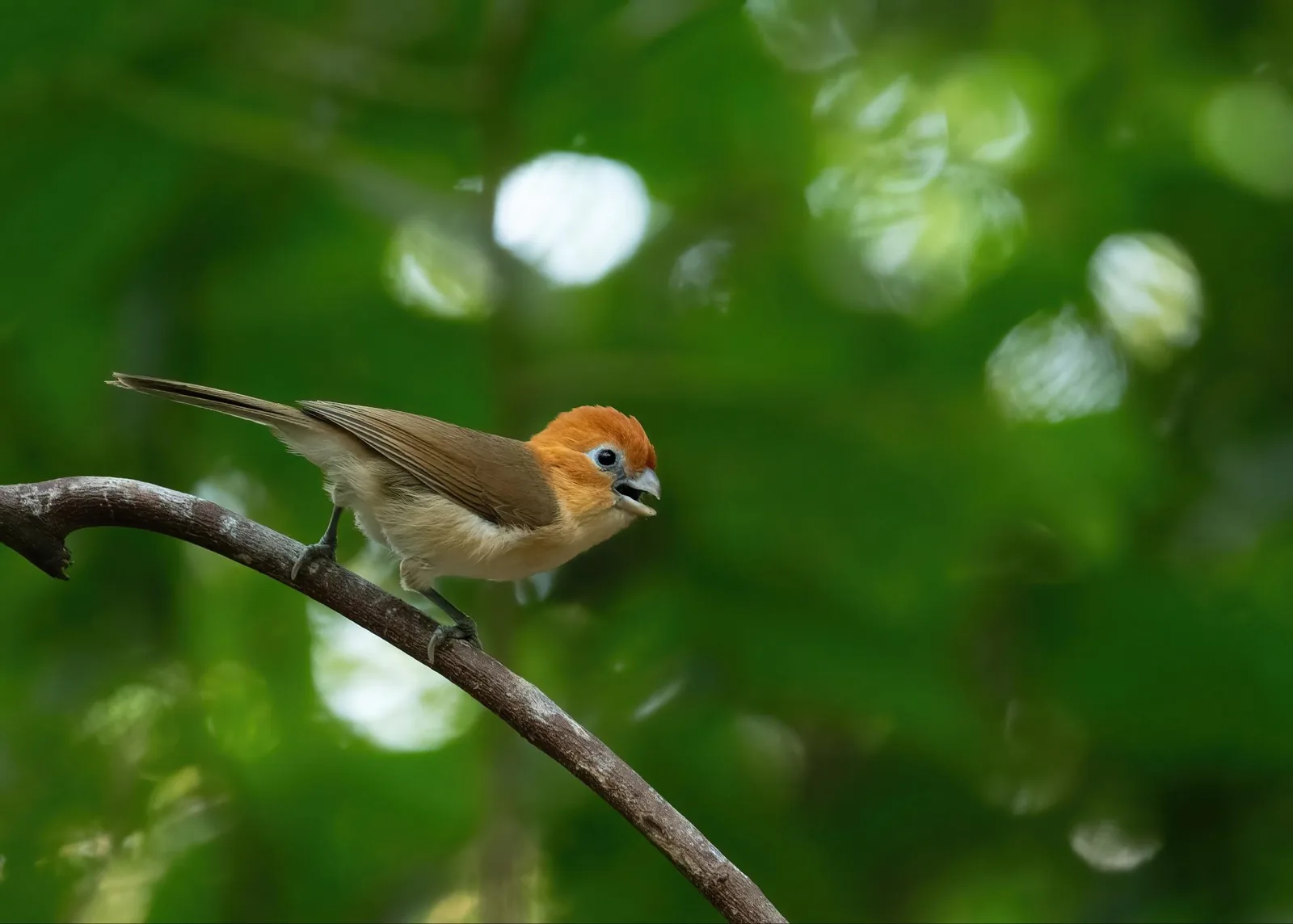
Once considered off limits to western travelers the borders of China have opened, and along with it an incredible array of birds and photography opportunities. In order to get a good functioning grasp of China’s birding opportunities, four of our guides traveled on a reconnaissance trip to explore its possibilities. Along the journey we experienced what is undoubtedly some of the best photography blinds in the world, as well as a budding economy focused on these incredible birds. Some of Asia’s most elusive species redefined what is considered possible for photography as we watched dozens of species pose mere feet in front of us. The surrounding trails and roads also offered very productive field birding, as we found species that were of high interest for everyone from first time Asian birders to the more experienced. The trip was an exciting realization that we can now offer a thrilling set of tours that can draw birders and photographers of all experience levels. By the end of our trip we had seen a total of 217 birds and 12 mammals. The trip shadowed what will become the itinerary of our newest Birding with a Camera tour, so be sure to read on to learn more about your new favorite tour.
Day 1: Travel from Kunming to Baoshan.
Everyone had arrived in Kunming the previous day and we were ready for what we expected to be a full morning of travel. After our flight from Kunming landed in Baoshan we met with our local contact that would join us for the next few days. The subtropical highland climate of Baoshan was very comfortable, and we were delighted to learn that we were going to be taken around the city to see some of its intercity birding sites. Our first stop was Taibao Park, a beautiful park on the edges of the city. The park was well developed and certainly popular amongst the locals, but the birding was productive and introduced us to many of the locally common birds. Our first birds we found were Yellow-bellied Fairy-Fantail, Asian Tit, White-throated Fantail, and Daurian Redstart. As we continued through the trails, the audio atmosphere was a
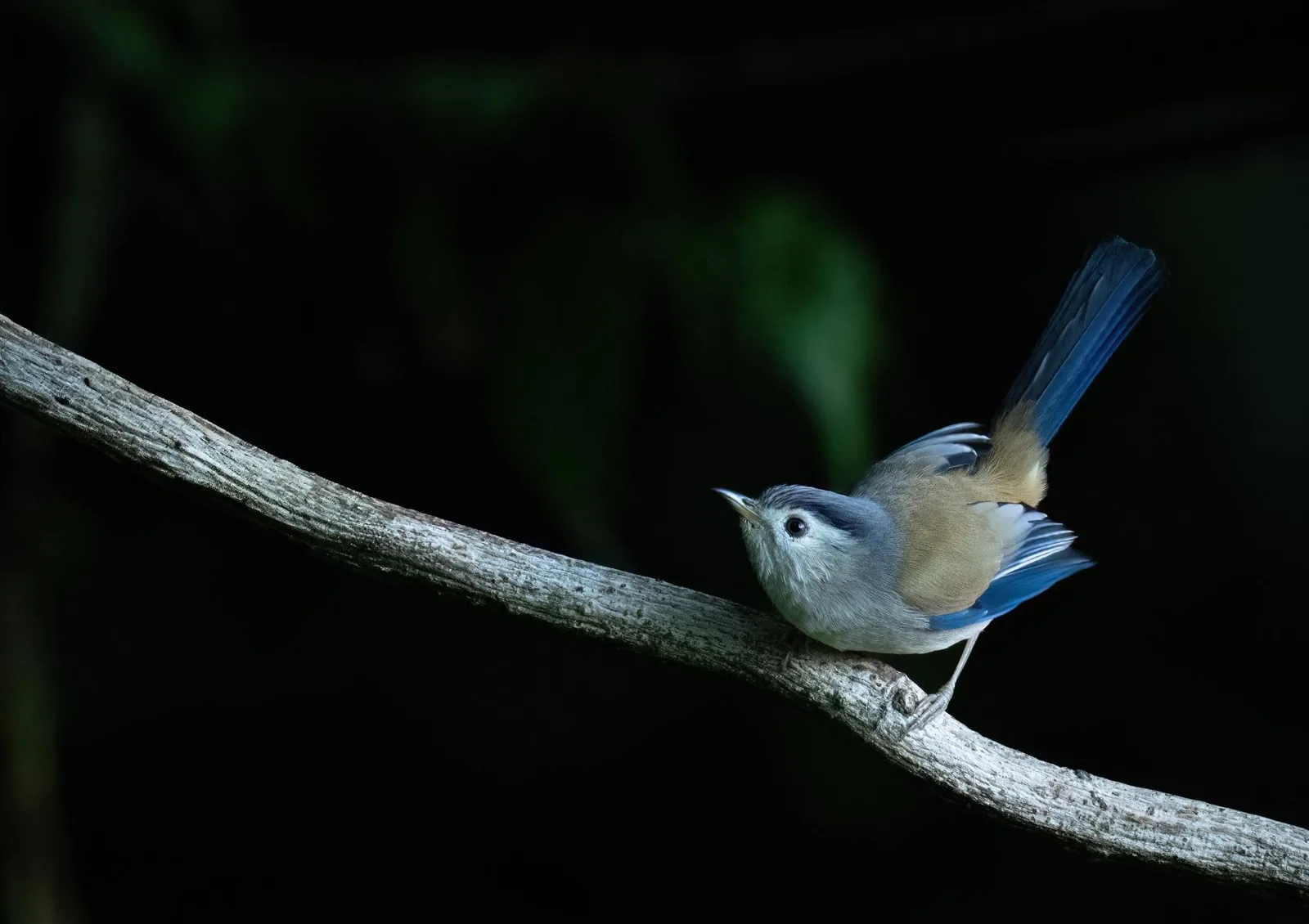
lovely combination of bird vocalizations and smooth jazz being played in close proximity. We reached a smaller garden and came across Eastern Buzzard, several Olive-backed Pipits, and a flock of Indian White-eye. The excitement was reinvigorated by the entrance of a small group of Blue-winged Minla. These small passerines have a gorgeous gradient of colors, with smooth clay colors complimented by a bold turquoise wing patch. The small flock had several birds within it such as Yellow-browed Warbler, Green-backed Tit, Black-headed Sibia, and Brown-breasted Bulbul. We began to return to the vehicles for lunch, we caught sight of some movement on the edge of the parking lot. A close investigation revealed the highlight of the day, the stunning Fire-breasted Flowerpecker. This gorgeous passerine is a stunning collage of blue, yellow and red. We watched the small gem before leaving for lunch. Our first lunch in Baoshan was an indicator that we were about to experience the best food of our lives for the next 10 days. We ate at a small locally owned Thai food
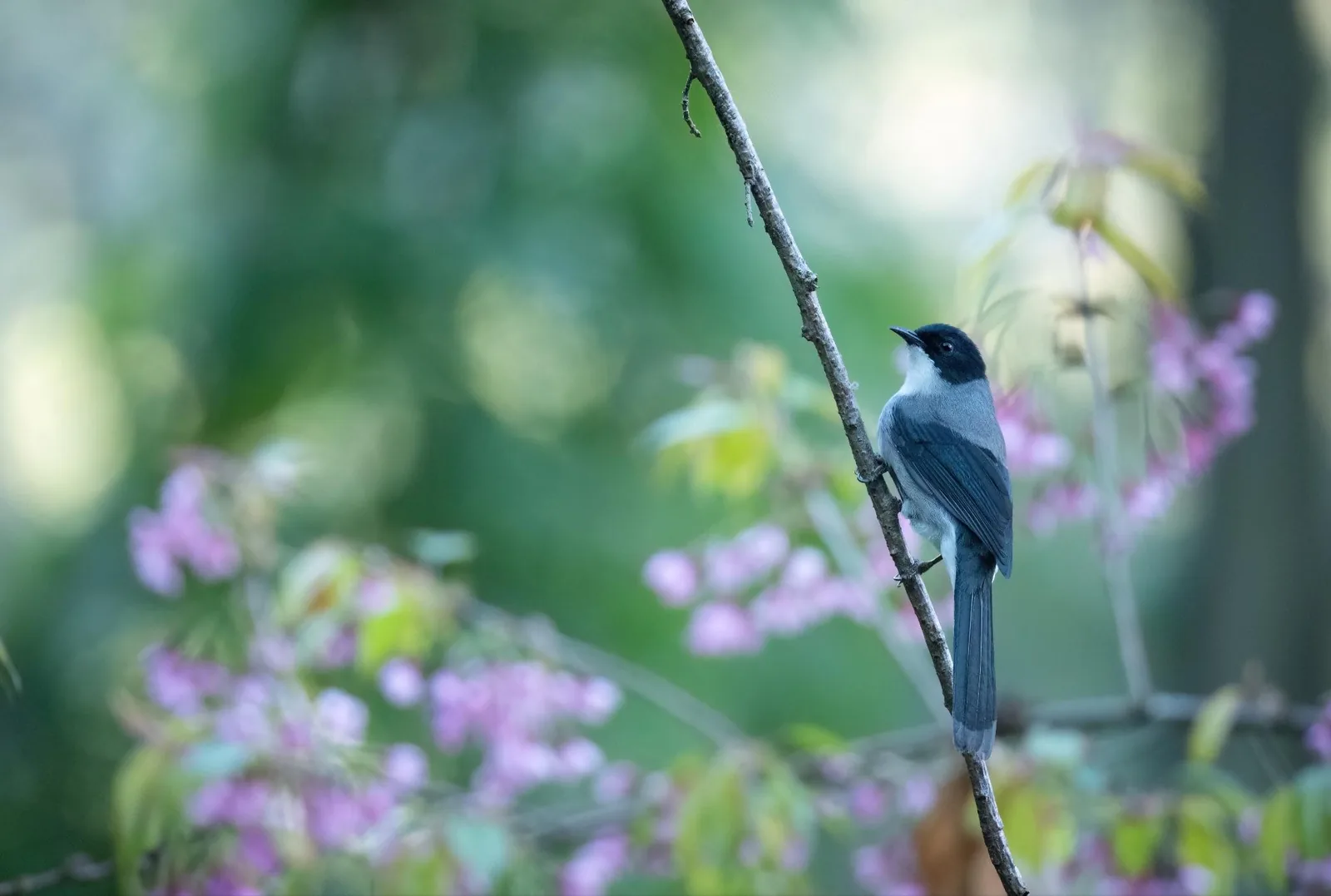
finished our food and then arrived at our hotel. We checked in and took a few hours to settle in and rest. We returned to the vehicles in the late afternoon for some bird watching at Qinghuahai National Wetland Park. During the winter the public is forbidden from swimming or boating on the lake in order to reduce stress on the waterfowl. The lake acts as a major congregation site for overwintering waterfowl, and we were fortunate enough to see many species during our walk here. The Ruddy Shelducks, Gadwalls, Common Pochards, and Eurasian Coots were the most abundant but closer examinations revealed Red-crested Pochard, Ferruginous Duck, Tufted Duck, Eastern Spot-billed Duck and even a Falcated Duck! The surrounding trails had some great passerine diversity around as well. We managed to locate Long-tailed Shrike, Red-vented Bulbul, Black-breasted Thrush, Hodgson’s Redstart, and Oriental Magpie-Robin. We walked the nearby canals and found Citrine Wagtail, Common Kingfisher, White Wagtail and Gray Wagtail. The day
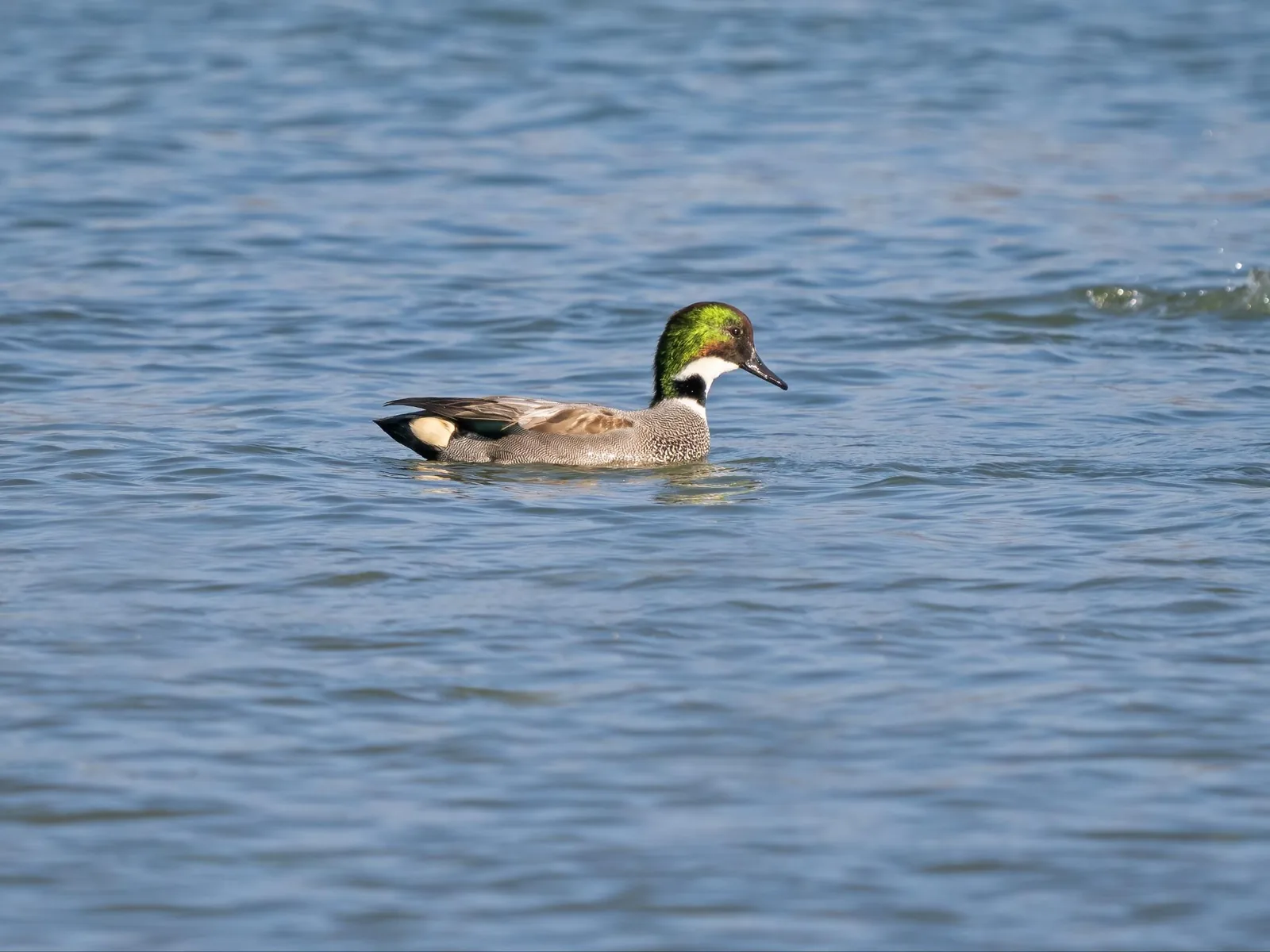
Falcated Duck photo taken by Pablo Cervantes
ended on a high note. As we returned the cars we came across a group of six Greater White-fronted Geese and several Common Snipes at the end of the boardwalk. It was an epic way to end our first day. We returned to our hotel for dinner and an early rest since we had a long travel day ahead of us.
Day 2: Travel from Baoshan to Baihualing.
Today we were leaving the concrete jungle of Baoshan for the more subtropical and lush jungles of Baihualing. The forests of Baihualing are in closer proximity to Myanmar, however it is very safe on the Chinese side and the forests share many of the same species. We drove several hours this morning to arrive at the well known “Birder’s Paradise”. We arrived in time for lunch and then continued to the forest to become
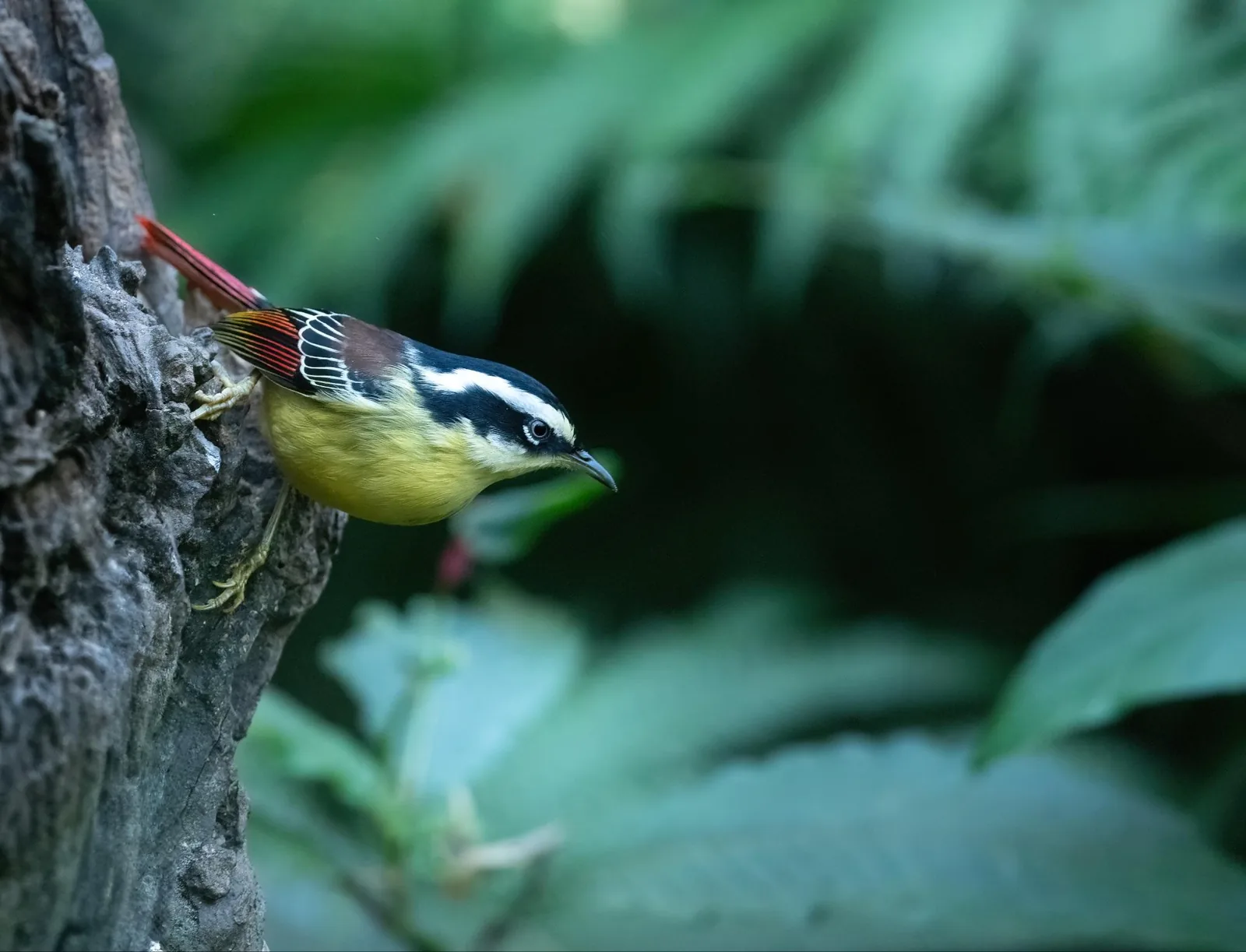
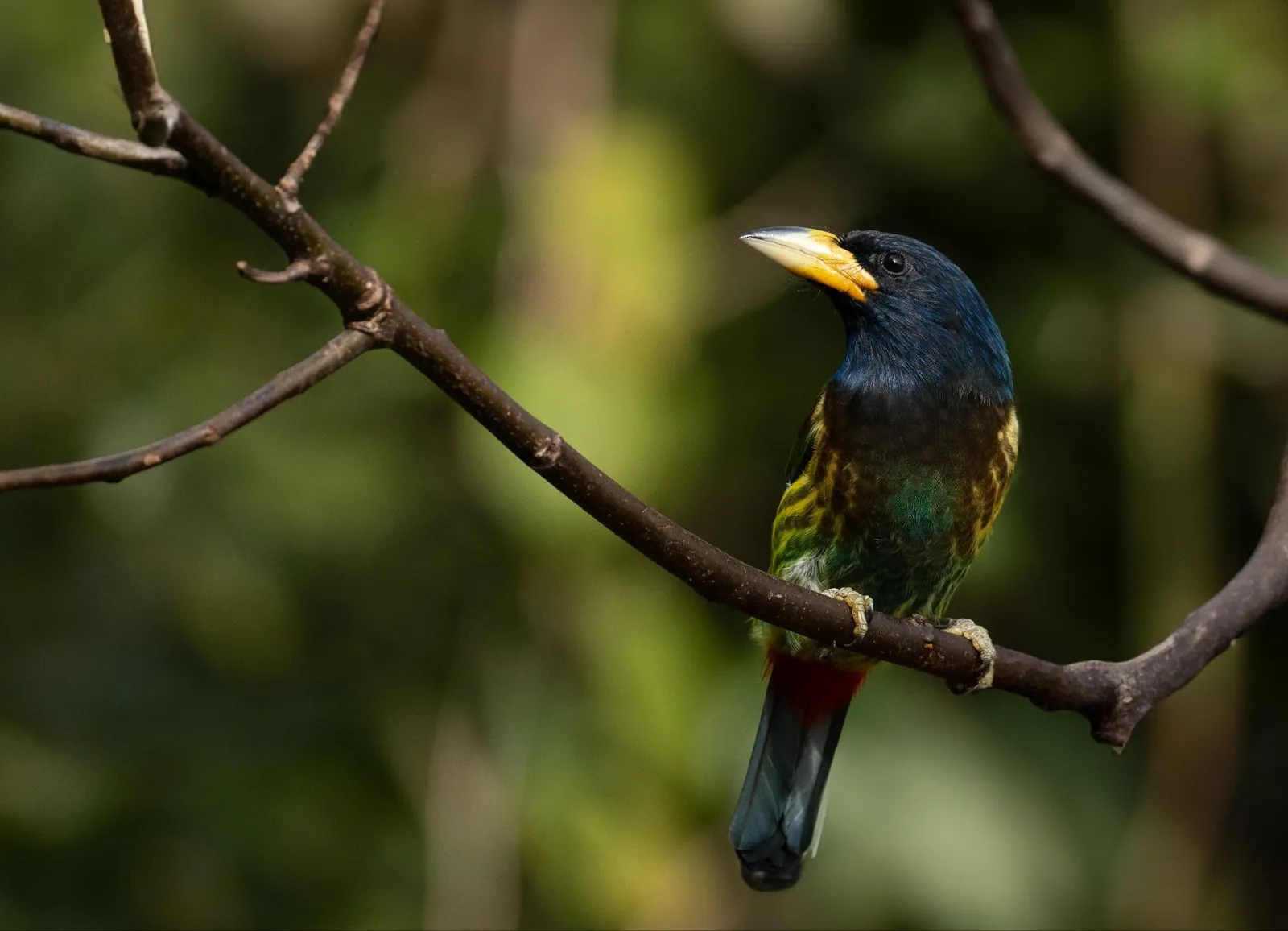
acquainted with the local birding scene. Most of the bird watching and photography is done from hides with feeders in close proximity. We had reserved the hides for the next few days but today we were going to walk the roads to see how the bird activity was from the roads and trails. As we walked towards the trails we spotted several Himalayan Griffons soaring high above the trees. It was an epic find and set the bar high for forest birding. It wasn’t long into our walk along the road that we came across a Collared Owlet, a lovely small diurnal owl. We snapped many photos and then continued down the roads. The roads produced us with some fantastic bird species like Scarlet Minivet, White-bellied Erpornis, Whiskered Yuhina, and a small group of Rusty-fronted Rustywing. After the road we proceeded down the Hot Springs Trail, which brought us into the forest interior. The distant calls of a Red-headed Trogon gave us hope of locating this ruby-“esque” denizen of the forest. However we were unable to locate the source of these distant calls. Luckily there were plenty of other birds that offered epic compensation. We found Great Barbet (seen below) , Crested Finchbill,
Yellow-cheeked Tit, Orange-bellied Leafbird, and Streaked Spiderhunter. We began to return to the vehicles when we came across an empty hide, our curiosity took over and we walked up to examine what the set ups were like. We were delighted to find a very active scene made up of Rufous-throated Partridge, Rusty-capped Fulvetta, Red-tailed Minla and the only Moustached Laughingthrush of the trip. We returned to the hotel and rested for a thrilling next day.
Day 3: Baihualing Full Day
Today we had an early breakfast and discussed at our meal the possibilities the hide could yield for us. The possibilities seemed countless but we learned that each hide has several “showcase” species. With over 30 hides in the Baihauling area, it would be impossible to see all of them in just a few days. However, our local contact had reserved what he thought would be the most important hides for us to visit. We arrived at the hide by 8am, which may seem late but the interior forest kept the light quite dark up until that
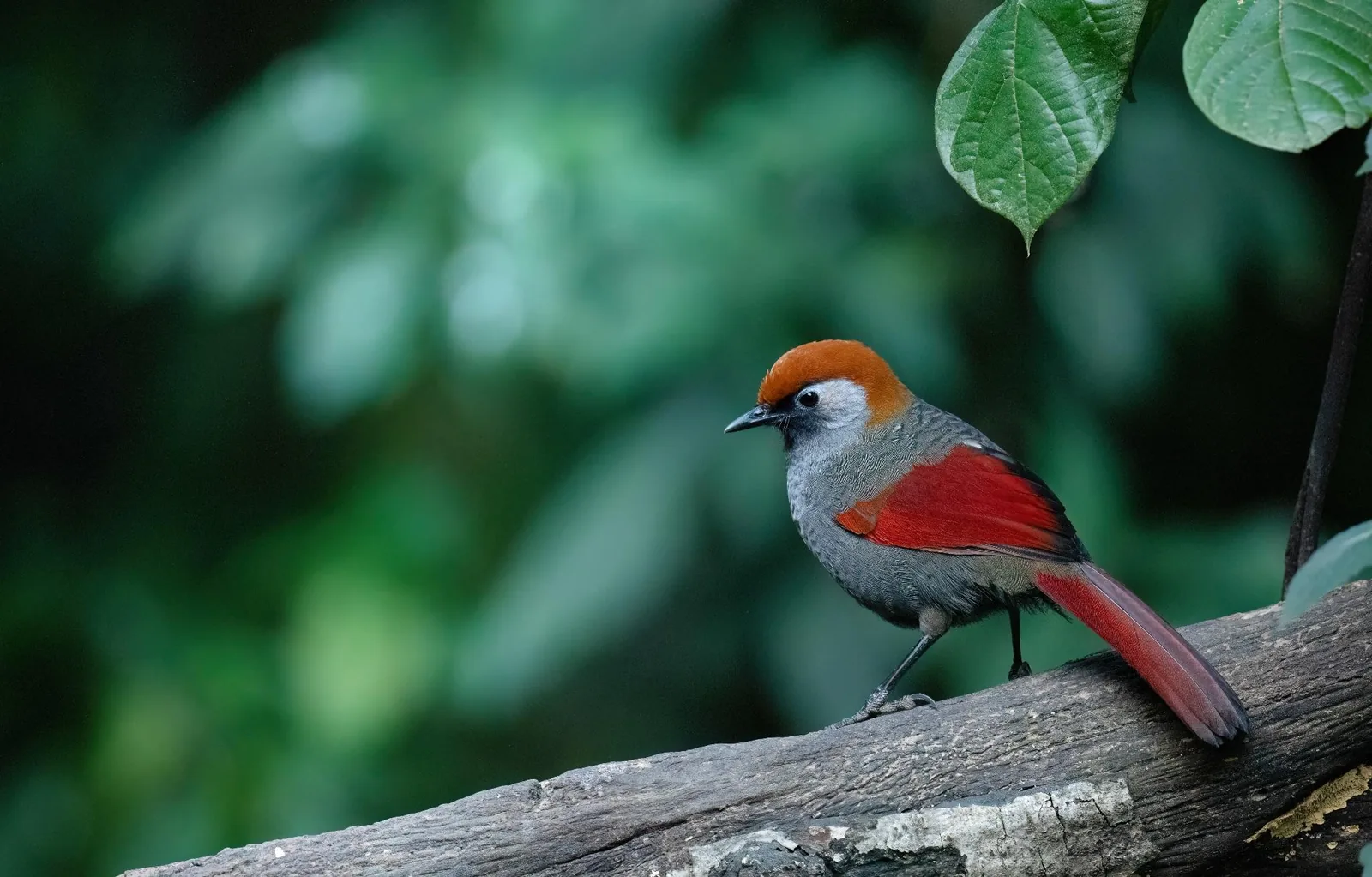
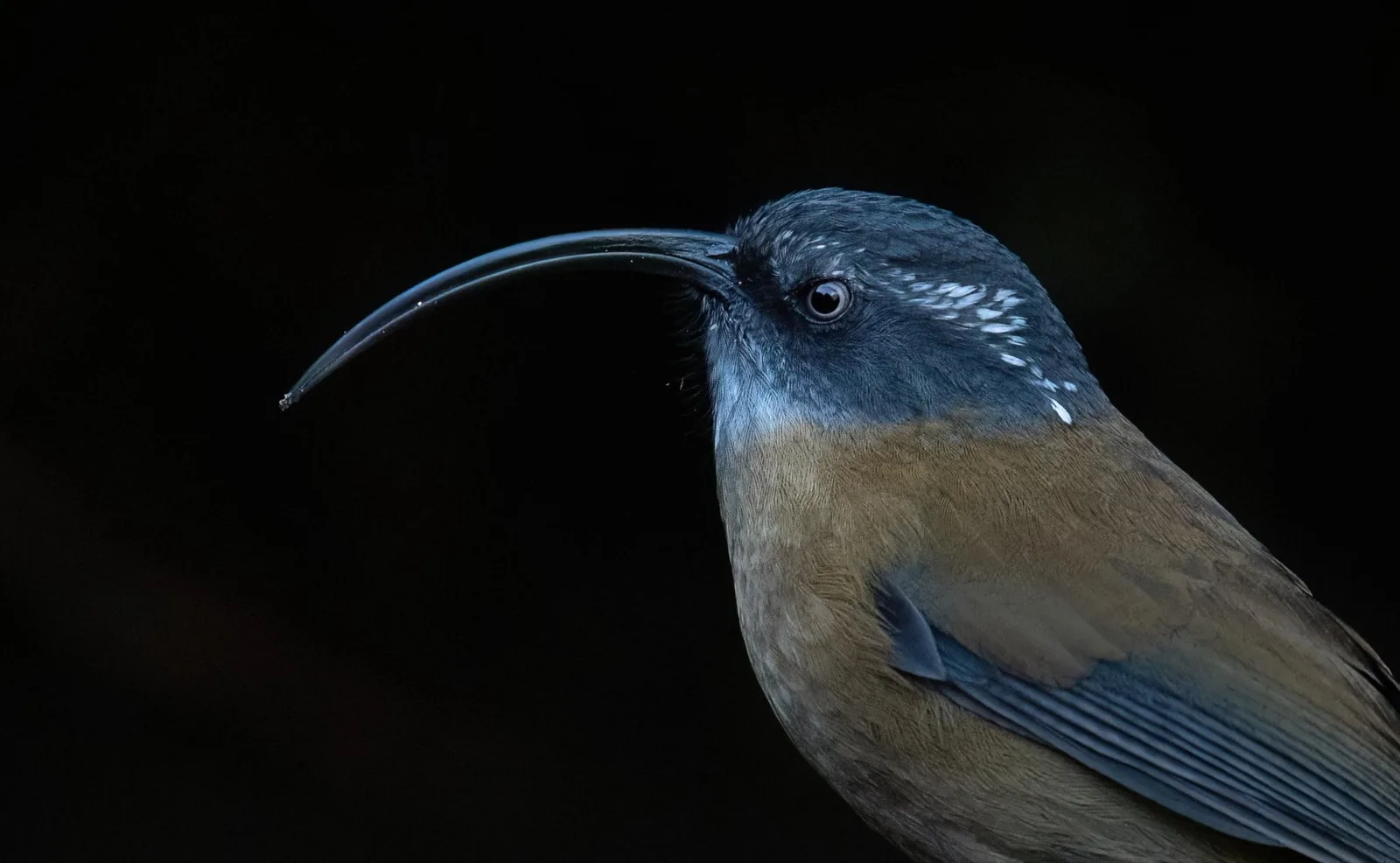
point. It proved to not be an issue, with plenty of space in the hide. We sat down and laid witness to what we would unanimously decide later are the best hides in the world. We watched and photographed some of the trickiest birds in the area perched in the open like House Finches at a seed feeder. Blue-winged Laughingthrush, Himalayan Shortwing, Scarlet-faced Liocichla, Pygmy Shortwing, Silver-eared Media, and Assam Laughingthrush were all incredibly active and photogenic. Not long after our arrival a Slender-billed Scimitar-Babbler arrived and posed, giving us better views of this incredible bird than we ever could have imagined. Some a large group of Red-tailed Laughingthrush joined in and offered us epic photo opportunities, along with them was the difficult to see Scaly Laughingthrush. The species list continued to grow as Black-streaked Scimitar-Babbler, Rufous-gorgeted Flycatcher, White-gorgeted Flycatcher, Mrs. Gould’s Sunbird, Large Niltava, and Greater Yellownape all visited the feeders. Just when we thought nothing could top the epic species we had already seen, we were proven wrong. The legendarily tough Cachar Wedge-billed Babbler (seen below) made several prolonged appearances, allowing photographers an opportunity that would be impossible away from the hide. Before we knew it the morning session was over and lunch time had arrived.
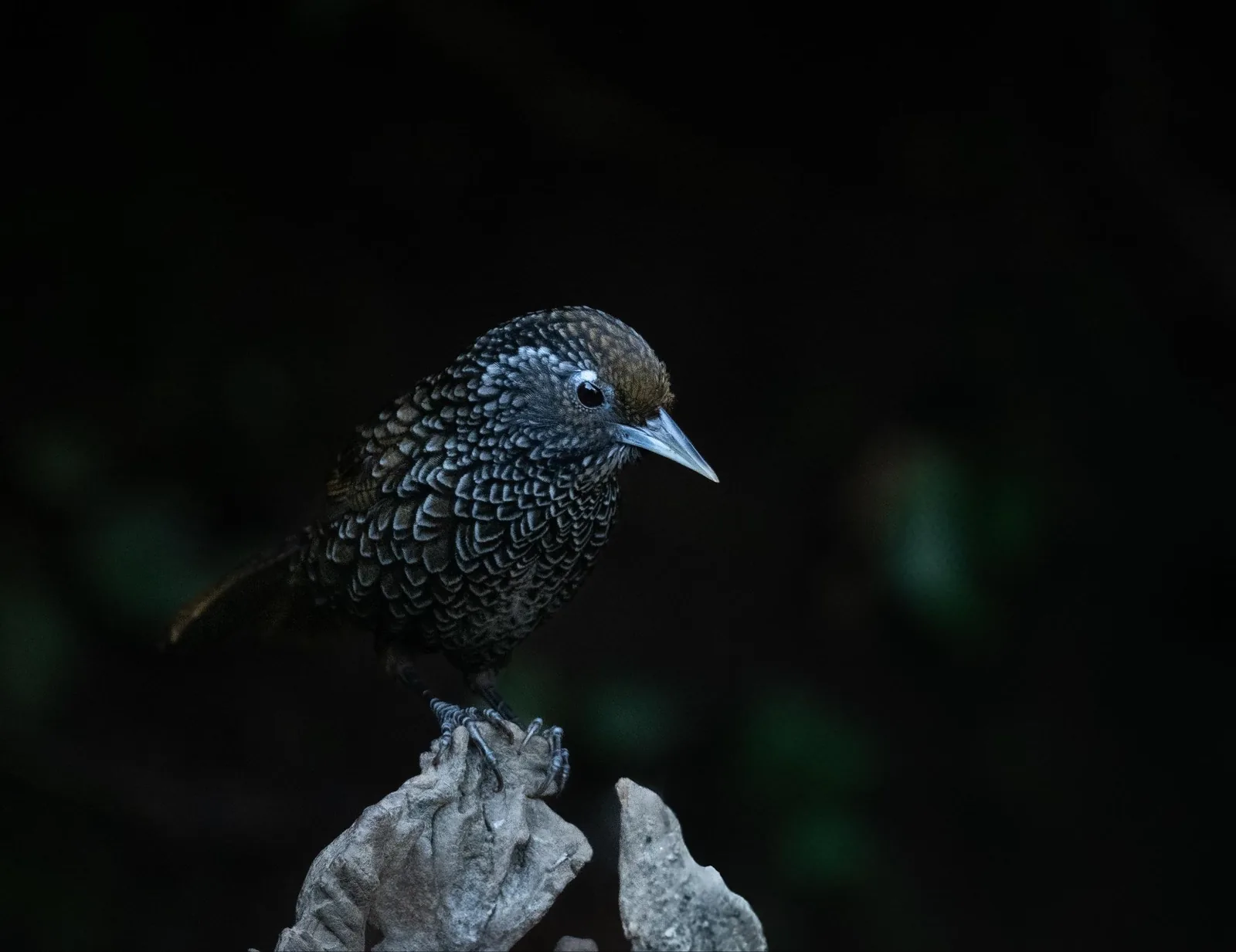
At lunch we reminisced over the epic cast of birds that had dazzled our cameras and binoculars with their presence. After expressing our cocktail of joy and disbelief we refocused on what was next. We had another hide booked in the afternoon and were given permission to travel amongst other hides. This was in order to see what hides would be best for tough species and photo opportunities for future tours. As we arrived at the first afternoon hide, we were greeted by another jaw dropping bird, the Golden Bush-Robin. This “nugget of gold with a pulse” is very tough to photograph, but the skulking little beast posed several times for photos. The feeder was populated by dozens of Crested Finchbills, Beautiful Sibias, Long-tailed Sibias, Yunnan Fulvettas, and Flavescent Bulbuls. We were getting ready to depart to see a few other hides when a Chestnut-vented Nuthatch perched and posed for several minutes. After a paparazzi
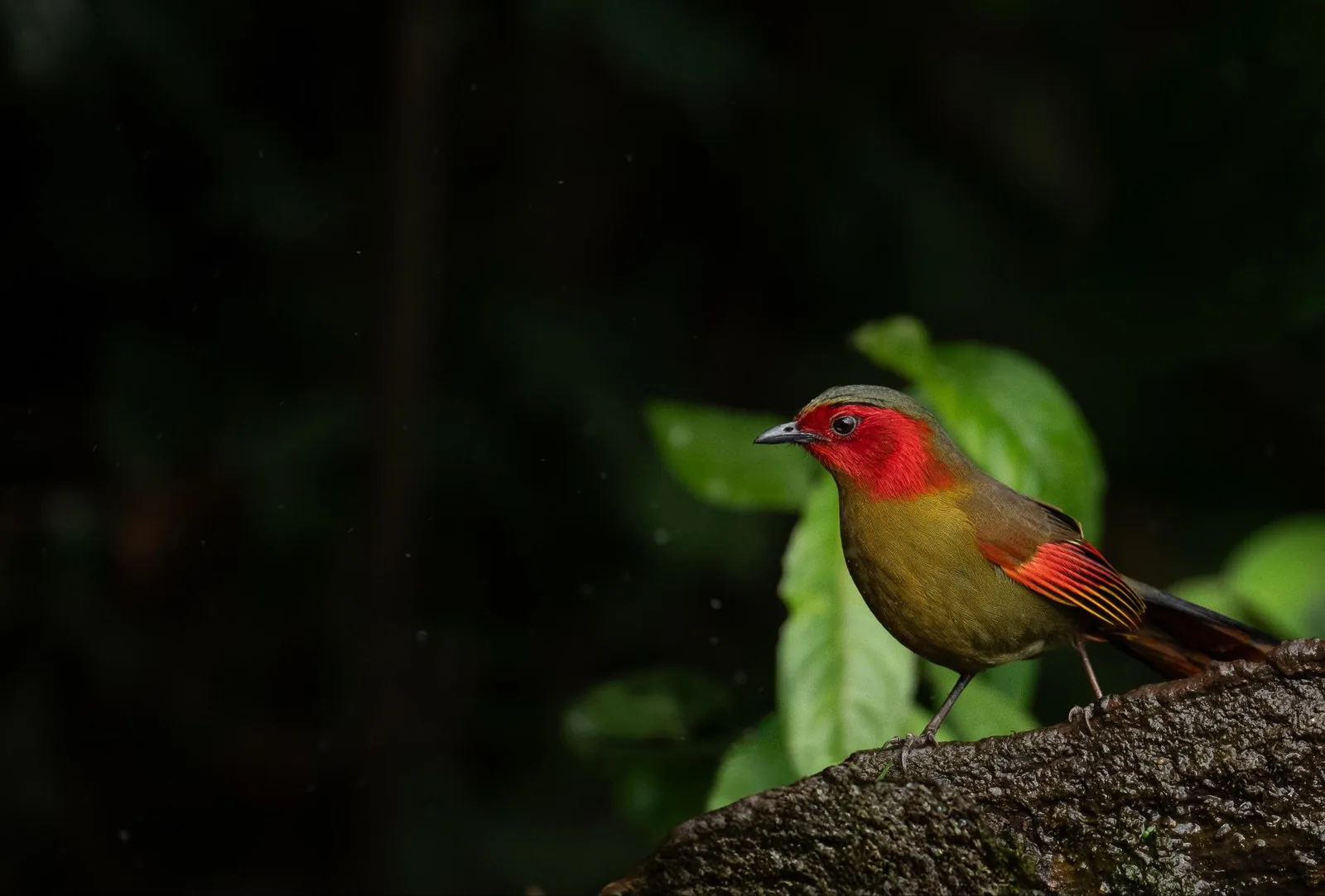
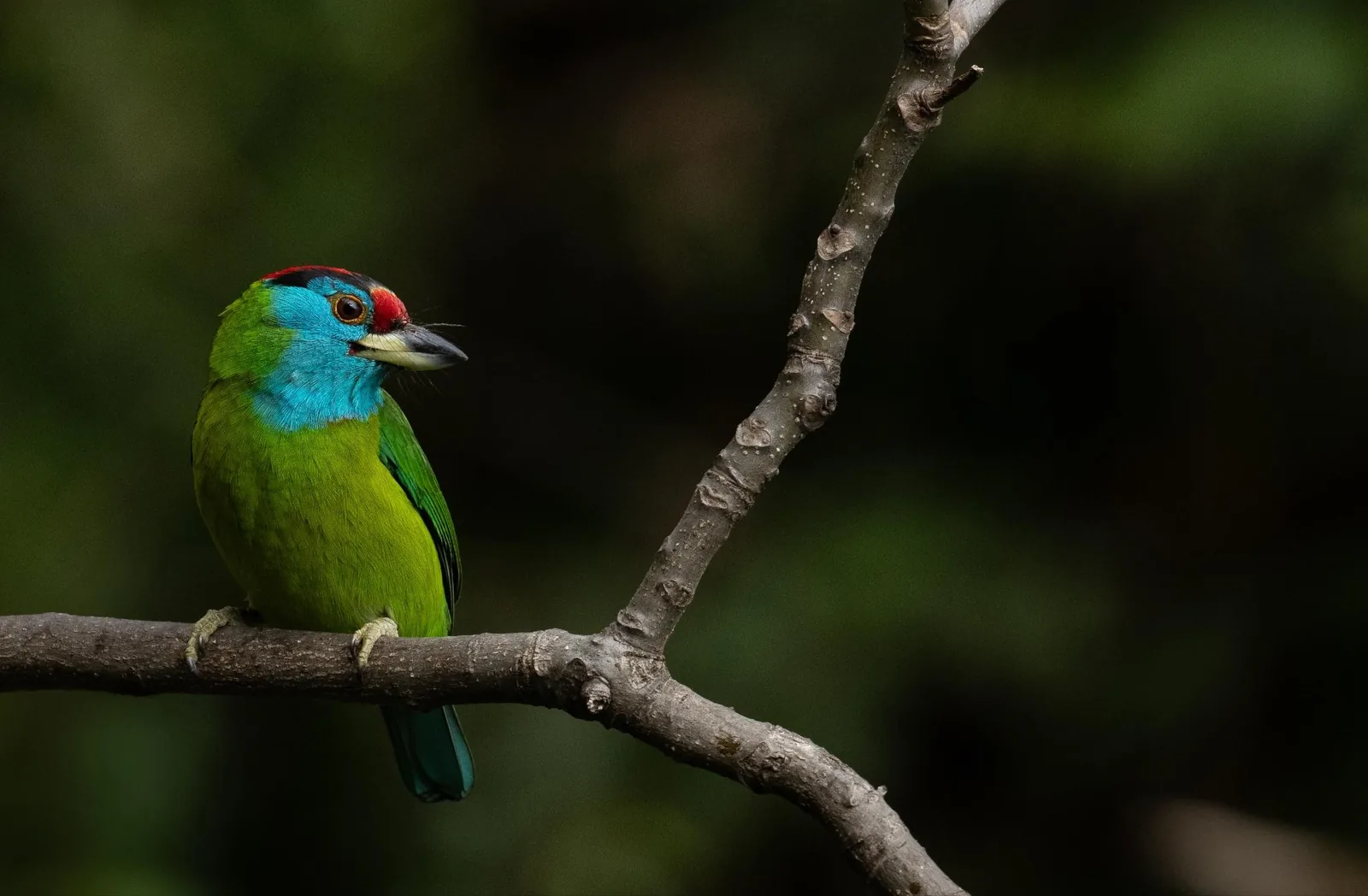
session with this marvelous little nuthatch we left the hide and visited several others. As we hoped from one hide to the next we found and photographed species like Golden Babbler, White-tailed Robin, Black-throated Sunbird, Streak-breasted Scimitar-Babbler, Rufous-capped Babbler, Blue-throated Barbet, Brown-winged Parrotbill and Mountain Bulbul. With another epic session done, and dark quickly approaching we returned to our hotel and rested for another full day.
Day 4: Baihualing to Hornbill Valley
After a full day of learning why the local photographers refer to the Biahualing as the “Birdwatcher’s Paradise” we were ecstatic to return for one last full morning in the area. Instead of returning the “passerine” hides we went to a hide made specifically for the highly endemic Lady Amherst’s Pheasant. This pheasant redefines the idea of beauty in birds, as it boasts a contrasting porcelain and obsidian tail and head, accompanied by jade breasts and a sapphire back, finely decorated with sulphur and ruby
back and tail feathers. It truly is one of the most indisputably beautiful animals in the world. We arrived to hide by 8am, and waited eagerly to be graced by the presence of the “lady of the hour”. As we waited, we were happily distracted by Hill Prinia, Rufous-bellied Niltava, Hill blue Flycatcher, and Chestnut-bellied Rock-Thrush. The birds were lovely but distant, however a small flock of Red-billed Blue-Magpies arrived on the scene and reinvigorated our excitement. We photographed them when suddenly a female Lady Amherst’s Pheasant burst on the scene. She was closely followed by a second female and then a third. As happy as we were to see them, make no mistake that we were there for the adult male. Luckily we didn’t have to wait long, we noticed the bright white colors of the male moving slowly in the thick cover of the brush, like a phantom it teased its presence before suddenly making its bold presence clear in the open. The male cautiously moved in the open as his gaze in our direction made it clear, he knew we were there. The only reason he proceeded to feed and pose for
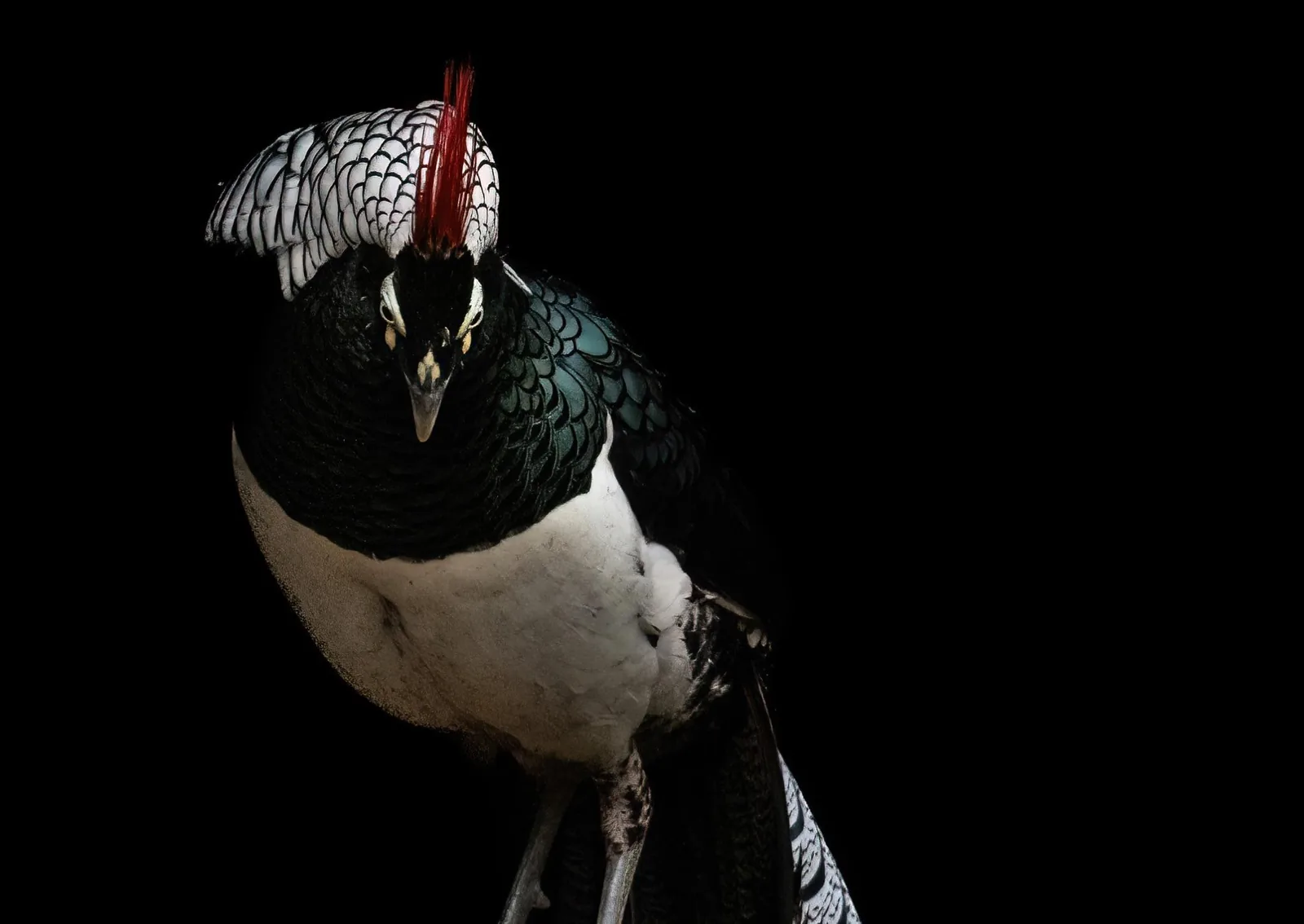
us was because this hide had been established for several years, and a trust had been built between this group of birds and the photographers that had visited this hide over the years. Everyone left with epic views of this bird, and some of us left with what would be some of our favorite photos of the trip. We left the hide after an epic start to the day and went to visit one more hide before lunch. We arrived and sat in our positions, waiting to see what species would allow us to photograph them. We got great views of many birds we had already seen, but the highlight of this hide was the presence of both Great and Blue-throated Barbets. We managed some great photos and then headed down for lunch. After lunch we loaded in the vehicles and headed to Hornbill Valley, which was about 6 hours away. The drive was long and we arrived in time for dinner. However, the drive itself was fun as we rolled through the Yunnan countryside. We arrived at our humble but welcoming accommodation in Hornbill Valley, where we would spend the next few days.
Day 5: Hornbill Valley (Full Day)
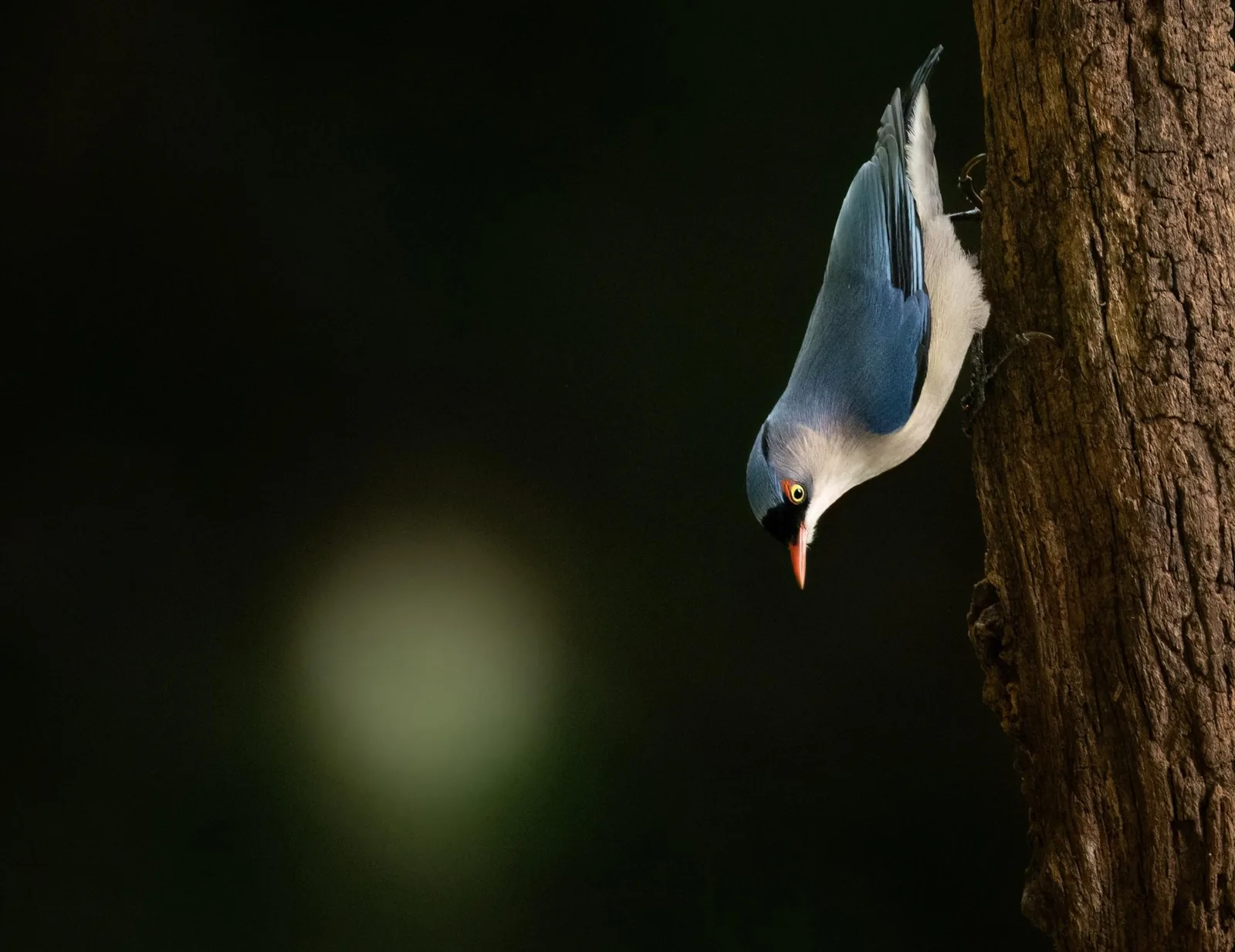
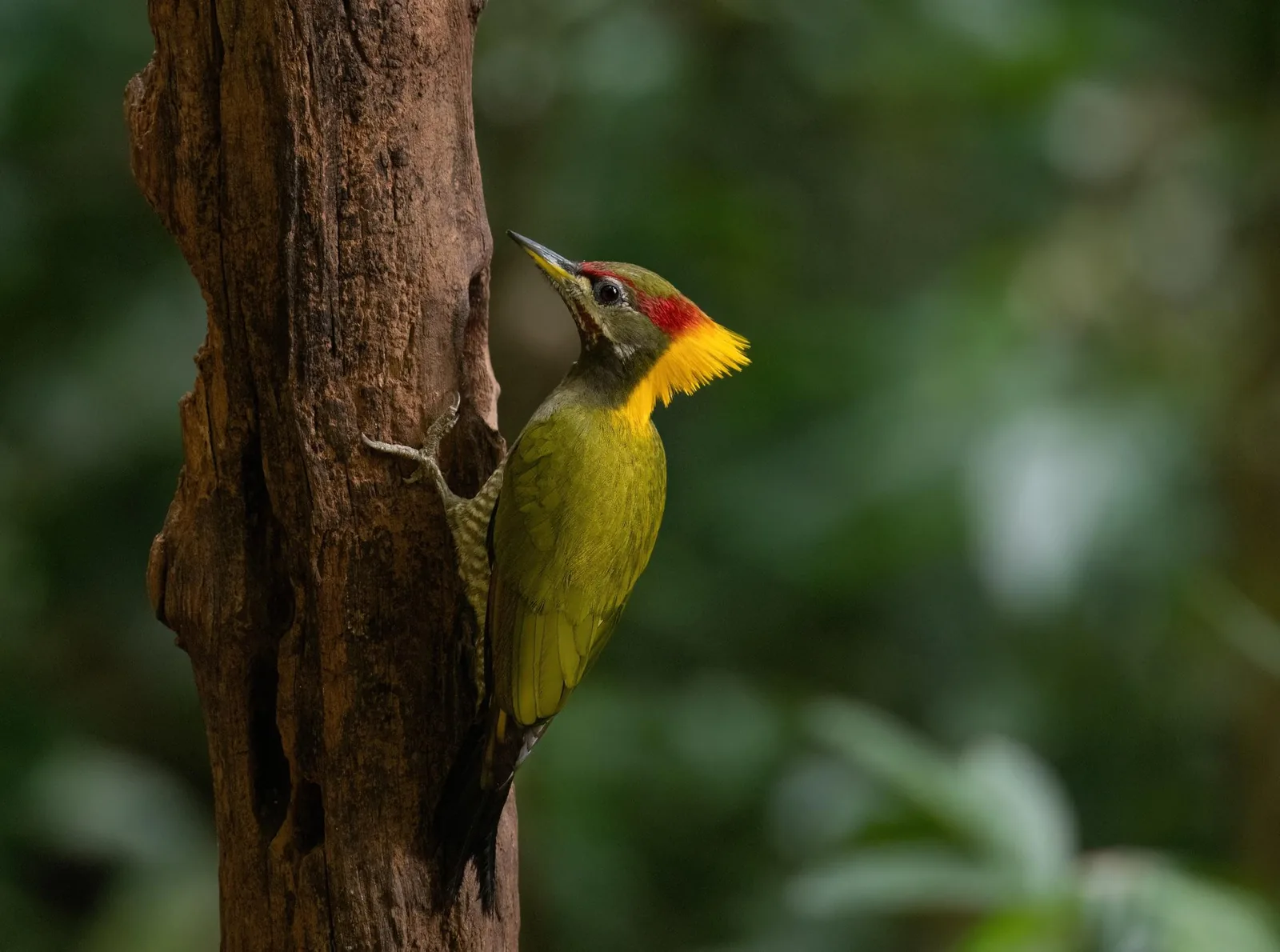
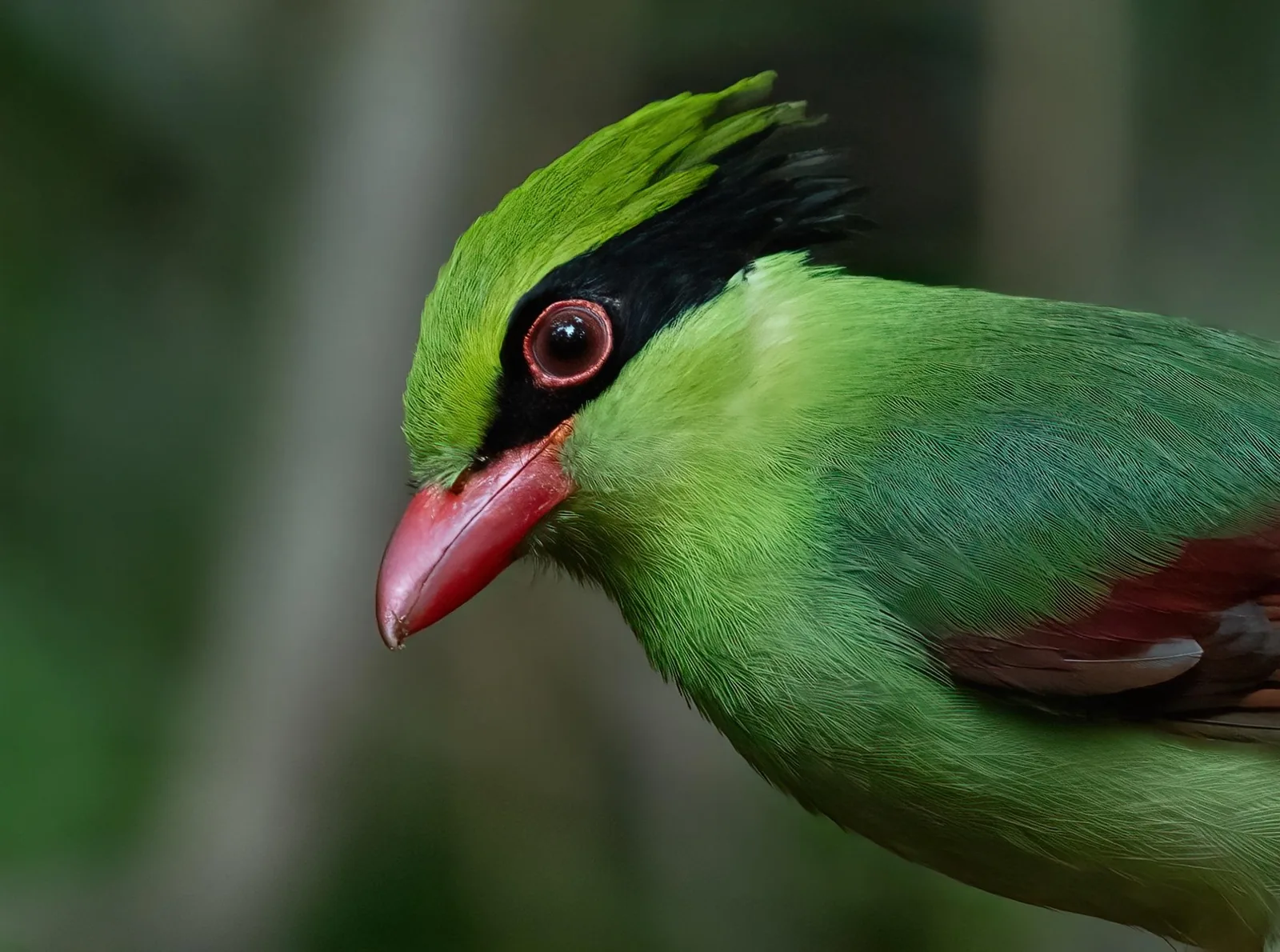
After a long travel day from Baihualing to Hornbill Valley we were eager to see what this part of the country had in store for us. The planning for this morning got a bit mixed up, so unfortunately the hide we used in the morning was not productive. While we didn’t see our major target, White-cheeked Partridge, we did see other birds like White-crested Laughingthrush, Common Green-Magpie and Gray-bellied Tesia. Luckily, it was a recce trip and we can avoid it for next year’s group tour. We had lunch and prepared to return to the field. We arrived at our next hide and were greeted by a major change in bird productivity. We watched and photographed species like Little Pied Flycatcher, Red-billed Scimitar-Babbler, Lesser Yellownape, Pin-striped Tit-Babbler, Nepal Fulvetta, Rufous-backed Sibia, Brown-crowned Scimitar-Babbler, Gray Treepie, Gray-headed Woodpecker, and Hainan Blue Flycatcher. The best bird of this photo hide was the epic Velvet-fronted Nuthatch (seen below), a dazzling little blue, white and black nuthatch.
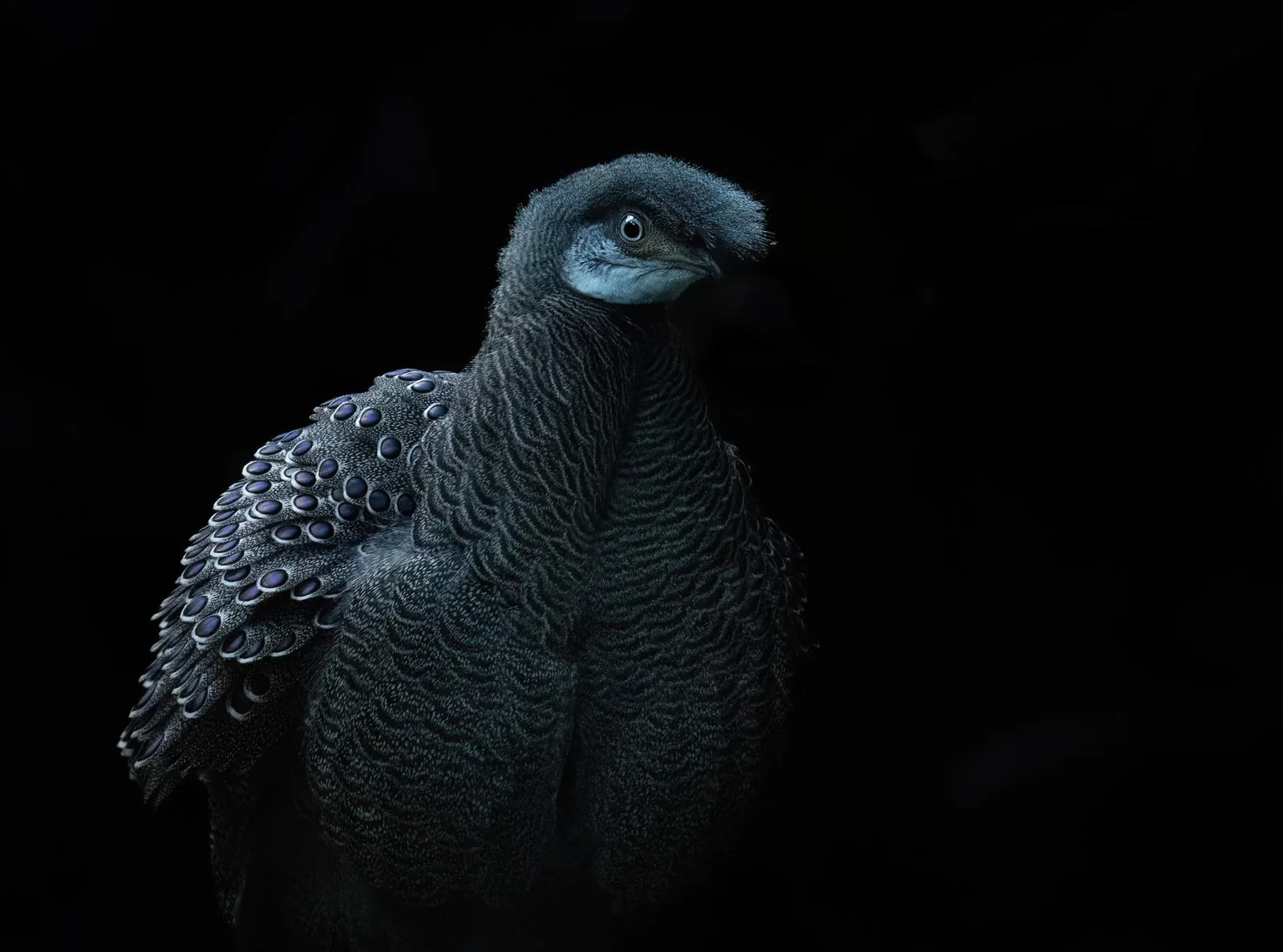
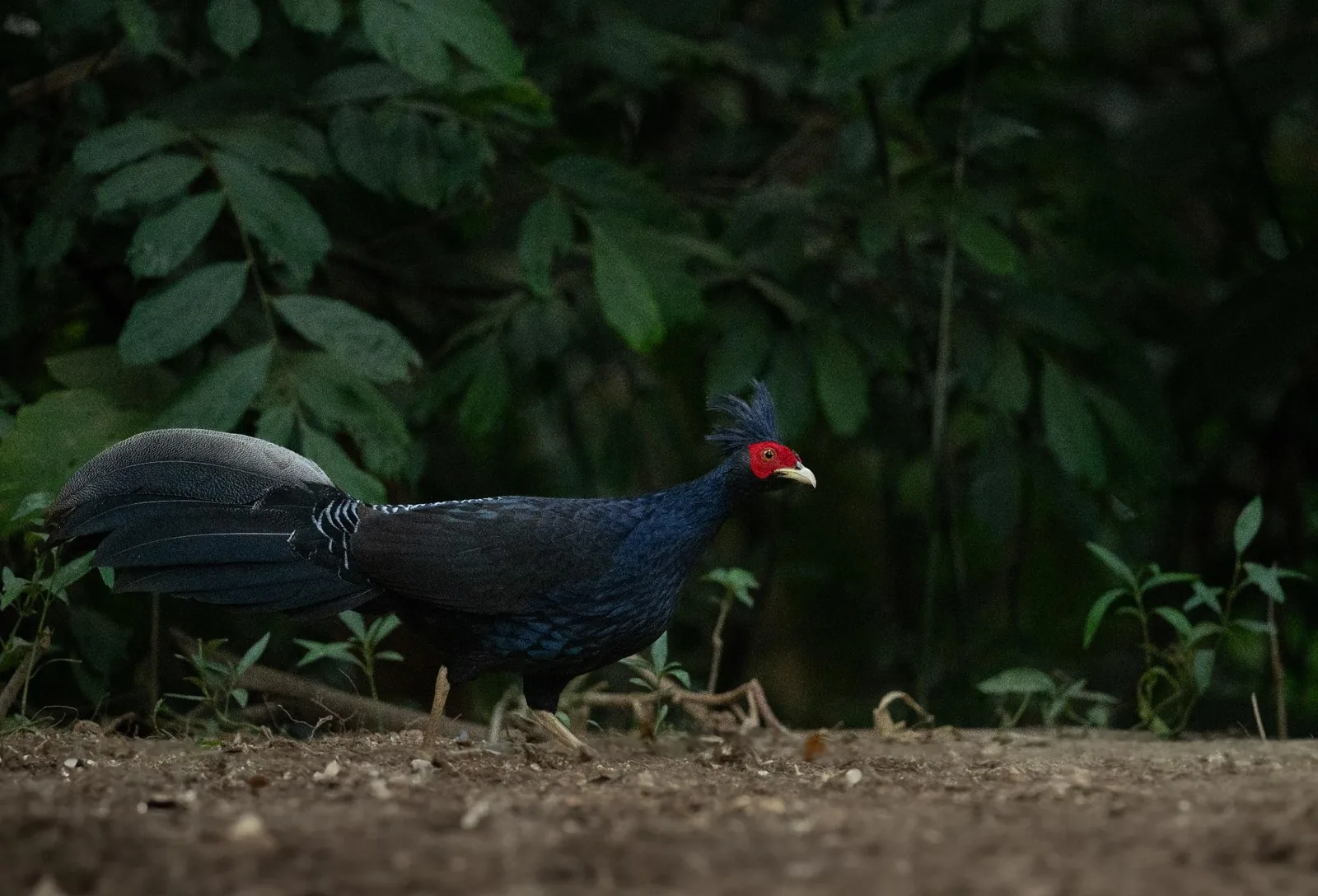
After our time in this hide, some of us left to bird along the road, and others proceeded to another bird hide. The birding on the road was slow but some highlights were seen like Pin-tailed Green Pigeon, Wedge-tailed Green Pigeon and the stunning Collared Falconet. Those that continued on to the hides were delighted with several new birds and photo opportunities. The hide offered great angles for Verditer Flycatcher, White-crested Laughinthrush, and Collared Treepie. The hide got much more when a group of Kalij Pheasants (seen below) emerged from the dark understory and posed for photographs. After the pheasants retired back into the forest we continued to wait. Luckily our patience was further rewarded when the Gray Peacock-Pheasant came to the feeder. This stunning pheasant is mostly gray but is decorated by beautiful iridescent violet orbs on its wings and back, a compelling case for including the word “peacock” in its name. We took many photographs and as the light began to fade we returned to the hotel for the day. We had another full day in the valley ahead of us, so we were eager to rest up for the next day.
Day 6: Hornbill Valley (Full Day)
Our second full day in Hornbill Valley started with another set of hides. The hide we went to this morning was the best hide for photography, and we immediately got a few new species for the trip like Greater Racket-tailed Drongo and White-crowned Forktail. The hide continued to produce many good photo opportunities, most notably a Streaked Spiderhunter that came in and began foraging on some nearby flowers. The highlight of the morning however was a male Gray Peacock-Pheasant that came to the feeder and perched in the open for several minutes. After the Gray Peacock-Pheasant left a group of pale morph Kalij Pheasants came and fed for several minutes, then a Red Junglefowl was spotted on the edges of the forest though it never came in to feed. We left at 11:30 am to have lunch and then afterwards ventured to find some other hides.
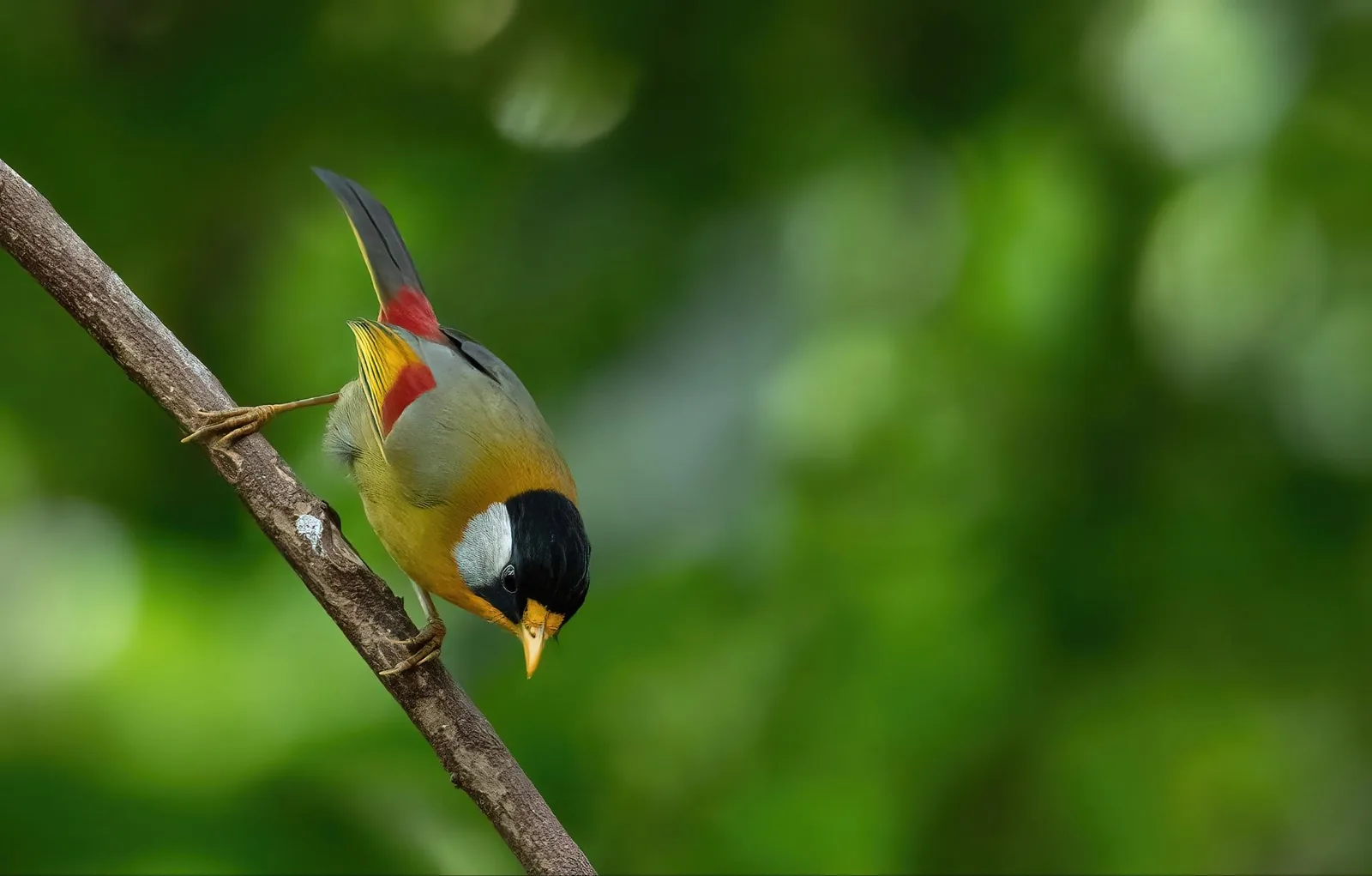
Our afternoon hide was more productive for recording new species for the trip. Within twenty minutes of arriving we had seen Lesser and Greater Necklaced Laughingthrush, Gray-eyed Babbler and Rufous-headed Parrotbill. The highlight of this hide session was the arrival of two White-hooded Babblers, a bamboo specialist that was a surprising guest at the feeder. More species seen previously at other places appeared like Silver-eared Mesia and Nepal Fulvetta. The hide began to settle down and dark was approaching so we packed up and left. We had a long travel day ahead of us, so it was important to rest up.
7: Hornbill Valley to Nonggong
Today was a full travel day, one that consisted of several hours of driving and flights. No birding was done today but we arrived at Nonggong around 10:30 pm, where we eagerly went to bed and prepared for a full field day.
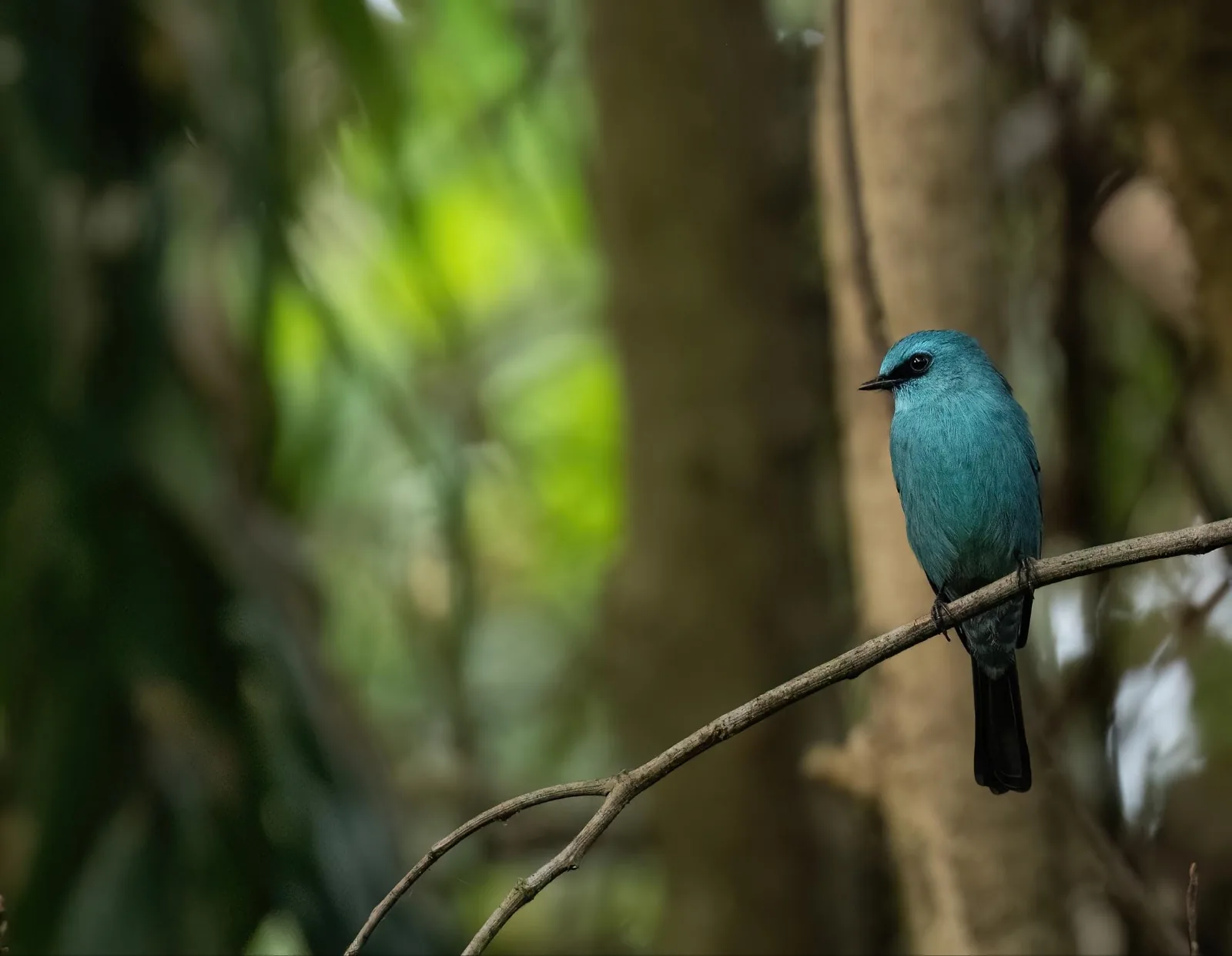
Verditer Flycatcher
Day 8: Nonggong
After a long travel day to Nonggong we were all eager to see the local bird species and hit the next series of hides. As the sun rose it revealed one of the most stunning and unique landscapes in the world. Prominent limestone mountains jutted out of the flat unassuming lowlands, with some of the most notable limestone karsts appearing like natural obelisks. In this fantastical landscape we were venturing to several blinds, with our top target being the endemic Nonggong Babbler. Before searching for the babbler we went to our first hide, one that was being visited in the morning by a Blue-rumped Pitta. As we waited for the pitta we saw several new birds for the trip, such as Common Tailorbird, Buff-breasted Babbler and Pin-striped Tit-Babbler. Suddenly a male Blue-rumped Pitta appeared at the feeder and gave us some epic views.
Shortly after the Blue-rumped Pitta left, our guide received a call from another hide owner. He was told the Nonggong Babbler had just appeared at the hide, so we packed our things and headed over. We arrived and began to walk up the stone steps to the hide. When we arrived we saw there were two Nonggong Babblers (seen below)
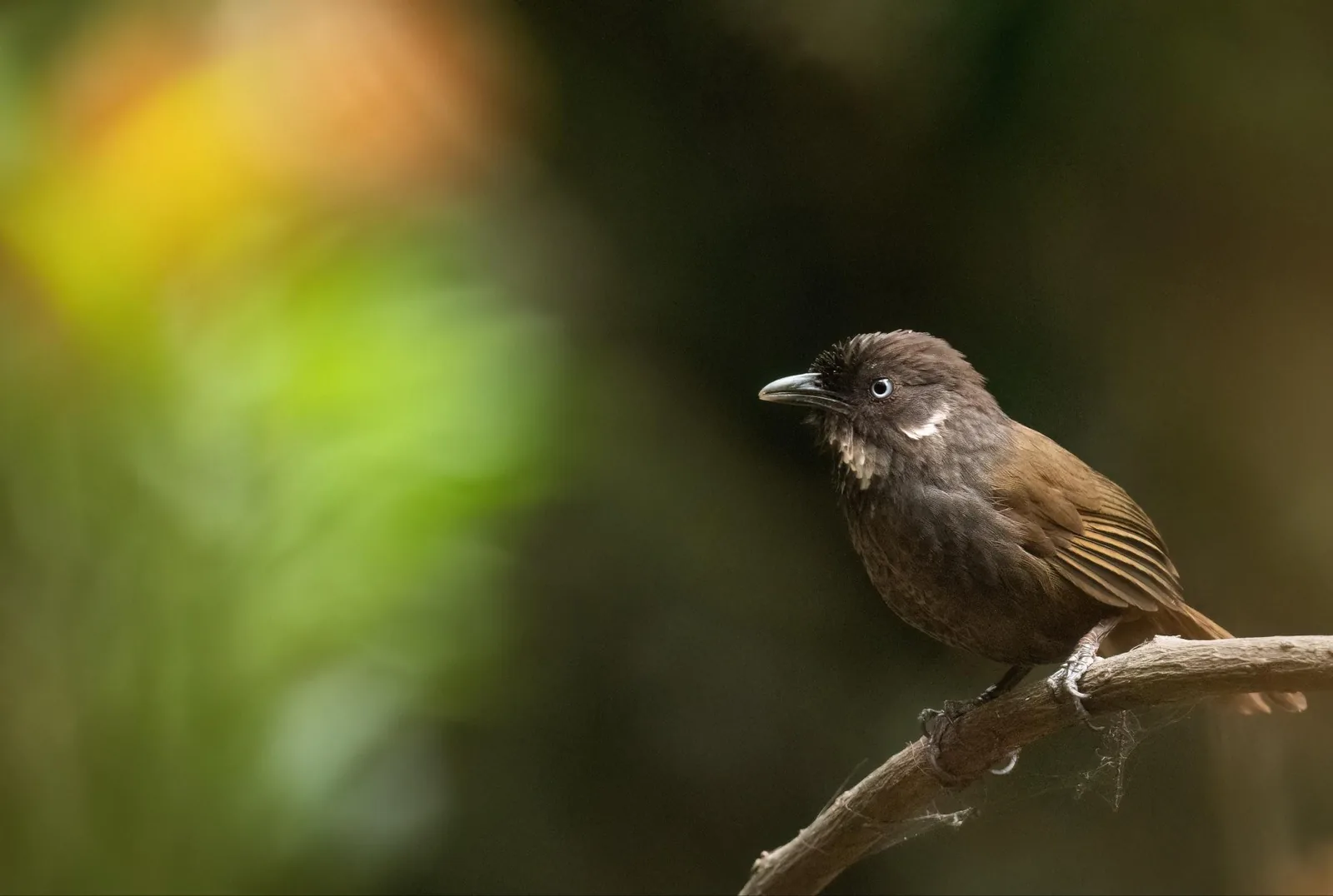
sitting in the open less than 10 feet away from us. The birds were completely unbothered by our presence. This endemic is relatively new to science; being first observed in 2005. The type specimen was captured in 2006, and it was officially described in 2008.
Considering all this made it especially shocking when the bird landed on the hide owner’s hand to grab some mealworms he was holding. Aside from this epic endemic, there were other great birds that visited the hide. Birds like Gray-throated Babbler and David’s Fulvetta appeared, but the second “star of the show” was the elusive Spot-necked Babbler. After photographing these birds we left to see more hides. The remainder of the day was spent “hide” hoping and road birding. The birding along the roads was not very productive due to poor weather, so we missed our intended target of Limestone Leaf Warbler. Luckily, there were many hides established in the area, therefore we managed to successfully see many of our other targets. The highlights
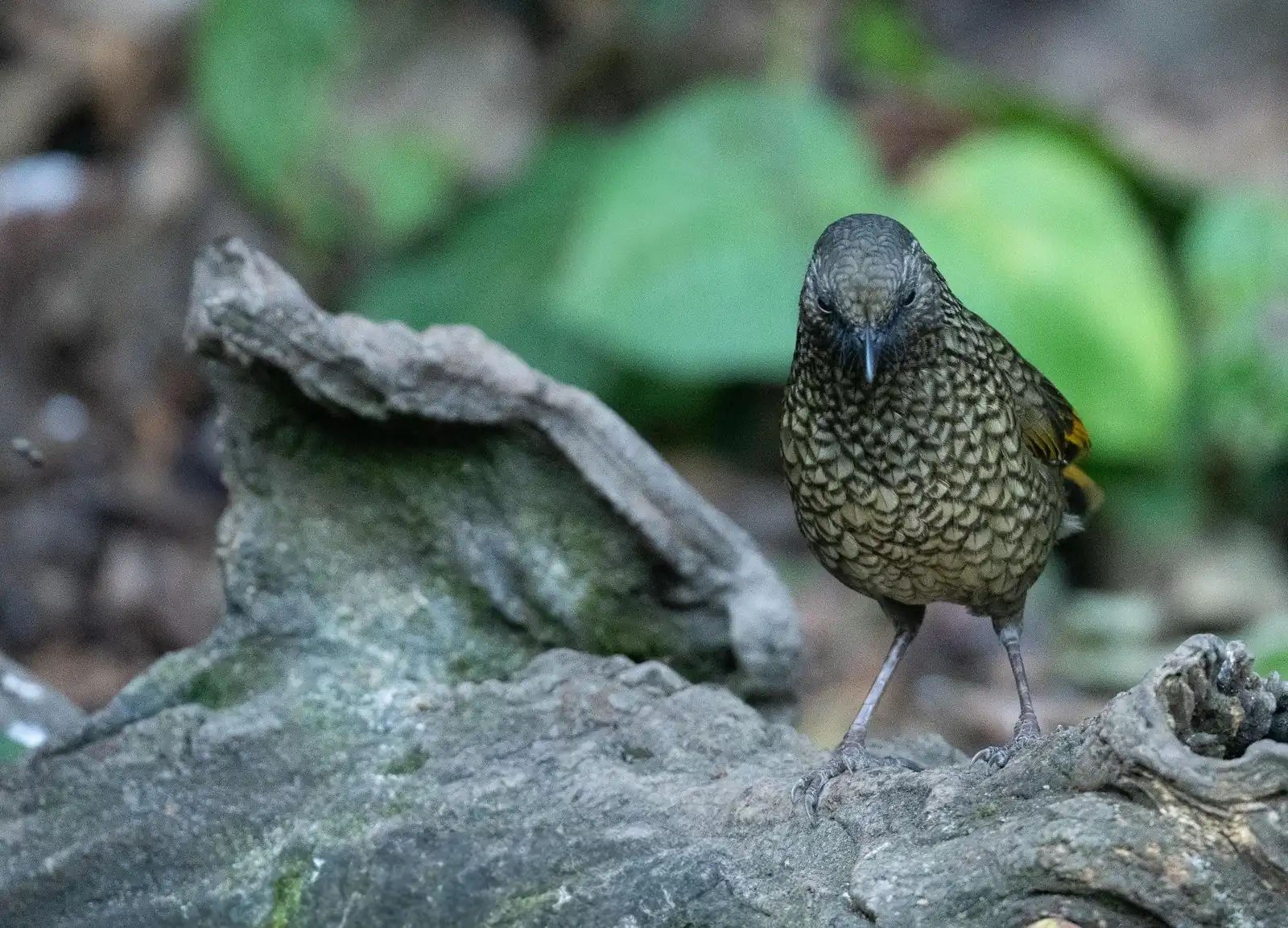
of the day included species like Streaked Wren-Babbler, Yellow-eyed Babbler, Indochinese Green-Magpie, Chestnut-capped Babbler, Black-crested Bulbul, Siberian Rubythroat and White-winged Magpie. After the “hide” hopping was done for the day we decided to drive to a section of forest near a lake. Historically the area has been known for being productive for the White-eared Night Heron, the rarest night heron in the world. This critically endangered bird has been vanishing at an alarming rate, so finding this bird can be very difficult. Our local guide had not seen the bird for a few years, but we decided it was worth the effort. We hiked the area and checked the surrounding trees for roosting birds. We found Gray Bushchat and Gray Wagtail along the way, but as dark approached we waited near the lake to see if we could spot any night herons leaving their roosts. We saw many Black-crowned Night-Herons, but it began getting too dark and the activity was dropping. We did several scans with our torches and caught an
interesting silhouette in the light on the other side of the lake. We got the scope on this mysterious bird, and we were beyond thrilled to confirm it was our incredibly rare White-eared Night Heron! It was an epic way to end our only full day in the region.
Day 9: Nonggong to Hainan
Today we would be traveling from Nonggong to the island of Hainan, however our flight was not until after dinner. This gave us plenty of time in the morning to search for any remaining birds in the area we hadn’t seen yet. We began the morning by going back to a hide from the previous day. The reason was that we missed our primary target, the Bar-backed Partridge. We arrived right after breakfast and patiently waited for the partridges to emerge from the woods. As we waited we saw Streaked Wren-Babbler and another male Blue-rumped Pitta. After an hour or so of waiting we were delighted to see the first Bar-backed Partridges investigating the feeder from the safety of the nearby brush. Finally the shy birds reluctantly emerged from the woods and fed in front of us for several minutes, allowing us to get some great views and photographs.
After seeing these epic partridges we noticed it was quickly approaching 10:00am. Luckily we had time for at least one more hide before lunch. We went to a hide that was best for Large Scimitar-Babbler. As we patiently waited we saw species like Lesser Shortwing, Rufous-capped Babbler, Buff-breasted Babbler, and White-tailed Robin. Finally after some waiting, the massive Large Scimitar-Babbler emerged and perched on a branch for several minutes. Afterwards we returned to the hotel for lunch, and then left towards our flight to Hainan.
Before our flight we had another important pit stop to make, we were stopping at Chongzuo Ecological Park to see one of China’s most unique primates. The critically endangered White-headed Langur (see below) is endemic to the karst hills of southern Guangxi, with a total range of 200 km^2. The park was certainly an experience, and was an incredibly accommodating park. Rather than hiking several miles to see the monkeys, we took the shuttle to a place they were being seen. Make no mistake, these monkeys are wild and roam on their own. However, the park staff will follow the monkeys to keep
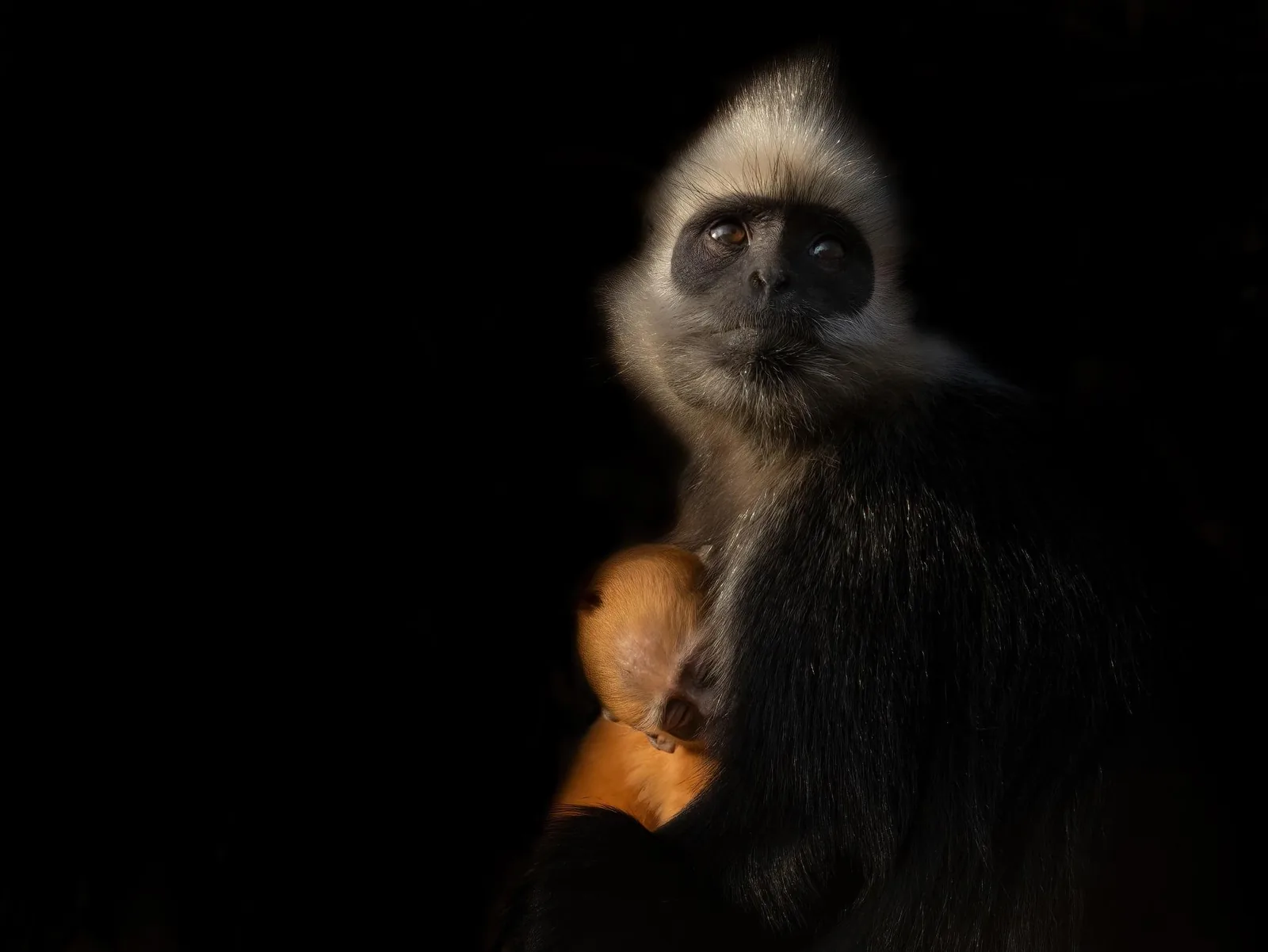
track of where they are. Seeing these incredible primates is almost guaranteed! We watched several individuals descend from nearby trees to drink water. Two of the most exciting individuals were two females with their babies, which at that age are bright orange! We enjoyed our encounter with these endangered monkeys and then returned to the cars to complete the drive to the airport. Day 10: Hainan
We landed in the southern city of Sanya, while there was no birding to do in the city limits we had an early breakfast and headed northwest towards Jianfengling National Forest Park. In this park the forests range from native conifers to lush shady evergreen forests. The diversity is considerably lower than the mainland, but there are several endemic birds, mammals, reptiles and amphibians. Currently there are three endemic bird species, although there are several additional subspecies that are likely to be split in the future. We had 2 hours of driving from the hotel to the first birding location, so we had breakfast and loaded into our bus. Once we arrived we were informed by local authorities that trails had been closed for maintenance. This can be an issue in parts of China but luckily our local guides are
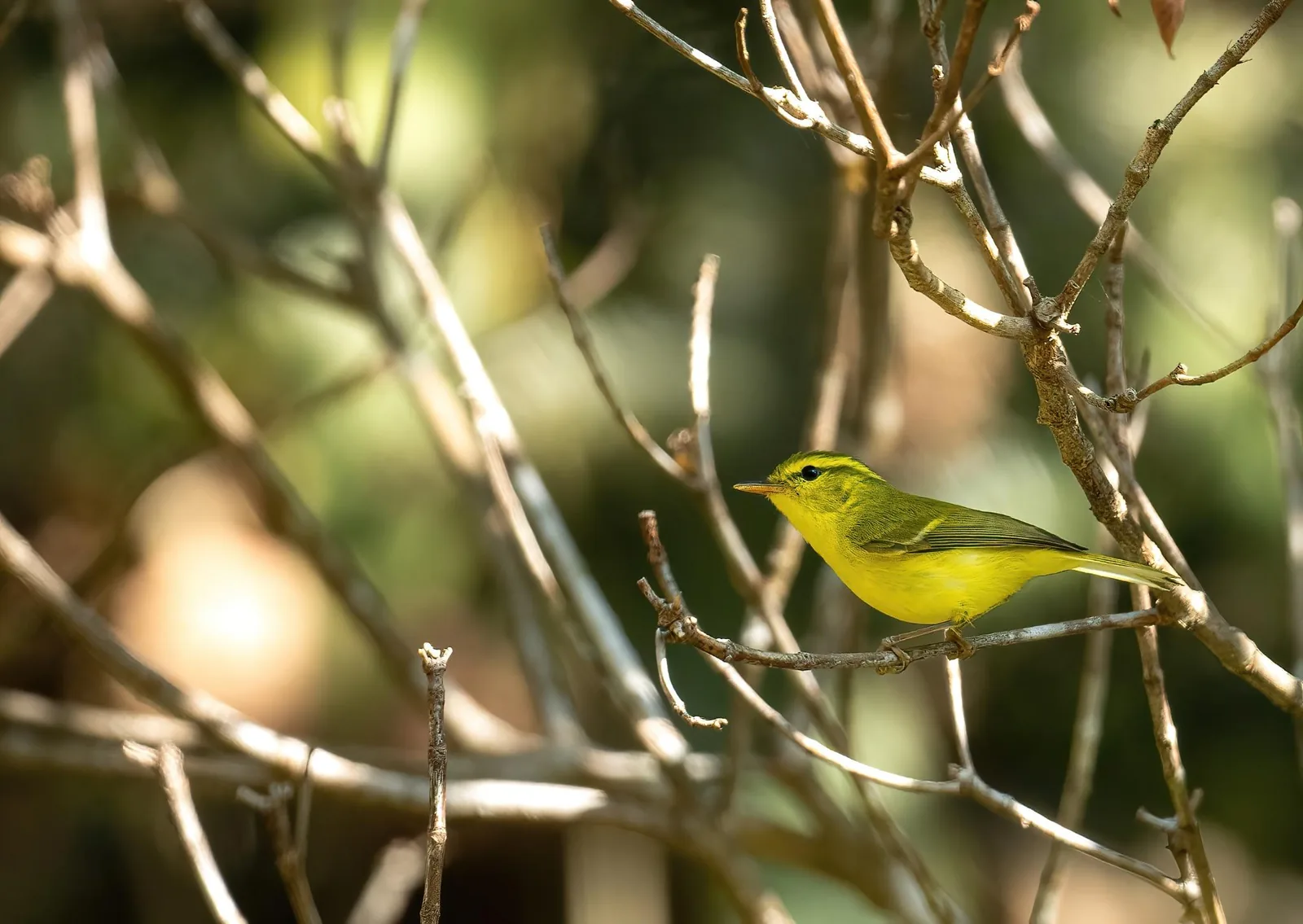
Hainan Leaf Warbler
great at adapting, an important skill for any guide in China. We walked the roads and it wasn’t long before we located our first endemic bird, the Hainan Leaf Warbler! Unlike most leaf warblers, this one is noticeably different. Its bright yellow colors made it appear like a small nugget of gold as it rapidly flew from branch to branch. We managed to get some photos of the warbler and then continued birding the road for the remainder of the day. Aside from the warbler, some of the highlights included Chinese Barbet, Crested Serpent-Eagle, Chestnut Bulbul, and Green-billed Malkoha.
Day 11: Hainan Full Day
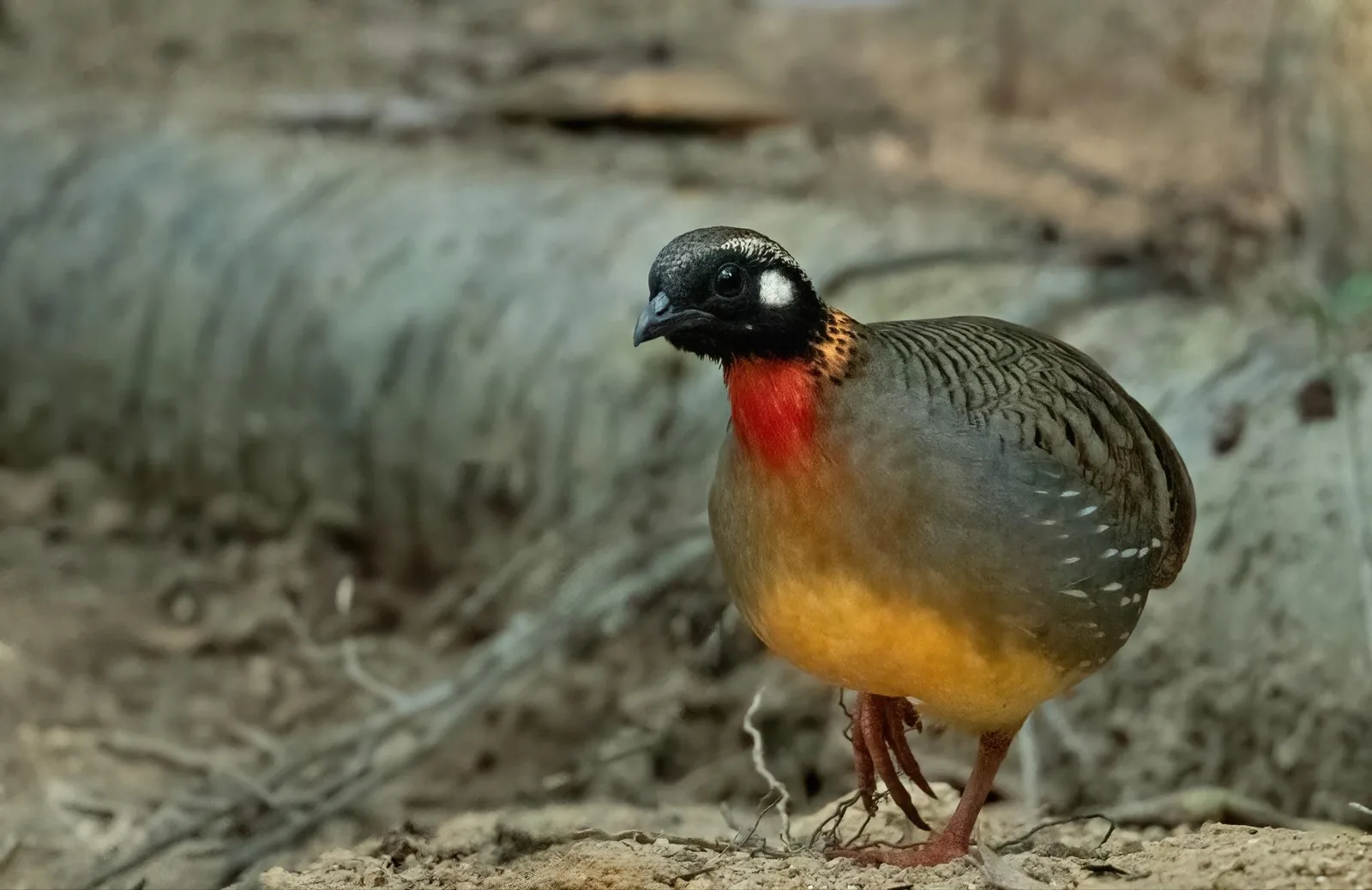
After settling into our hotel the previous night, we were only 10 minutes away from the photo hides for the two remaining endemic birds, the Hainan Peacock-Pheasant and the Hainan Partridge. There were two hides within walking distance, so we spent the majority of this morning in the first hide. As we waited for the Hainan Peacock-Pheasant (seen below) , we were visited by Indochinese
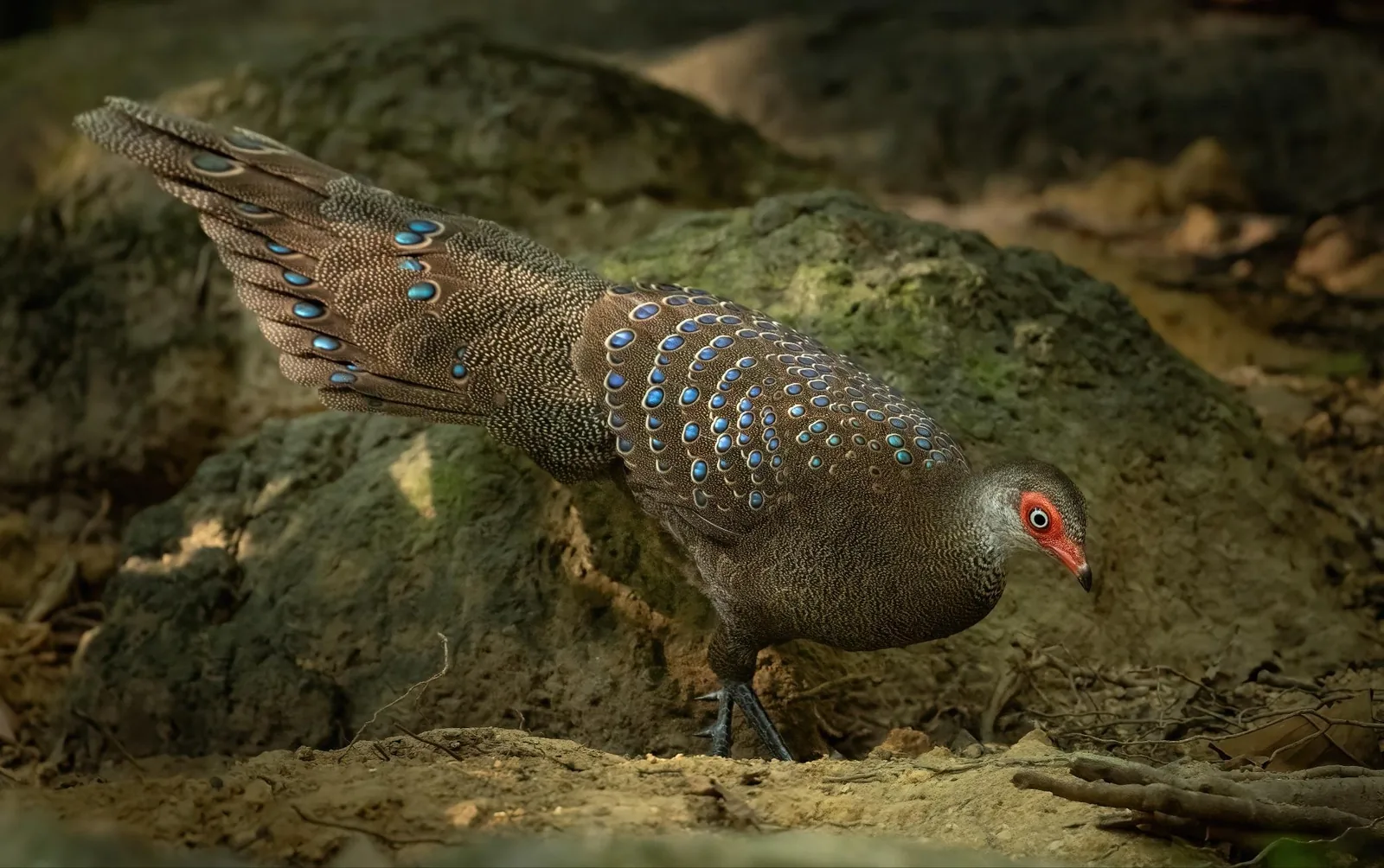
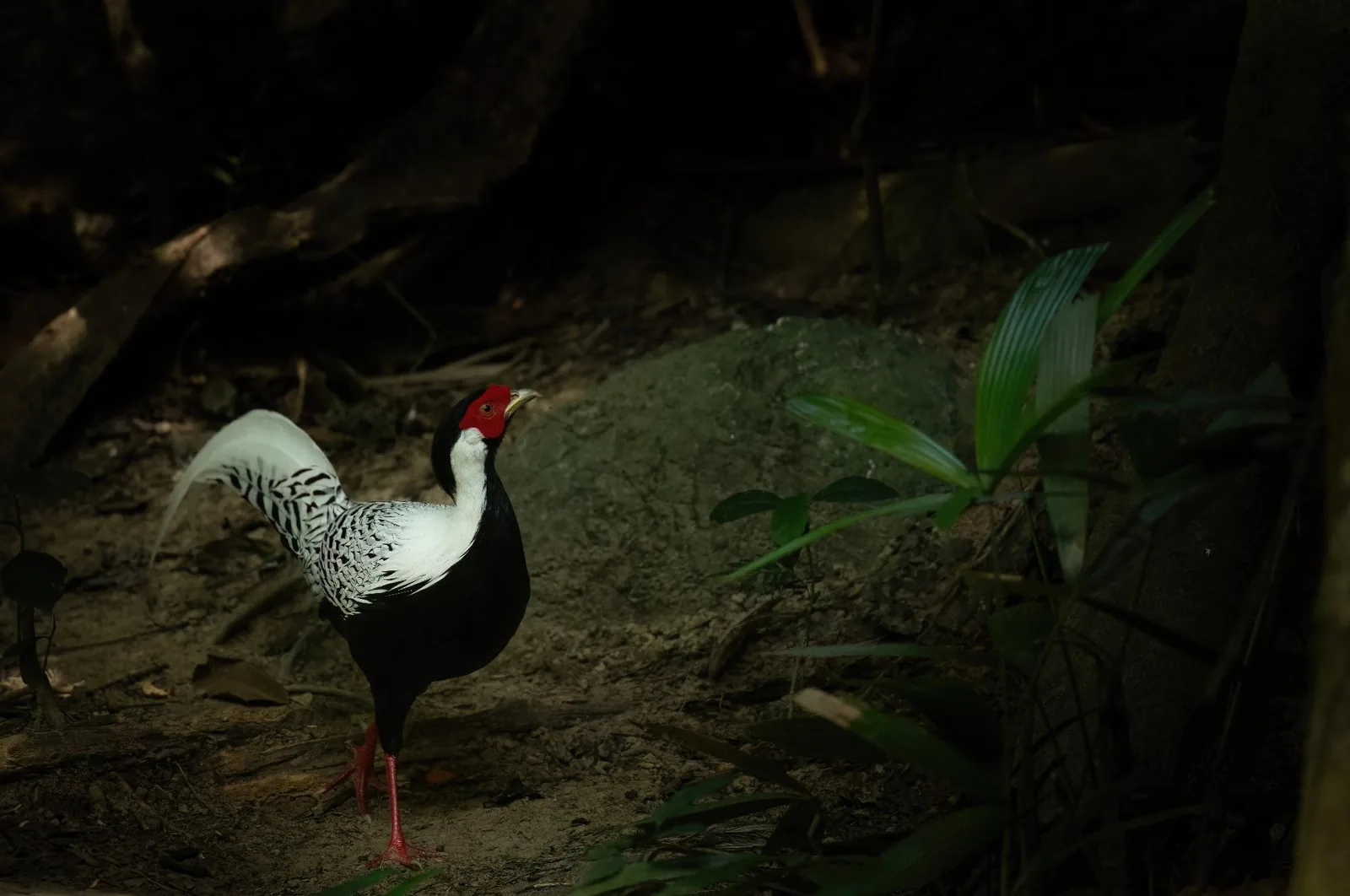
Green-Magpie, Rufous-cheeked Laughingthrush, Hainan Laughingthrush (a subspecies of Black-throated Laughingthrush) and Rufous-tailed Robin. After waiting for several hours our long awaited Hainan Peacock-Pheasant finally appeared. Shortly after this mythical bird's departure we were visited by a small group of Silver Pheasants. The Hainan Partridge did an excellent job of alluding us for the entire morning. After deciding we were not leaving until the Hainan Partridge were seen we had the local restaurant deliver us lunch. We ate and continued to wait, and luckily our patience was rewarded at the very end of the day when a covey of Hainan Partridge finally appeared in the late afternoon. We were thrilled our patience had paid off, and we all returned to the hotel afterwards to relax and celebrate.
Day 12: Hainan Final Day
For the final morning on Hainan we started by searching for the endemic subspecies of White-winged Magpie. We searched for an hour before some members of the group decided to retry for better photos of the Hainan Partridge, while others continued birding on the roads. The road birding was quite slow but produced some birds like Blue-bearded Bee-eater, Black Drongo and Asian Brown Flycatcher. For those that went to the hide, it was once again a game of patience. Luckily, that patience paid off when a covey of five Hainan Partridge (seen below) appeared at the hide and allowed epic photo opportunities for several minutes before retreating into the woods once again. After one final morning we returned to our hotel for lunch and began the 4 hour drive to Haikou. It was our last day of the recce and everyone used Haikou as their departure airport. It was an epic trip and left all of us thrilled with the idea of future tours we could run in this part of the world.
Bird List Taxonomy follows eBird/Clements online checklist v.2024
| Anatidae (Ducks & Geese) | |
|---|---|
| Greater White-fronted Goose | Anser albifrons |
| Ruddy Shelduck | Tadorna ferruginea |
| Northern Shoveler | Spatula clypeata |
| Gadwall | Mareca strepera |
| Falcated Duck | Mareca falcata |
| Eurasian Wigeon | Mareca penelope |
| Eastern Spot-billed Duck | Anas zonorhyncha |
| Mallard | Anas platyrhynchos |
| Northern Pintail | Anas acuta |
| Green-winged Teal | Anas carolinensis |
| Red-crested Pochard | Netta rufina |
| Common Pochard | Aythya ferina |
| Ferruginous Duck | Aythya nyroca |
| Tufted Duck | Aythya fuligula |
| Greater Scaup | Aythya marila |
| Phasianidae (Pheasants, Grouse & Allies ) | |
| Rufous-throated Partridge | Arborophila rufogularis |
| Hainan Partridge (E) | Arborophila ardens |
| Bar-backed Partridge | Arborophila brunneopectus |
| Lady Amherst’s Pheasant (E) | Chrysolophus amherstiae |
| Kalij Pheasant | Lophura leucomelanos |
| Silver Pheasant | Lophura nycthemera |
| Hainan Peacock-Pheasant (E) | Polyplectron katsumatae |
| Gray Peacock-Pheasant | Polyplectron bicalcaratum |
| Red Junglefowl | Gallus gallus |
| Columbidae (Pigeons & Doves) | |
| Rock Pigeon | Columba livia |
| Oriental Turtle-Dove | Streptopelia orientalis |
| Spotted Dove | Spilopelia chinensis |
| Asian Emerald Dove | Chalcophaps indica |
| Mountain Imperial-Pigeon | Ducula badia |
| Wedge-tailed Green-Pigeon | Treron sphenurus |
| Pin-tailed Green-Pigeon | Treron apicauda |
| Cuculidae (Cuckoos) | |
| Greater Coucal | Centropus sinensis |
| Green-billed Malkoha | Phaenicophaeus tristis |
| Apodidae (Swifts) | |
| House Swift | Apus nipalensis |
| Eurasian Moorhen | Gallinula chloropus |
| Eurasian Coot | Fulica atra |
| Scolopacidae (Sandpipers & Allies) | |
| Common Snipe | Gallinago gallinago |
| Common Sandpiper | Actitis hypoleucos |
| Green Sandpiper | Tringa ochropus |
| Podicipedidae (Grebes) | |
| Little Grebe | Tachybaptus ruficollis |
| Great Crested Grebe | Podiceps cristatus |
| Phalacrocoracidae (Cormorants) | |
| Great Cormorant | Phalacrocorax carbo |
| Ardeidae (Herons, Egrets & Bitterns) | |
| Gray Heron | Ardea cinerea |
| Great Egret | Ardea alba |
| Little Egret | Egretta garzetta |
| Cattle Egret | Bubulcus ibis |
| Striated Heron | Butorides striata |
| Black-crowned Night-Heron | Nycticorax nycticorax |
| White-eared Night-Heron | Oroanassa magnifica |
| Accipitridae (Hawks, Eagles & Kites) | |
| Himalayan Griffon | Gyps himalayensis |
| Besra | Tachyspiza virgata |
| Crested Ser pent-Eagle | Spilornis cheela |
| Eurasian Sparrowhawk | Accipiter nisus |
| Eastern Buzzard | Buteo japonicus |
| Strigidae (Owls) | |
| Asian Barred Owl | Glaucidium cuculoides |
| Collared Owlet | Taenioptynx brodiei |
| Upupidae (Hoopoes) | |
| Eurasian Hoopoe | Upupa epops |
| Alcedinidae (Kingfishers) | |
| Common Kingfisher | Alcedo atthis |
| Meropidae (Bee-Eaters) | |
| Blue-bearded Bee-Eater | Nyctyornis athertoni |
| Megalaimidae (Asian Barbets) | |
| Great Barbet | Psilopogon virens |
| Golden-throated Barbet | Psilopogon franklinii |
| Chinese Barbet | Psilopogon faber |
| Blue-throated Barbet | Psilopogon asiaticus |
| Falconidae (Falcons) | |
| Eurasian Kestrel | Falco tinnunculus |
| Collared Falconet | Microhierax caerulescens |
| Picidae (Woodpeckers) | |
| Greater Yellownape | Chrysophlegma flavinucha |
| Lesser Yellownape | Picus chlorolophus |
| Gray-headed Woodpecker | Picus canus |
| Pittidae (Pittas) | |
| Blue-rumped Pitta | Hydrornis soror |
| Campephagidae (Cuckooshrikes) | |
| Short-billed Minivet | Pericrocotus brevirostris |
| Scarlet Minivet | Pericrocotus speciosus |
| Vireonidae (Vireos) | |
| White-bellied Erpornis | Erpornis zantholeuca |
| Rhipiduridae (Fantails) | |
| White-throated Fantail | Rhipidura albicollis |
| Dicruridae (Drongos) | |
| Black Drongo | Dicrurus macrocercus |
| Ashy Drongo | Dicrurus leucophaeus |
| Bronzed Drongo | Dicrurus aeneus |
| Greater Racket-tailed Drongo | Dicrurus paradiseus |
| Laniidae (Shrikes) | |
| Long-tailed Shrike | Lanius schach |
| Gray-backed Shrike | Lanius tephronotus |
| Corvidae (Crows, Jays & Magpies) | |
| Red-billed Blue-Magpie | Urocissa erythroryncha |
| White-winged Magpie | Urocissa whiteheadi |
| Indochinese Green-Magpie | Cissa hypoleuca |
| Common Green-Magpie | Cissa chinensis |
| Gray Treepie | Dendrocitta formosae |
| Collared Treepie | Dendrocitta frontalis |
| Stenostiridae (Fairy-Flycatchers) | |
| Yellow-bellied Fairy-Fantail | Chelidorhynx hypoxanthus |
| Paridae (Tits) | |
| Green-backed Tit | Parus monticolus |
| Asian Tit | Parus cinereus |
| Yellow-cheeked Tit | Machlolophus spilonotus |
| Cisticolidae (Cisticolas & Allies) | |
| Common Tailorbird | Orthotomus sutorius |
| Hill Prinia | Prinia superciliaris |
| Rufescent Prinia | Prinia rufescens |
| Pnoepygidae (Cupwings) | |
| Pygmy Cupwing | Pnoepyga pusilla |
| Hirundinidae (Swallows) | |
| Barn Swallow | Hirundo rustica |
| Pycnonotidae (Bulbuls) | |
| White-throated Bulbul | Alophoixus flaveolus |
| Puff-throated Bulbul | Alophoixus pallidus |
| Gray-eyed Bulbul | Iole propinqua |
| Chestnut Bulbul | Hemixos castanonotus |
| Mountain Bulbul | Ixos mcclellandii |
| Black Bulbul | Hypsipetes leucocephalus |
| Black-crested Bulbul | Rubigula flaviventris |
| Crested Finchbill | Spizixos canifrons |
| Flavescent Bulbul | Pycnonotus flavescens |
| Brown-breasted Bulbul | Pycnonotus xanthorrhous |
| Light-vented Bulbul | Pycnonotus sinensis |
| Red-whiskered Bulbul | Pycnonotus jocosus |
| Red-vented Bulbul | Pycnonotus cafer |
| Sooty-headed Bulbul | Pycnonotus aurigaster |
| Phylloscopidae (Leaf Warblers) | |
| Ashy-throated Warbler | Phylloscopus maculipennis |
| Buff-barred Warbler | Phylloscopus pulcher |
| Yellow-browed Warbler | Phylloscopus inornatus |
| Pallas’s Leaf Warbler | Phylloscopus proregulus |
| Dusky Warbler | Phylloscopus fuscatus |
| Hainan Leaf Warbler (E) | Phylloscopus hainanus |
| Chestnut-crowned Warbler | Seicercus castaniceps |
| Pale-footed Bush Warbler | Hemitesia pallidipes |
| Gray-bellied Tesia | Tesia cyaniventer |
| Paradoxornithidae (Parrotbills) | |
| Yellow-eyed Babbler | Chrysomma sinense |
| Rufous-headed Parrotbill | Paradoxornis bakeri |
| Brown-winged Parrotbill | Suthora brunnea |
| Zosteropidae (White-eyes & Allies) | |
| Indian White-eye | Zosterops palpebrosus |
| Whiskered Yuhina | Yuhina flavicollis |
| Timaliidae (Old World Babblers) | |
| Chestnut-capped Babbler | Timalia pileata |
| Pin-striped Tit-Babbler | Macronus gularis |
| Golden Babbler | Cyanoderma chrysaeum |
| Rufous-capped Babbler | Cyanoderma ruficeps |
| Brown-crowned Scimitar-Babbler | Pomatorhinus phayrei |
| Red-billed Scimitar-Babbler | Pomatorhinus ochraceiceps |
| Slender-billed Scimitar-Babbler | Pomatorhinus superciliaris |
| Streak-breasted Scimitar-Babbler | Pomatorhinus ruficollis |
| Large Scimitar-Babbler | Erythrogenys hypoleucos |
| Black-streaked Scimitar-Babbler | Pomatorhinus gravivox |
| Gray-throated Babbler | Stachyris nigriceps |
| Nonggong Babbler | Stachyris nonggangensis |
| Cachar Wedge-billed Babbler | Stachyris roberti |
| Spot-necked Babbler | Stachyris strialata |
| Pellorneidae (Jungle Babblers) | |
| White-hooded Babbler | Gampsorhynchus rufulus |
| Rusty-capped Fulvetta | Alcippe dubia |
| Puff-throated Babbler | Pellorneum ruficeps |
| Buff-breasted Babbler | Pellorneum tickelli |
| Streaked Wren-Babbler | Gypsophila brevicaudata |
| Alcippeidae (Fulvettas) | |
| Brown-cheeked Fulvetta | Alcippe poioicephala |
| Nepal Fulvetta | Alcippe nipalensis |
| David’s Fulvetta | Alcippe davidi |
| Huet’s Fulvetta | Alcippe hueti |
| Yunnan Fulvetta | Alcippe fratercula |
| Leiothrichidae (Laughingthrushes) | |
| Scaly Laughingthrush | Trochalopteron subunicolor |
| Blue-winged Laughingthrush | Trochalopteron squamatum |
| Red-tailed Laughingthrush | Trochalopteron milnei |
| Assam Laughingthrush | Trochalopteron chrysopterum |
| Long-tailed Sibia | Heterophasia picaoides |
| Beautiful Sibia | Heterophasia pulchella |
| Black-headed Sibia | Heterophasia desgodinsi |
| Blue-winged Minla | Siva cyanouroptera |
| Rusty-fronted Barwing | Actinodura egertoni |
| Silver-eared Mesia | Leiothrix argentauris |
| Red-tailed Minla | Minla ignotincta |
| Rufous-backed Sibia | Heterophasia annectens |
| Scarlet-faced Liocichla | Liocichla ripponi |
| Lesser Necklaced Laughingthrush | Garrulax monileger |
| White-crested Laughingthrush | Garrulax leucolophus |
| Rufous-cheeked Laughingthrush | Garrulax castanotis |
| Moustached Laughingthrush | Garrulax cineraceus |
| Black-throated Laughingthrush | Garrulax chinensis |
| “Hainan” Black-throated Laughingthrush | Garrulax chinensis monachus |
| Greater Necklaced Laughingthrush | Pterorhinus pectoralis |
| Sittidae (Nuthatches) | |
| Chestnut-vented Nuthatch | Sitta nagaensis |
| Velvet-fronted Nuthatch | Sitta frontalis |
| Turdidae (Thrushes) | |
| Long-tailed Thrush | Zoothera dixoni |
| Gray-winged Blackbird | Turdus boulboul |
| Black-breasted Thrush | Turdus dissimilis |
| Muscicapidae (Old World Flycatchers) | |
| Asian Brown Flycatcher | Muscicapa dauurica |
| Oriental Magpie-Robin | Copsychus saularis |
| White-rumped Shama | Copsychus malabaricus |
| Large Niltava | Niltava grandis |
| Small Niltava | Niltava macgrigoriae |
| Rufous-bellied Niltava | Niltava sundara |
| Verditer Flycatcher | Eumyias thalassinus |
| White-gorgeted Flycatcher | Anthipes monileger |
| Hainan Blue Flycatcher | Cyornis hainanus |
| Hill Blue Flycatcher | Cyornis banyumas |
| Lesser Shortwing | Brachypteryx leucophrys |
| Himalayan Shortwing | Brachypteryx cruralis |
| Rufous-tailed Robin | Larvivora sibilans |
| Blue Whistling-Thrush | Myophonus caeruleus |
| White-crowned Forktail | Enicurus leschenaulti |
| Siberian Rubythroat | Calliope calliope |
| White-tailed Robin | Cheirogaleus crossleyi |
| Blue-fronted Robin | Cinclidium frontale |
| Red-flanked Bluetail | Saxicola ferreus |
| Himalayan Bluetail | Tarsiger rufilatus |
| Golden Bush-Robin | Tarsiger chrysaeus |
| Rufous-gorgeted Flycatcher | Ficedula strophiata |
| Little Pied Flycatcher | Ficedula westermanni |
| Hodgson’s Redstart | Phoenicurus hodgsoni |
| Daurian Redstart | Phoenicurus auroreus |
| Chestnut-bellied Rock-Thrush | Monticola rufiventris |
| Blue Rock-Thrush | Monticola solitarius |
| Gray Bushchat | Saxicola ferreus |
| Dicaeidae (Flowerpeckers) | |
| Fire-breasted Flowerpecker | Dicaeum ignipectus |
| Nectariniidae (Sunbirds) | |
| Purple Sunbird | Cinnyris asiaticus |
| Black-throated Sunbird | Aethopyga saturata |
| Mrs. Gould’s Sunbird | Aethopyga gouldiae |
| Fork-tailed Sunbird | Aethopyga christinae |
| Streaked Spiderhunter | Arachnothera magna |
| Chloropseidae (Leafbirds) | |
| Orange-bellied Leafbird | Chloropsis hardwickii |
| Golden-fronted Leafbird | Chloropsis aurifrons |
| Estrildidae (Waxbills & Allies) | |
| White-rumped Munia | Lonchura striata |
| Passeridae (Old World Sparrows) | |
| Eurasian Tree Sparrow | Passer montanus |
| Motacillidae (Wagtails & Allies) | |
| Gray Wagtail | Motacilla cinerea |
| White Wagtail | Motacilla alba |
| Citrine Wagtail | Motacilla citreola |
| Olive-backed Pipit | Anthus hodgsoni |
| Fringillidae (Finches) | |
| Vinaceous Rosefinch | Carpodacus vinaceus |
| Emberizidae (Buntings) | |
| Little Bunting | Emberiza pusilla |
| Tupaiidae (Treeshrews) | |
| Northern Treeshrew | Tupaia belangeri |
| Soricidae (Shrews) | |
| Asian House Shrew | Suncus murinus |
| Cercopithecidae (Old World Monkeys) | |
| White-headed Langur (E) | Trachypithecus leucocephalus |
| Sciuridae (Squirrels) | |
| Yunnan Giant Flying Squirrel (E) | Petaurista yunanensis |
| Pallas’s Squirrel | Callosciurus erythraeus |
| Anderson’s Squirrel (E) | Callosciurus quinquestriatus |
This trip report was written by Tropical Birding and is reproduced with their permission, with their photographs. See Tropical Birding's China tour for their trips and more reports. To join this trip, see China: Birding with a Camera, Tropical Birding. Back to resources.