
 Wildlife
of China
Bean Goose
Ducks, Geese & Grebes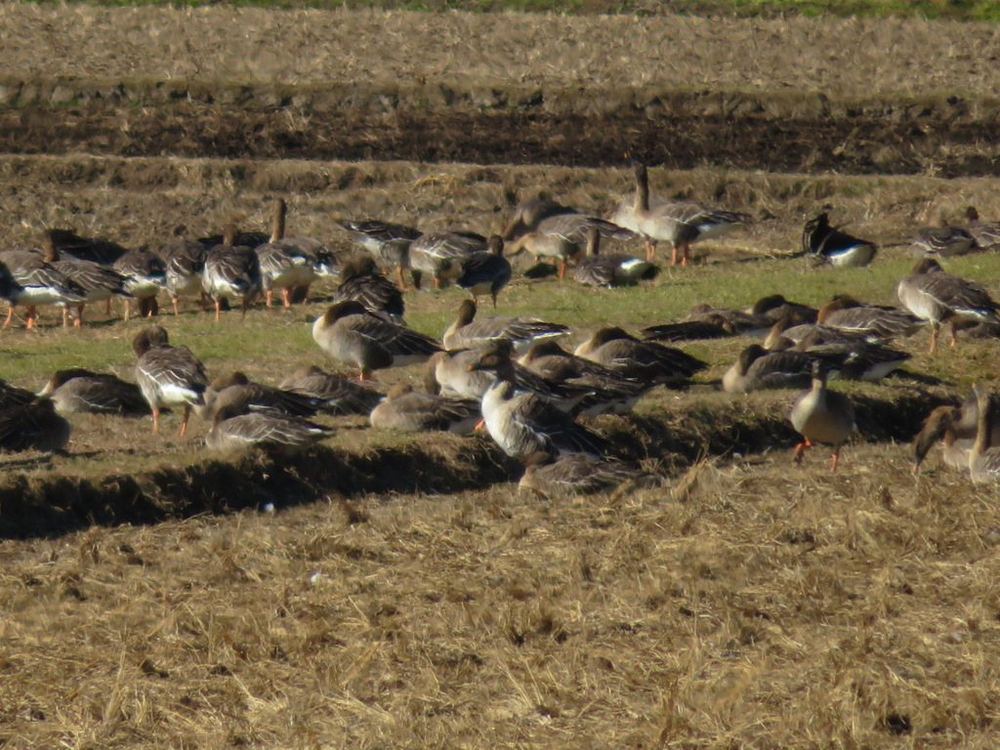
Photo: (c) Marco Mussita, some rights reserved (CC BY) · CC-BY
Anser fabalis
Basic stats
Diet
Grasses, seeds, grains, roots, tubers, and agricultural crops
Habitat
Tundra, taiga, lakes, marshes, wetlands, and agricultural fields
Range
Europe and Asia, with northern breeding grounds and wintering areas extending into China
Clutch size
4–6 eggs
Incubation period
27–29 days
Size
65–90 cm
Wingspan
140–190 cm
Weight
2.8–3.4 kg
Bean geese occur across Europe and Asia. Their several subspecies breed in northern Europe and Siberia, while Asian populations winter in places including western and eastern China, Japan, and Korea. During spring and summer they use cold tundra and taiga landscapes near lakes and marshes. Wintering birds commonly occupy large fields, agricultural land, lakes, and wetlands. Adults measure about 65 to 90 centimeters long, span 140 to 190 centimeters, and typically weigh between 2.8 and 3.4 kilograms. (Animal Diversity Web)
These geese are herbivores that feed on grasses, seeds, roots, tubers, and crops such as corn, rice, barley, wheat, soybeans, potatoes, and sugar beets. Bean geese select partners by their second winter and generally mate for life, reinforcing pair and family bonds through shared displays and calls. They breed once annually and lay four to six eggs, which hatch after 27 to 29 days. Both parents usually raise and protect the goslings, which fledge at about 40 days. (Animal Diversity Web)
Quick answers
- What does the Bean Goose eat?
- Grasses, seeds, grains, roots, tubers, and agricultural crops
- What habitat does the Bean Goose live in?
- Tundra, taiga, lakes, marshes, wetlands, and agricultural fields
- Where is the Bean Goose found?
- Europe and Asia, with northern breeding grounds and wintering areas extending into China
- How many eggs does the Bean Goose lay?
- 4–6 eggs
- How long are the eggs of the Bean Goose incubated?
- 27–29 days
- How big is the Bean Goose?
- 65–90 cm
- What is the wingspan of the Bean Goose?
- 140–190 cm
- How much does the Bean Goose weigh?
- 2.8–3.4 kg