
 Wildlife
of China
Black Kite
Birds of Prey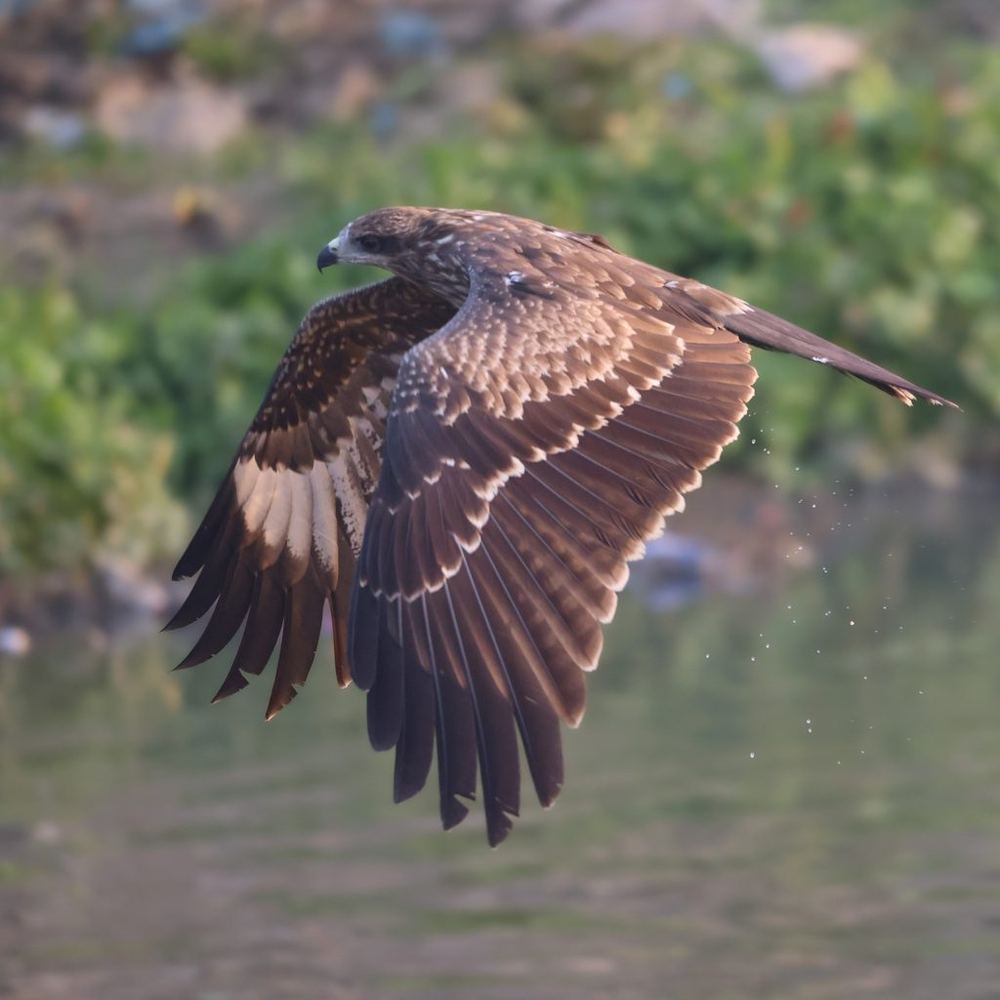
Photo: Andy Wilson · CC0 1.0
Milvus migrans
Basic stats
Diet
Carrion, fish, insects, reptiles, amphibians, small mammals, birds, and eggs
Habitat
Open country, wetlands, woodland edges, farmland, settlements, and refuse sites
Range
Widely distributed across Europe, Africa, Asia, and Australia
Black kites are widely distributed raptors whose movements vary geographically. Northern populations commonly migrate south for winter, while birds in tropical regions may remain resident wherever food stays abundant. They use open landscapes, wetlands, agricultural country, woodland edges, settlements, and places where refuse or carrion is readily available. Their broad wings and maneuverable flight allow them to patrol large areas efficiently, while adaptable behavior enables them to live near people as well as in more natural environments (Animal Diversity Web).
These kites have exceptionally varied carnivorous diets. Although capable hunters, they frequently scavenge carcasses or steal eggs and other food. They also take fish, reptiles, amphibians, insects, small mammals, and birds; some hover near fires to capture fleeing insects. Black kites breed seasonally and lay eggs that hatch into helpless young. Both parents participate in care, protection, and provisioning. Their willingness to exploit carrion, refuse, and temporarily concentrated prey is central to their success across such a large geographic range (Animal Diversity Web).
Quick answers
- What does the Black Kite eat?
- Carrion, fish, insects, reptiles, amphibians, small mammals, birds, and eggs
- What habitat does the Black Kite live in?
- Open country, wetlands, woodland edges, farmland, settlements, and refuse sites
- Where is the Black Kite found?
- Widely distributed across Europe, Africa, Asia, and Australia