
 Wildlife
of China
Brambling
Finches, Sparrows & Buntings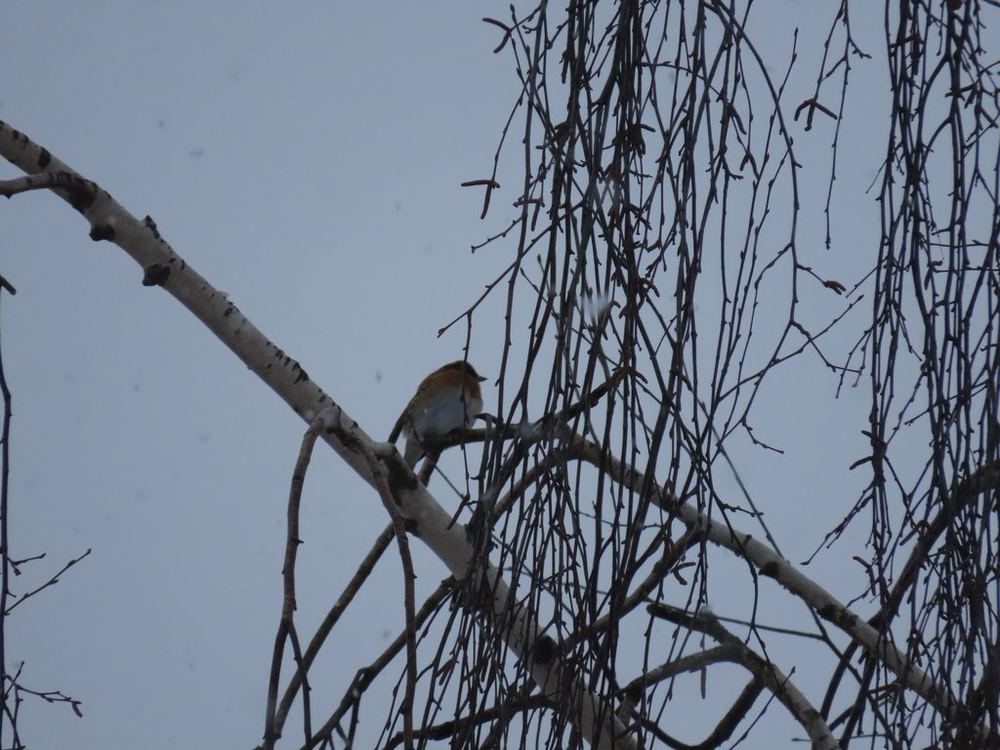
Photo: (c) Дмитрий Кошелев, some rights reserved (CC BY) · CC BY 4.0
Fringilla montifringilla
Basic stats
Diet
Beech mast, agricultural seeds, grains, nuts, moth larvae, and other insects
Habitat
Boreal forest, subalpine birch and willow woodland, scrub, beech forest, and farmland
Range
Breeds across northern Eurasia and winters from western Europe across Eurasia to Japan
Clutch size
5–7 eggs
Incubation period
11–12 days
Size
14–16 cm
Weight
Average 21 g
Bramblings are Palearctic finches that breed in Fennoscandia, the Baltic region, and Russia before dispersing across Eurasia as far as Japan for winter. Breeding habitats include boreal forest, subalpine birch and willow woodland, and scrub. In winter they frequent beech forests and agricultural fields, sometimes becoming highly nomadic while searching for productive seed crops. Adults are 14–16 centimetres long, average 21 grams, and have black tails, white rumps, orange wing markings, and white underparts (Animal Diversity Web).
Wintering bramblings feed heavily on beech mast and agricultural seeds, sometimes gathering in immense communal roosts. During breeding they also glean insects, and geometrid moth larvae are particularly important to nestlings. Pairs build cup-shaped nests in birch or spruce forks using grass, hair, bark, and moss. Females lay five to seven blue, reddish-marked eggs. Incubation lasts 11–12 days, while young remain in the nest for up to two weeks. One or two broods may be raised annually (Animal Diversity Web).
Quick answers
- What does the Brambling eat?
- Beech mast, agricultural seeds, grains, nuts, moth larvae, and other insects
- What habitat does the Brambling live in?
- Boreal forest, subalpine birch and willow woodland, scrub, beech forest, and farmland
- Where is the Brambling found?
- Breeds across northern Eurasia and winters from western Europe across Eurasia to Japan
- How many eggs does the Brambling lay?
- 5–7 eggs
- How long are the eggs of the Brambling incubated?
- 11–12 days
- How big is the Brambling?
- 14–16 cm
- How much does the Brambling weigh?
- Average 21 g