
 Wildlife
of China
Common Gull
Gulls, Terns & Skuas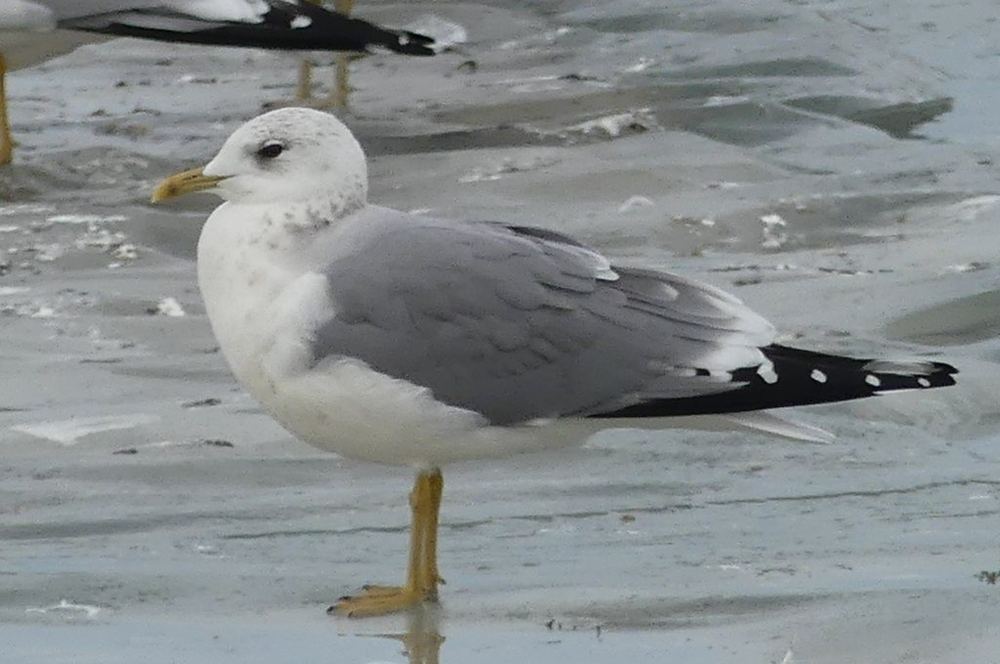
Photo: no rights reserved · CC0 1.0
Larus canus
Basic stats
Diet
Fish, mollusks, crustaceans, worms, insects, mice, berries, grains, eggs, and young birds
Habitat
Coasts, tidal estuaries, interior lakes, wetlands, and marshy grasslands
Range
Across the Northern Hemisphere in Europe, Asia, northern Africa, and North America
Clutch size
3–5 eggs, averaging 3
Incubation period
About 23–25 days
Size
40–46 cm
Wingspan
119–122 cm
Weight
290–552 g
Common gulls occur widely across the Northern Hemisphere, including Europe, Asia, northern Africa, and North America. They inhabit coastlines and tidal estuaries but also use interior lakes, freshwater wetlands, and marshy grassland. Although closely associated with water, flocks may move inland to agricultural land, especially after plowing exposes worms and insect larvae. Adults measure 40 to 46 centimeters long, possess wingspans of approximately 119 to 122 centimeters, and weigh 290 to 552 grams. Males and females look similar, although males are generally somewhat larger. (Animal Diversity Web)
These opportunistic omnivores favor fish and other seafood but also consume mollusks, crustaceans, worms, insects, mice, berries, grains, eggs, and young birds. Shellfish may be carried aloft and dropped repeatedly onto hard surfaces until they break. Common gulls form monogamous pairs and nest colonially on bare rocks or raised hummocks. Females construct most of the nest, while both sexes incubate and care for chicks. Clutches contain three to five eggs, usually three, which hatch after approximately 23 to 25 days. (Animal Diversity Web)
Quick answers
- What does the Common Gull eat?
- Fish, mollusks, crustaceans, worms, insects, mice, berries, grains, eggs, and young birds
- What habitat does the Common Gull live in?
- Coasts, tidal estuaries, interior lakes, wetlands, and marshy grasslands
- Where is the Common Gull found?
- Across the Northern Hemisphere in Europe, Asia, northern Africa, and North America
- How many eggs does the Common Gull lay?
- 3–5 eggs, averaging 3
- How long are the eggs of the Common Gull incubated?
- About 23–25 days
- How big is the Common Gull?
- 40–46 cm
- What is the wingspan of the Common Gull?
- 119–122 cm
- How much does the Common Gull weigh?
- 290–552 g