
 Wildlife
of China
Common Starling
Starlings & Mynas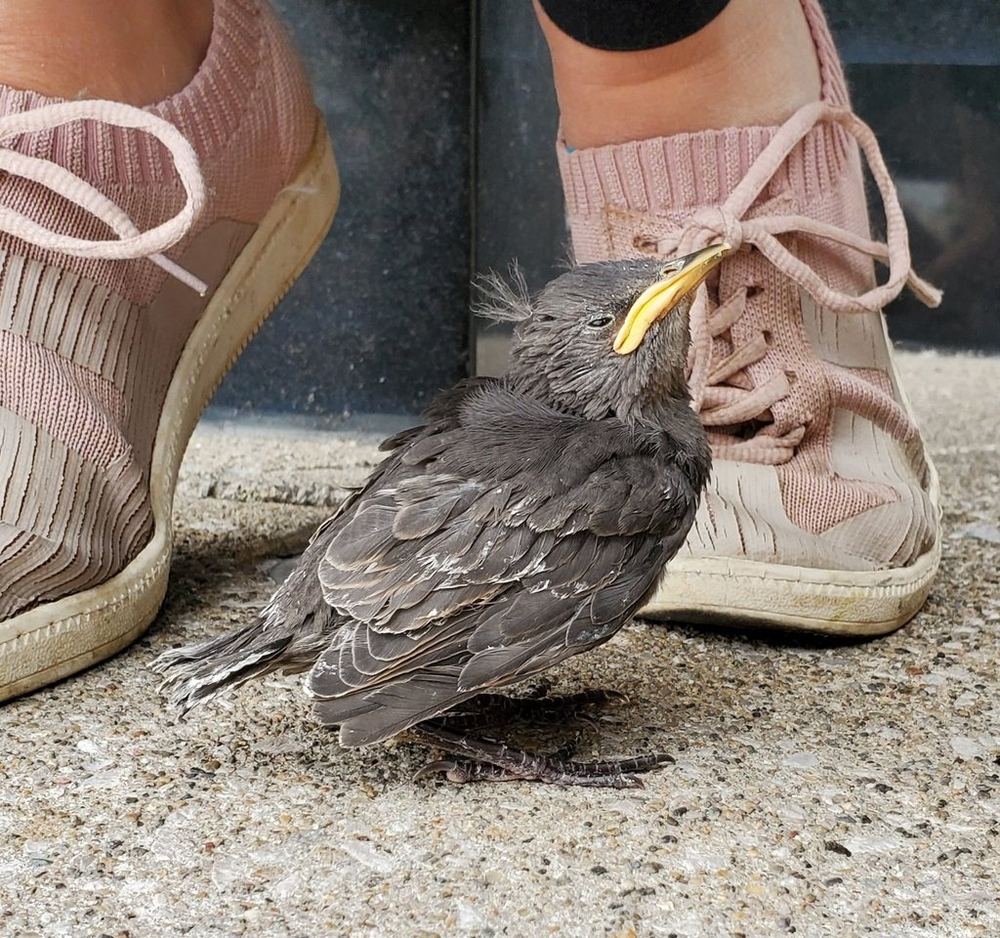
Photo: (c) Whitney Mattila, some rights reserved (CC BY) · CC BY 4.0
Sturnus vulgaris
Basic stats
Diet
Insects, centipedes, spiders, earthworms, seeds, grains, berries, and other fruit
Habitat
Lowlands, farmland, open moorland, salt marshes, settlements, and other areas with nesting cavities
Range
Native across much of the Palearctic and introduced widely elsewhere
Clutch size
4–7 eggs, averaging 5
Incubation period
About 11–15 days
Size
About 21.5 cm
Wingspan
About 40 cm
Weight
70–100 g
Common starlings are native across a large part of the Palearctic, from central Siberia west to the Azores and from northern Europe south to the Mediterranean. Introductions have established them across several other regions. They are primarily lowland birds and require cavities in trees, buildings, or roofs for nesting, together with open vegetation for feeding. Outside the breeding season they use habitats ranging from farmland and open moorland to salt marshes. Adults average 21.5 centimeters long, span about 40 centimeters, and weigh 70 to 100 grams. (Animal Diversity Web)
Starlings are adaptable omnivores that use open-bill probing to expose concealed food. They consume insects, centipedes, spiders, moths, earthworms, seeds, berries, apples, pears, plums, cherries, and other available foods. Although commonly monogamous, some males are polygynous, and birds may produce more than one clutch during a favorable season. A typical clutch contains four to seven pale blue or white eggs, averaging five. Incubation is performed mainly by the female and lasts approximately 11 to 15 days, followed by fledging after 21 to 23 days. (Animal Diversity Web)
Quick answers
- What does the Common Starling eat?
- Insects, centipedes, spiders, earthworms, seeds, grains, berries, and other fruit
- What habitat does the Common Starling live in?
- Lowlands, farmland, open moorland, salt marshes, settlements, and other areas with nesting cavities
- Where is the Common Starling found?
- Native across much of the Palearctic and introduced widely elsewhere
- How many eggs does the Common Starling lay?
- 4–7 eggs, averaging 5
- How long are the eggs of the Common Starling incubated?
- About 11–15 days
- How big is the Common Starling?
- About 21.5 cm
- What is the wingspan of the Common Starling?
- About 40 cm
- How much does the Common Starling weigh?
- 70–100 g