
 Wildlife
of China
Eastern Roe Deer
Deer & Chevrotains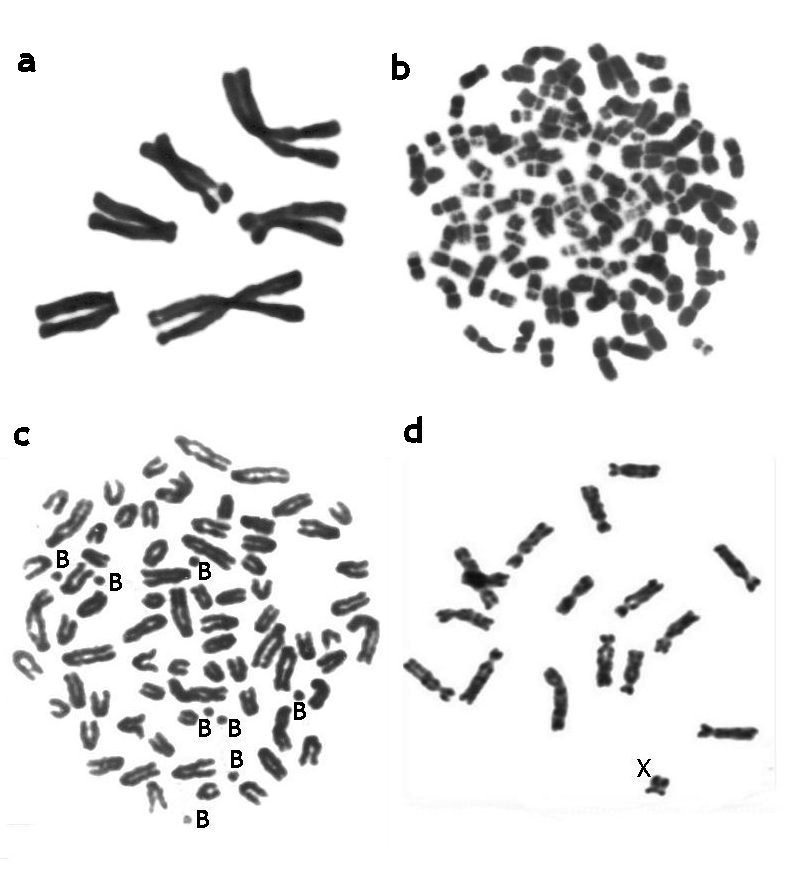
Photo: Graphodatsky et al. · CC BY 2.0
Capreolus pygargus
Basic stats
Diet
Leaves, flowers, stems, woody plants, mosses, and fungi
Habitat
Temperate forest, clearings, regenerating burns, grasslands, meadows, and floodplains
Range
Northern Asia, including central China and eastern Tibet; sea level to 3,300 m
Litter size
1–3 fawns, typically 2
Size
126.7–144.4 cm long; shoulder height 82–94 cm
Weight
32–65 kg
The eastern roe deer, also widely called the Siberian roe deer, is a medium-sized deer with hind legs longer than its forelegs. Adults measure about 126.7–144.4 cm long and stand 82–94 cm at the shoulder. The winter coat is largely taupe with creamy underparts, changing to reddish orange in summer. Males carry backward- and upward-slanting antlers, usually with three tines, while juveniles have pale-spotted coats. (Animal Diversity Web)
Eastern roe deer range across northern Asia and extend into central China and eastern Tibet. They use temperate forests, regenerating burns, clearings, grasslands, tall-grass meadows, and floodplains, reaching elevations of 3,300 m. Many populations migrate seasonally, typically moving 100–300 km to avoid severe winter conditions. Outside migration they commonly form small family groups. Their plant diet includes leaves, flowers, stems, and woody material, with mosses and fungi also eaten during winter. (Animal Diversity Web)
Quick answers
- What does the Eastern Roe Deer eat?
- Leaves, flowers, stems, woody plants, mosses, and fungi
- What habitat does the Eastern Roe Deer live in?
- Temperate forest, clearings, regenerating burns, grasslands, meadows, and floodplains
- Where is the Eastern Roe Deer found?
- Northern Asia, including central China and eastern Tibet; sea level to 3,300 m
- What is the litter size of the Eastern Roe Deer?
- 1–3 fawns, typically 2
- How big is the Eastern Roe Deer?
- 126.7–144.4 cm long; shoulder height 82–94 cm
- How much does the Eastern Roe Deer weigh?
- 32–65 kg