
 Wildlife
of China
Eurasian Bittern
Storks, Herons, Ibises & Pelicans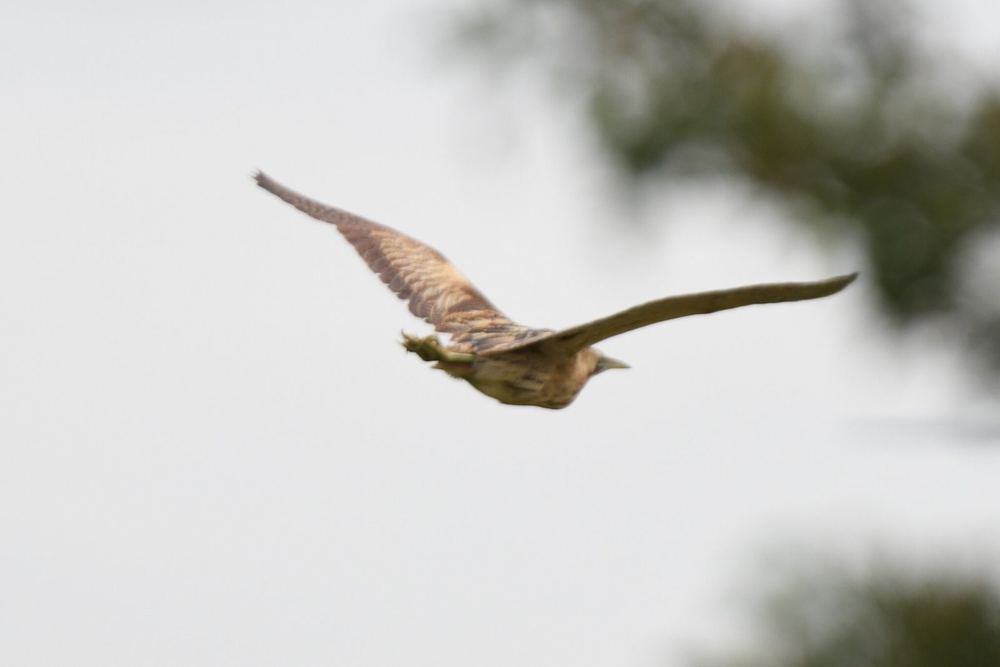
Photo: no rights reserved · CC0
Botaurus stellaris
Basic stats
Diet
Fish, amphibians, crustaceans, insects, and other small aquatic animals
Habitat
Reedbeds, marshes, mires, rice fields, and other densely vegetated wetlands
Range
Breeds across temperate Europe and Asia; winters in Africa, Southeast Asia, and the southern Mediterranean
Clutch size
3–6 eggs, averaging about 4
Incubation period
About 25 days
Size
64–80 cm
Wingspan
125–135 cm
Weight
ADW reports a malformed range and it is omitted
Eurasian bitterns breed across temperate western Europe and through Eurasia to Japan. Migratory populations winter in central and southern Africa, Southeast Asia, and around the southern Mediterranean, while some remain year-round in the British Isles and Netherlands. They depend on dense reedbeds, marsh vegetation, saw-sedge, rice fields, and early-successional wetlands. Especially favorable sites combine shallow water, thick nesting cover, and nearby deeper, more open water. Adults measure 64 to 80 centimeters long and span approximately 125 to 135 centimeters. (Animal Diversity Web)
Bitterns hunt in shallow wetland water, taking fish, amphibians, crustaceans, insects, and other small aquatic prey. Their streaked plumage provides exceptional camouflage, and an alarmed bird may stretch upright and sway like surrounding reeds. Males are polygynous and advertise with deep booming calls that can travel several kilometers. Females build the nest, incubate, and feed the brood without male assistance. A clutch contains three to six eggs, averaging about four, and incubation lasts approximately 25 days. (Animal Diversity Web)
Quick answers
- What does the Eurasian Bittern eat?
- Fish, amphibians, crustaceans, insects, and other small aquatic animals
- What habitat does the Eurasian Bittern live in?
- Reedbeds, marshes, mires, rice fields, and other densely vegetated wetlands
- Where is the Eurasian Bittern found?
- Breeds across temperate Europe and Asia; winters in Africa, Southeast Asia, and the southern Mediterranean
- How many eggs does the Eurasian Bittern lay?
- 3–6 eggs, averaging about 4
- How long are the eggs of the Eurasian Bittern incubated?
- About 25 days
- How big is the Eurasian Bittern?
- 64–80 cm
- What is the wingspan of the Eurasian Bittern?
- 125–135 cm
- How much does the Eurasian Bittern weigh?
- ADW reports a malformed range and it is omitted