
 Wildlife
of China
Hog Badger
Bears, Dogs & Otters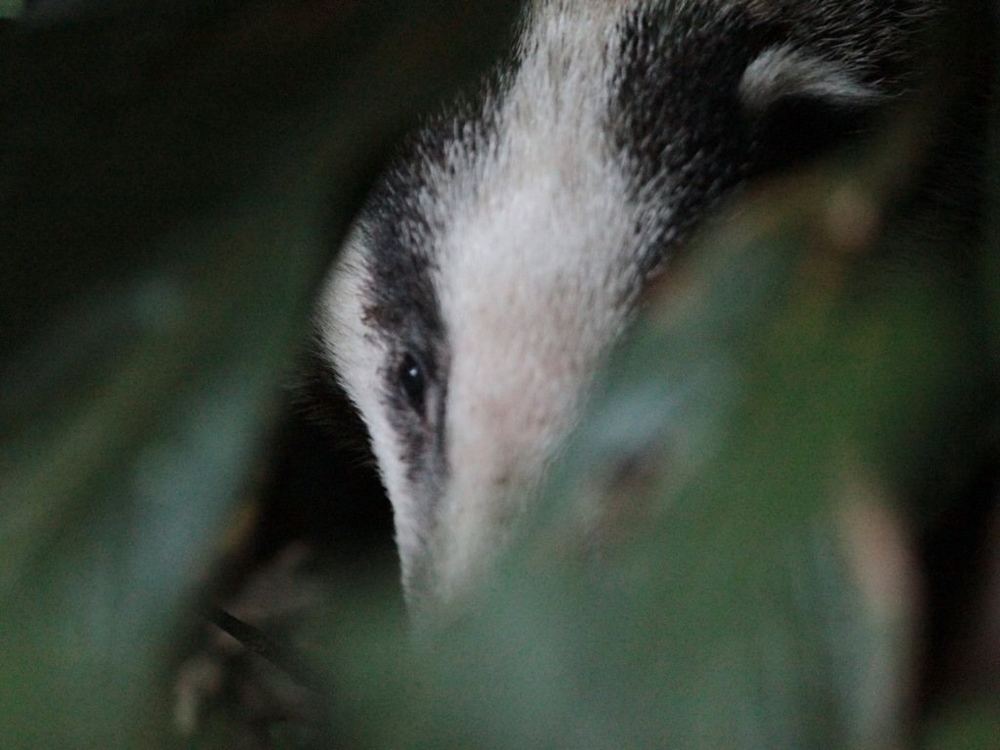
Photo: (c) Ian Dugdale, some rights reserved (CC BY) · CC-BY
Arctonyx collaris
Basic stats
Diet
Earthworms, insects, small mammals, fruit, roots and tubers
Habitat
Grassland, hills, mountains and tropical evergreen or semi-evergreen forest
Litter size
2–4
Gestation period
5–9.5 months
Size
55–70cm
Weight
7–14kg
The greater hog badger is a stocky mustelid with dark grey or brown fur, a pale throat and two dark stripes across the face. Its elongated, mobile, pig-like snout and modified front teeth help it disturb soil while searching for food. The claws are pale, and skull form helps separate it from the northern and Sumatran hog badgers. Adults measure 55–70cm and weigh 7–14kg. (Animal Diversity Web)
Across its confirmed range, this solitary nocturnal badger occupies grasslands, hills, mountains and tropical forests. It shelters and forages by digging, using its snout, incisors and lower canines to expose food. Earthworms appear particularly important, but insects, small mammals, fruit, roots and tubers are also eaten. Litters contain two to four cubs. A modern taxonomic review indicates that Chinese hog badgers belong to other Arctonyx species. (Animal Diversity Web; Helgen et al. 2008)
Quick answers
- What does the Hog Badger eat?
- Earthworms, insects, small mammals, fruit, roots and tubers
- What habitat does the Hog Badger live in?
- Grassland, hills, mountains and tropical evergreen or semi-evergreen forest
- What is the litter size of the Hog Badger?
- 2–4
- How long is the gestation period of the Hog Badger?
- 5–9.5 months
- How big is the Hog Badger?
- 55–70cm
- How much does the Hog Badger weigh?
- 7–14kg