
 Wildlife
of China
Rook
Crows, Drongos, Orioles & Shrikes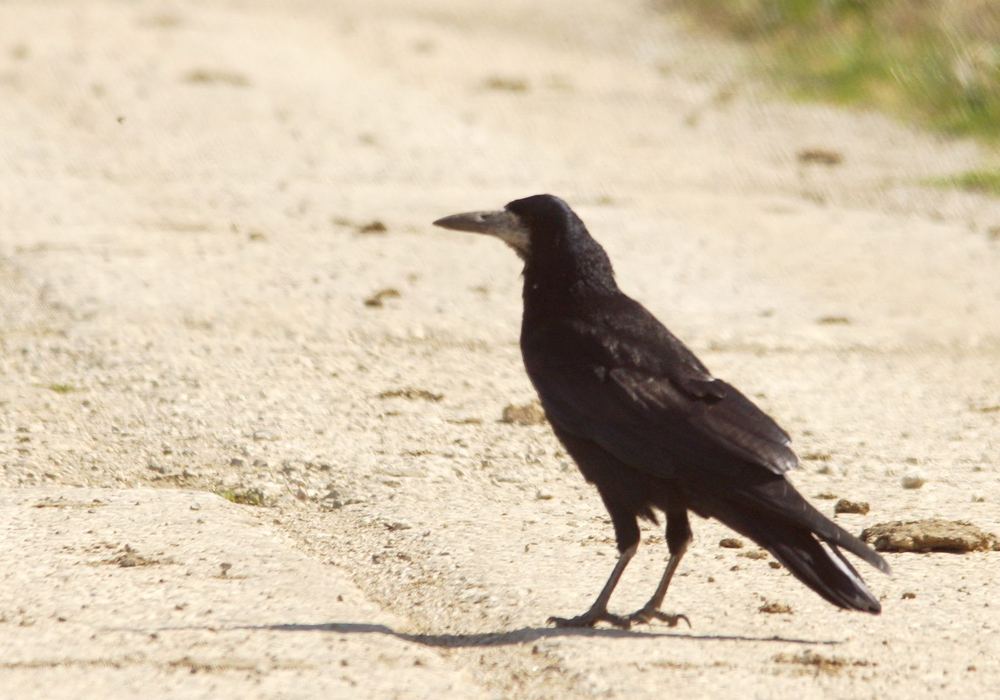
Photo: (c) SIA, some rights reserved (CC BY) · CC-BY
Corvus frugilegus
Basic stats
Diet
Earthworms, insects, grains, fruit, acorns, eggs, carrion, and small vertebrates
Habitat
Arable land, river plains, steppe, farmland, and urban edges with large trees
Range
Across much of Europe and Asia, with the Oriental subspecies occurring from eastern Asia into northern Mongolia
Clutch size
2–7 eggs, averaging 4
Incubation period
16–18 days
Size
About 47 cm
Wingspan
81–94 cm
Weight
337–531 g
Rooks occur across much of Europe and Asia. The Oriental subspecies ranges from eastern Asia westward into northern Mongolia, while the western form extends from Ireland through Europe and Russia. They favor arable land, fertile river plains, and steppes where soft soil allows easy probing. Rooks also occupy the outskirts of towns when large trees and scavenging opportunities are available. Adults average about 47 centimeters long, with wingspans of 81 to 94 centimeters and weights between 337 and 531 grams. (Animal Diversity Web)
Rooks are opportunistic omnivores. They probe soil for earthworms and insects but also consume acorns, fruit, cereal grains, small mammals, birds, eggs, carrion, crustaceans, and discarded human food. Surplus food may be cached. These intelligent corvids are highly social and active by day, although pairs are generally monogamous and territorial around their nests. They breed once annually between February and May. Females lay two to seven eggs, usually about four, which hatch following an incubation period of 16 to 18 days. (Animal Diversity Web)
Quick answers
- What does the Rook eat?
- Earthworms, insects, grains, fruit, acorns, eggs, carrion, and small vertebrates
- What habitat does the Rook live in?
- Arable land, river plains, steppe, farmland, and urban edges with large trees
- Where is the Rook found?
- Across much of Europe and Asia, with the Oriental subspecies occurring from eastern Asia into northern Mongolia
- How many eggs does the Rook lay?
- 2–7 eggs, averaging 4
- How long are the eggs of the Rook incubated?
- 16–18 days
- How big is the Rook?
- About 47 cm
- What is the wingspan of the Rook?
- 81–94 cm
- How much does the Rook weigh?
- 337–531 g