
 Wildlife
of China
Tufted Duck
Ducks, Geese & Grebes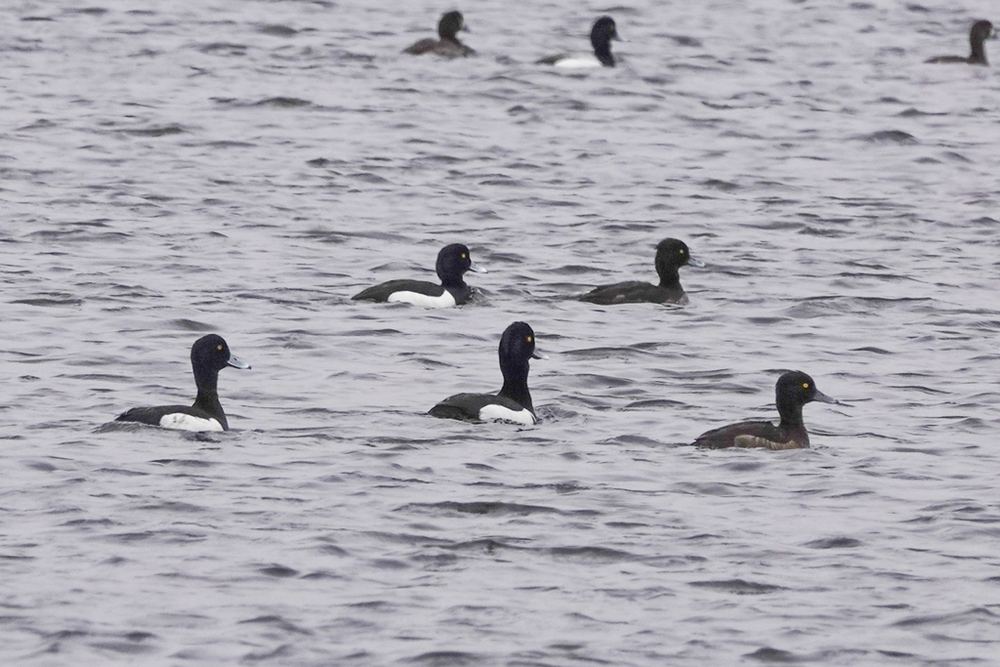
Photo: (c) Валерия Ковалева, some rights reserved (CC BY) · CC BY
Aythya fuligula
Basic stats
Diet
Primarily molluscs, especially zebra mussels, plus aquatic vegetation and seeds
Habitat
Lakes, reservoirs, slow rivers, canals, docks, wetlands, and sheltered coastal waters
Range
Breeds across the Palearctic and winters in southern Europe, northern Africa, southern Asia, and locally North America
Size
Females 39–44 cm; males 42–48 cm
Wingspan
About 70 cm
Weight
Females 629.8–906.8 g; males 753–1,026.2 g
Tufted ducks breed across much of the Palearctic, from the British Isles and northern Europe eastward through Asia to eastern Siberia. Wintering birds move into southern Europe, northern Africa, southern Asia, and occasionally North America. They favor lakes, reservoirs, slow rivers, canals, and other open waters rich in food. Males measure 42–48 centimetres and weigh 753–1,026 grams; females are 39–44 centimetres and 630–907 grams. Both sexes have an average wingspan near 70 centimetres (Animal Diversity Web).
The species is named for the feather tuft at the rear of its head, which is longer and blacker in males and shorter and browner in females. Adult males are predominantly black with white flanks and yellow eyes. Tufted ducks dive mainly for molluscs, particularly zebra mussels, while also eating aquatic leaves, stems, roots, and seeds. They form monogamous seasonal pairs during spring migration. Courtship includes synchronized bill-dipping, rapid swimming, neck stretching, head throwing, nodding, and preening displays (Animal Diversity Web).
Quick answers
- What does the Tufted Duck eat?
- Primarily molluscs, especially zebra mussels, plus aquatic vegetation and seeds
- What habitat does the Tufted Duck live in?
- Lakes, reservoirs, slow rivers, canals, docks, wetlands, and sheltered coastal waters
- Where is the Tufted Duck found?
- Breeds across the Palearctic and winters in southern Europe, northern Africa, southern Asia, and locally North America
- How big is the Tufted Duck?
- Females 39–44 cm; males 42–48 cm
- What is the wingspan of the Tufted Duck?
- About 70 cm
- How much does the Tufted Duck weigh?
- Females 629.8–906.8 g; males 753–1,026.2 g