
 Wildlife
of China
Water Pipit
Larks, Pipits & Wagtails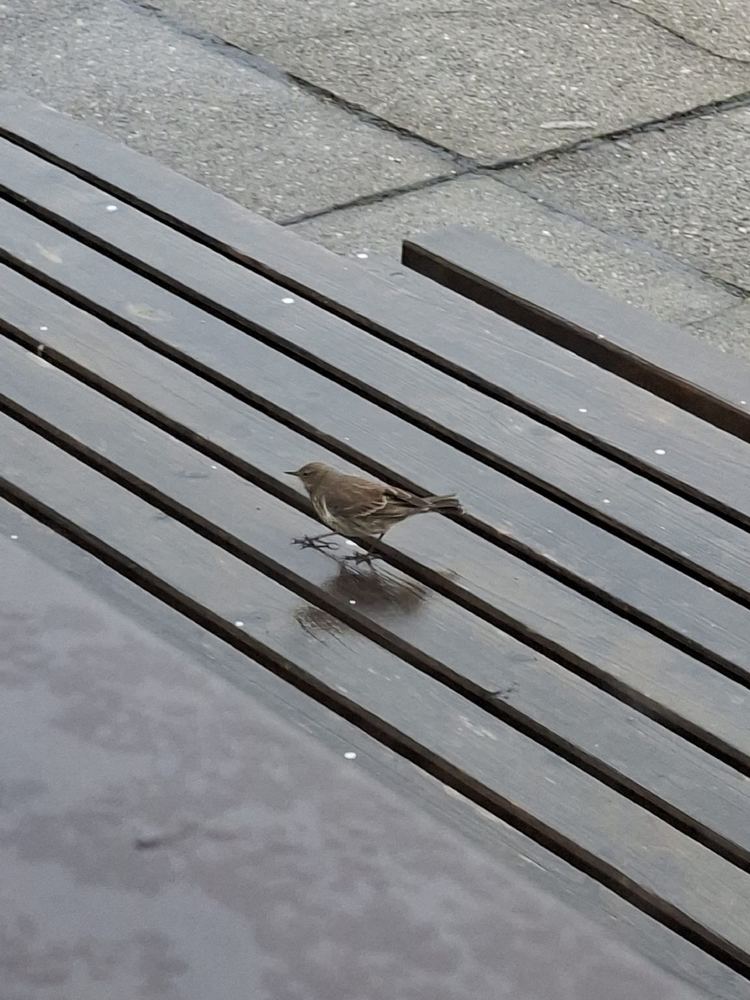
Photo: (c) Jerzy Tomes, some rights reserved (CC BY) · CC-BY
Anthus spinoletta
Basic stats
Diet
Flies, beetles, grasshoppers, spiders, small molluscs, crustaceans, seeds, and plant matter
Habitat
Tundra, alpine terrain, marshes, estuaries, coasts, and freshwater margins
Range
Palearctic Europe and Asia, wintering in northern Africa and southern Asia
Size
12.7–22.2 cm
Wingspan
21–26 cm
Weight
19.5–24 g
Water pipits have a broad Palearctic distribution across Europe and Asia, with many migrating in autumn to northern Africa or southern Asia. They use tundra and alpine landscapes during breeding and occupy marshes, estuaries, coasts, and freshwater margins at other times. Adults measure 12.7–22.2 centimetres, span 21–26 centimetres, and weigh 19.5–24 grams. They are brown above and buff below with dark streaking, dark legs, a long dark bill, strong feet, and pale outer tail feathers (Animal Diversity Web).
These pipits are predominantly insectivorous, feeding on flies, beetles, grasshoppers, and other insects. Spiders, small molluscs, crustaceans, seeds, and other plant material provide additional food. Most pairs are monogamous and may maintain lifelong bonds, although occasional polygyny and polyandry occur. Male song is important during mate selection: longer, higher-frequency, and more complex performances tend to be favored. A rasping song element called the snarr also varies among males and is associated with mating success (Animal Diversity Web).
Quick answers
- What does the Water Pipit eat?
- Flies, beetles, grasshoppers, spiders, small molluscs, crustaceans, seeds, and plant matter
- What habitat does the Water Pipit live in?
- Tundra, alpine terrain, marshes, estuaries, coasts, and freshwater margins
- Where is the Water Pipit found?
- Palearctic Europe and Asia, wintering in northern Africa and southern Asia
- How big is the Water Pipit?
- 12.7–22.2 cm
- What is the wingspan of the Water Pipit?
- 21–26 cm
- How much does the Water Pipit weigh?
- 19.5–24 g