
 Wildlife
of China
Western Red Deer
Deer & Chevrotains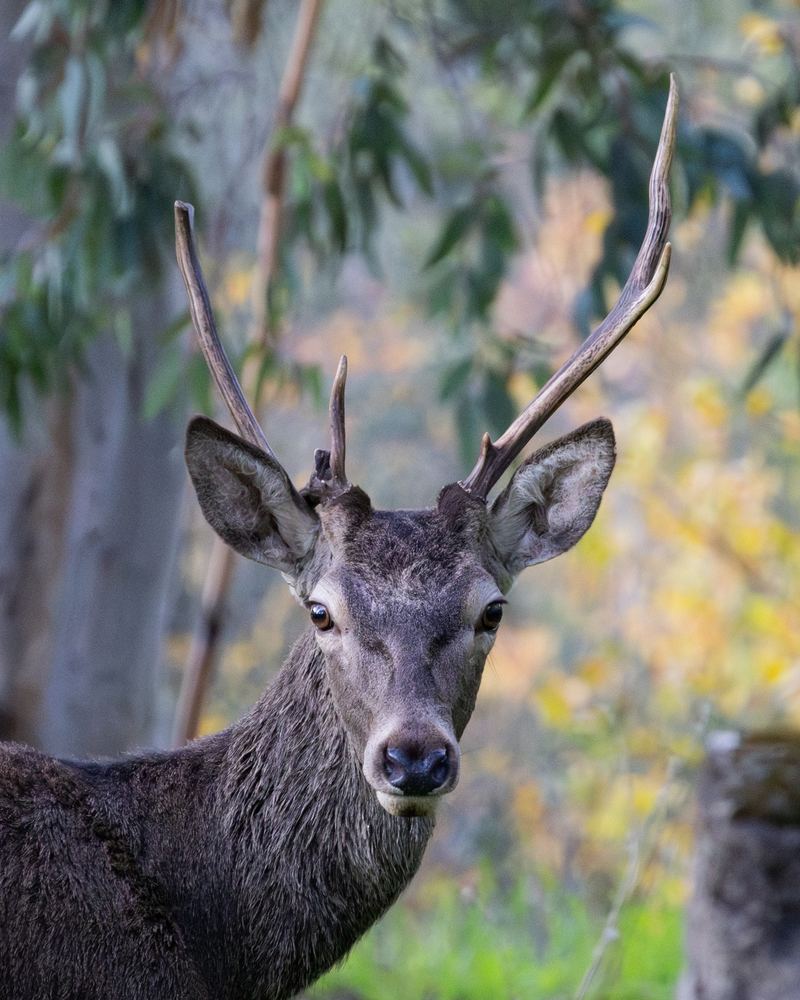
Photo: Diego González Dopico · CC BY 4.0
Cervus elaphus
Basic stats
Diet
Grasses, sedges, forbs, leaves, shoots, bark, stems, lichens, and fungi
Habitat
Woodlands, forest edges, grasslands, shrublands, and mountainous country
Range
Europe, northern Africa, and large parts of temperate Asia; introduced elsewhere
Red deer are large, social deer native across much of Europe and temperate Asia, with additional introduced populations. They use forests, woodland edges, open grasslands, shrublands, and mountain country, shifting habitats as forage and seasonal conditions change. Adult males bear branching antlers and are substantially larger than females. Outside the breeding season, males and females often occupy separate groups, while autumn brings conspicuous competition among males for access to females. (Animal Diversity Web)
Red deer browse and graze, eating grasses, sedges, forbs, leaves, shoots, woody growth, bark, lichens, and occasional fungi. Breeding occurs mainly in late September and early October. Females generally produce one calf, although twins sometimes occur, after gestation lasting eight to 8.73 months. Mothers hide newborn calves in secluded vegetation during their first weeks, then continue nursing and protecting them. Males do not participate directly in raising the young. (Animal Diversity Web)
Quick answers
- What does the Western Red Deer eat?
- Grasses, sedges, forbs, leaves, shoots, bark, stems, lichens, and fungi
- What habitat does the Western Red Deer live in?
- Woodlands, forest edges, grasslands, shrublands, and mountainous country
- Where is the Western Red Deer found?
- Europe, northern Africa, and large parts of temperate Asia; introduced elsewhere